The Best Flooring for Living Room, Bedrooms, and Beyond- Why We Chose Arizona Hardwood Floor
Before we started our renovation, I did a lot of research on the best flooring for living room spaces, as well as for bedrooms, bathrooms, and even the laundry room. I’ve always loved hardwood floors, but I’ve heard so many mixed opinions about them. Some people absolutely loved them, while others found them too much work to handle.

Disclosure: This post is sponsored by Arizona Hardwood Floor. As always, all opinions are my own.
For me, hardwood has always been a beautiful look that I wanted in our home, but with two little kids running around, I needed to make sure it was the right choice. In this post, I’ll share the different flooring options we considered, the pros and cons of each, and, of course, what we ultimately chose for our renovation.
Why We Chose Arizona Hardwood Floor

When it came time to choose a flooring company, I wasn’t just focused on the quality of the product; I was even more concerned about the installation. We’d had bad experiences in the past, so I knew I couldn’t risk going with a random contractor who might cut corners. I asked neighbors, friends, and anyone I knew who had recently remodeled or built a house for recommendations. Because the little details, such as leveling, lining up the edges, and finishing around baseboards, were particularly important to me.

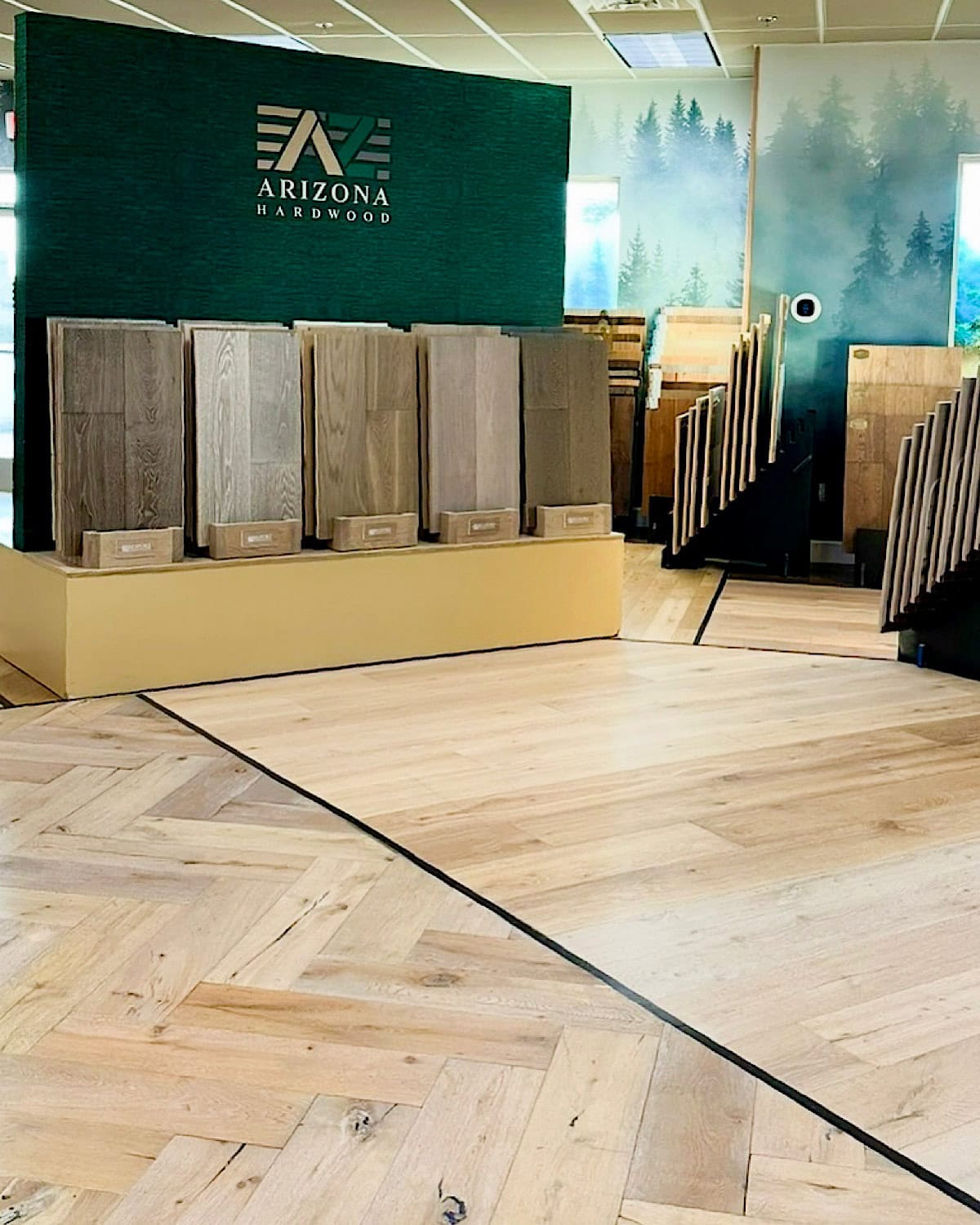
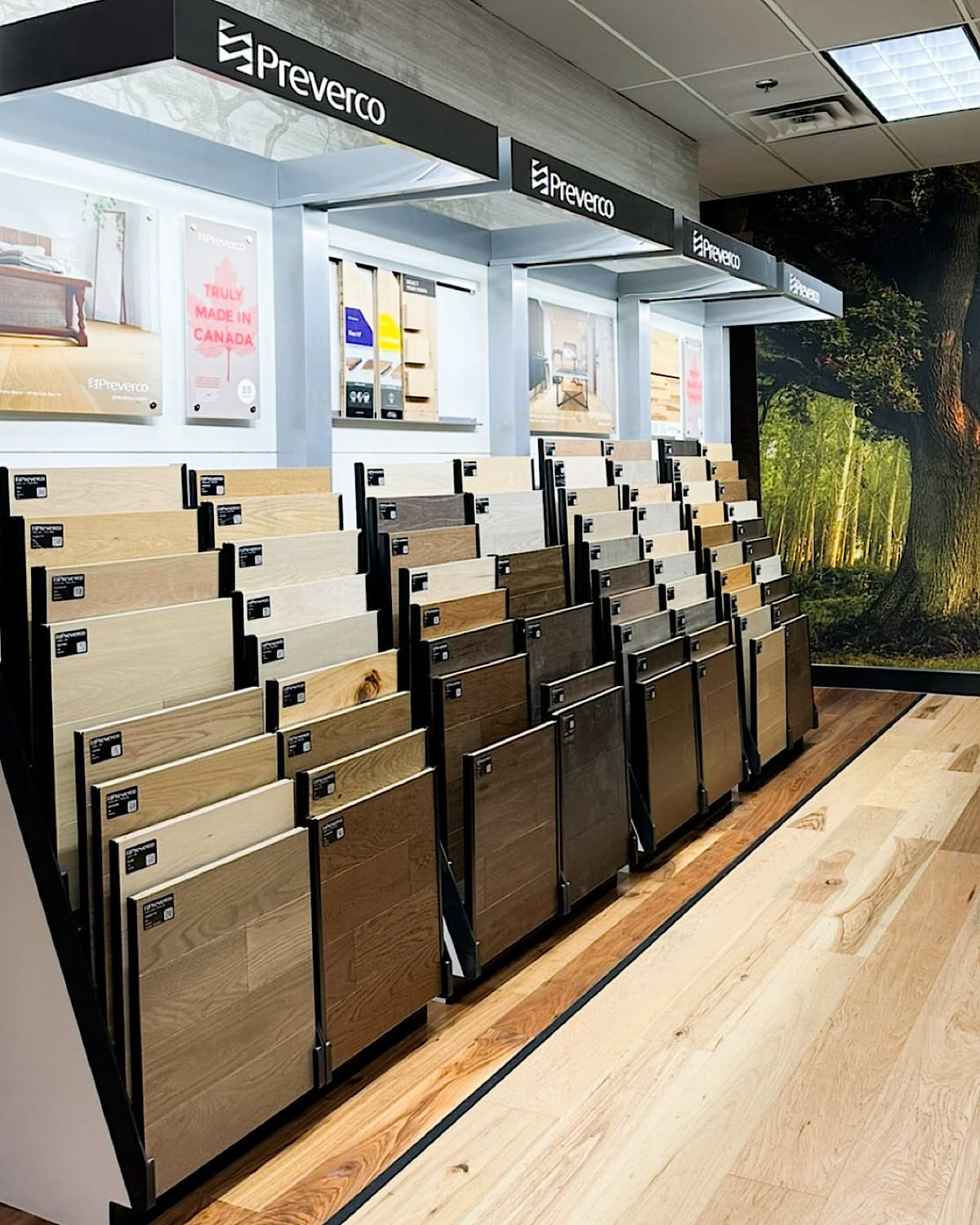
That’s when our architect, who was working on our renovation plans, recommended Arizona Hardwood Floor. He even invited us to his own home to show us the flooring they installed for him, and after seeing the results in person, Matt and I knew this was the right company. From our first visit to their showroom in Scottsdale, they were professional, friendly, and helpful, guiding us through the best options for our family.

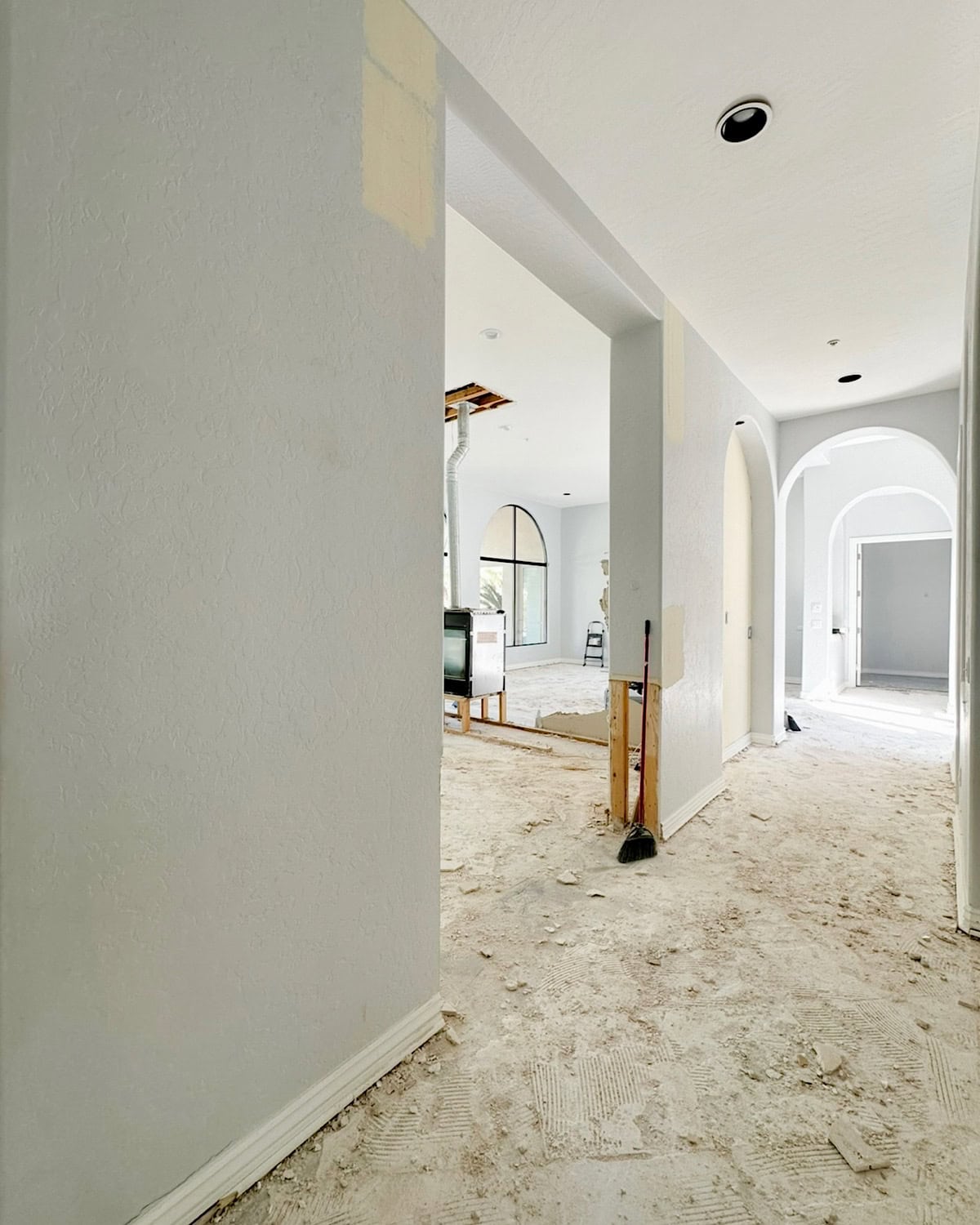
Once we decided to move forward, everything went so smoothly. Their crew came out, did the measurements, gave us a clear quote, and stuck to the exact timeline they promised. Our entire house, including the living room, bedrooms, office, and all the hallways, was finished in about eight days. The installers were so detail-oriented, but also really kind and respectful, which made the whole process easy.
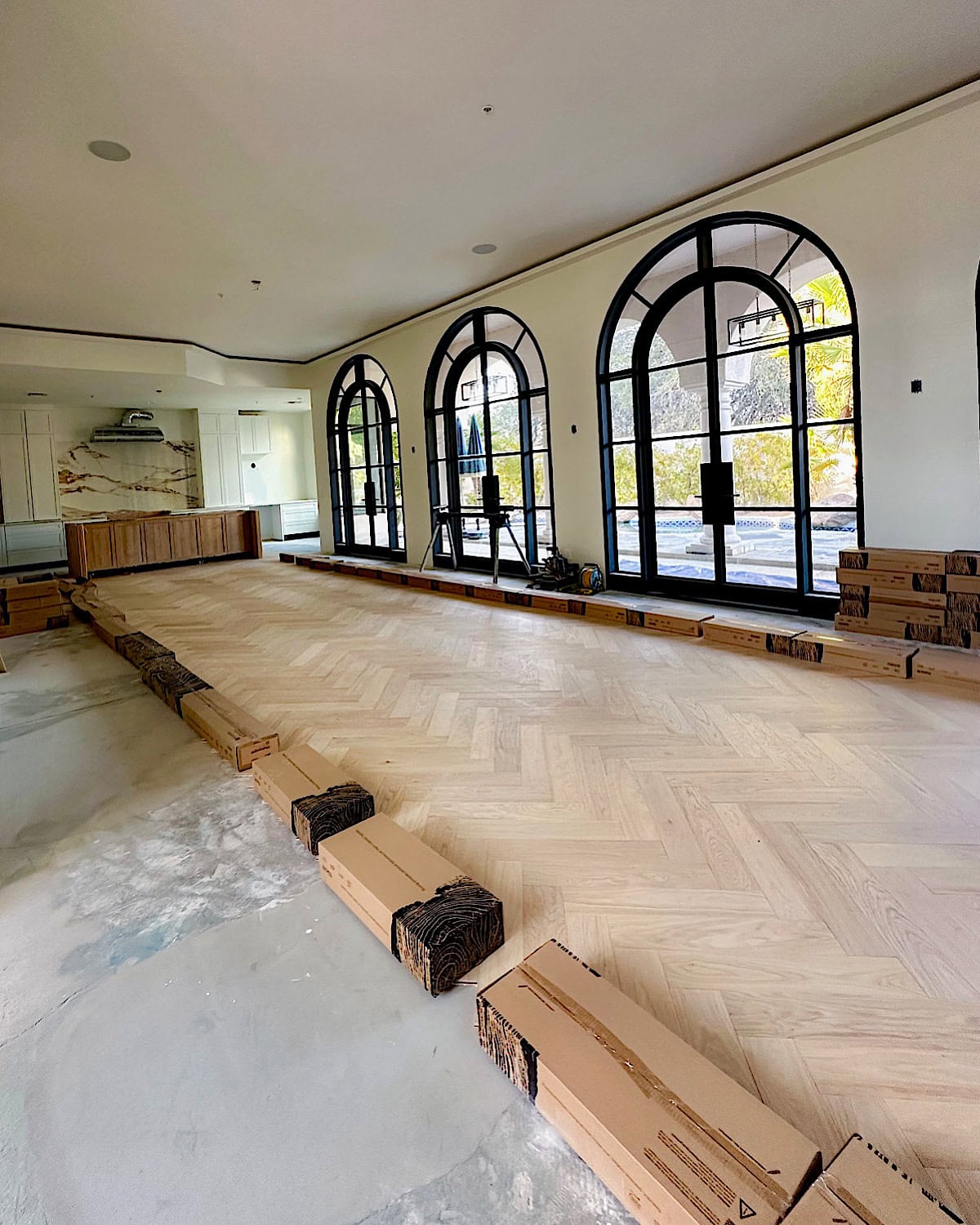
Honestly, out of all the companies we worked with during this renovation, Arizona Hardwood Floor was one of the best. (There were a few other companies we truly enjoyed working with as well, and I’ll share more about them in upcoming posts.) Their communication was excellent, their work fantastic, and their approach truly professional.
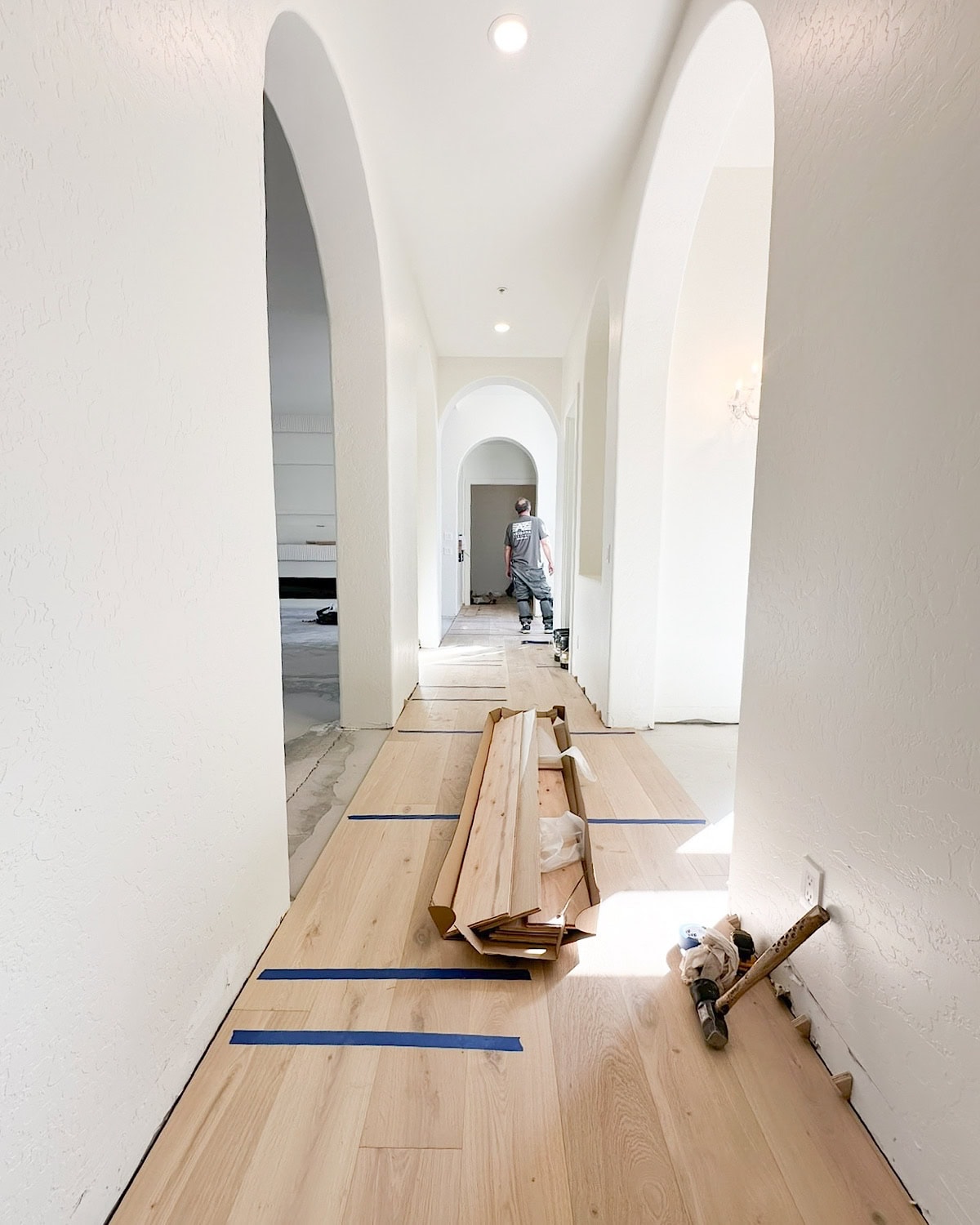
I highly recommend them to anyone in Arizona considering new floors, whether it’s a small project, a big renovation, or even a new build. The showroom we visited is located in Scottsdale (right off the 101 Freeway and Raintree). They have another showroom in Gilbert, AZ, and a warehouse in Phoenix. The whole thing was truly “headache-free“, and I can’t tell you how much we LOVED that!
Living Room Flooring Ideas and Trends
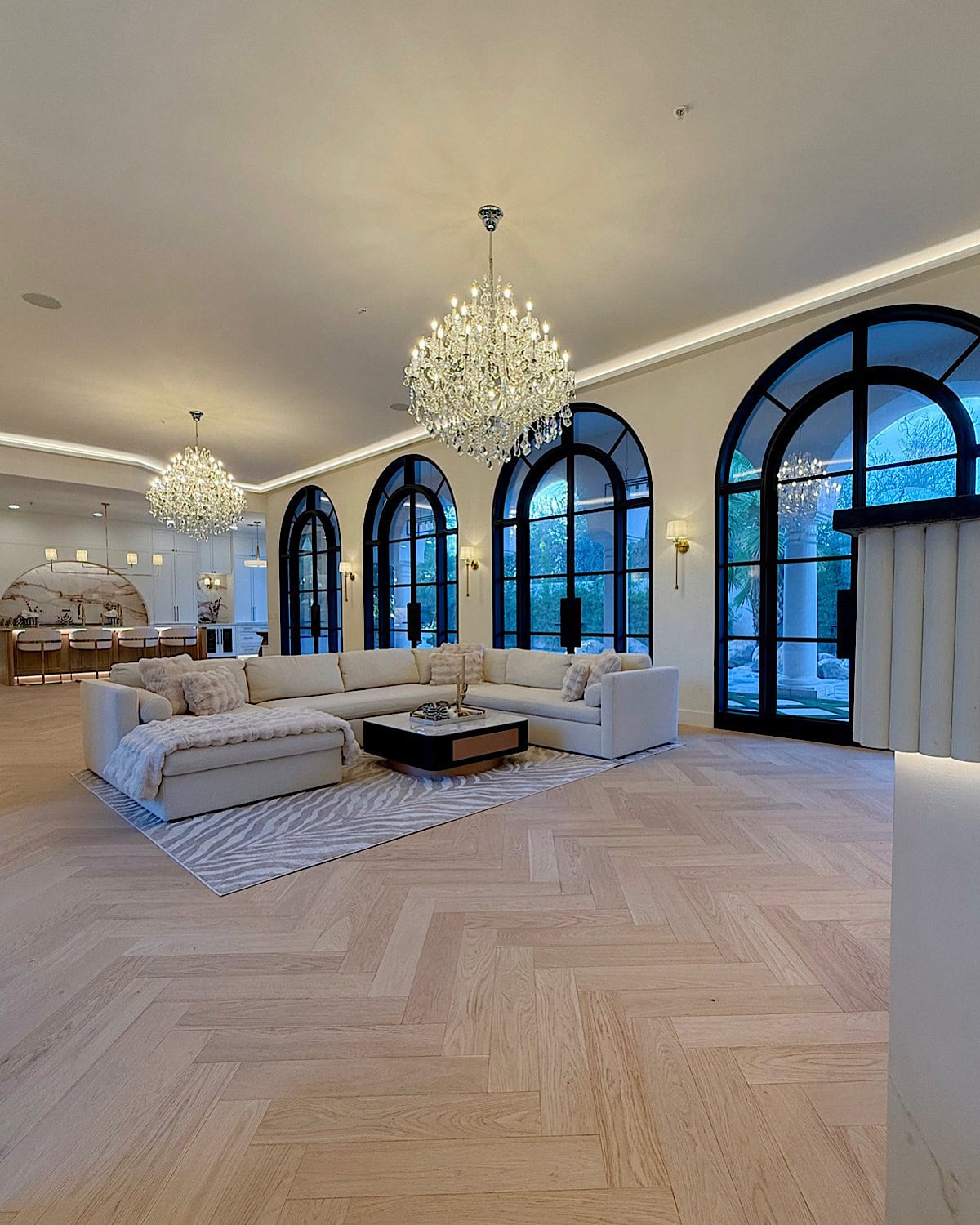
- Warm Tones: Wood floors in golden, honey, and chestnut shades are everywhere. They instantly make a space feel cozy and welcoming.
- Wide Planks: Larger boards are still very popular. They open up a room and give it a modern yet timeless look.
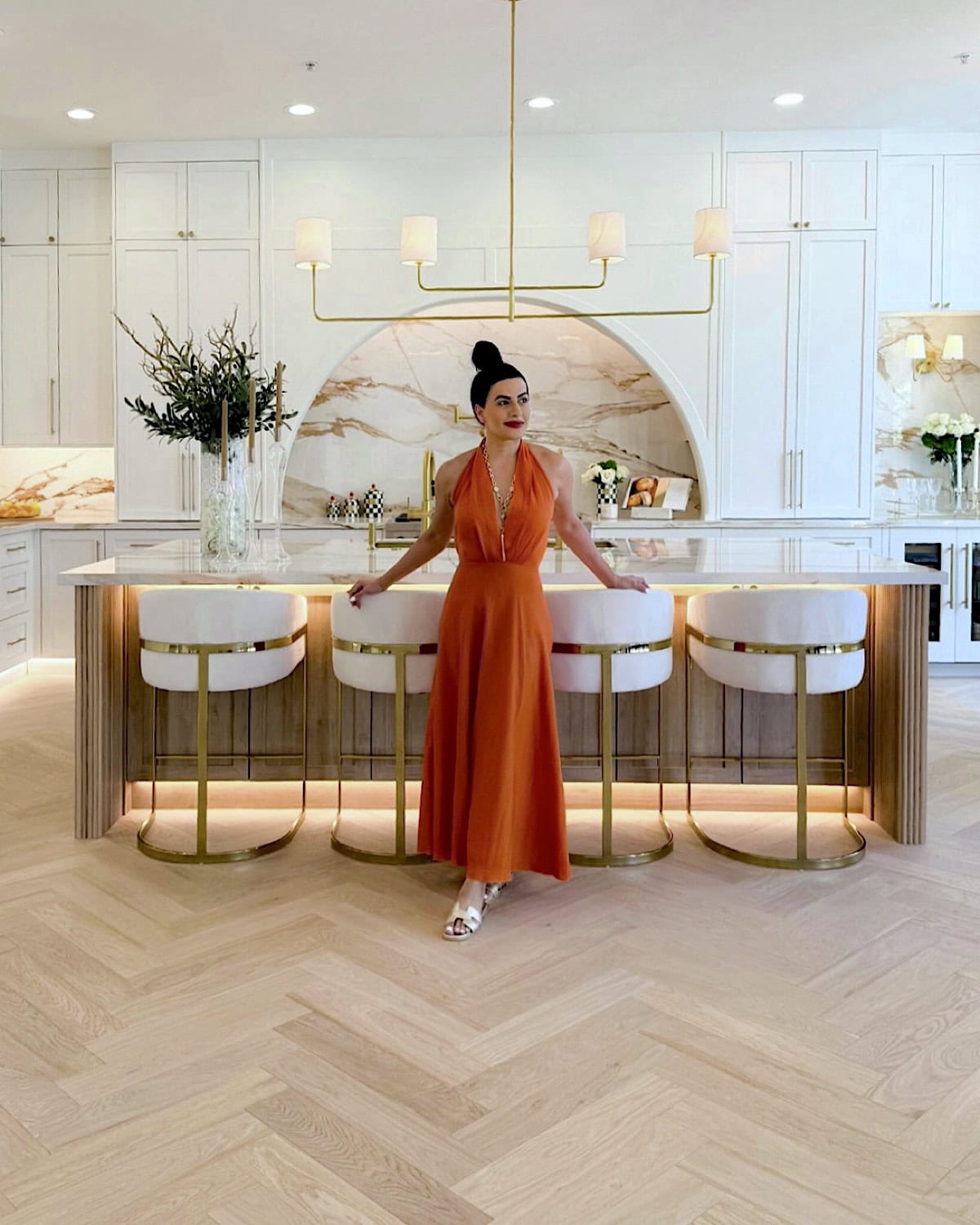
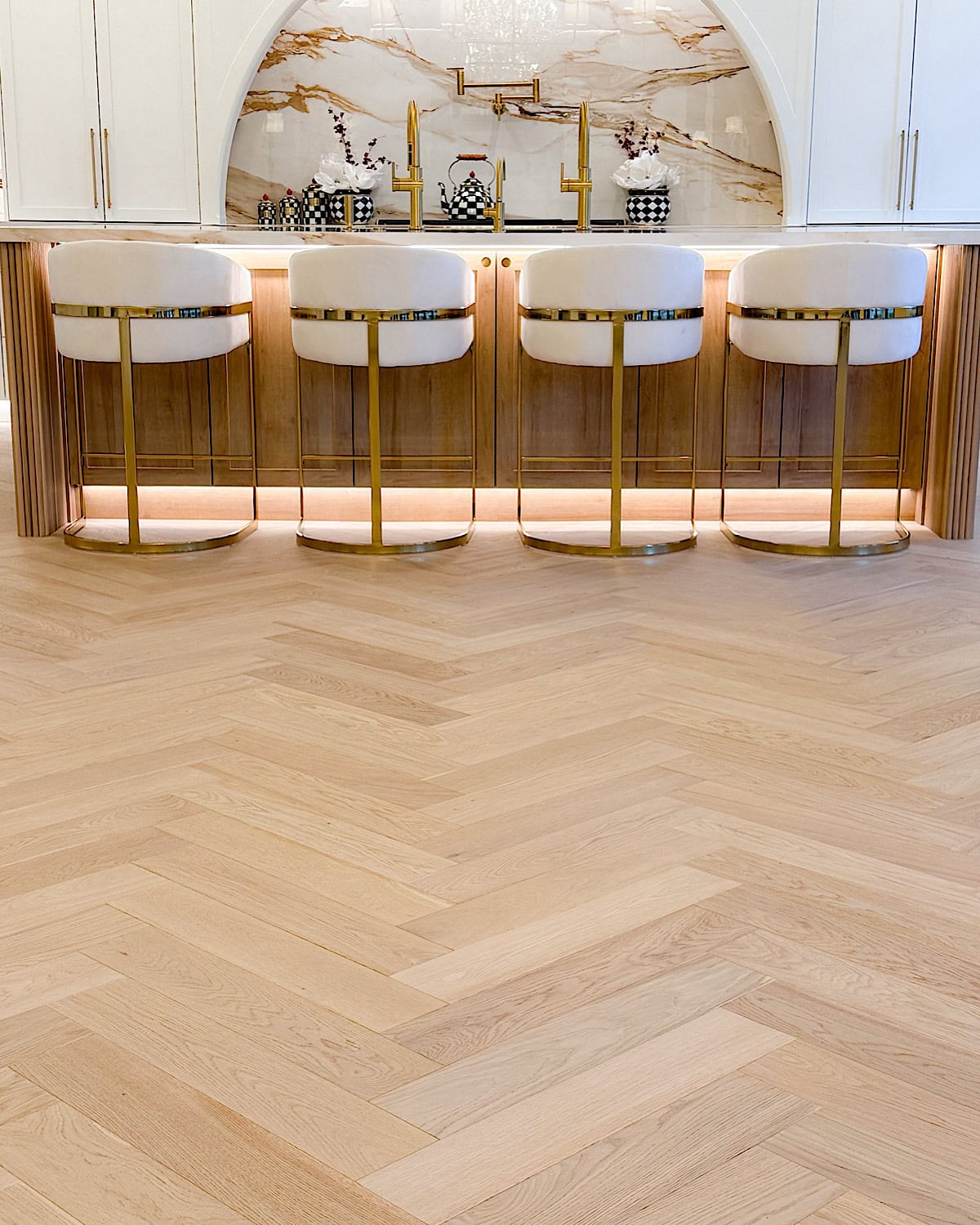
- Pattern Details: Herringbone, chevron, and parquet are being used to add interest without overwhelming the design.
- Matte & Brushed Finishes: Softer textures are in. They look natural, feel relaxed, and don’t show every little mark the way glossy floors do.
- Sustainable Choices: Bamboo, cork, and reclaimed wood are becoming go-to picks for anyone wanting an eco-conscious option that still looks elevated.
- Water-Resistant Wood: With today’s engineered hardwood, you can enjoy real wood even in areas like kitchens where people once avoided it.
- Mixing Materials: Designers are combining different surfaces, such as tile-to-wood transitions or mixed patterns, for a layered, custom feel.
- Darker Shades: Alongside the lighter neutrals, deeper browns and brunette tones are making a comeback for a touch of richness.
- Fading Looks: Ultra-shiny finishes, narrow planks, and overly busy faux styles are being replaced with designs that feel warmer and more natural.
Wood Floor Options for Living Room & What We Chose
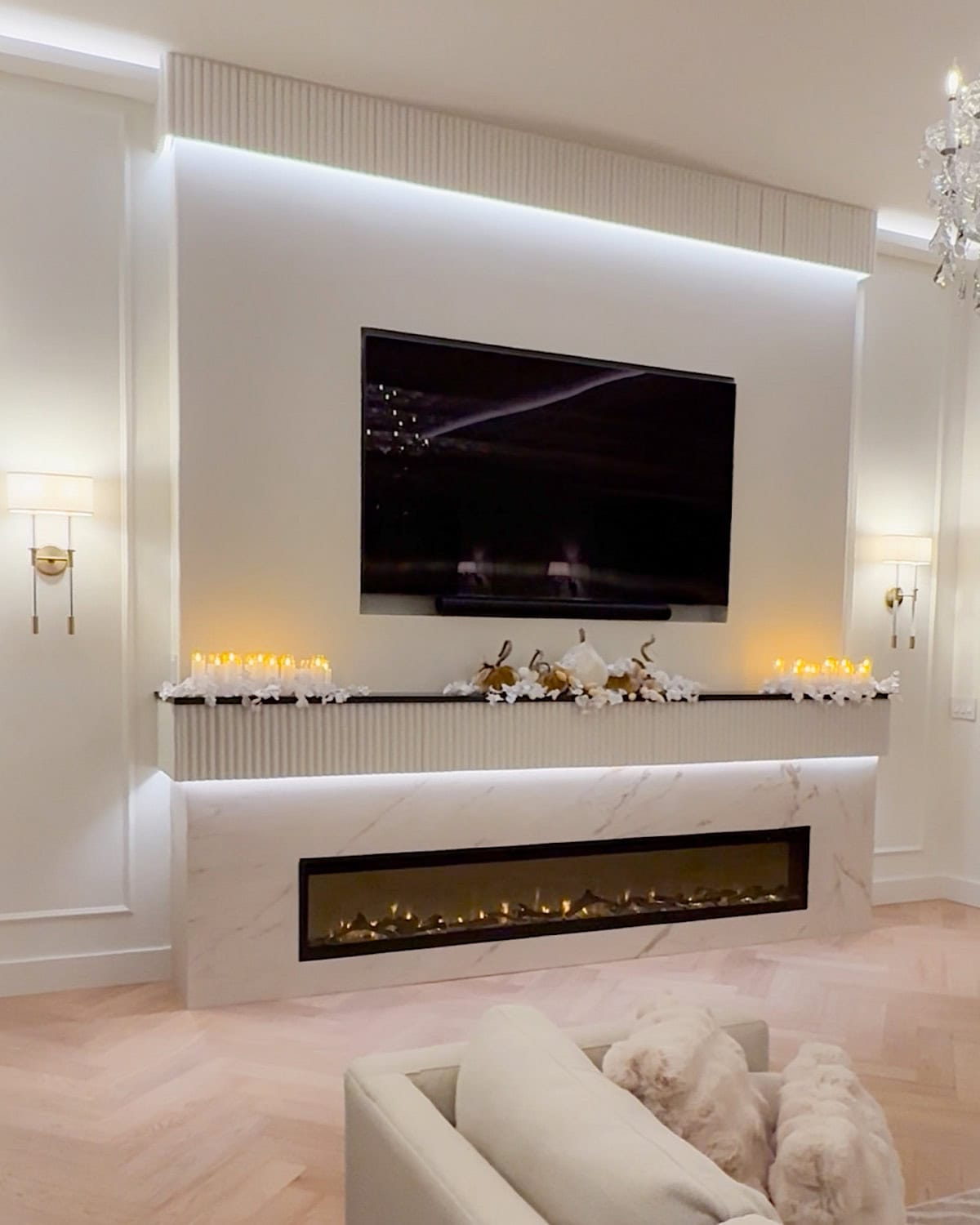
There are so many great wood floor options out there for living rooms, bedrooms, and really all over the house. But for us, we decided to stick with just one type of hardwood throughout almost the entire home.
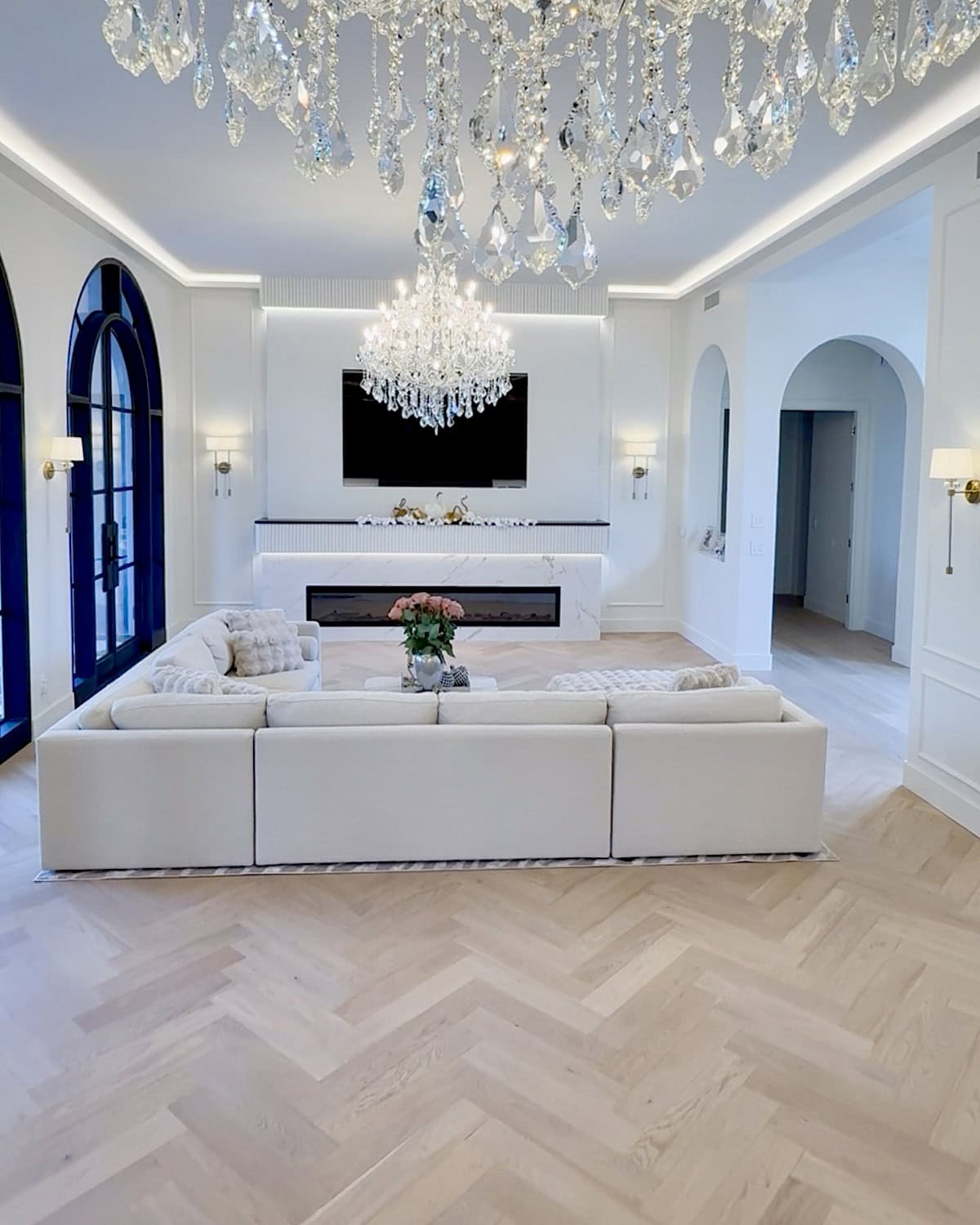
We used it everywhere: the living room, dining room, bedrooms, office, and basically all the main spaces. The only exceptions were the bathrooms and laundry room, where we chose tile because it’s more practical in areas with water.
1- Solid Hardwood: Real Wood, But High-Maintenance
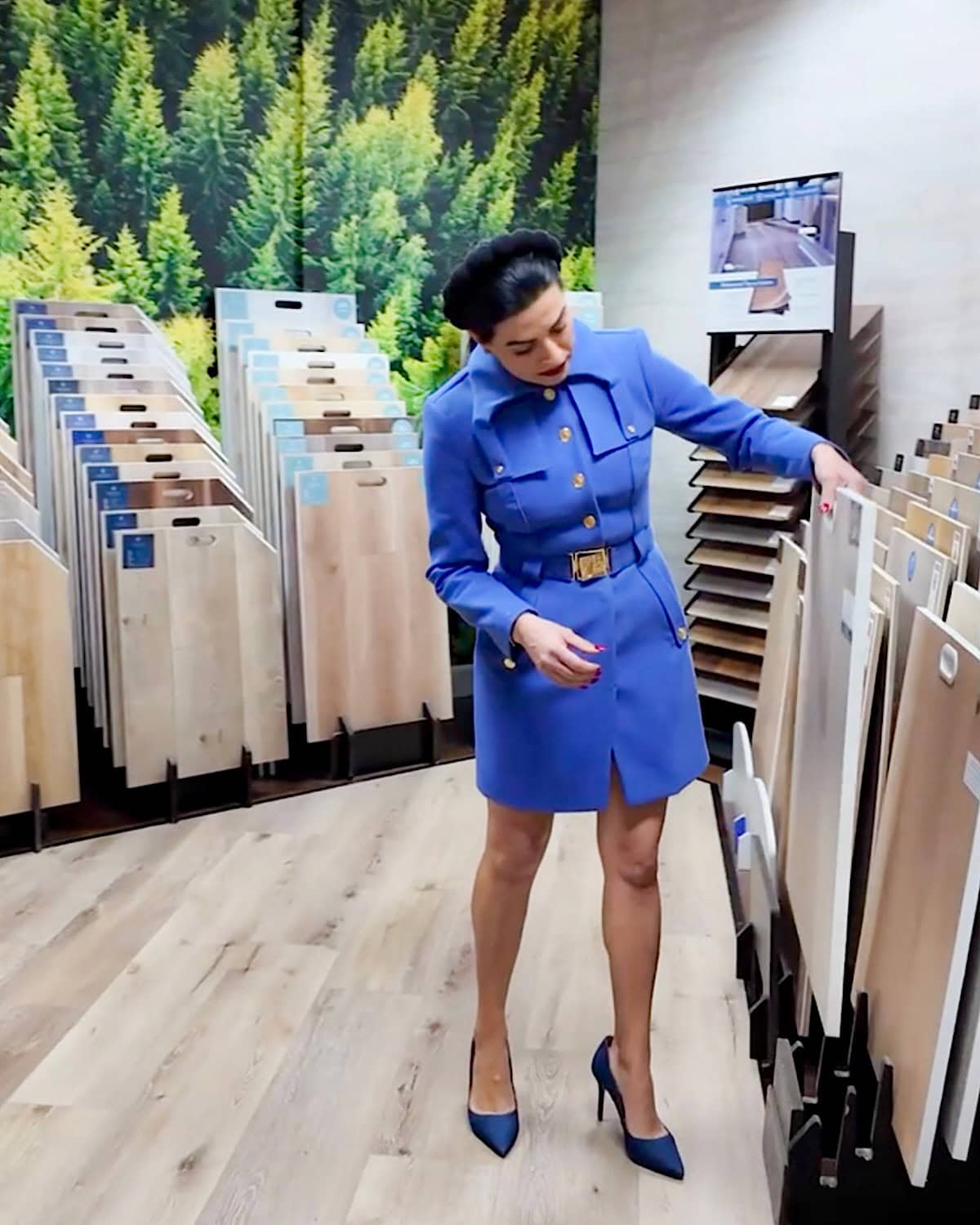
Solid hardwood is the classic choice most people picture when it comes to wood flooring. Each plank is cut from a single solid piece, giving it a traditional, timeless look that can be sanded and refinished for decades. It’s gorgeous, but it also comes with a lot of maintenance.
Before our renovation, we had natural, solid hardwood in our master bedroom and office, and while I loved how it looked, it quickly turned into a headache. Every little move left a mark; walking in heels, sliding a chair, or even a tiny spill would scratch, bubble, or warp the floor. As pretty as it was, it was frustrating to see it get damaged so easily, and I knew I didn’t want to deal with that again.
That’s why solid hardwood isn’t always the best fit if you’ve got kids, pets, or just a busy household. It can be stunning, but it’s not the most forgiving option for everyday life. We wanted the beauty of wood but with something a little more durable, which is what led us to engineered hardwood.
2- Engineered Hardwood: Real Wood with More Durability (This Is the Option We Chose for Our Family)
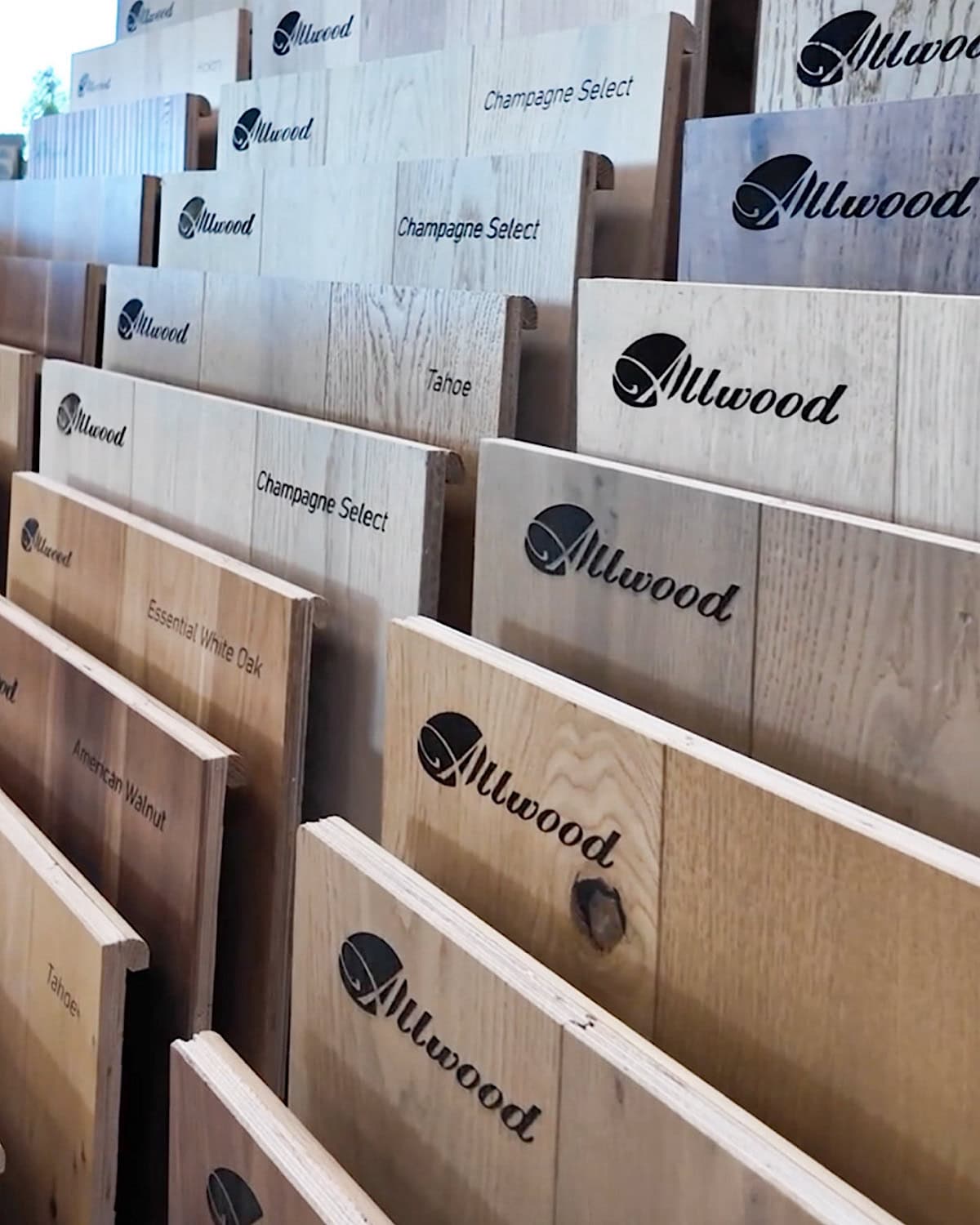
Engineered hardwood is made with a solid hardwood surface layer, so what you see and walk on is genuine wood, not a printed design or imitation. The difference is in how the plank is built underneath. Instead of being a single, solid piece all the way through, it has a layered core, usually high-quality plywood or dense fiberboard, arranged in different directions for added stability. This layered design prevents the floor from warping, shifting, or bubbling, unlike traditional hardwood, which can sometimes do so.
Due to this construction, engineered hardwood is more versatile. It can be used in places where solid wood isn’t usually recommended, such as over concrete or in lower-level rooms, and it’s available in wider planks without the risk of cupping. And since the surface is solid hardwood, it can still be sanded and refinished if needed, giving you that same beautiful, timeless look but with durability that’s easier to live with every day.
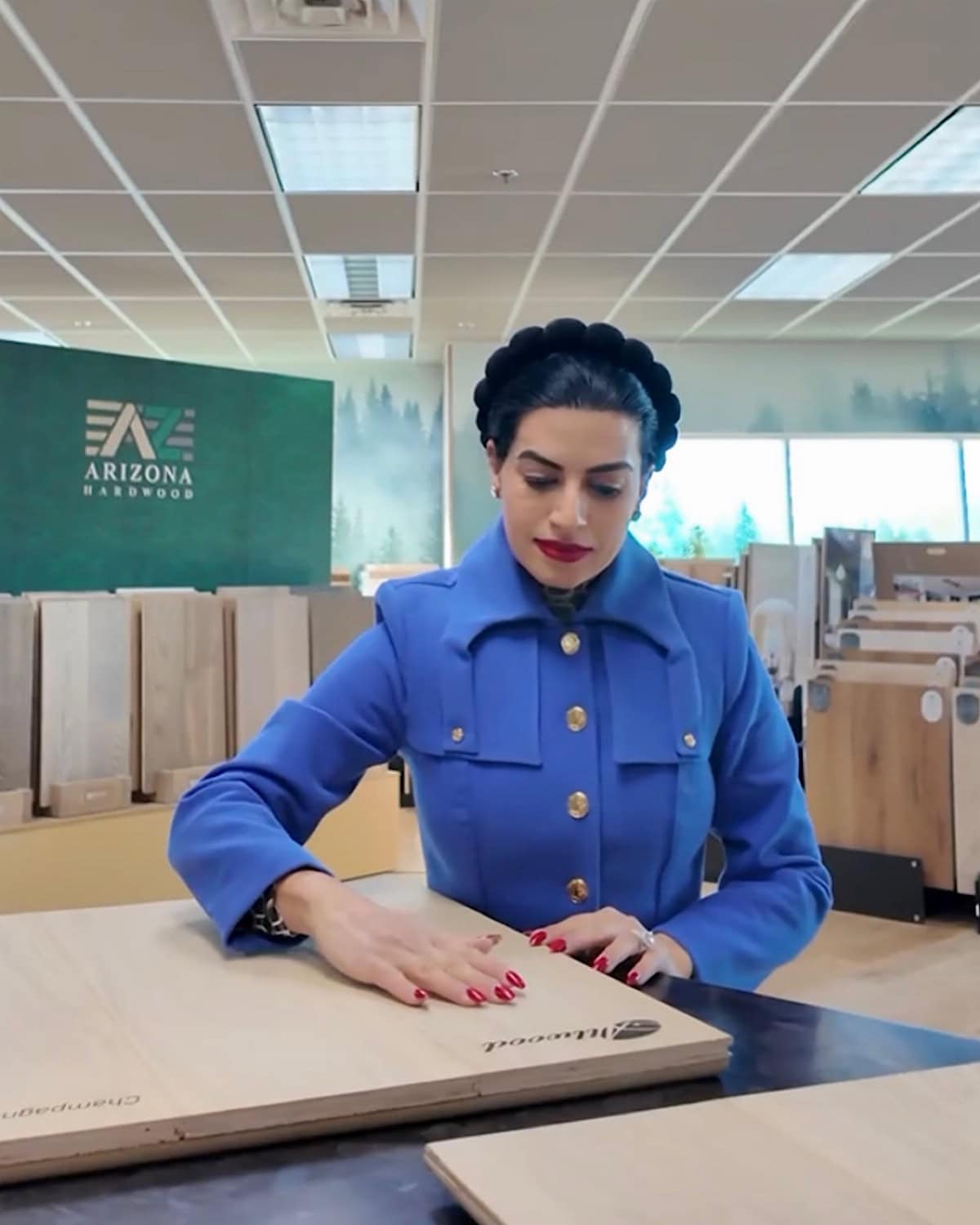
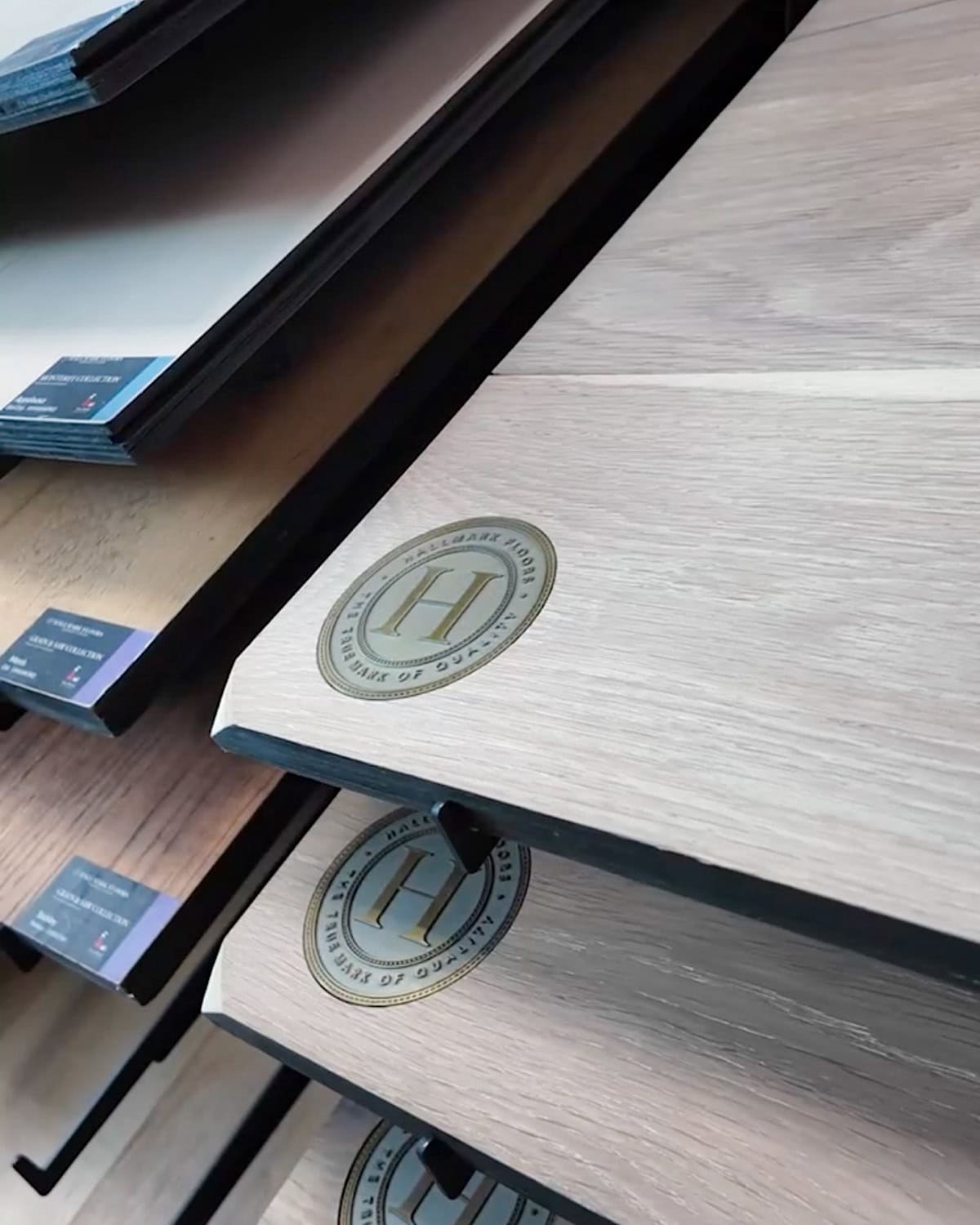
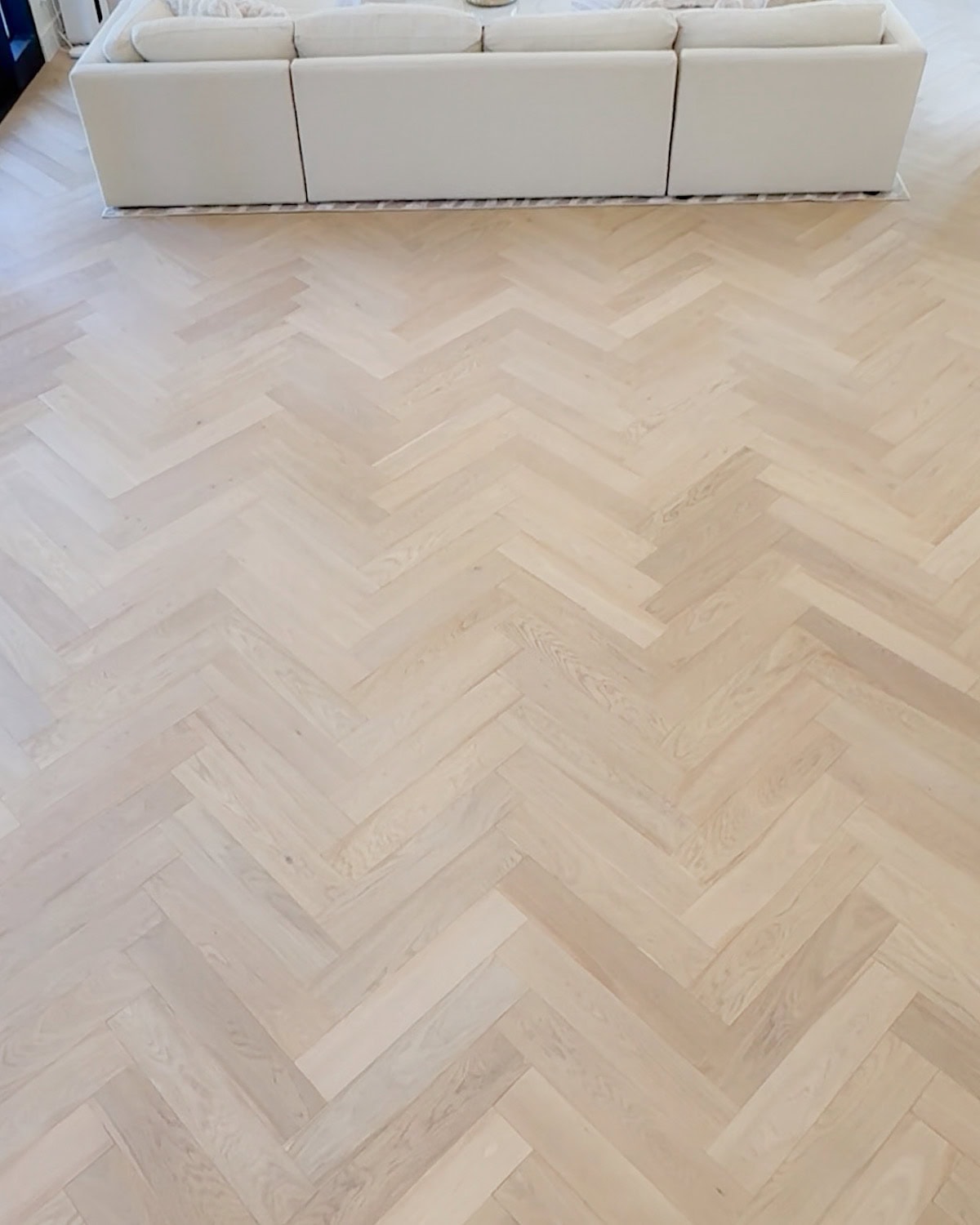
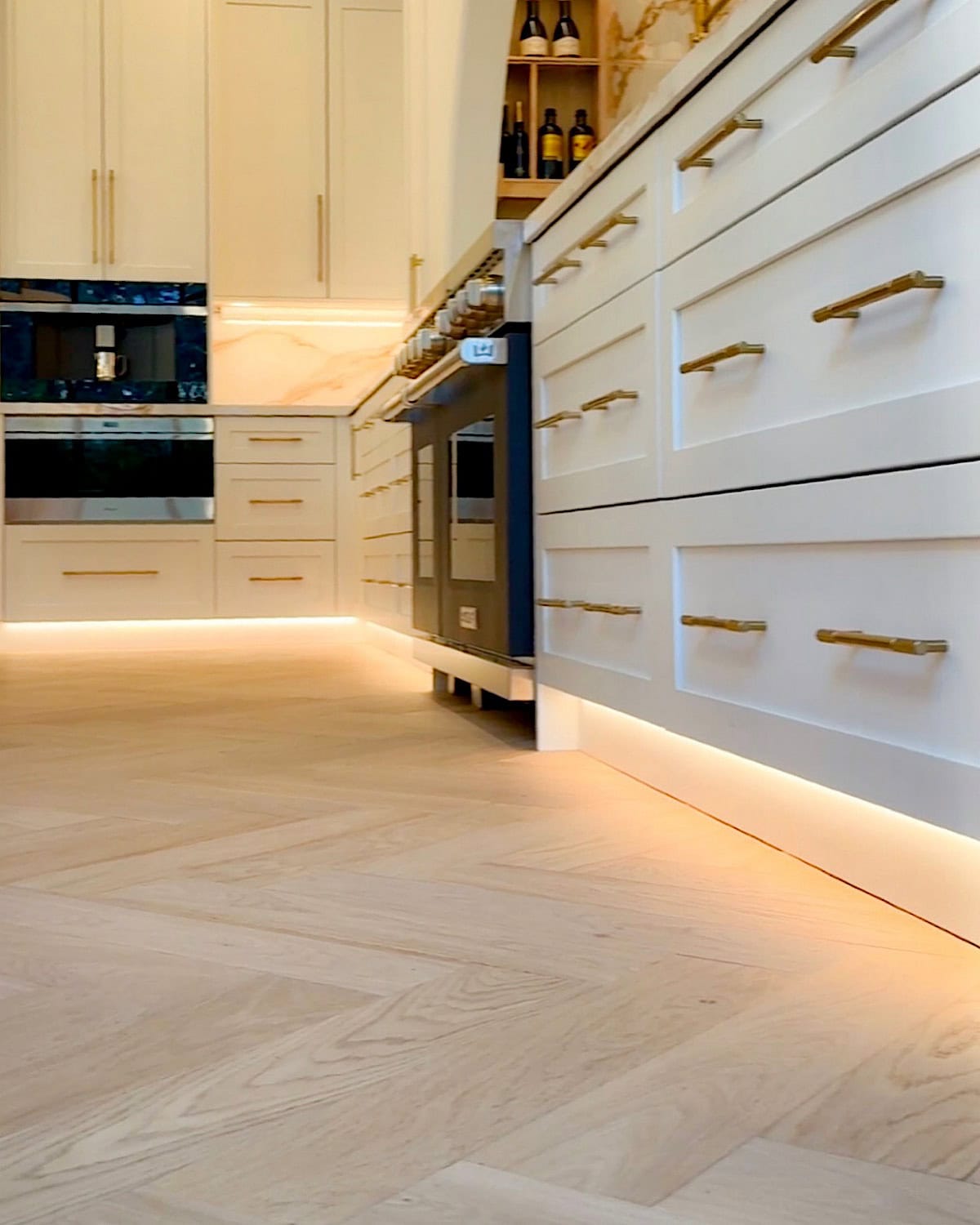
We ordered Allwood Champagne Oak engineered hardwood through Arizona Hardwood Floor, and we couldn’t be happier. It brings the warmth, timeless beauty, and durability we were looking for. I love it because it’s made of real wood (you can even smell the rich scent of the hardwood in our home for a long time after installation), and it gives us that authentic wood feel, but without showing every little scratch so quickly.
3- Laminate Flooring: Not Real Wood but Durable and Low-Maintenance
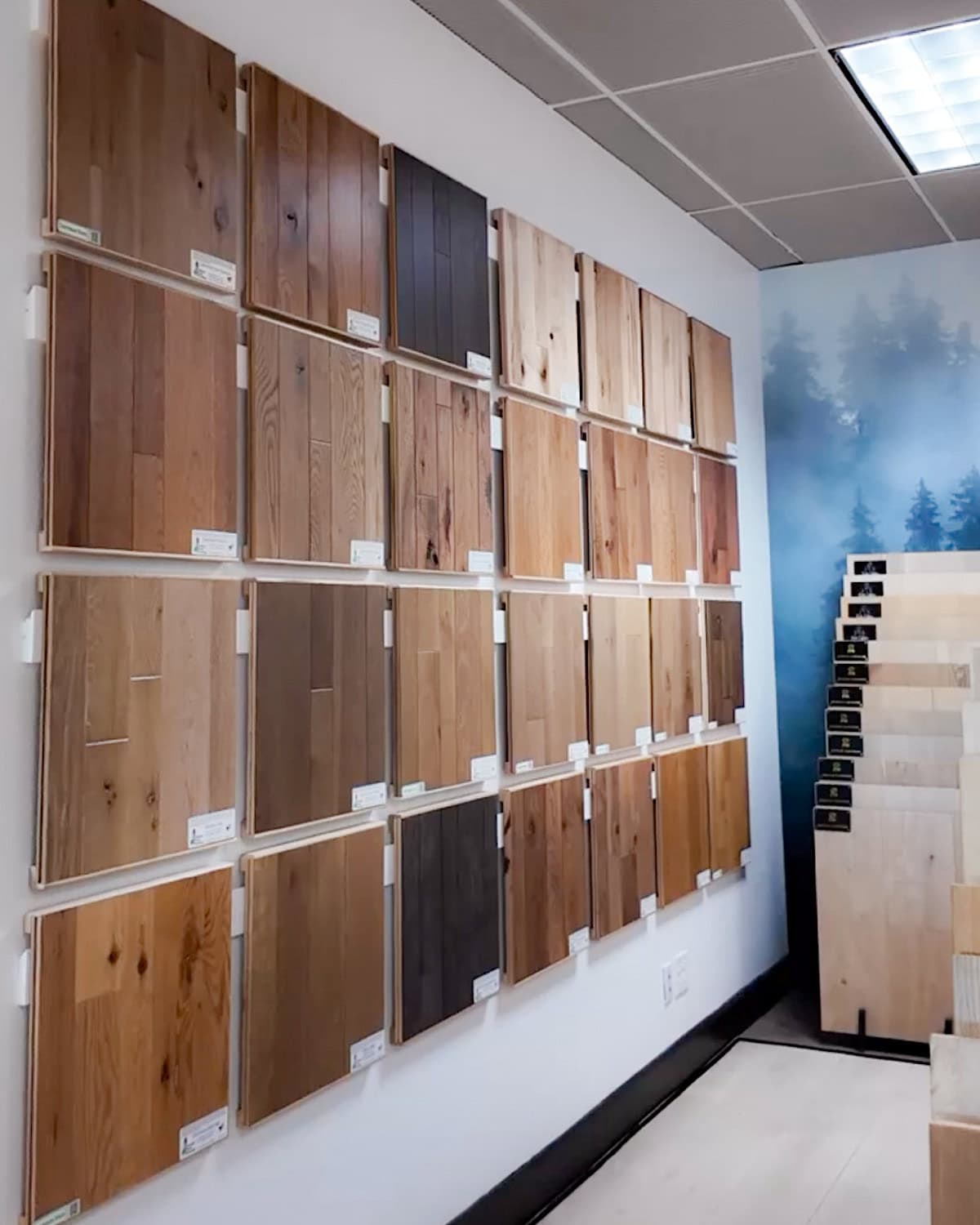
Laminate flooring has come a long way over the years. It’s basically a manufactured product designed to mimic the look of wood, stone, or tile, but at a fraction of the cost. Instead of being made from real hardwood, it’s built with a printed design layer on top and a protective coating, which is why you can find laminate in endless colors and styles.
One of the biggest advantages of laminate is that it’s very budget-friendly and resistant to scratches, dents, and everyday wear, making it a popular pick for families with kids or pets. It’s also easy to install, often coming in click-and-lock planks that go right over existing floors.
The downside is that even though it looks like wood, it doesn’t feel like it. It can’t be refinished if it gets damaged, and water can still cause problems if it seeps into the seams. While laminate can be a practical choice for some households, especially when cost and durability are top priorities, it doesn’t offer the same warmth or long-lasting value as real hardwood.
3- Luxury Vinyl Plank (LVP): Not Real Wood, But Waterproof and Durable
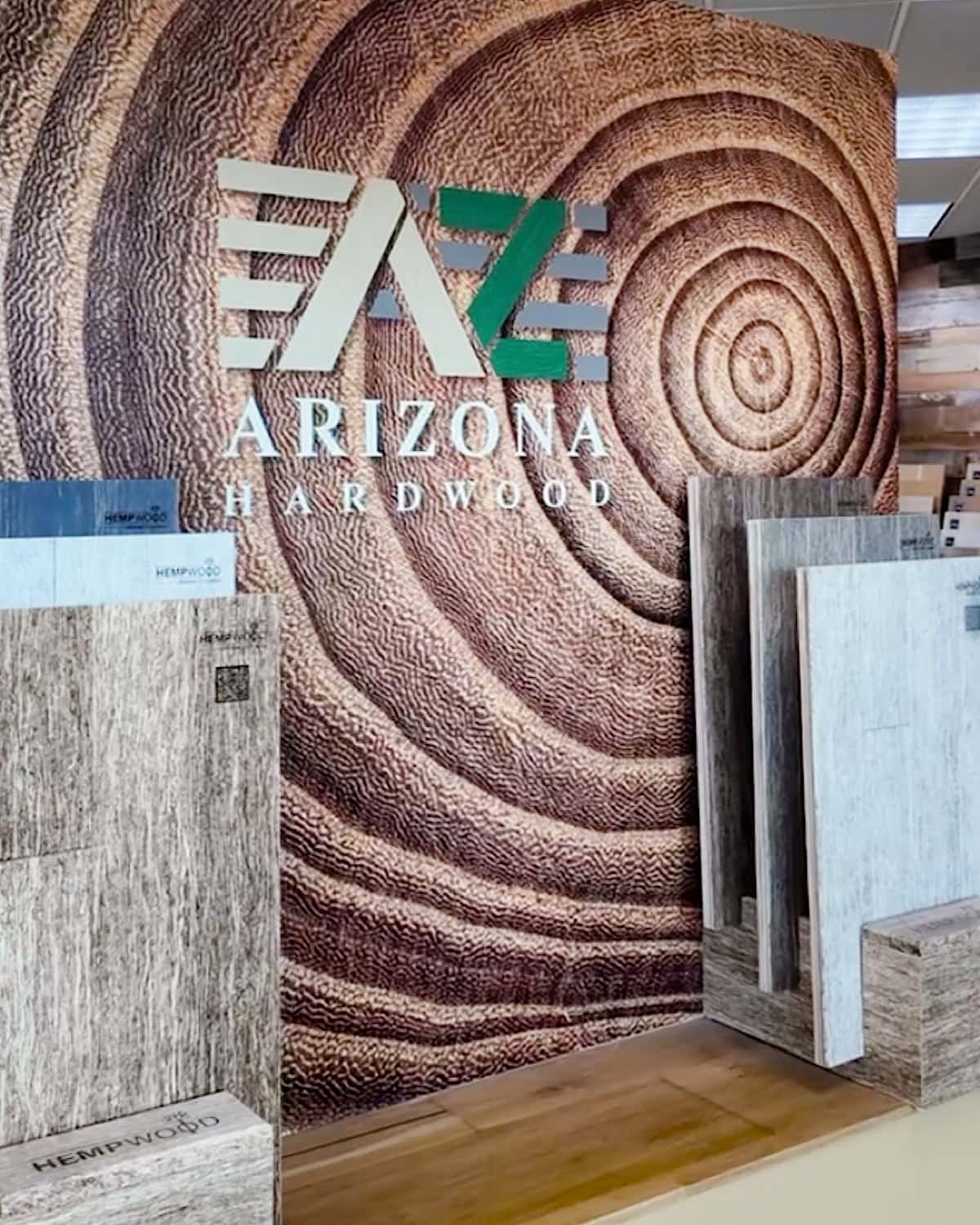
Luxury Vinyl Plank, or LVP, has become one of the most popular flooring choices in recent years due to its affordability, durability, and versatility. It’s designed to mimic the look of wood (and sometimes stone), and many brands do such a good job that you have to look closely to tell it isn’t the real thing. Unlike laminate, LVP is waterproof, which makes it a big selling point for families with kids, pets, or homes where spills are a daily occurrence.
Another thing people love about LVP is that it’s softer underfoot compared to tile, and it’s usually easier and more affordable to install than hardwood. It doesn’t scratch as easily, it can handle moisture, and it’s very low-maintenance.
The downside is it’s still not real wood. It doesn’t have the same long-term value, warmth, or authenticity as hardwood floors. You can’t sand and refinish it if it gets damaged, and depending on the quality, it can look a little more “manufactured” up close. So while LVP is a great practical option for durability and cost, for us, I still wanted the beauty and feel of true wood, which is why we didn’t go with it in our renovation.
4- Bamboo Flooring: Not Hardwood, But a Strong Eco-Friendly Alternative
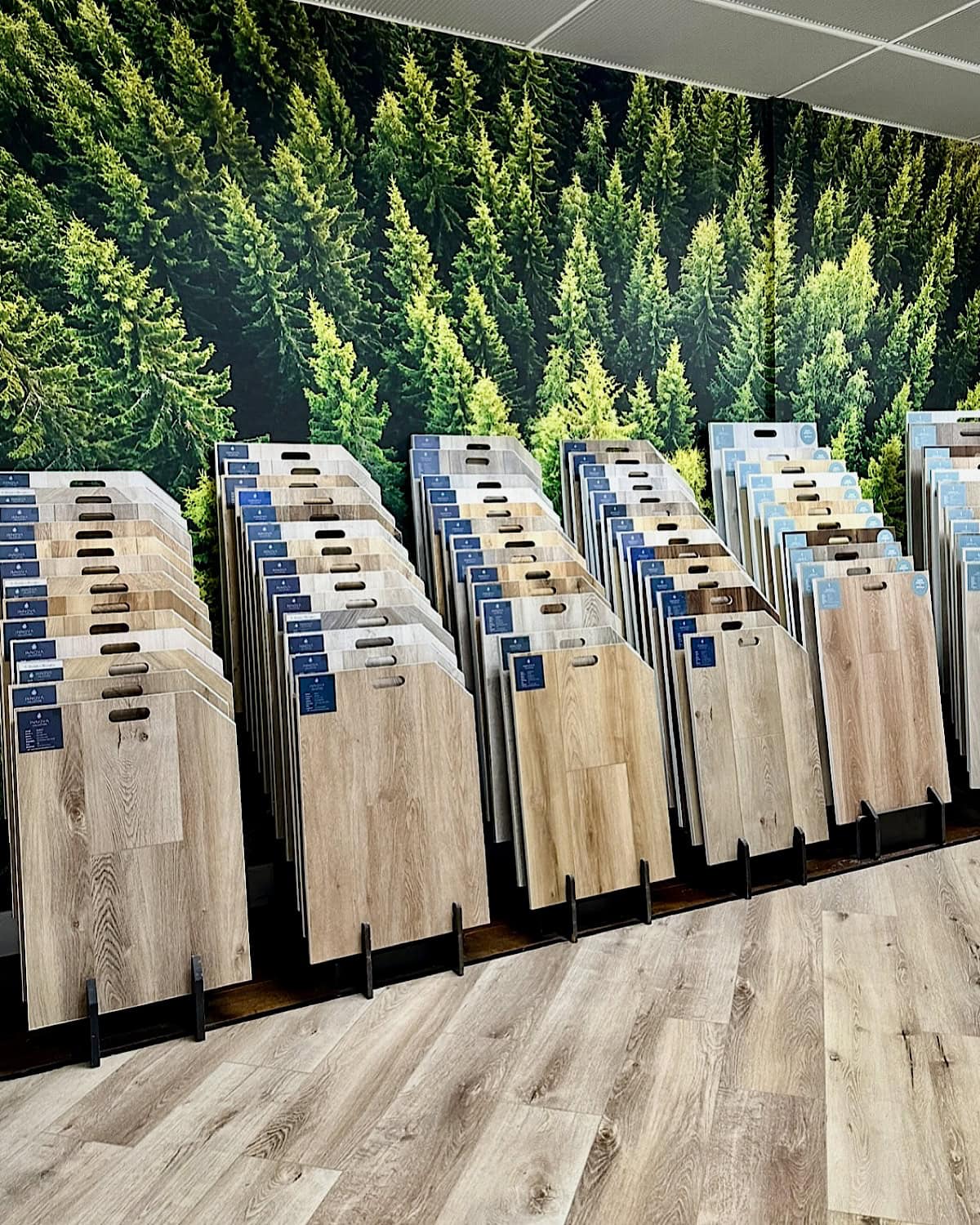
Bamboo flooring has become a popular option for people who want something eco-friendly and modern. Even though it looks and feels like wood, bamboo is technically a type of grass, which makes it a more sustainable choice since it grows back much faster than hardwood trees.
It’s durable, stylish, and available in different colors and finishes, so it can give you that same warm, natural look as wood floors. Bamboo is also harder than some types of hardwood, which makes it a solid choice if you want floors that can hold up to a busy household.
The downside is that bamboo can still scratch or dent, and depending on the brand, some options are more prone to water damage. While it’s a beautiful and environmentally friendly option, it might not be as forgiving as engineered hardwood or waterproof vinyl if you have kids spilling things daily.
5- Cork Flooring: Not Real Wood, But Warm and Eco-Friendly

Cork flooring is one of those options people don’t always think about right away, but it’s been gaining popularity for being comfortable, natural, and eco-friendly. It’s made from the bark of the cork oak tree, which means it’s a renewable resource and much more sustainable than many other flooring types.
What makes cork unique is the way it feels underfoot. It’s softer and warmer than hardwood or tile, which makes it really comfortable if you spend a lot of time standing or walking barefoot at home. It also naturally absorbs sound, which is a nice bonus if you want quieter rooms. On the other hand, cork can be more prone to dents and scratches, and it’s not always the best material for use with water. Spills can seep in if they aren’t cleaned up quickly, which makes it less ideal for kitchens, bathrooms, or laundry rooms. But for living rooms, bedrooms, or playrooms, cork can be a great option if you want something cozy, natural, and environmentally friendly.
6- Tile Flooring: Not Wood, But Waterproof and Durable
Tile flooring is another option some people use in living rooms, though it’s more common in kitchens, bathrooms, and laundry rooms. The big advantage of tile is that it’s basically worry-free when it comes to spills, water, and durability. You don’t have to stress about kids dropping juice or pets tracking in water because tile can handle it.
Wood-look tile has also become really popular. It’s made from porcelain or ceramic but designed to look like hardwood planks. From a distance, it can look very convincing, and it gives you the look of wood with none of the maintenance. The downside is that it doesn’t feel the same underfoot; it’s cooler, harder, and doesn’t have the warmth of actual wood.
Natural stone tile, like marble, travertine, or slate, can make a space feel really high-end and dramatic. Each piece is unique, so it adds a lot of character. But stone can be expensive, and it often needs sealing to keep it from staining or absorbing spills. So while tile isn’t the coziest choice for a living room, it’s one of the most durable options if you want something that will last forever and handle just about anything.
7- Carpet (Less Common, But Still an Option)
Carpet isn’t usually the first choice for living rooms anymore, but it’s still an option for people who want that extra comfort and warmth underfoot. It’s soft, cozy, and creates a relaxed feel in a space, which is why some families still prefer it, especially if they like the idea of kids being able to sprawl out and play on the floor.
The biggest drawback with carpet is maintenance. It stains easily, traps dust and allergens, and doesn’t have the same longevity as wood or tile. Even with regular cleaning, carpet can start to look worn out after a few years, especially in high-traffic areas.
That said, with today’s modern carpet designs, there are more durable and stain-resistant versions than in the past. If comfort is your top priority, or you like the warmth it adds, carpet can still be a reasonable choice for a living room. It just isn’t as popular as hardwood, engineered wood, or even vinyl because it doesn’t offer the same long-term durability.
Best Flooring Choices for Bedrooms
When it comes to choosing the best flooring for bedrooms, comfort and style are usually the top priorities. Some people love the timeless look of hardwood, while others prefer the cozy feel of carpet. Options like engineered hardwood and luxury vinyl plank offer a wood look with added durability, which can be particularly beneficial if you have children. Eco-friendly choices, such as bamboo and cork, are also worth considering if you want something unique and sustainable. Ultimately, the best flooring for bedrooms depends on whether you prioritize warmth, ease of maintenance, or long-lasting style.
Solid Hardwood
Recommended? Yes, but with some cautions.
Pros: Timeless, elegant, lasts for decades, can be refinished.
Cons: Scratches and dents are easily visible, which may be a concern if you frequently move furniture or wear shoes in the bedroom.
Engineered Hardwood
Recommended? Definitely.
Pros: Real hardwood surface, more stable than solid wood, less prone to warping, and wide plank styles available.
Cons: Can still scratch, usually only refinished once or twice, depending on thickness.
Laminate Flooring
Recommended? Sometimes (works for kids’ or guest bedrooms).
Pros: Budget-friendly, durable against scratches, easy to clean, and install.
Cons: Not real wood, doesn’t feel the same, can’t be refinished.
Luxury Vinyl Plank (LVP)
Recommended? Yes, especially for kids’ bedrooms or basements.
Pros: Waterproof, very durable, low-maintenance, soft underfoot.
Cons: Not real wood, lower resale value, can look less authentic up close.
Carpet
Recommended? Yes, if comfort is the top priority.
Pros: Soft, cozy, quiet, warm underfoot.
Cons: Stains easily, traps allergens, and shows wear faster than hard flooring.
Bamboo Flooring
Recommended? Yes, if you’re looking for eco-friendly and modern.
Pros: Sustainable, durable, stylish, unique look.
Cons: Quality varies by brand, can scratch, not great with moisture.
Cork Flooring
Recommended? Yes, for comfort and quiet spaces.
Pros: Soft, warm, renewable, absorbs sound.
Cons: Can dent or scratch, not ideal if the bedroom gets a lot of heavy traffic
Best Flooring Choices for Bathrooms and Laundry Rooms
When it comes to bathrooms and laundry rooms, water resistance is the most important factor. These spaces are exposed to moisture, spills, and humidity every day, so not every type of flooring will work here. Below are the best flooring options for bathrooms and laundry rooms, along with their key pros and cons.
Porcelain Tile
Recommended? Yes- the gold standard.
Pros: 100% waterproof, durable, endless styles (including wood-look).
Cons: Cold and hard underfoot, grout requires upkeep.
Ceramic Tile
Recommended? Yes- another classic choice.
Pros: Affordable, waterproof, easy to clean, available in many styles.
Cons: Can chip or crack more easily than porcelain, and is also cold underfoot.
Natural Stone (Marble, Slate, Travertine)
Recommended? Yes, for high-end bathrooms.
Pros: Luxurious, unique natural look, very durable if sealed.
Cons: Expensive, requires sealing, can be slippery, and cold.
Luxury Vinyl Plank (Waterproof LVP)
Recommended? Definitely — one of the most practical choices.
Pros: 100% waterproof, softer underfoot than tile, budget-friendly, looks like wood.
Cons: Not made of real stone or wood; may dent under heavy appliances.
Sheet Vinyl
Recommended? Yes, especially for laundry rooms.
Pros: Seamless, waterproof, affordable, easy to install.
Cons: Not as stylish or long-lasting as tile or stone, can dent or tear.
Concrete (Polished or Stained)
Recommended? Yes, for modern or industrial homes.
Pros: Waterproof, extremely durable, can be stained or polished for style.
Cons: Very hard, can feel cold, not forgiving if something drops.
Best Flooring Choices for Kitchens
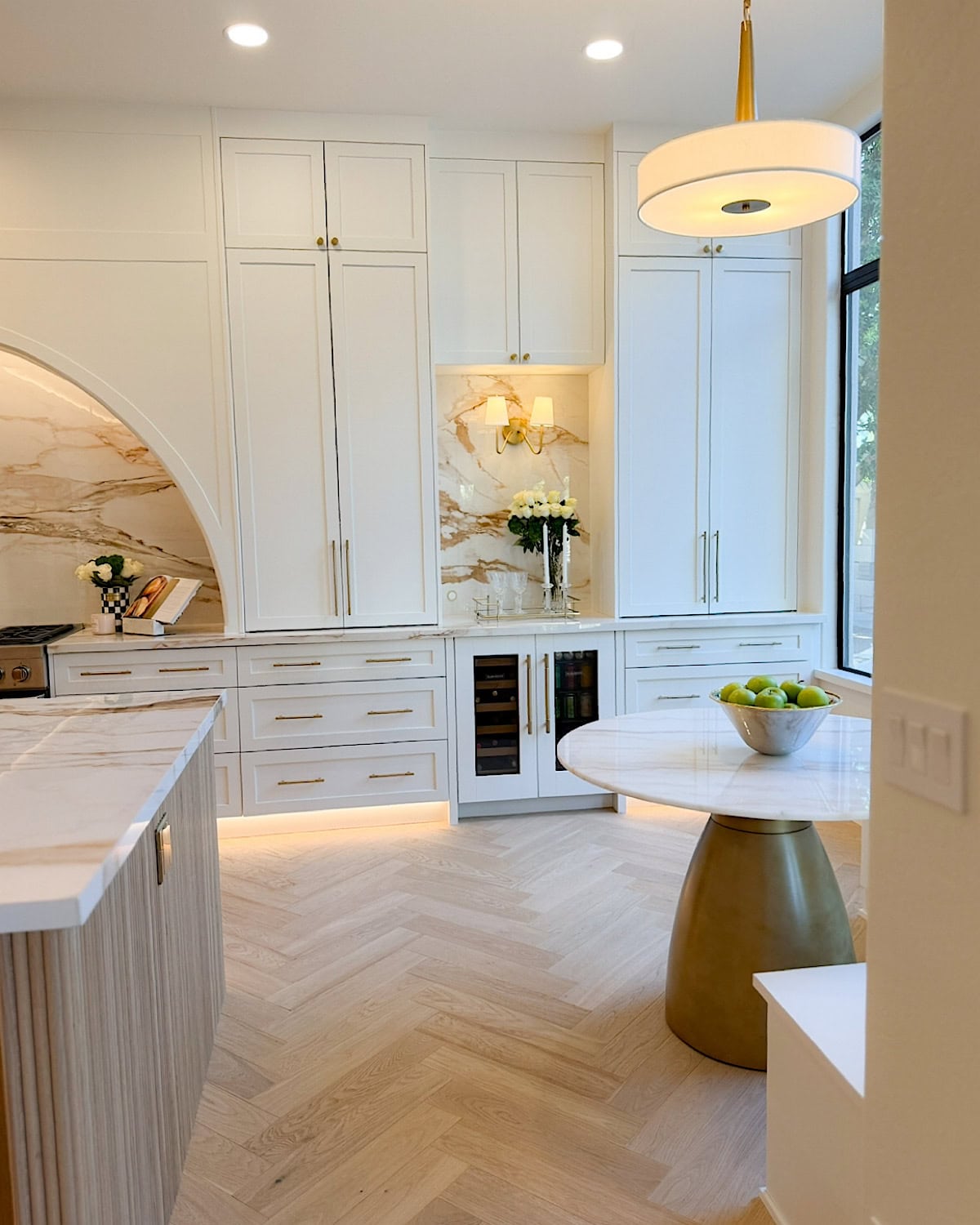
The kitchen is one of the busiest spots in the house, so the flooring here needs to be tough enough to handle spills, heavy foot traffic, and daily wear — while still looking beautiful. Here are the most common flooring options for kitchens, with their pros and cons:
Solid Hardwood
Recommended? Sometimes, if you want a seamless look into open spaces.
Pros: Warm, timeless, beautiful, adds value to your home.
Cons: Not water-resistant, scratches and dents easily, and needs regular upkeep.
Engineered Hardwood
Recommended? Yes- a better choice than solid wood in kitchens.
Pros: Real wood look with more stability, less prone to warping, can handle light moisture better.
Cons: Still not 100% waterproof, can only be refinished a limited number of times.
Laminate Flooring
Recommended? Not the best for kitchens, but possible.
Pros: Budget-friendly, scratch-resistant, looks like wood.
Cons: Very vulnerable to water damage, not ideal if spills are common.
Luxury Vinyl Plank (LVP)
Recommended? Definitely- one of the most practical kitchen floors.
Pros: Waterproof, durable, softer underfoot than tile, huge variety of styles.
Cons: Not real wood, can dent under heavy appliances.
Tile (Porcelain or Ceramic)
Recommended? Yes- a classic kitchen choice.
Pros: Waterproof, heat-resistant, comes in endless styles (including wood-look).
Cons: Hard and cold underfoot, grout can stain if not sealed.
Natural Stone (Marble, Slate, Travertine, Granite)
Recommended? Yes, for a high-end look.
Pros: Luxurious, durable, every piece is unique, adds value.
Cons: Expensive, requires sealing, can be slippery, hard, and cold.
Bamboo Flooring
Recommended? Sometimes, it depends on the quality and frequency of kitchen use.
Pros: Eco-friendly, stylish, looks like wood, fairly durable.
Cons: Sensitive to water and humidity, quality varies widely by brand.
Cork Flooring
Recommended? Yes, for comfort and sustainability.
Pros: Soft and warm underfoot, absorbs sound, and is eco-friendly.
Cons: Can dent and scratch, not fully waterproof (must be sealed).
Concrete (Polished or Stained)
Recommended? Yes, for modern or industrial kitchens.
Pros: Waterproof, extremely durable, can be stained or polished for style.
Cons: Very hard and unforgiving; can feel cold if something drops.
Final Thought
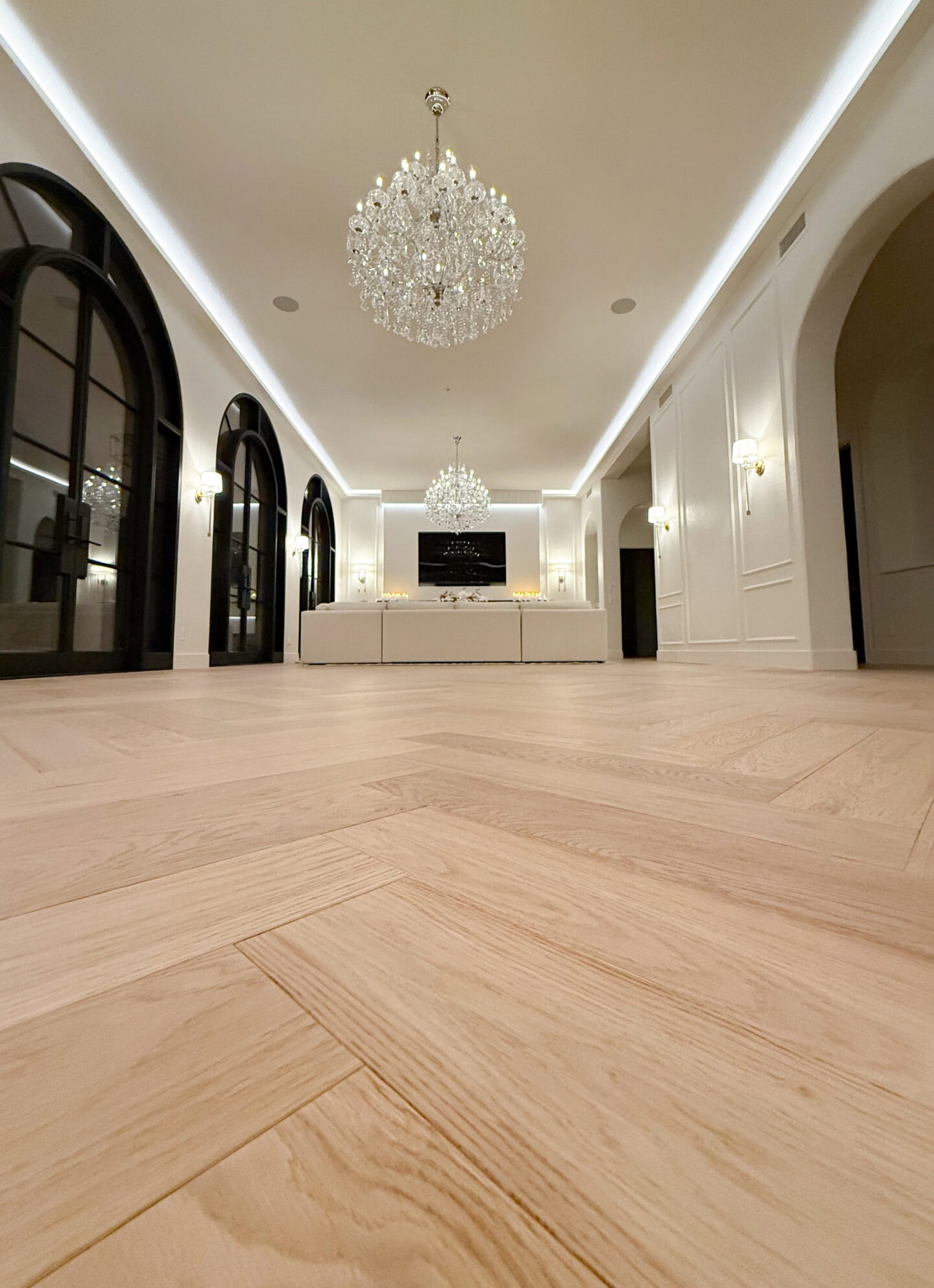
Honestly, after doing all this research and choosing the product that felt best for our house and family, I really think there’s no such thing as a one-size-fits-all floor. Every family is different. Some have pets running around, some have kids, some are single or just a couple, and others may even have specific medical needs to think about. All of that plays a huge role in deciding what’s right for your home.
For us, we went with what worked best for our lifestyle, but it’s so important to weigh the pros and cons of each flooring type before you decide. At the end of the day, the best choice is the one that makes your home both beautiful and practical for the way you actually live.
Love,
Sherry XOXO