
14 Essential Principles That Help Parents Raise Confident Kids
Raising confident kids requires intentional effort and thoughtful parenting. While it’s natural to want to shield your children from challenges, overprotection can sometimes undermine their independence and self-esteem. Parents who successfully nurture confidence in their kids often follow a set of guiding principles. Here are some of the key practices they embrace.
Model Self-Confidence

Children learn by example, so it’s essential you model confidence. It doesn’t have to be outright adventurous; you can set an example by affirming confidence in yourself and tackling situations with assurance. Seeing their parents tackle all sorts of situations without breaking a sweat will encourage children to do the same, so they’ll grow up courageous and confident.
Encourage Independence

You will get nowhere with confidence if your kids stay cooped up in the house, relying on you and your partner for everything. While handling responsibilities for our children is essential, it’s also important to encourage independence when they reach the right age. Start with small household chores and encourage doing things for themselves so they’ll grow up to be responsible and confident adults.
Teach Resilience

A big part of being confident is not taking no for an answer when it comes to failure. While it’s certainly unhealthy to dwell on failure, you should encourage your children to shape their failure into a step toward success. It’ll take some effort and time, but teaching resilience will make your kids mentally stronger, making them more confident than their peers.
Teach Accountability

Confidence isn’t only about finding the courage to do things; it’s mainly about finding the courage to do the right thing. It’s okay to make mistakes, but it’s never okay to let them slide without accountability. Children who grow up taking responsibility for their actions develop a keen sense of responsibility that enables them to approach things confidently.
Validate Their Feelings

As parents, it’s our responsibility to ensure our children feel appreciated and validated, but many parents disregard this. Children who grow up without feeling validated learn to normalize feeling under or unappreciated; in such circumstances, they never learn to explore things beyond their comfort zone because they’re afraid of showing potential. Always validate your children’s feelings, even if it’s momentary, to keep building their confidence.
Set Realistic Expectations

We all want our children to be the best at everything, but that’s hardly achievable because we’re all born with different potentials. Setting unrealistic expectations, like expecting perfection, only stresses children because they fall into a cycle of despair and self-disappointment if they fail. Setting realistic and achievable expectations is much more beneficial for a child’s confidence.
Encourage Curiosity

There’s no confidence without curiosity; if we’re not setting out to explore the world and find out the underlying meaning behind things, we won’t find areas to thrive. Curiosity is often seen as a bad thing, but it’s the one thing that keeps us motivated to explore an unfamiliar setting, so it’s best to encourage curiosity as much as possible in your children.
Let Them Take Risks

It’s not only being curious about unfamiliar scenarios that makes a person confident; it’s also having the courage to explore it at their own risk. While no parent wants their child to get hurt, taking risks is how we learn to explore beyond our comfort zone and truly become strong. Whether it’s running to the store by themselves (but with you keeping them silently in tow) or doing their own science project, taking risks will build confidence in your children.
Teach Positive Self-Talk

Self-affirmations are guaranteed to build a person’s confidence, even if they’re just a child. Encourage your children to talk positively to themselves about themselves; assure them that they’re capable of doing the things they desire, and they’ll learn to feel confident about themselves. A pep talk to yourself is also a great way to calm your nerves before doing something new.
Limit Comparisons

Comparison is the thief of joy. You might think you’re setting an example to model your child’s behavior, but comparing them to their peers will only bring them down. Comparisons not only make children feel inadequate, but they also begin to question their abilities. This lowers their self-esteem, and they subconsciously struggle to achieve even basic milestones, so you don’t compare your children to others.
Expose Them To New Experiences

Parents are often afraid to expose their children to unfamiliar circumstances and experiences because they don’t want them to get hurt or heartbroken. But if you actively prevent your children from new experiences, you’re directly interfering with their chances to be bold and confident. Encourage them to take risks by exposing them to new experiences, even if you’re unsure.
Encourage Decision-Making
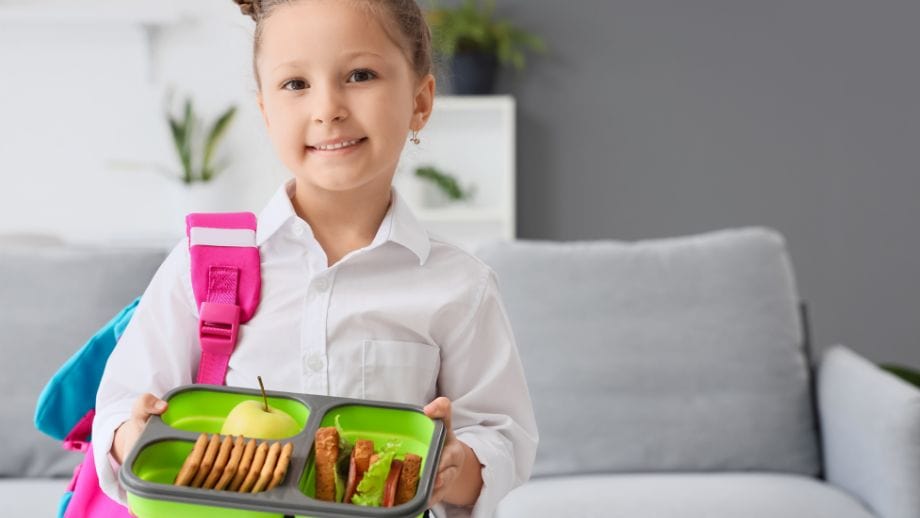
Empowering children to make decisions is crucial for developing confidence and critical thinking skills. When kids make their decisions, they learn about consequences and build problem-solving abilities. Moreover, as kids gain more control of their lives, they learn valuable lessons from both successes and mistakes. This teaches them to trust their judgment and develop the confidence to make more complex decisions as they grow older.
Lead by Example in Self-Care

No parent wants their child to lead an unhealthy lifestyle, but ask yourself, what example are you setting for them as a parent? Parents who prioritize self-care demonstrate to their children the importance of personal well-being. By openly practicing healthy habits like regular exercise, maintaining boundaries, managing stress, and pursuing personal interests, parents show that taking care of oneself is not selfish but essential.
Provide Constructive Boundaries

Thinking parents and children can’t have boundaries is a big misconception. But there’s a fine line between constructive boundaries and helicopter parenting. Constructive boundaries teach children responsibility and accountability, so while they take risks, they also learn about culpability and consequences. The lack of boundaries creates overconfidence, which actively interferes with a child’s development.
More For You

While parents teach us many valuable lessons, there are some things they might not have covered. From handling money to personal growth, these are lessons you usually learn on your own. Here are a few important things your parents probably didn’t teach you.
This article was first published on the RB ITALIA Blog.