
15 Kitchen Remodel Mistakes You’ll Regret Later
Before we started our kitchen remodel, I spent months researching kitchen design ideas, saving interior design inspiration, and talking to people who had already remodeled their kitchens.
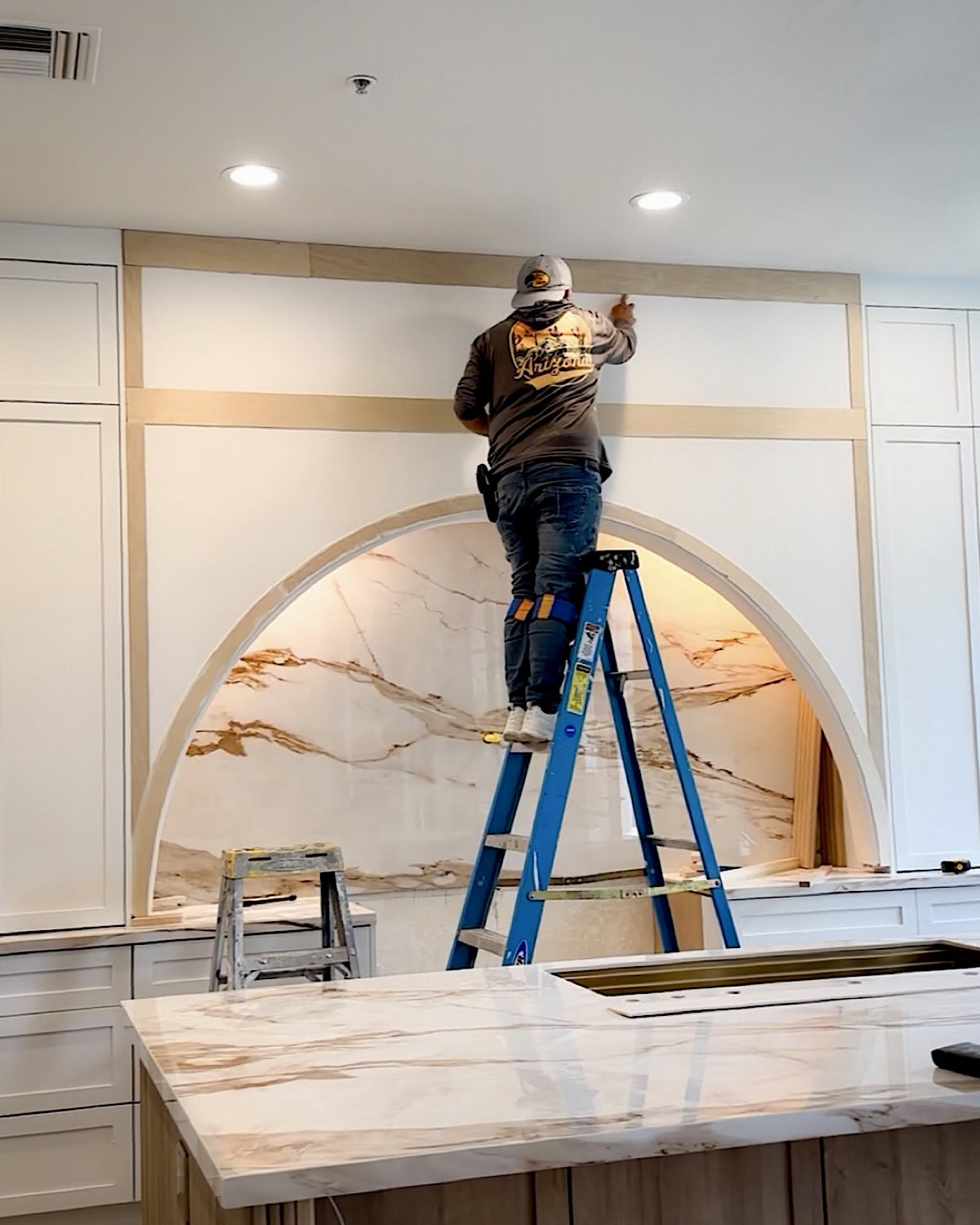
Even then, I knew kitchen remodel mistakes can happen when you think you’ve done everything right, something we learned from our own past remodels. We paid extra attention to homeowners who openly shared the design mistakes they wished they had avoided, especially ones that didn’t seem like a big deal at the time but ended up bothering them for years.
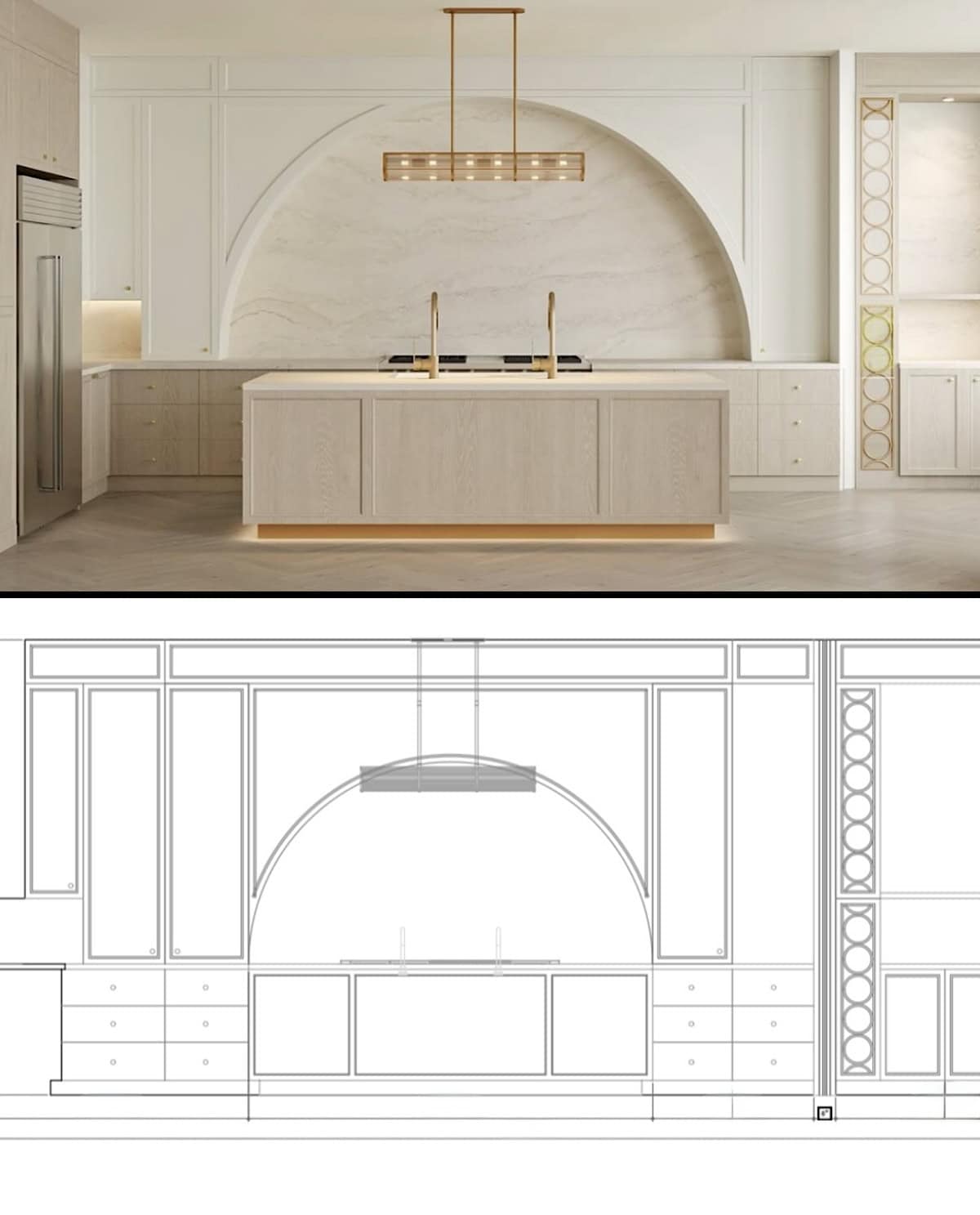
When it came to our new kitchen, I really wanted to slow down and think through every decision. Kitchen design mistakes can be expensive, permanent, and hard to undo once everything is installed.
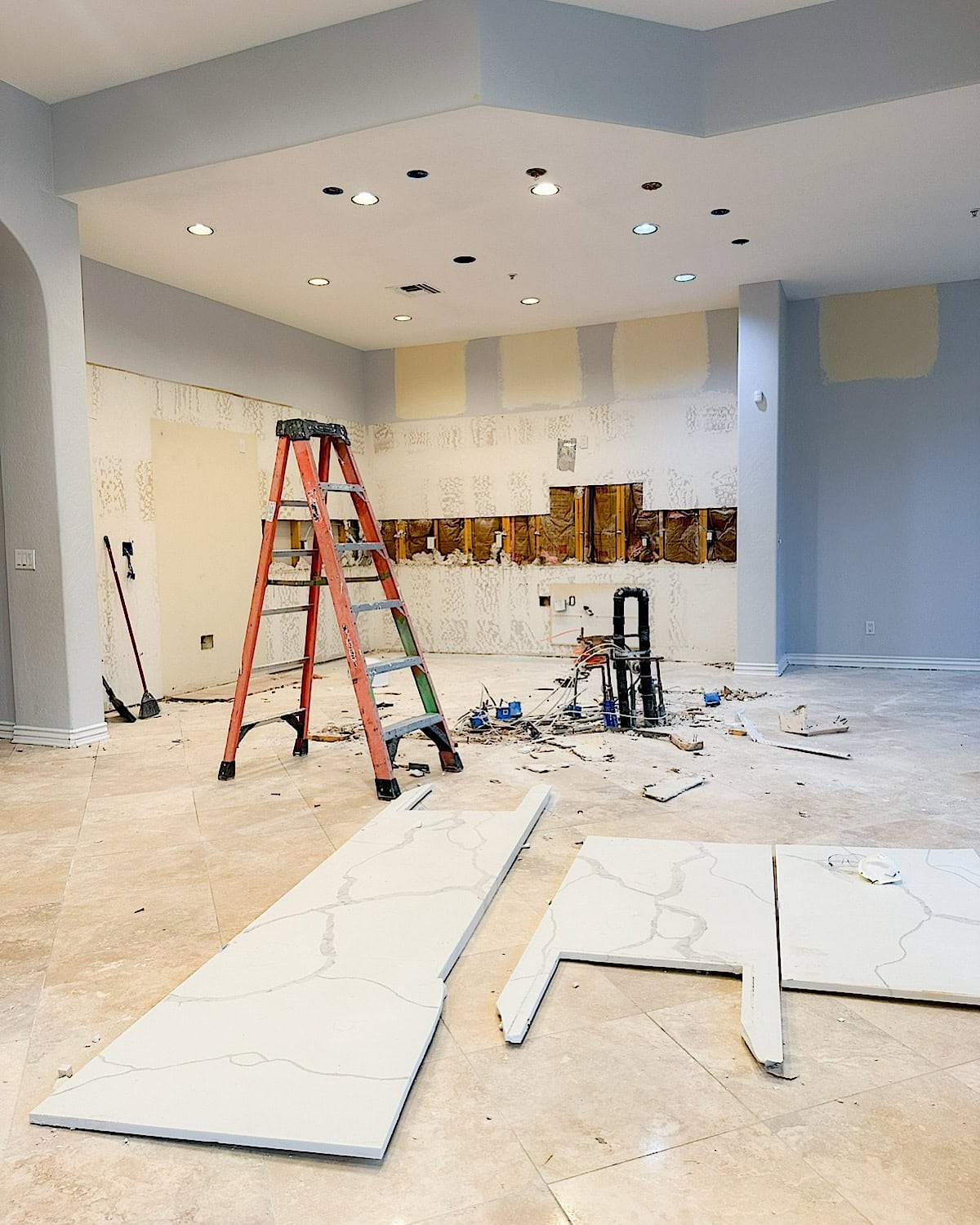
I’m sharing these common kitchen mistakes not as a designer, but as someone who’s been deep in the kitchen reno process and learned how quickly small choices can turn into big regrets. If you’re planning a kitchen remodel or even just thinking about remodeling your kitchen in the future, I hope this helps you make choices you’ll feel good about years from now.
1- Choosing Trendy Over Timeless Designs
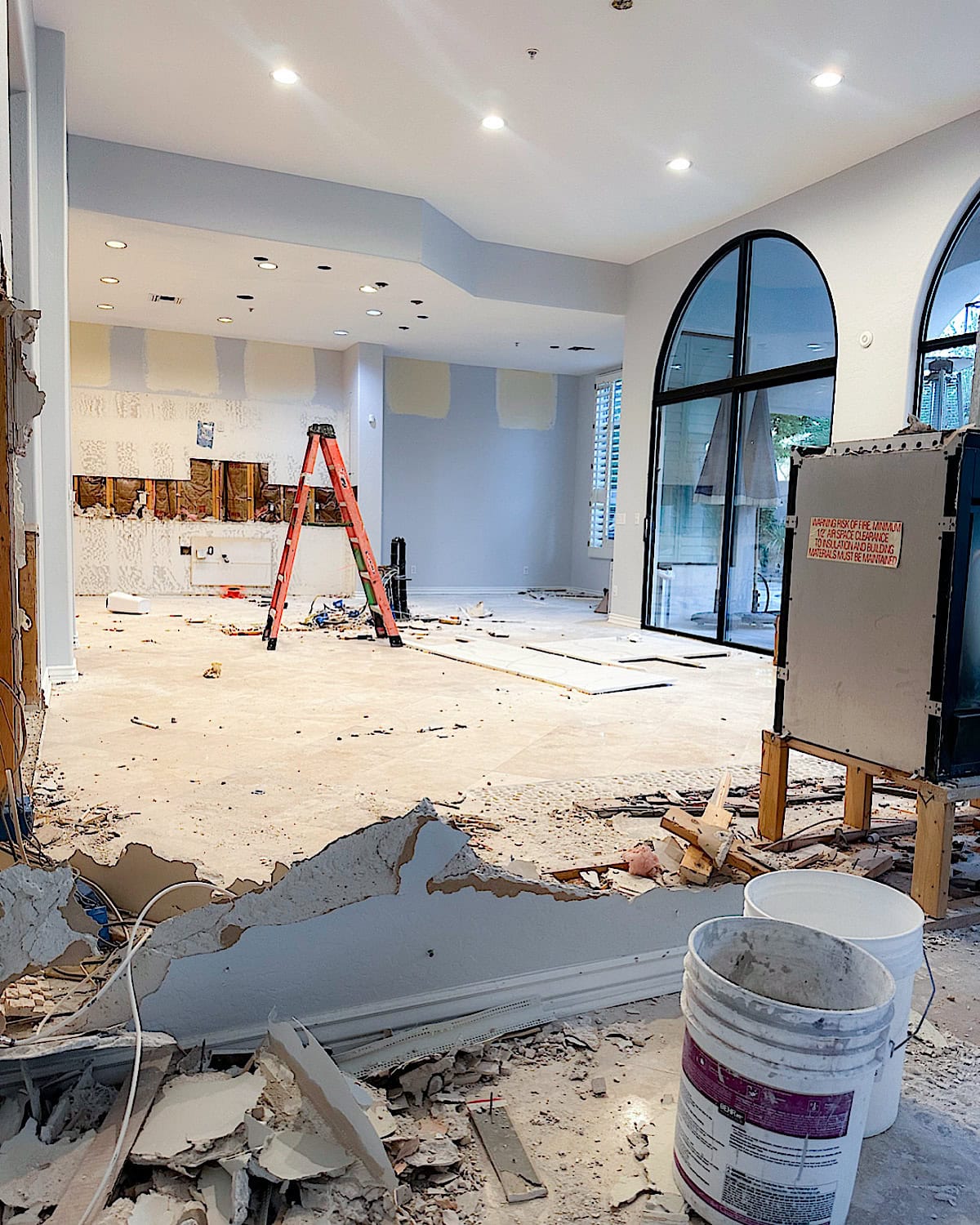
When you’re in the middle of a kitchen remodel, everything online looks amazing. Every kitchen design photo feels fresh, modern, and exciting, and it’s easy to want what everyone else has right now. One thing I kept reminding myself during our kitchen remodeling process was how fast trends change, especially in kitchens.
Some design trends look great for a year or two, but after that, they can start to feel dated. Since a kitchen is such a major part of your home, constantly updating cabinets, paint, or finishes just isn’t realistic. That’s why I leaned more toward timeless kitchen design choices, neutral colors, classic cabinets, and finishes that would still look good years from now. You can always update decor, accent lighting, or small appliances later, but changing kitchen cabinets or countertops is a whole different level of cost and work.
2- Not Thinking Enough About How the Kitchen Actually Flows
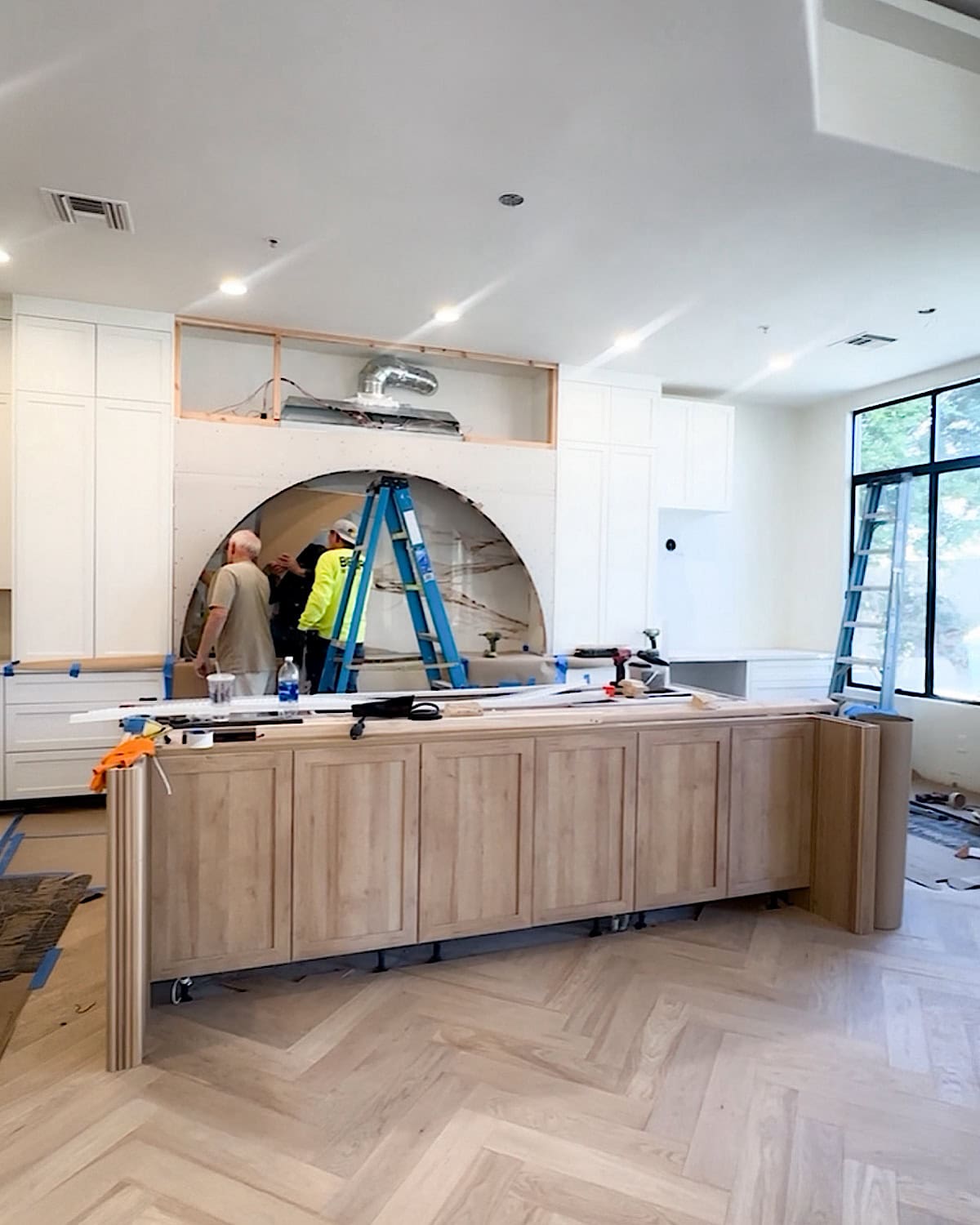
This is one of the most common kitchen design mistakes, especially during a kitchen remodel. A layout can look beautiful, but if it doesn’t work well, you feel it every single day. We made this mistake in our last remodel, so this time we were very intentional about not repeating it. We spent a lot of time thinking about how we actually move through the kitchen, where food preparation happens, where appliances are placed, and how often we walk between areas.
If the sink, stove, and fridge aren’t positioned well, everything looks and feels off. Even having too little countertop space near appliances can make cooking feel harder. Good kitchen design isn’t just about how the room looks; it’s about how it works for real life.
3- Picking Flooring Without Thinking About Everyday Life
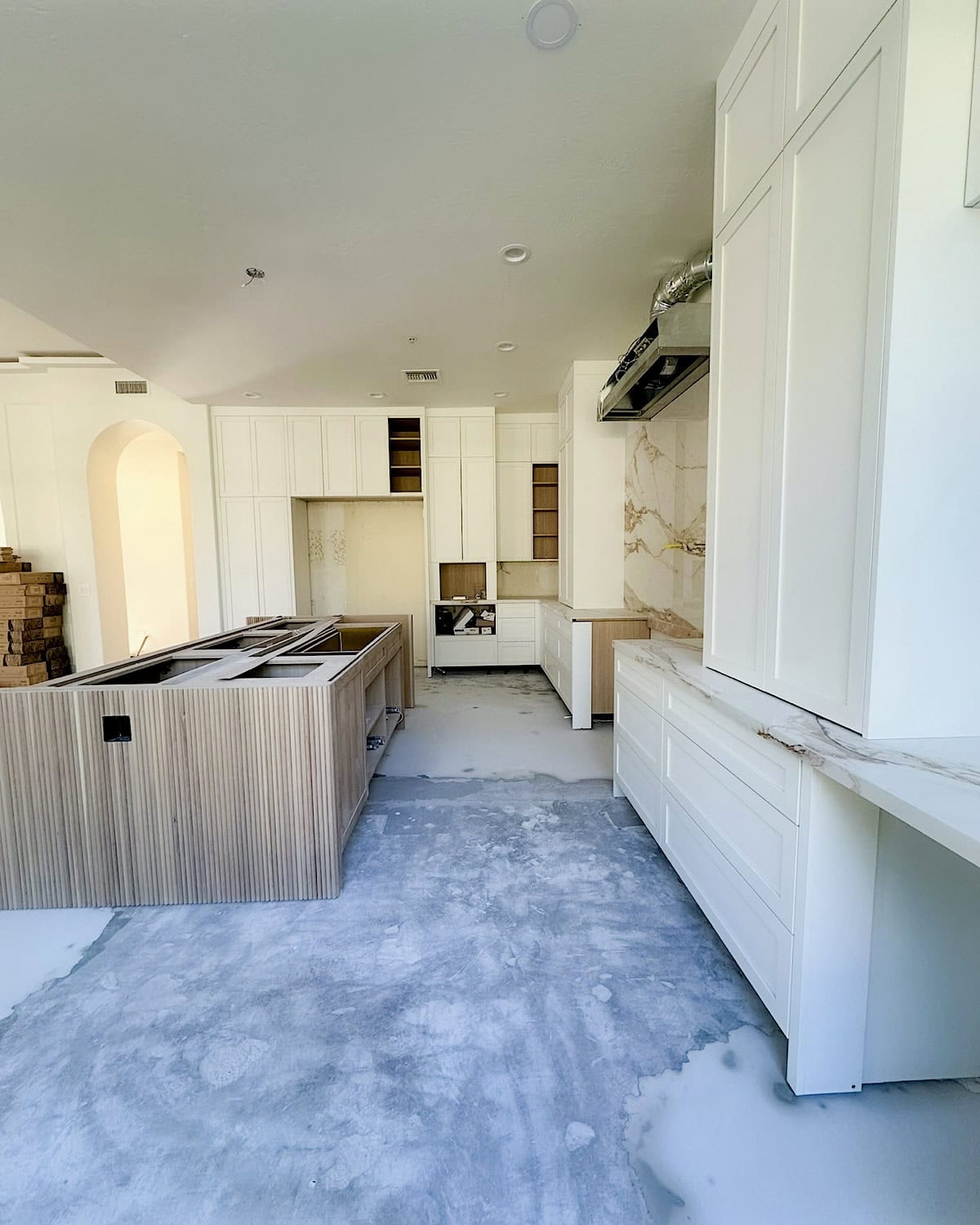
Kitchen floors take a lot of wear and tear. Between spills, dropped dishes, constant foot traffic, and kids running through the house, the flooring needs to hold up. One kitchen remodel mistake I see a lot is choosing flooring just because it looks good in photos.
In our previous kitchen, we had travertine, and honestly, real stone was the worst choice for a kitchen. Because it’s a natural stone, it’s porous, so it absorbs spills easily, and it also cracks much more easily if you drop something heavy, even by accident. We learned that the hard way.
This time, we wanted the kitchen flooring to feel consistent with the rest of the house, especially since our kitchen and living room connect. We went with the same hardwood look but chose engineered wood in the kitchen area. It’s still real wood, so spills need to be cleaned up quickly, but it holds up better than stone and makes the space feel more cohesive. The big takeaway for me: whatever flooring you choose, make sure it’s something you won’t regret living with every single day.
4- Not Planning Enough Storage From the Start
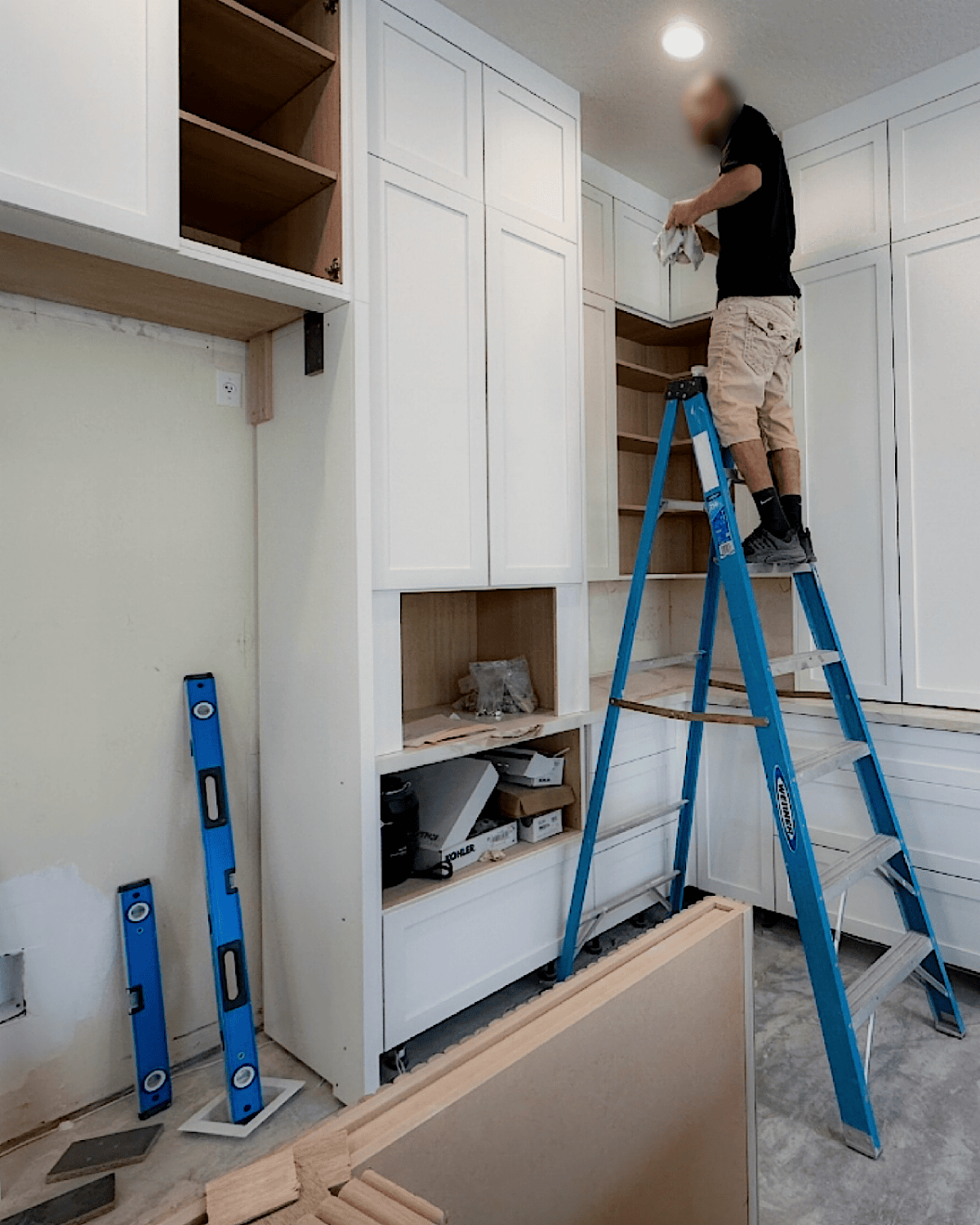
You truly can’t have too much storage in a kitchen. One of the biggest kitchen design mistakes people talk about after remodeling is not planning enough cabinet space. I kept asking myself where everything would actually go: pots, pans, small appliances, pantry items, and everyday kitchen tools.
If storage isn’t planned properly, countertops get cluttered fast, and the kitchen never feels calm or functional. Deep cabinets, smart cabinet organizers, and thoughtful storage solutions make a huge difference. Even in a smaller space, good cabinet planning can completely change how usable the kitchen feels.
For me, storage was something I really wanted to get right this time. We made sure our cabinets and drawers are deep, easy to access, and all soft-close. A lot of our pots and pans are wider and heavier, and having deeper drawers makes such a difference. You can actually see everything instead of digging around or reaching way into the back of a cabinet.
I’m a big fan of drawers in kitchens, and honestly, there’s a reason everyone loves them. Cabinets can be such a pain to get into, especially when things are stacked in the back. Drawers are just easier—you pull them out, everything is right there, and nothing gets lost. Soft-close is also a must in my opinion, because it helps prevent damage and just makes the kitchen feel more solid and well-thought-out.
5- Not Thinking Through Kitchen Lighting
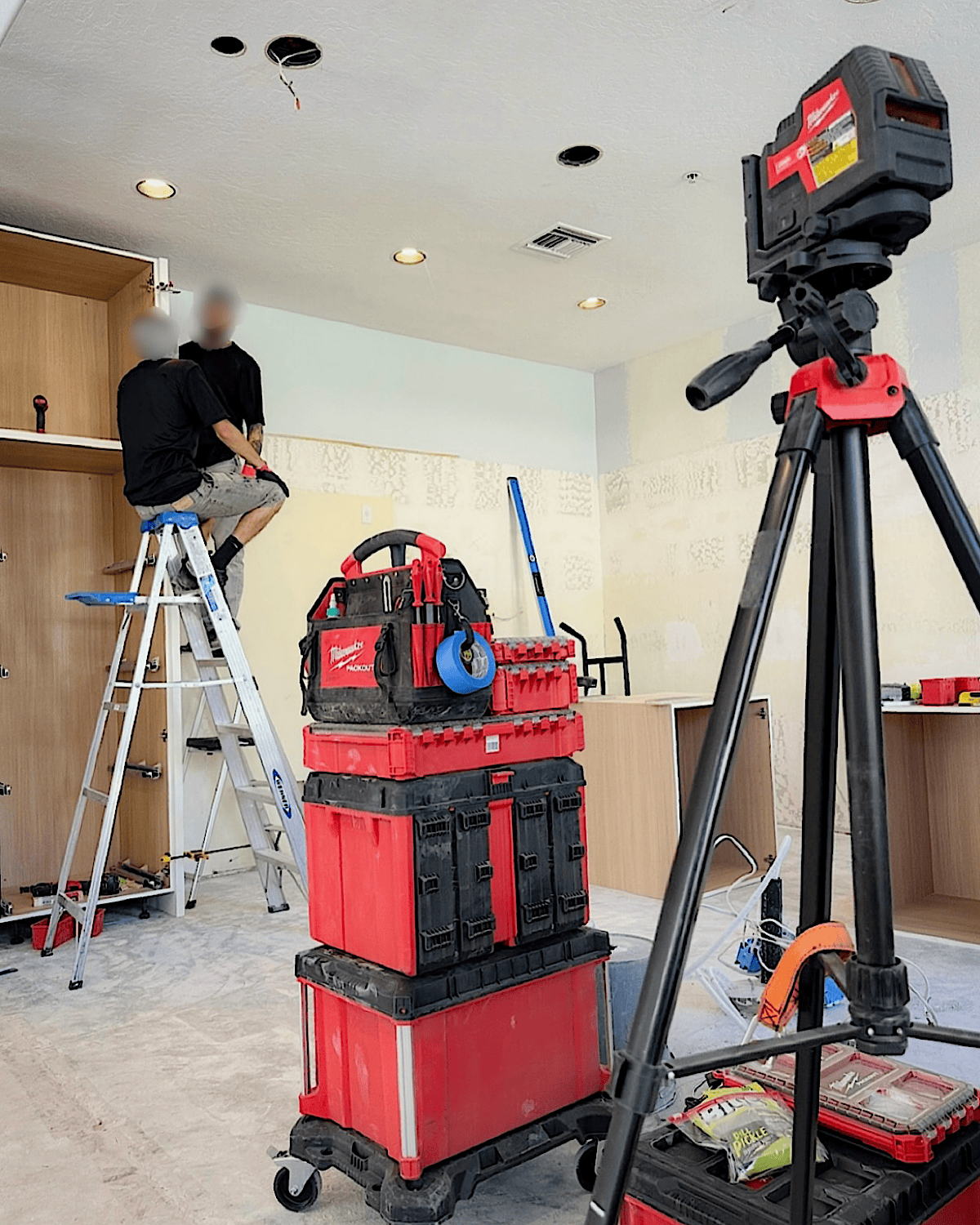
Lighting is one of those things people don’t always think about enough during a kitchen remodel. One overhead light isn’t enough, especially if you spend a lot of time cooking or working in the kitchen. I wanted lighting that worked for food preparation, cleaning, and everyday life, without making the space feel harsh.
Accent lighting, under-cabinet lighting, and softer overhead lighting help the kitchen feel warm and inviting. Once you have good lighting, you realize how important it is to good interior design and how much it affects the overall feel of the room.
6- Choosing Looks Over What Actually Works
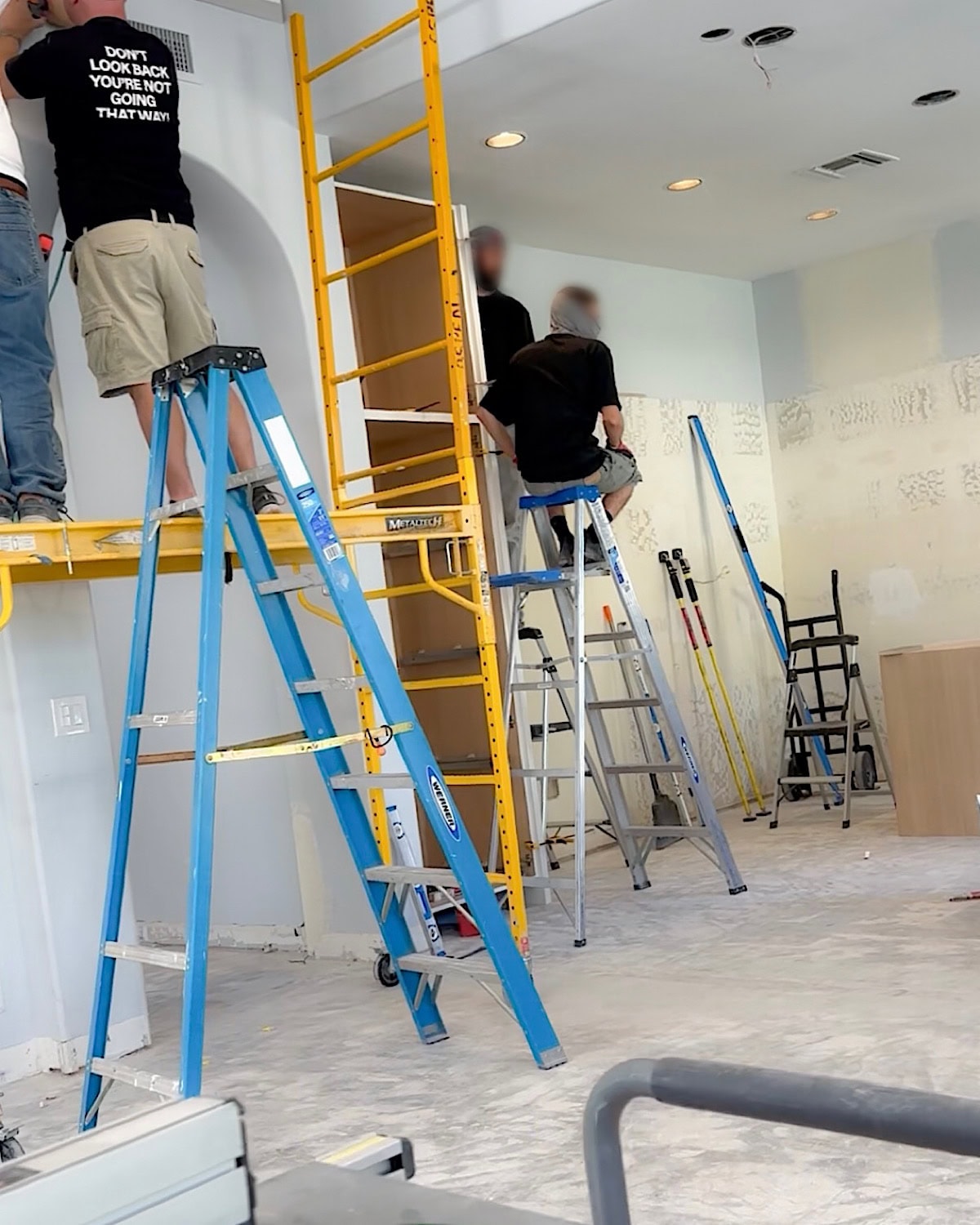
This is where I see many kitchen design mistakes happen. Something can look absolutely beautiful in a photo, but then become frustrating to use every single day. Think of stools that look great but aren’t comfortable to sit on, faucets that look sleek but splash everywhere, or appliances that don’t really fit how you cook or move around the kitchen.
It’s easy to fall in love with how something looks without fully thinking through how it functions. But when you’re in the kitchen daily, cooking, cleaning, packing lunches, or grabbing snacks, those little annoyances add up fast. That’s why I kept reminding myself that a kitchen isn’t just a showpiece, it’s a working space.
If something doesn’t work well or makes daily tasks harder, it’s probably not worth it in the long run, no matter how nice it looks. A well-designed kitchen should support how you actually live, make everyday routines easier, and feel comfortable to use, not just look good.
7- When the Kitchen Doesn’t Match the Rest of the House
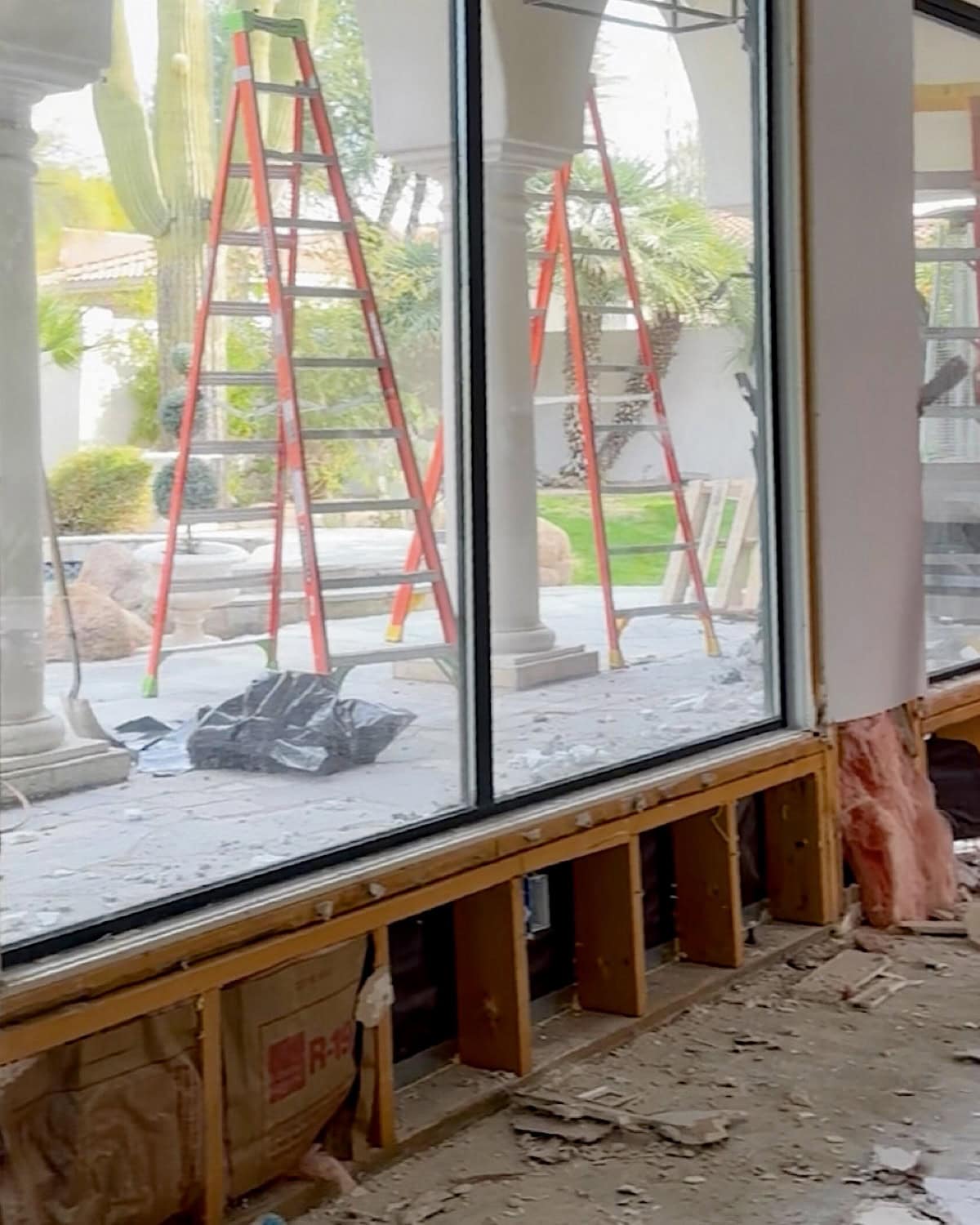
Your kitchen should feel like it belongs in your home, not like it was dropped in from another house. Bold colors, statement cabinets, and eye-catching designs can look amazing and work well in many homes. But when a kitchen is wide open to the living areas, it can feel too different, making it feel disconnected. Keeping some consistency in flooring, finishes, or overall style helps everything flow more naturally from room to room, so the kitchen feels intentional rather than separate.
A lot of people go back and forth on this, especially when it comes to flooring, cabinet colors, and bold patterns. It’s very tempting to go all out and make the kitchen look completely different from the rest of the space, and with so many trendy kitchens right now, that makes total sense.
8- Ventilation Matters More Than You Think
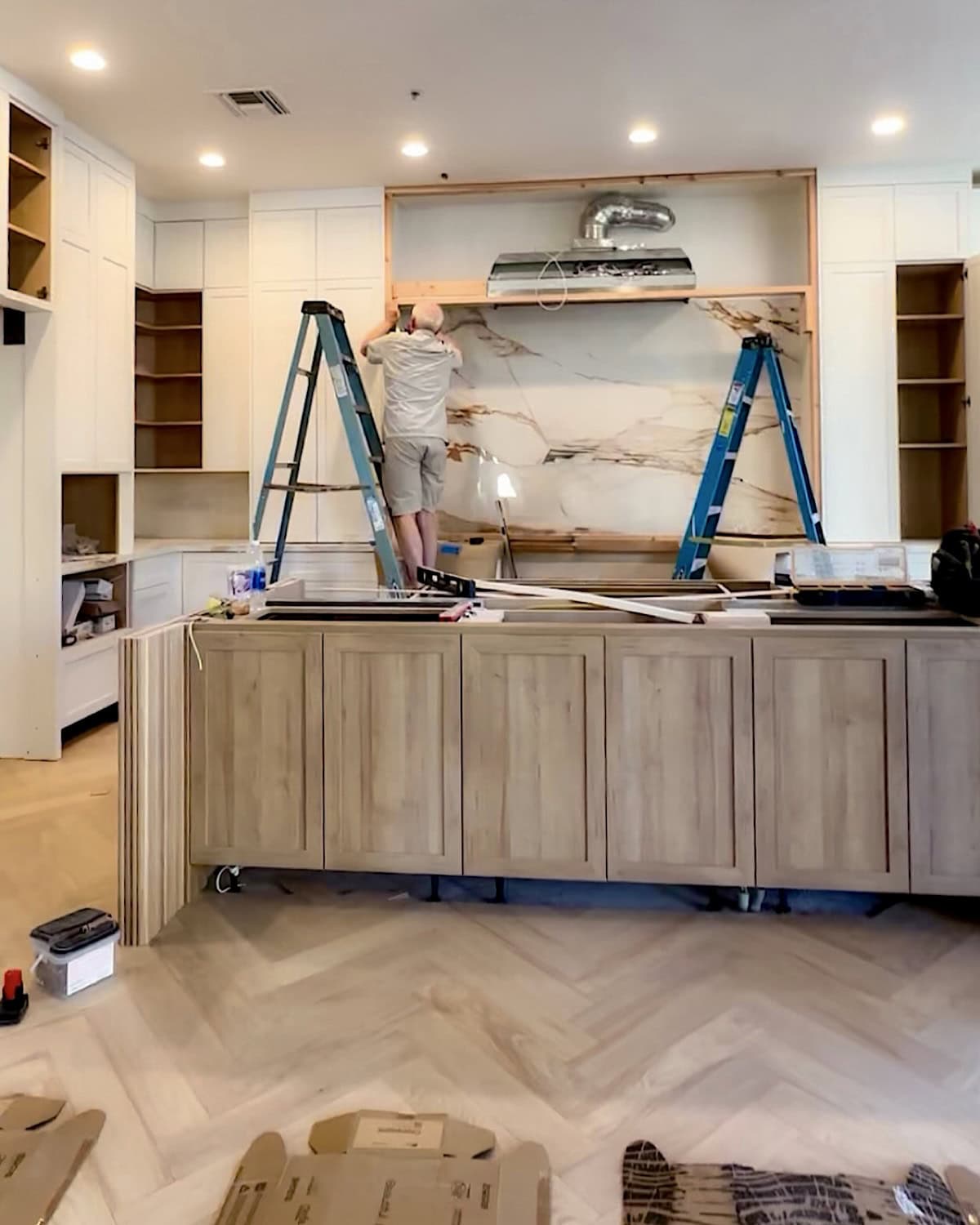
Ventilation isn’t glamorous, but it matters so much in a kitchen. Cooking smells, heat, and grease build up quickly if you don’t have the right setup. I’ve been in kitchens where smells linger for days, and that’s not something you want in your home.
A good ventilation system helps keep the kitchen feeling fresh and protects cabinets, walls, and surfaces over time. This is one of those behind-the-scenes kitchen remodeling decisions that really pays off in the long term.
9- Thinking the Budget Will “Probably Be Fine.”
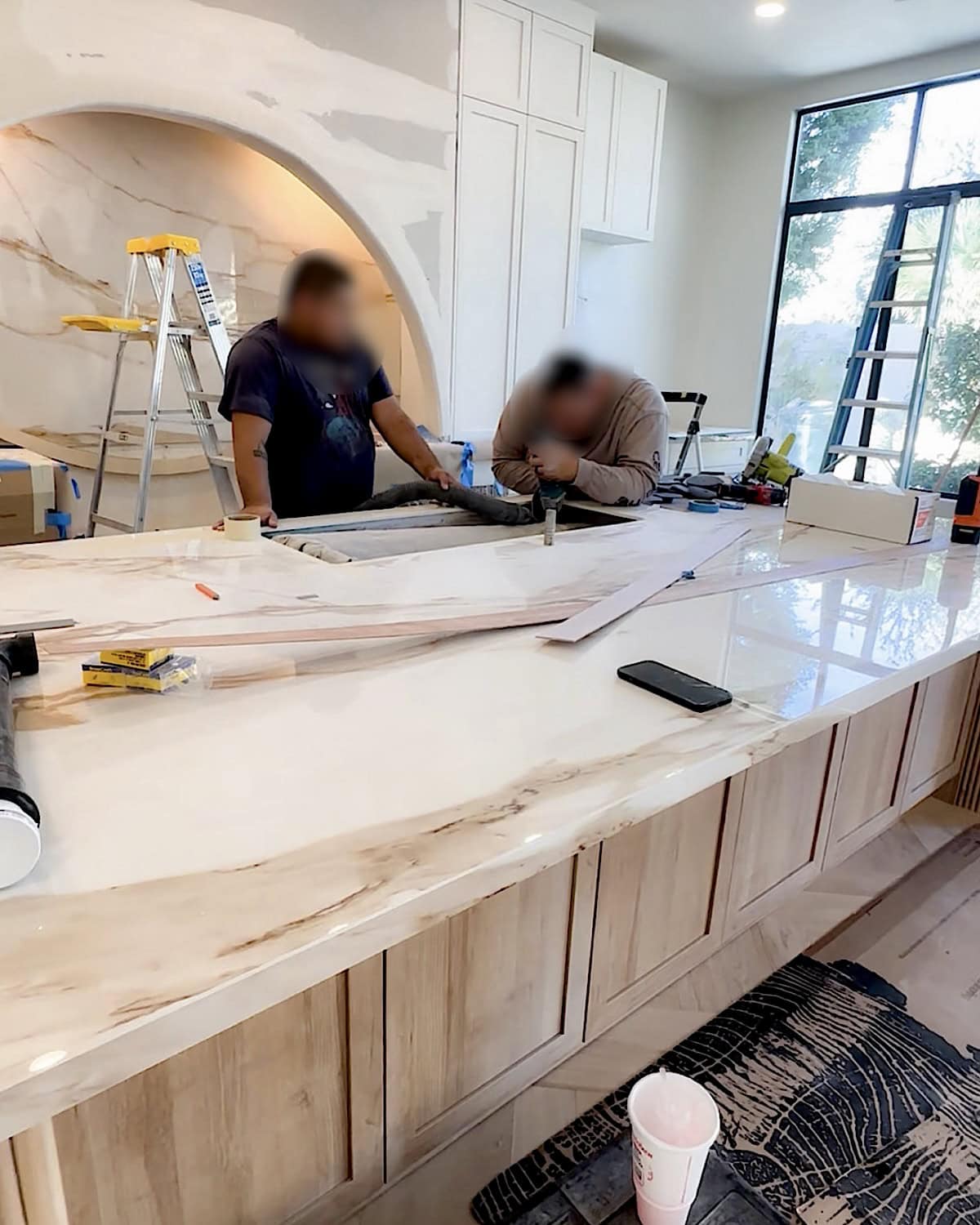
Almost everyone underestimates the cost of a kitchen remodel. It’s easy to focus on big items like cabinets and appliances and forget about all the smaller costs that add up, such as electrical work, plumbing, lighting, and finishing details.
We tried to be realistic from the beginning and leave room in the budget for surprises, because they always come up. Giving yourself financial breathing room makes the entire remodeling process less stressful and helps you avoid rushed decisions later.
10- When Colors Don’t Work Together Like You Expected
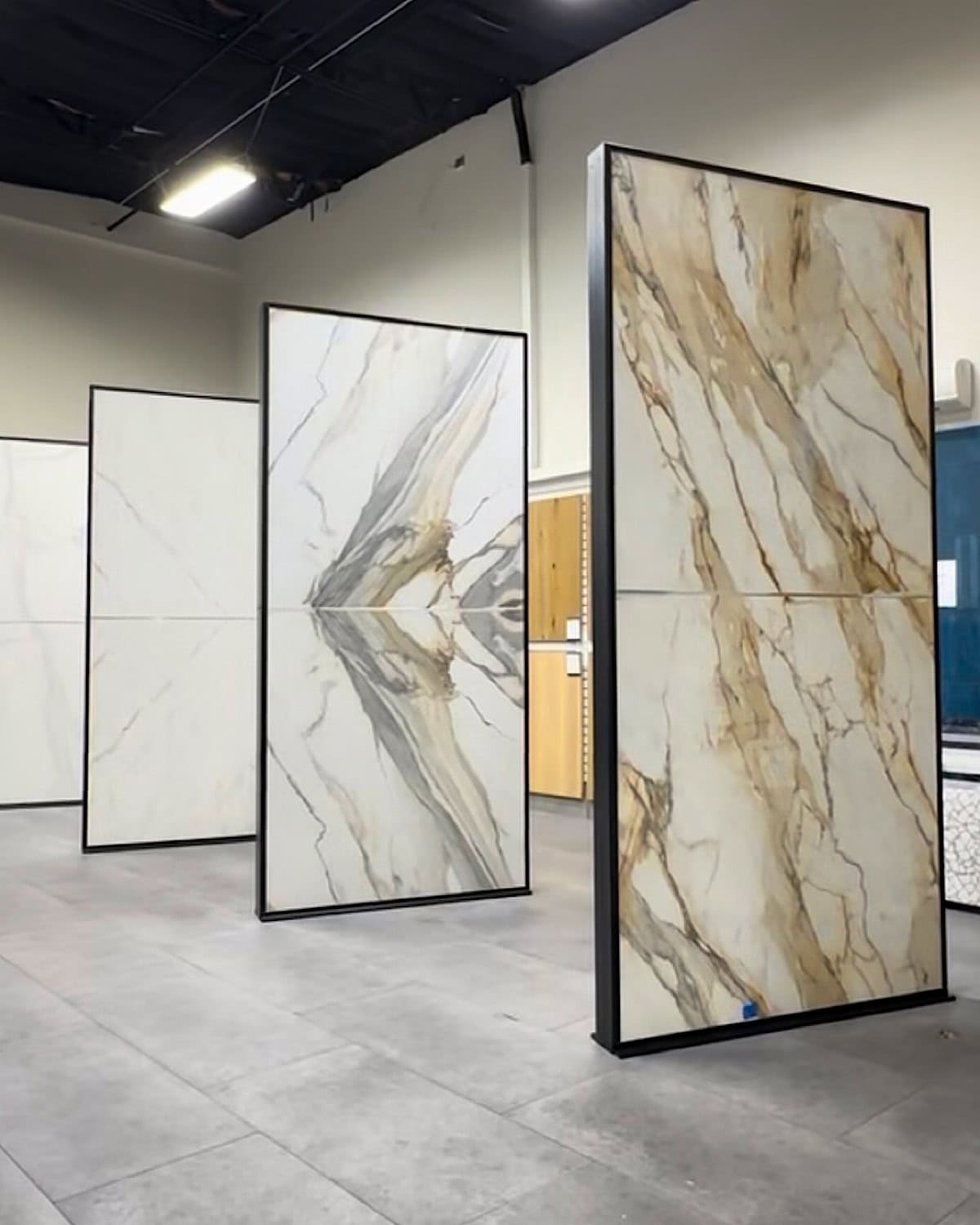
Paint colors and finishes can look completely different once everything is installed and the lighting changes, something many people don’t realize until it’s too late. A color that looks perfect on a small sample or in a showroom can feel much darker, warmer, or busier once it’s covering cabinets, walls, and countertops in a full kitchen.
That’s why it’s important to think about how all the colors and finishes work together as a whole, not just individually. When too many bold colors or contrasting finishes are combined, the kitchen can feel overwhelming rather than inviting.
Neutral colors give you more flexibility and make it easier to live with the space long term, and you can always add personality later through decor, accessories, or even seasonal touches. When colors are chosen thoughtfully and with lighting in mind, the kitchen feels calm, cohesive, and timeless, something you’ll enjoy looking at and living in every single day.
11- Designing a Kitchen That Doesn’t Fit Your Real Life
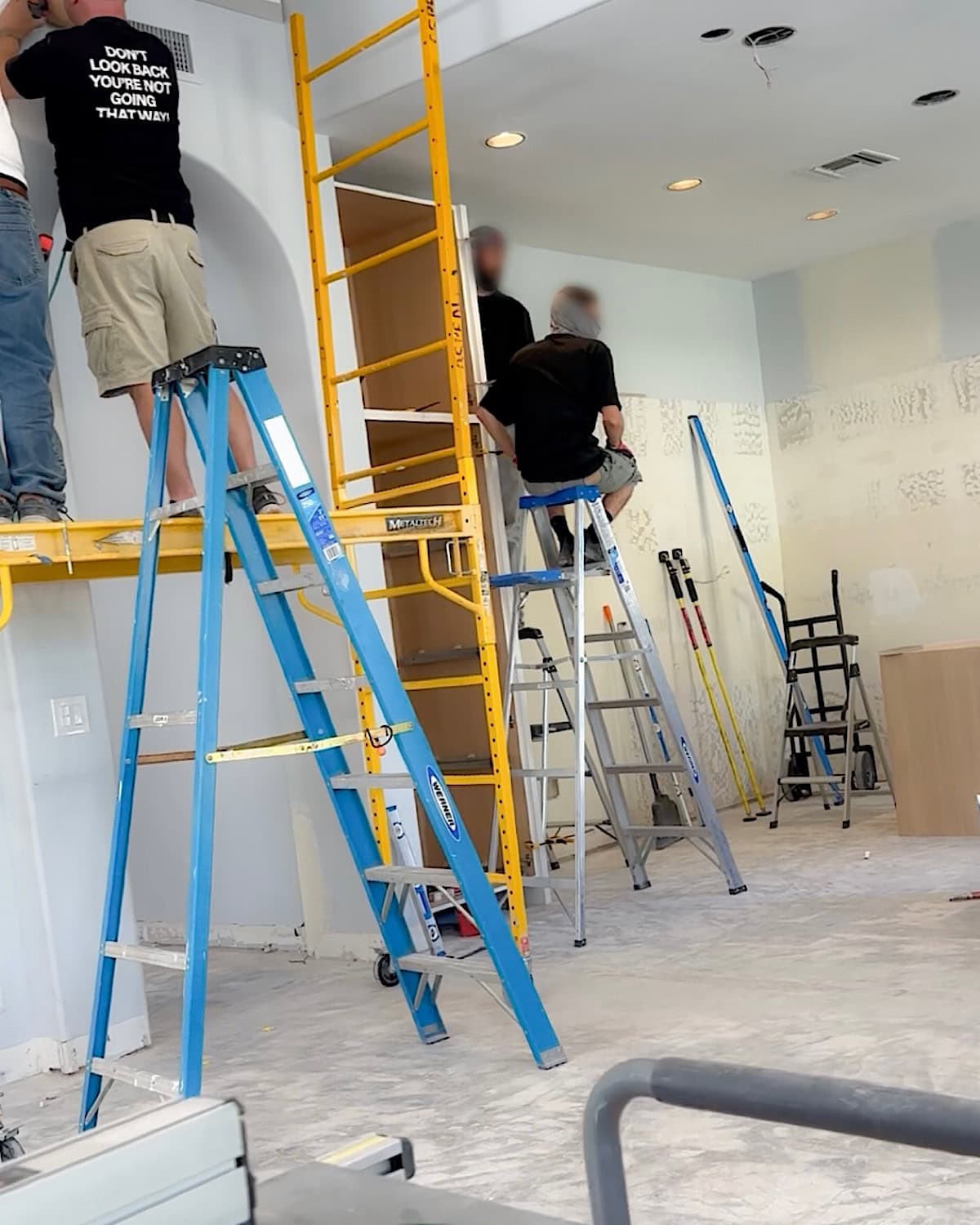
Every household uses the kitchen differently, which is why it is so important to consider this before making design decisions. Kids, entertaining, busy mornings, and everyday routines all play a role in how a kitchen should function. A kitchen design that works perfectly for one family might feel completely impractical for another.
That’s why it helps to think beyond how the kitchen looks and focus on how it’s actually used day to day. Things like how often you cook, whether you entertain, where kids do homework or grab snacks, and how much storage you really need all matter more than people realize. When these details aren’t considered, the kitchen can feel inconvenient or hard to use, even if it looks beautiful.
When a kitchen is designed around your real lifestyle, everything feels easier and more natural. The space works with you instead of against you, making everyday tasks smoother and the kitchen a place you actually enjoy spending time in.
12- Trying to Do Everything Too Fast
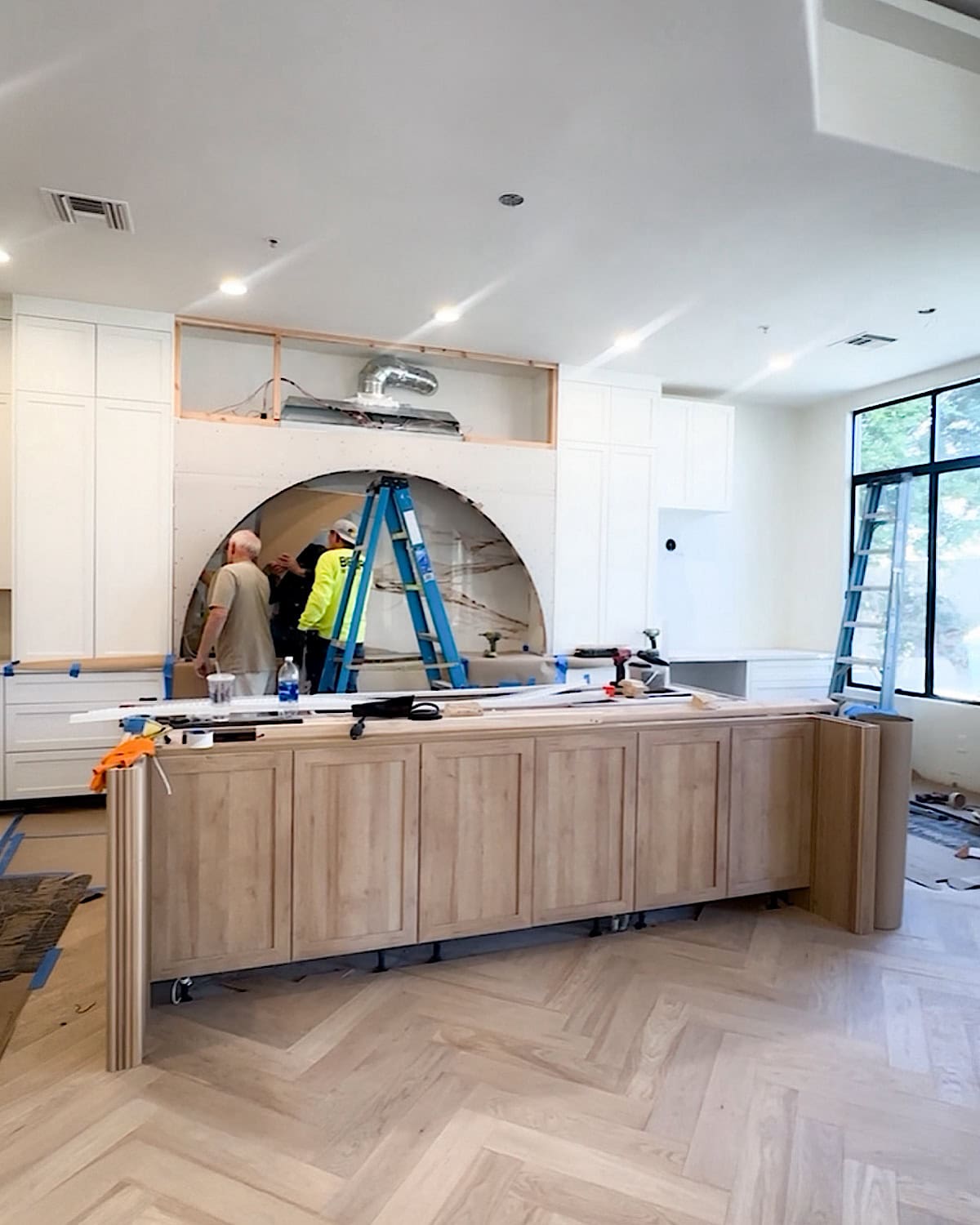
Kitchen remodeling really does TAKE TIME, and rushing through it is one of the easiest ways to end up with regrets later. There are so many decisions to make, layouts, finishes, materials, and details you don’t even realize matter until you’re in the middle of it. When everything starts happening at once, it’s tempting to make quick choices just to keep things moving. One thing I learned very quickly during our kitchen remodel is that delays happen, even when you think everything is planned perfectly.
Our kitchen cabinet company was delayed several times, and a few minor miscalculations pushed the project back more than we expected. One delay leads to another, and before you know it, everything starts affecting everything else. In a renovation, things really do work hand in hand.
That experience taught me that slowing down and giving myself time to think things through actually made a huge difference. Taking a step back to revisit design choices, ask more questions, and even change my mind when something didn’t feel right helped us avoid mistakes that would have been expensive and frustrating to fix later. Some decisions feel small in the moment, but once they’re installed, you’re living with them every single day.
Giving yourself the time to really think through layouts, finishes, and how the kitchen will function long term leads to a much better result. In the end, slowing down during the process saves you stress, money, and regret, and helps you end up with a kitchen you truly love living in.
13- Overlooking the Backsplash (or Full-Height Stone Wall)
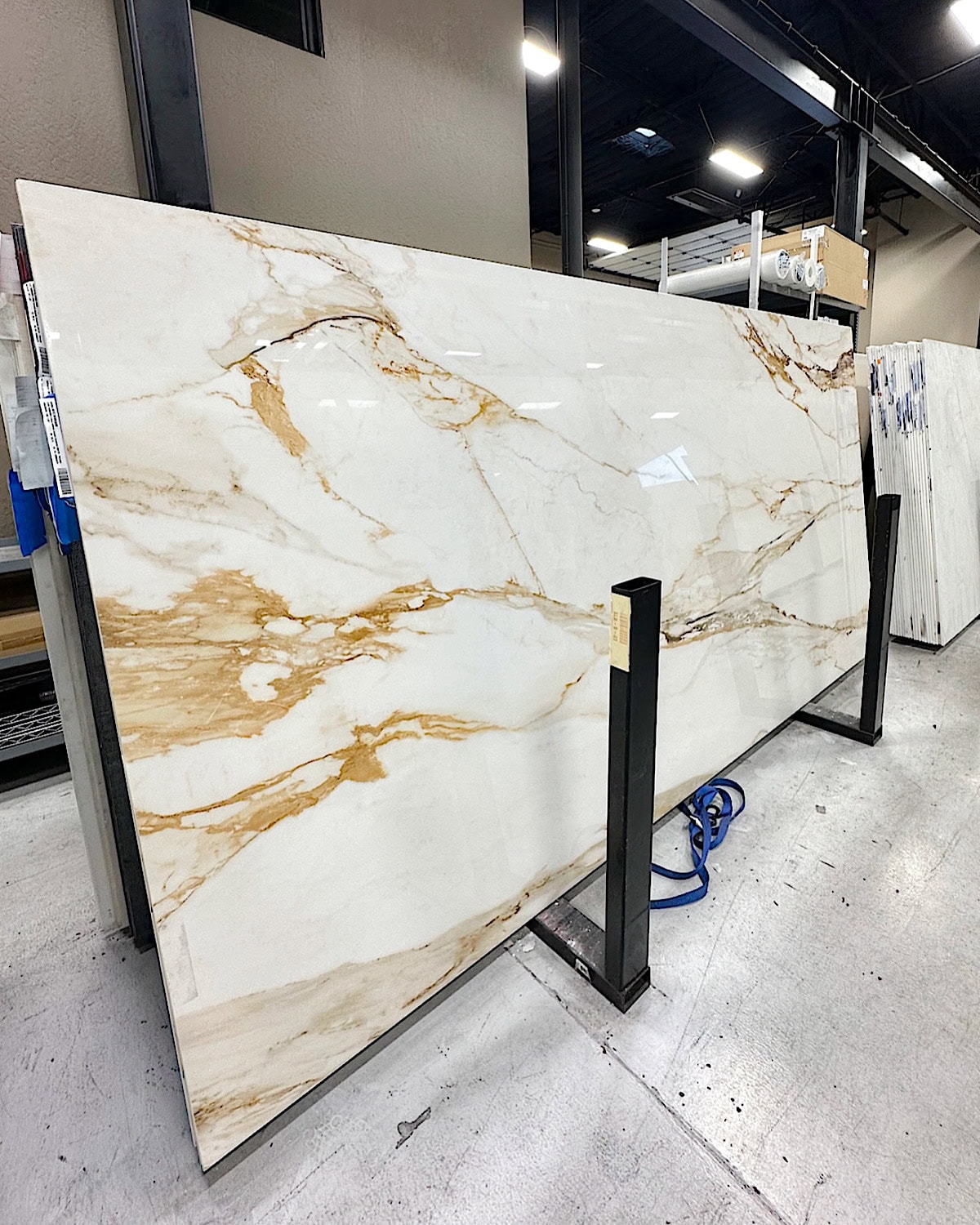
In our old kitchen, we had a more traditional backsplash tile. For this renovation, we really wanted to change things up. We planned to switch from the previous backsplash tile look to large stone slabs running from the countertop to the ceiling for a more dramatic, seamless feel. It definitely makes a statement, but it also means we had to be much more thoughtful about the material we chose.
When a full-height stone wall runs from the countertop to the ceiling, it’s no longer just a small detail; it becomes one of the main design elements in the kitchen, so choosing the material wisely is important. That’s why durability, easy maintenance, and choosing something that won’t feel dated too quickly really mattered to us. A full-height stone wall or backsplash should protect your walls, withstand everyday cooking, and still look good years down the road. When done right, it ties the whole kitchen together and makes a huge visual impact.
14- Not Thinking About Trash and Recycling Early On
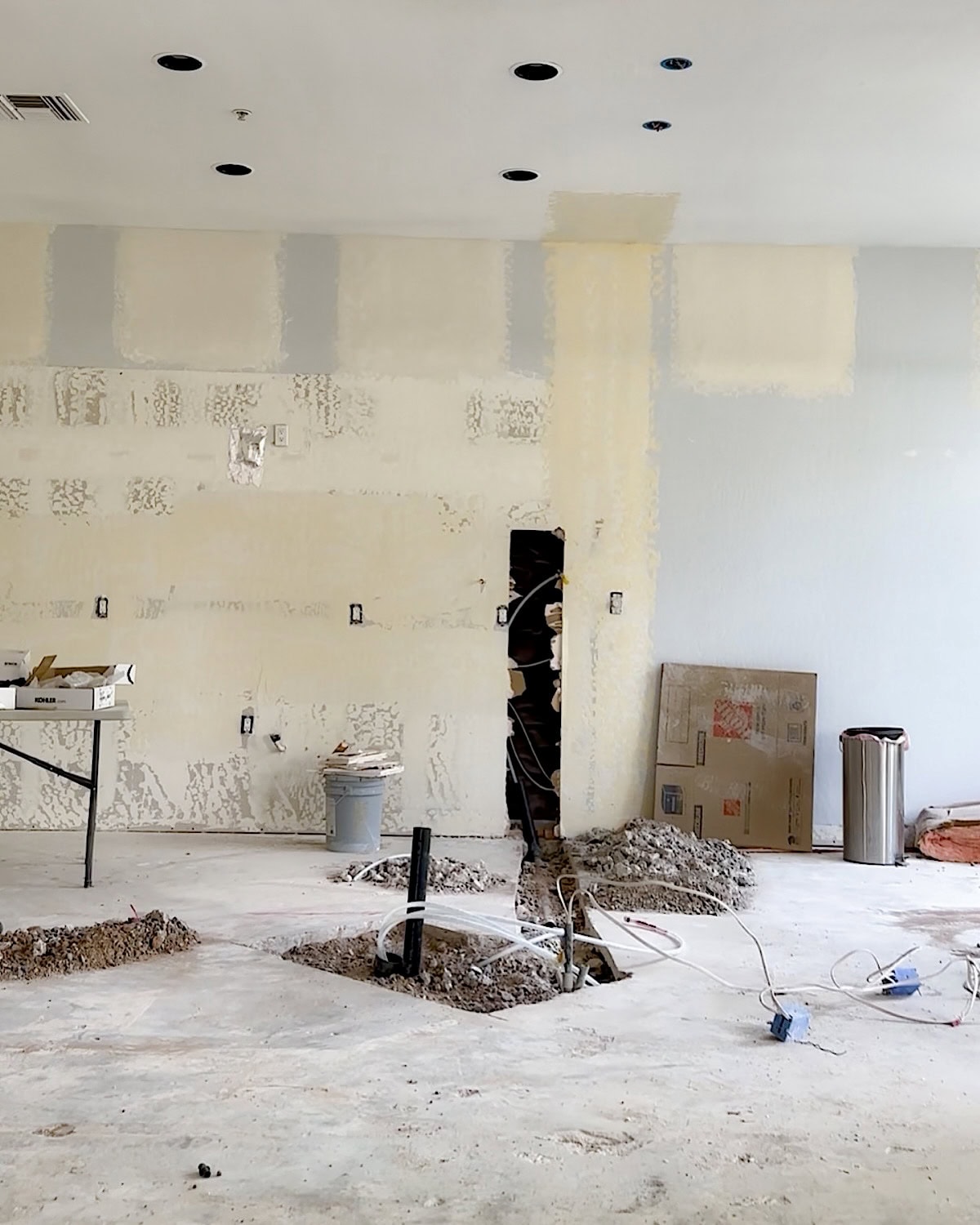
This is one of those things that’s really easy to forget during a kitchen remodel, but it makes such a difference in everyday life. From the beginning, I always wanted to make sure the trash area was hidden and well planned, with both recycling and regular trash right next to each other. It just makes everything easier and keeps the kitchen looking clean.
A lot of people don’t think about the trash and recycling setup until the very end, and then it becomes an afterthought that’s awkward or inconvenient. When it’s planned during the design stage, it blends seamlessly into the cabinetry and works with how you actually use the kitchen. It’s a small detail, but when it’s done right, the kitchen stays more organized and functional without extra effort.
15-Thinking You Can DIY Everything
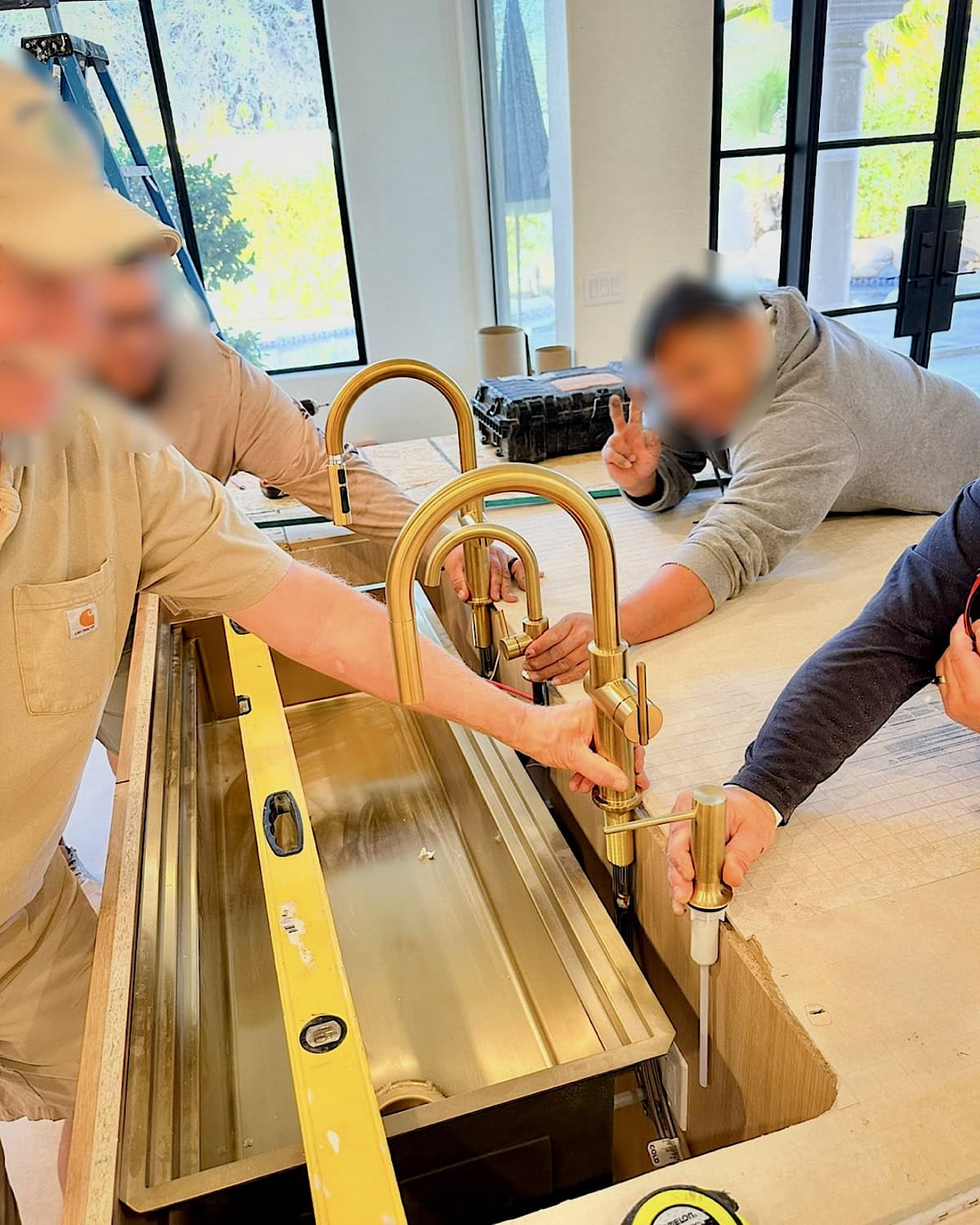
Unfortunately, Matt and I are not DIY people when it comes to building or making major changes around the house, so we’ve always known we need to bring in professionals for that kind of work. And honestly, I’m okay with that. haha! A kitchen remodel involves so many moving parts, and some things are just too important to guess your way through.
Even if you’re someone who’s great at DIY and comfortable doing a lot yourself, it’s still important to remember that not everything should be handled on your own. Plumbing, electrical work, and structural changes are areas where mistakes can get expensive or even unsafe. Having professionals involved helps everything run more smoothly and gives you peace of mind knowing the work was done correctly. Sometimes knowing when to ask for help is just as important as knowing how to do things yourself.
Bottom Line
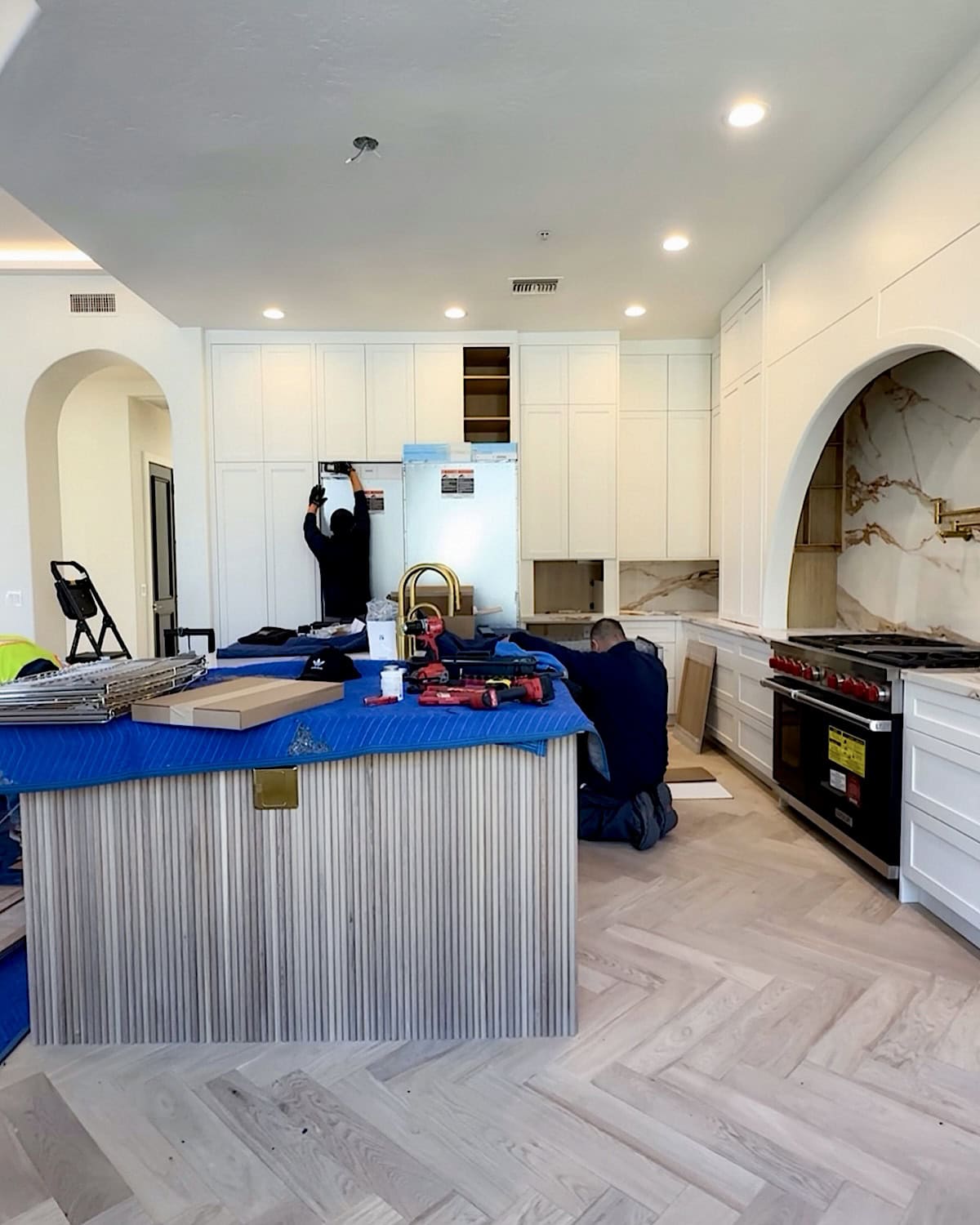
At the end of the day, this kitchen remodel taught me that it’s not just about making things look beautiful. It’s about making choices you’ll actually be happy living with. Every decision, even the ones that seem small at the time, adds up in ways you don’t always expect. Some things we got right, some things took longer than planned, and a few lessons came from simply going through the process.
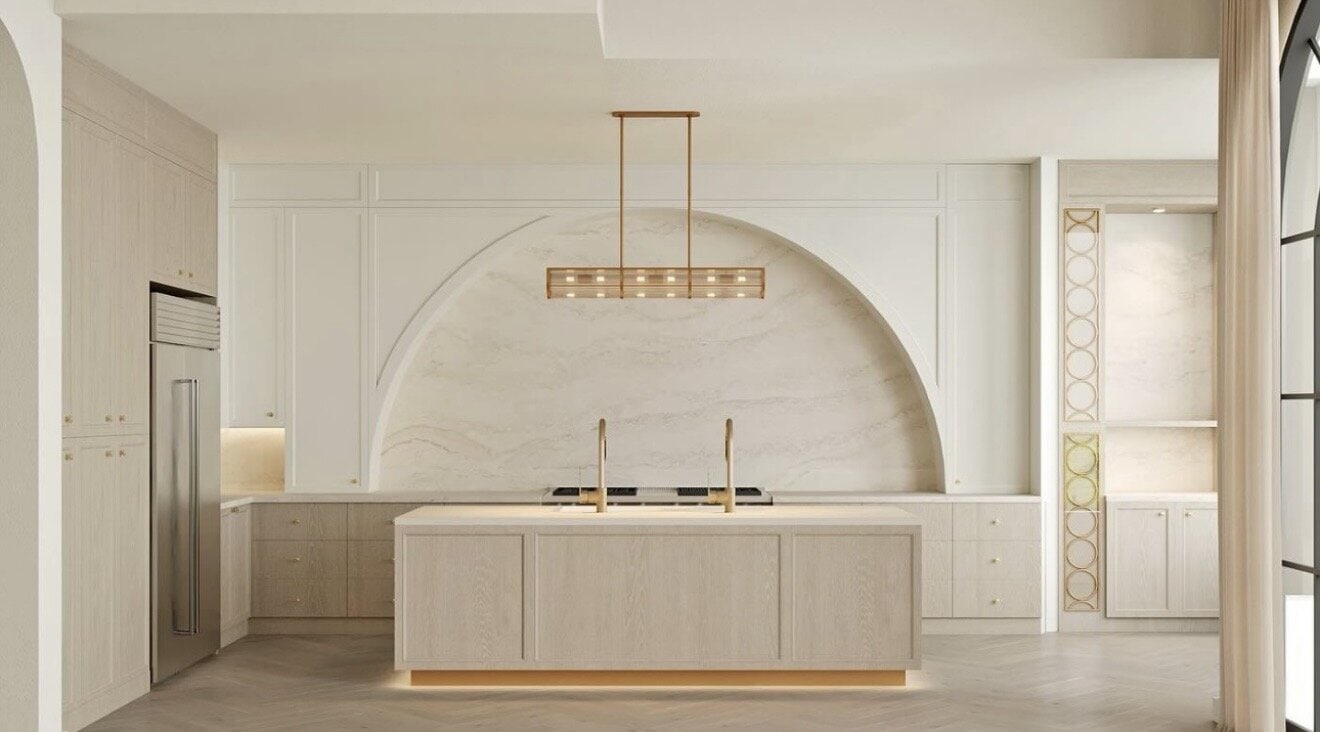
If there’s one takeaway from all of this, it’s to slow down, ask questions, and really think about how your kitchen fits into your everyday life. Trends will change, timelines may shift, and plans won’t always go perfectly, but thoughtful decisions make a huge difference in the long run. If you’re planning a kitchen remodel, I hope sharing our experience helps you feel more confident, more prepared, and a little less overwhelmed as you create a space you’ll love for years to come.
Love,
Sherry XOXO