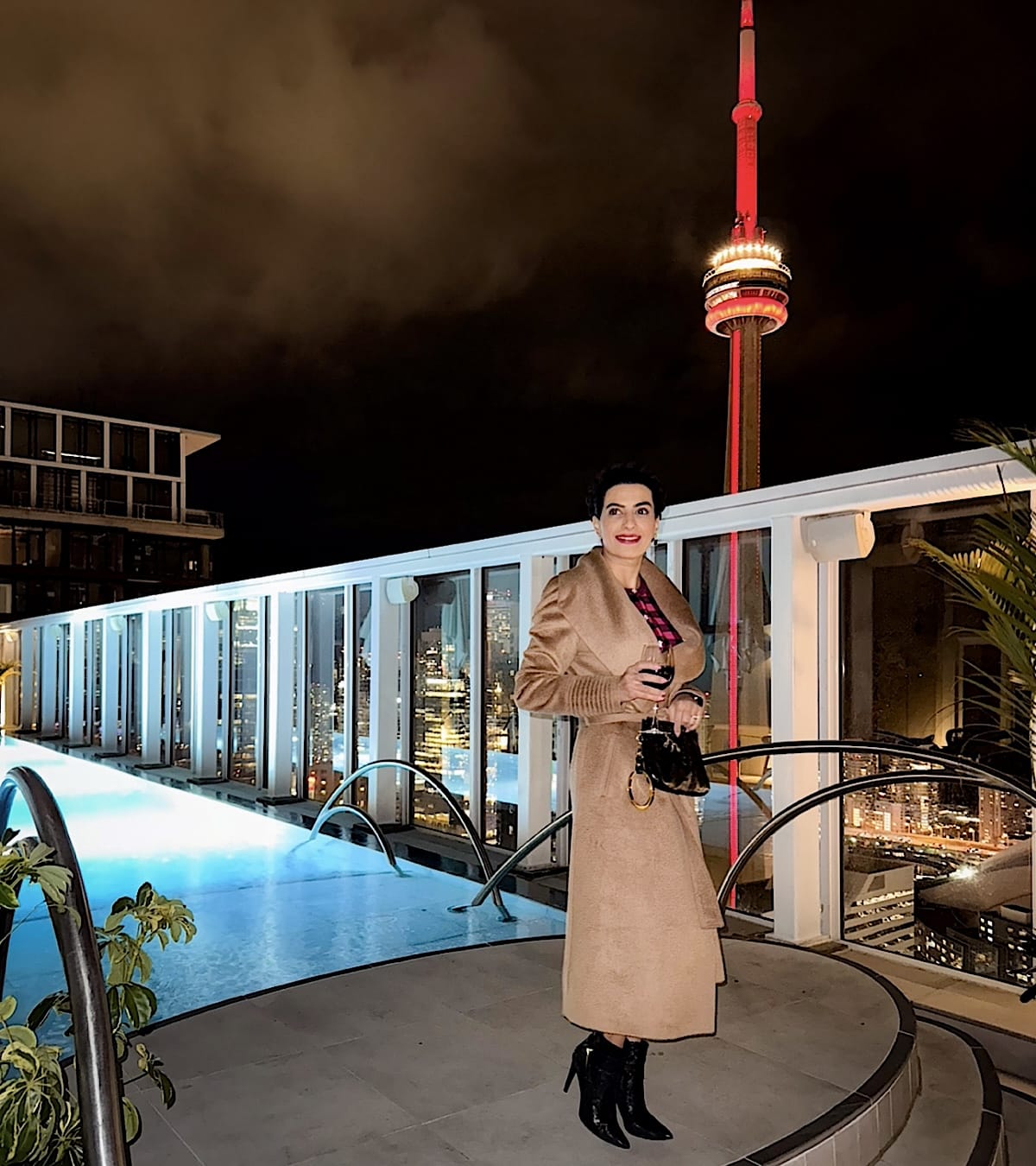
The Best Places to Visit in Brazil You Don’t Want to Skip
Visiting Brazil has always been on my bucket list, and over the years, I’ve found myself scrolling through Pinterest, saving ideas, and searching for the best places to visit in Brazil.
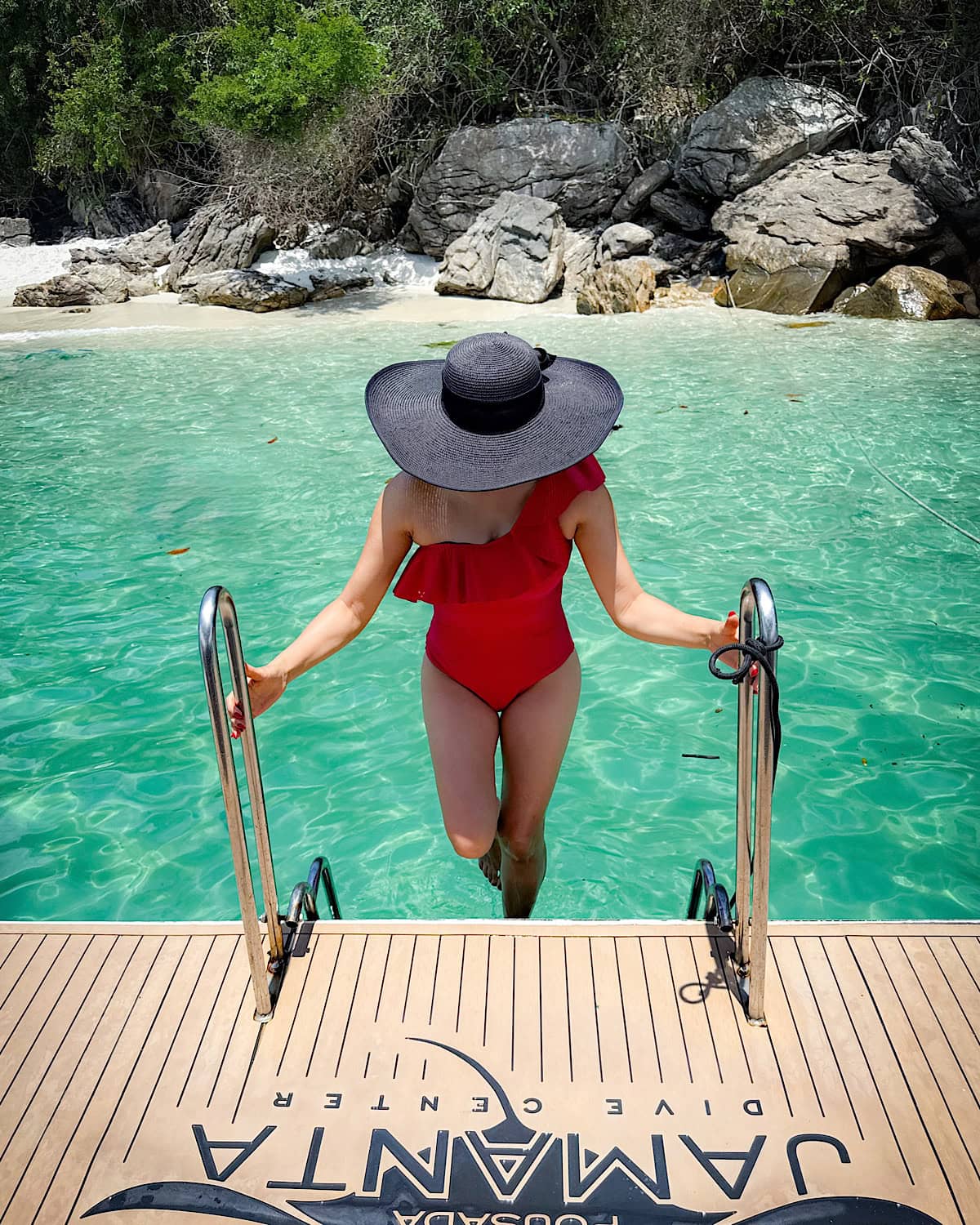
Rio de Janeiro always came up at the top of every list, and now that we’ve finally been there, I completely understand why. We just got back from Rio, and it was every bit as beautiful, vibrant, and unforgettable as everyone says. This trip felt like the right time for us. With the girls a little older, we felt much more comfortable taking on a longer flight from the U.S.
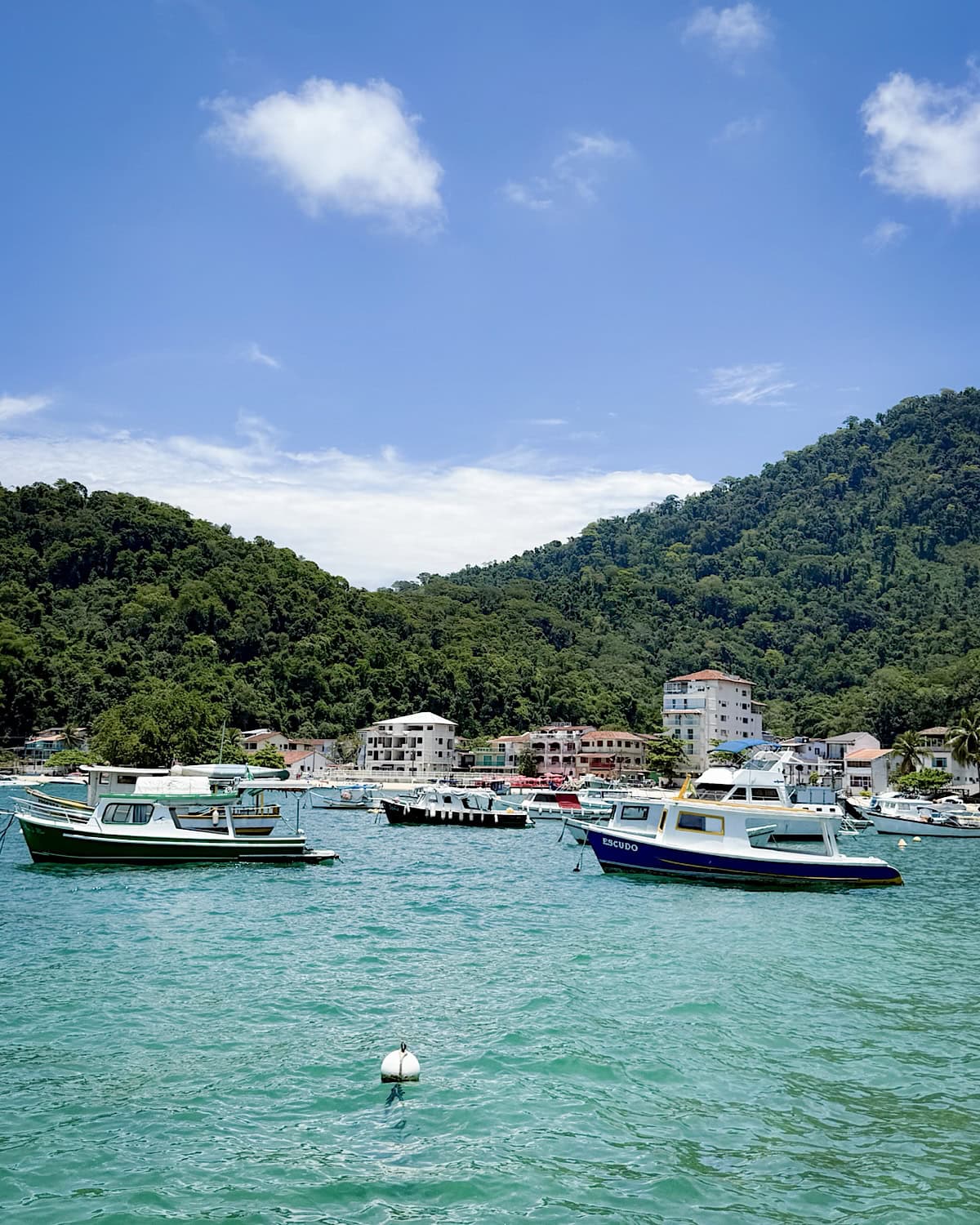
We went to Brazil for New Year’s Eve to celebrate my sister’s milestone birthday, and ringing in the New Year there was such a special experience and one I’ll always remember.
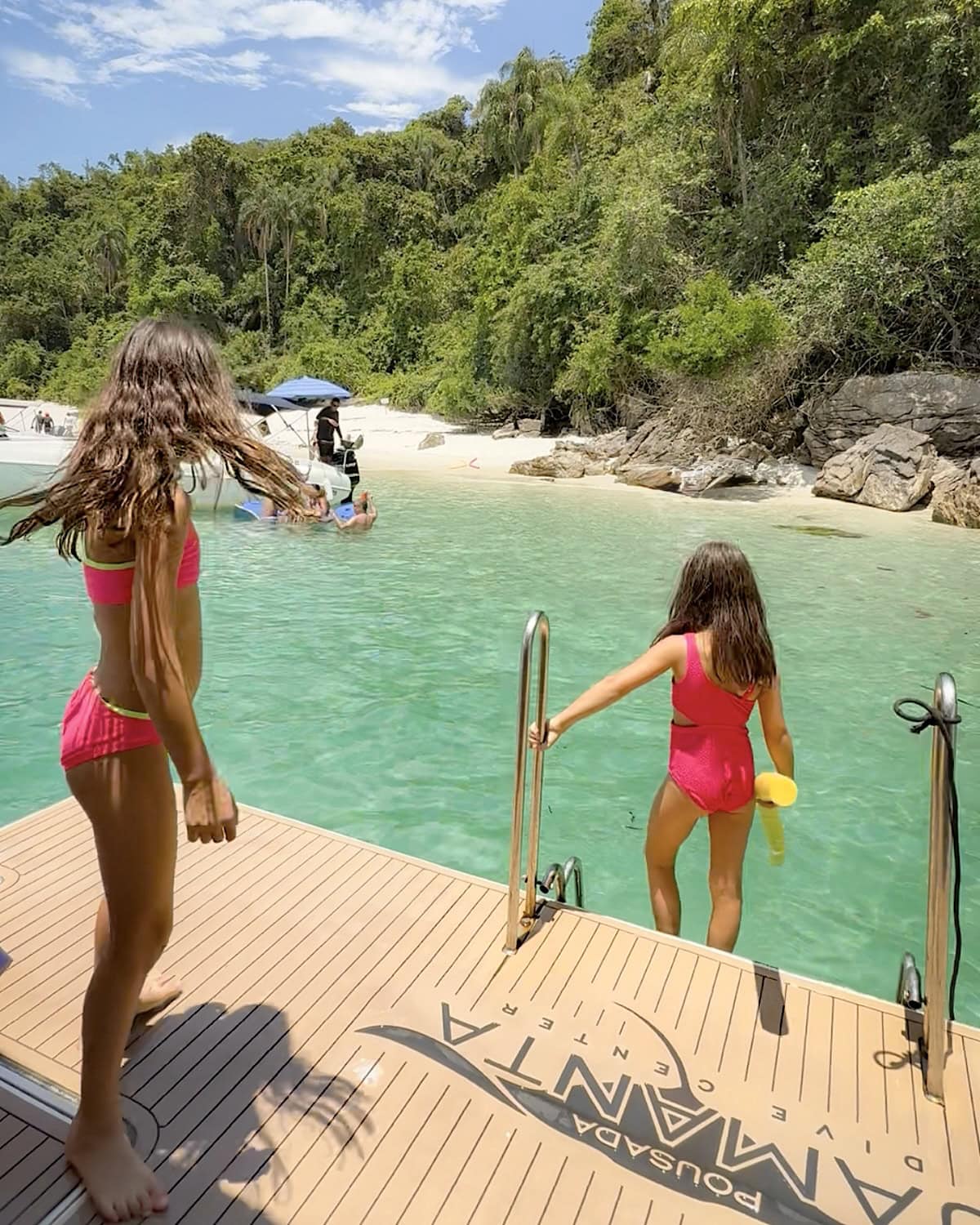
While this post obviously starts with Rio and my personal experience there, I didn’t want it to stop there. Brazil is huge, diverse, and filled with places that look just as stunning and exciting as Rio in completely different ways.
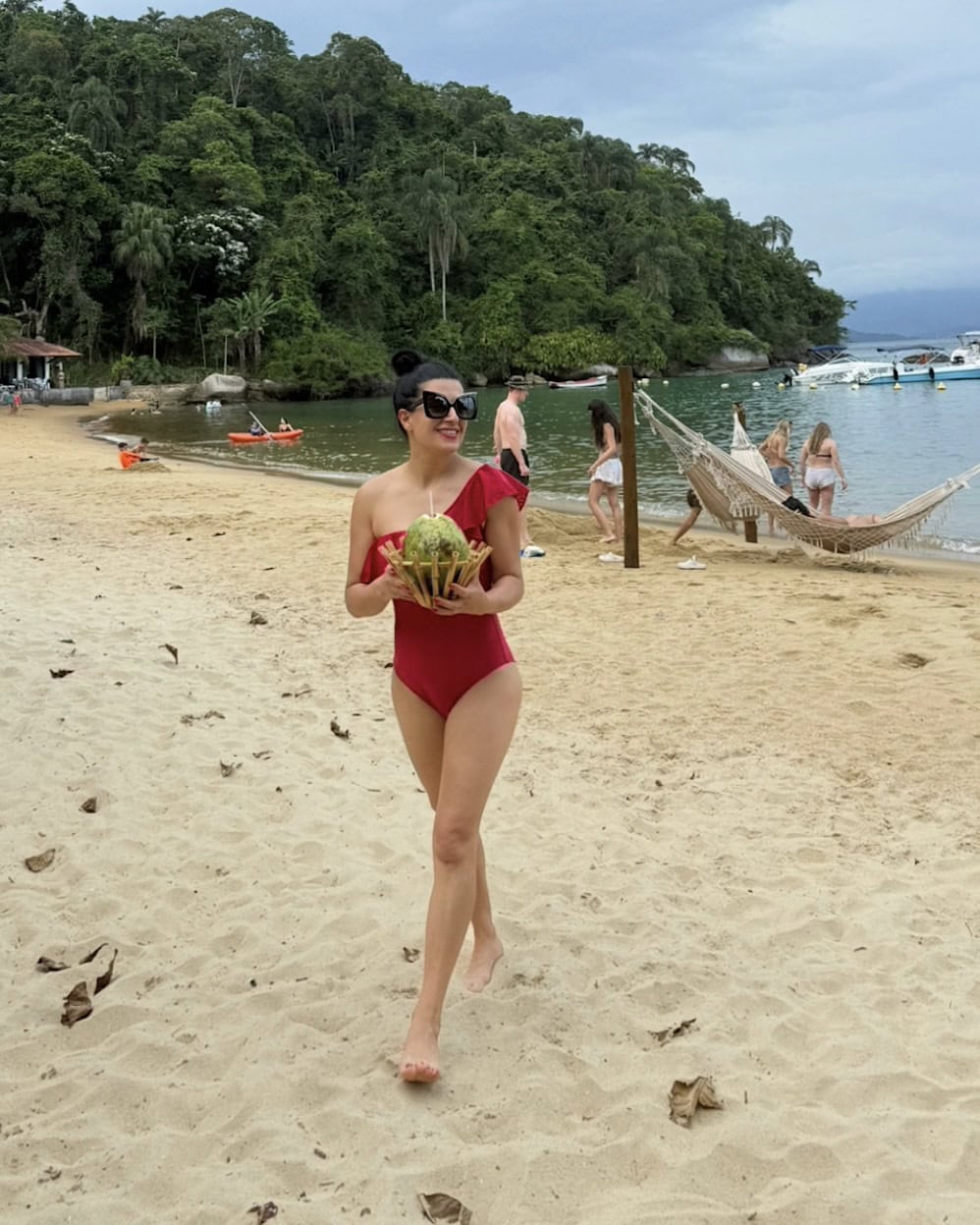
So in this guide, I’m sharing not only where we went, but also the other destinations across Brazil that I can’t wait to explore on our next trip, because one visit simply isn’t enough to cover a country this incredible.
Rio de Janeiro
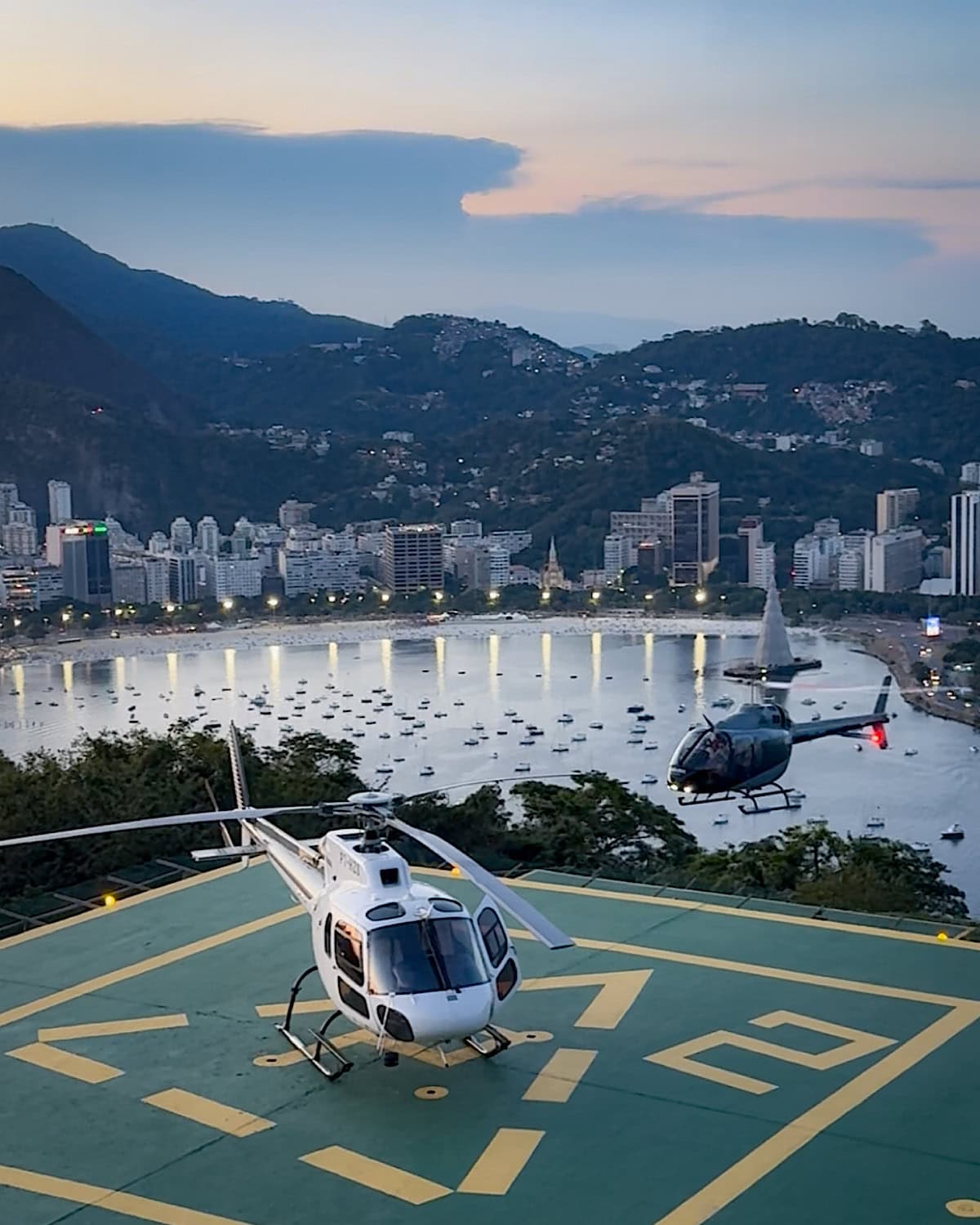
Rio de Janeiro has a very specific vibe, and you notice it pretty much right away. We went in December, around Christmas and New Year’s, which is summer in Brazil, so the days were warm and sunny. The city felt busy in a good way — tons of energy, people heading to the beach, walking along the water, meeting up with friends, and just being outside from morning until night.
Christ the Redeemer
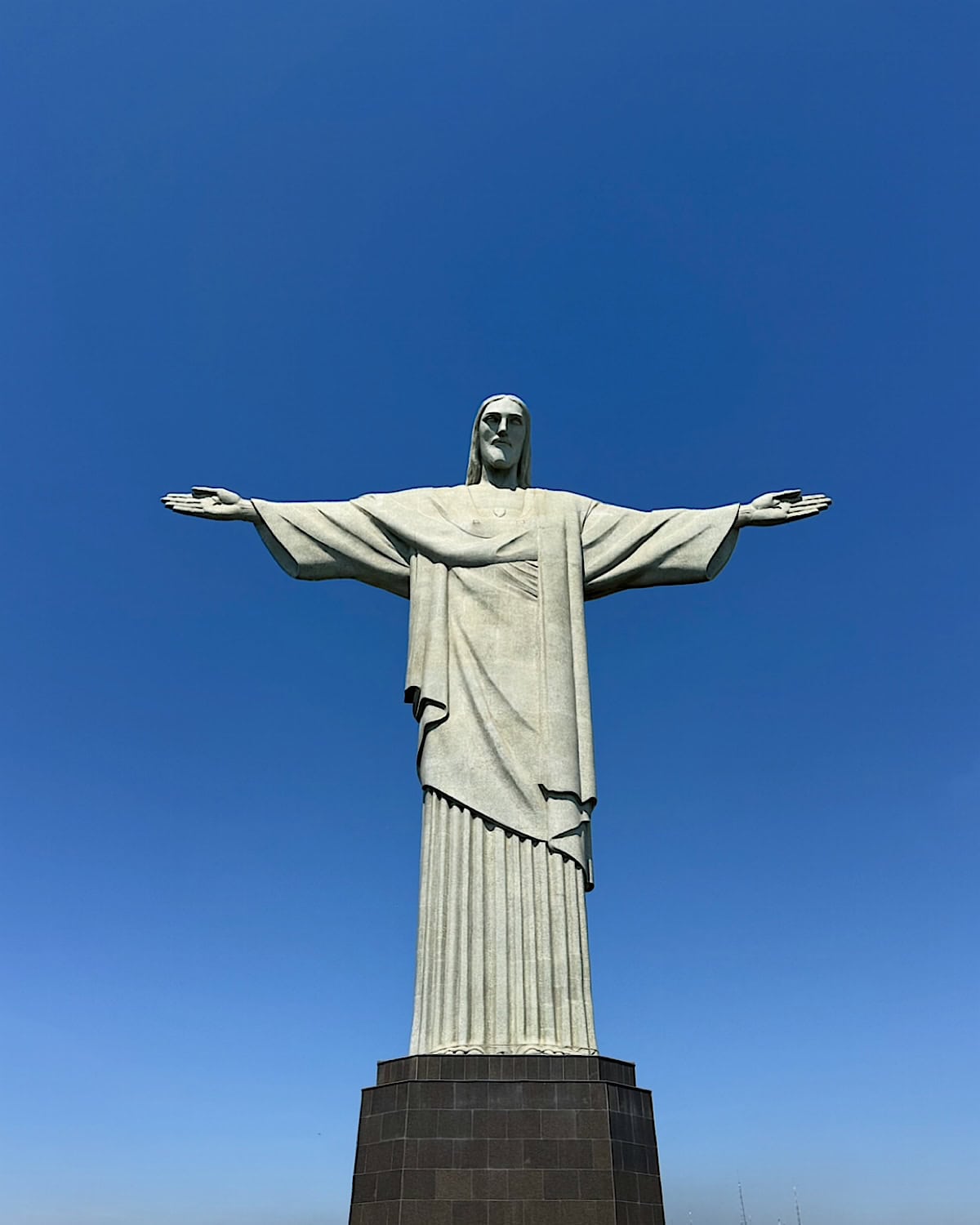
Visiting Christ the Redeemer honestly gave me chills. Standing up there and looking out over Rio, I had goosebumps the whole time. It’s one of those experiences that really hits you (at least it did for me), the view, the scale of it, the energy all around. You kind of just stand there in awe, taking everything in, because it really is that breathtaking. From up there, looking out over Rio de Janeiro, you truly understand why this city is so unique, not just within Brazil, but all of South America.
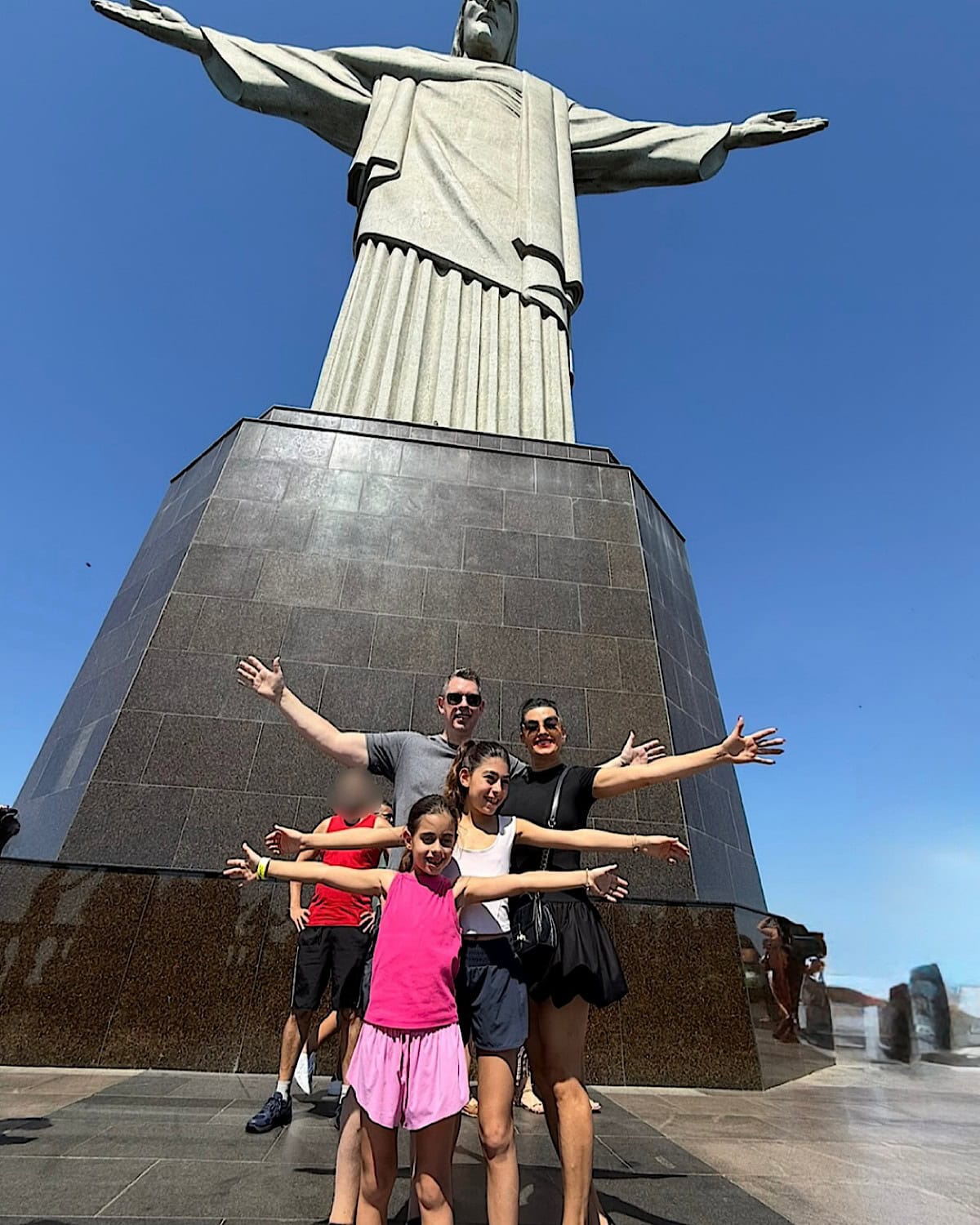
Christ the Redeemer is massive. It weighs over 600 metric tons and sits atop Corcovado Mountain, about 2,300 feet (700 meters ) above the city. From up there, it looks out over all of Rio, which is why it’s visible from so many parts of the city. It’s actually the largest Art Deco–style sculpture in the world, which makes it even more impressive when you see it in person.
Beyond its size, the statue has become much more than just a landmark. It’s a global symbol of Christianity and a major cultural icon for Rio and Brazil as a whole. Because of its history, scale, and significance, it was even voted one of the New 7 Wonders of the World, which, honestly, makes sense once you understand how iconic it really is.
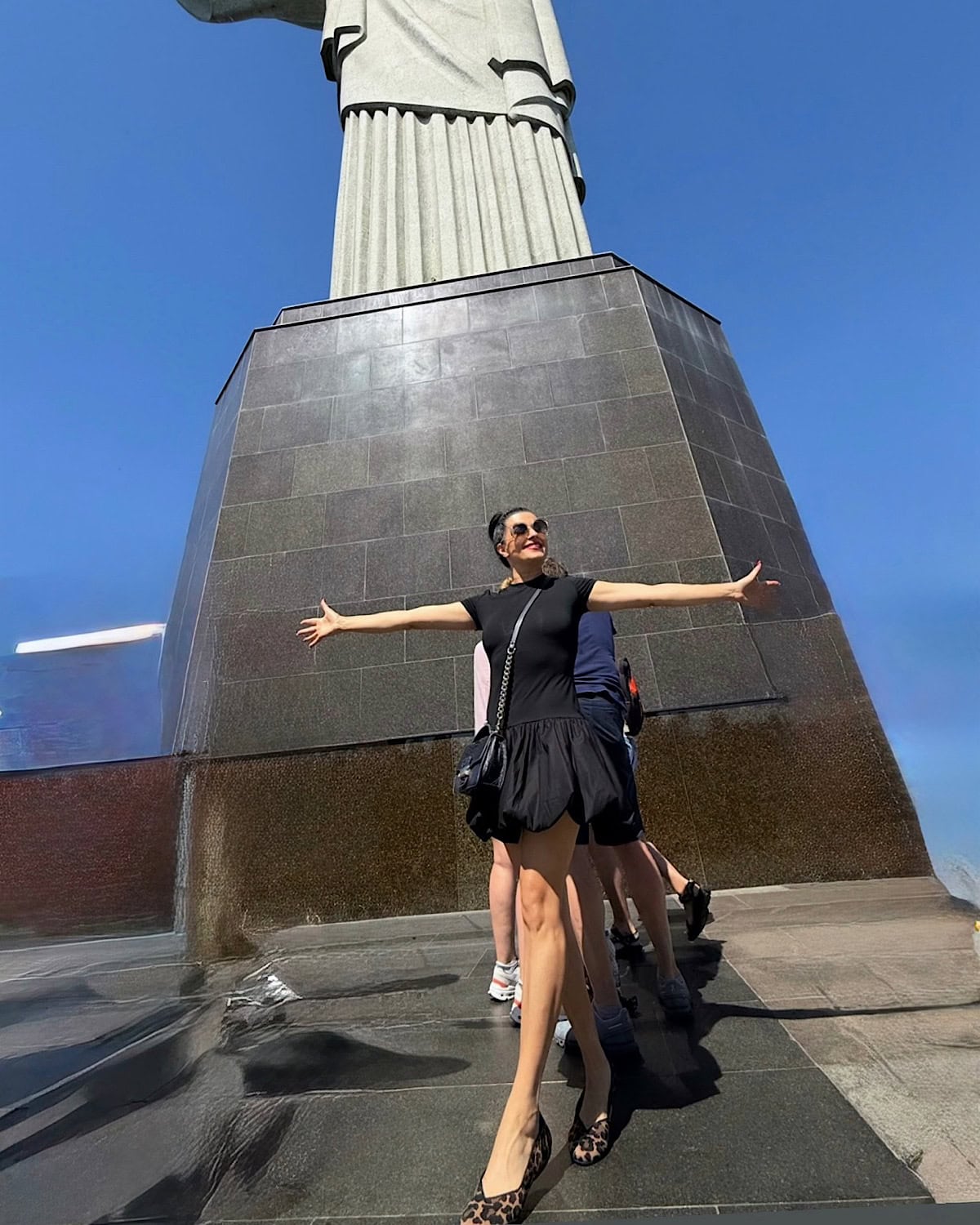
It’s a great way to start your trip, giving you context for everything else you’ll see in Rio.
Sugarloaf Mountain
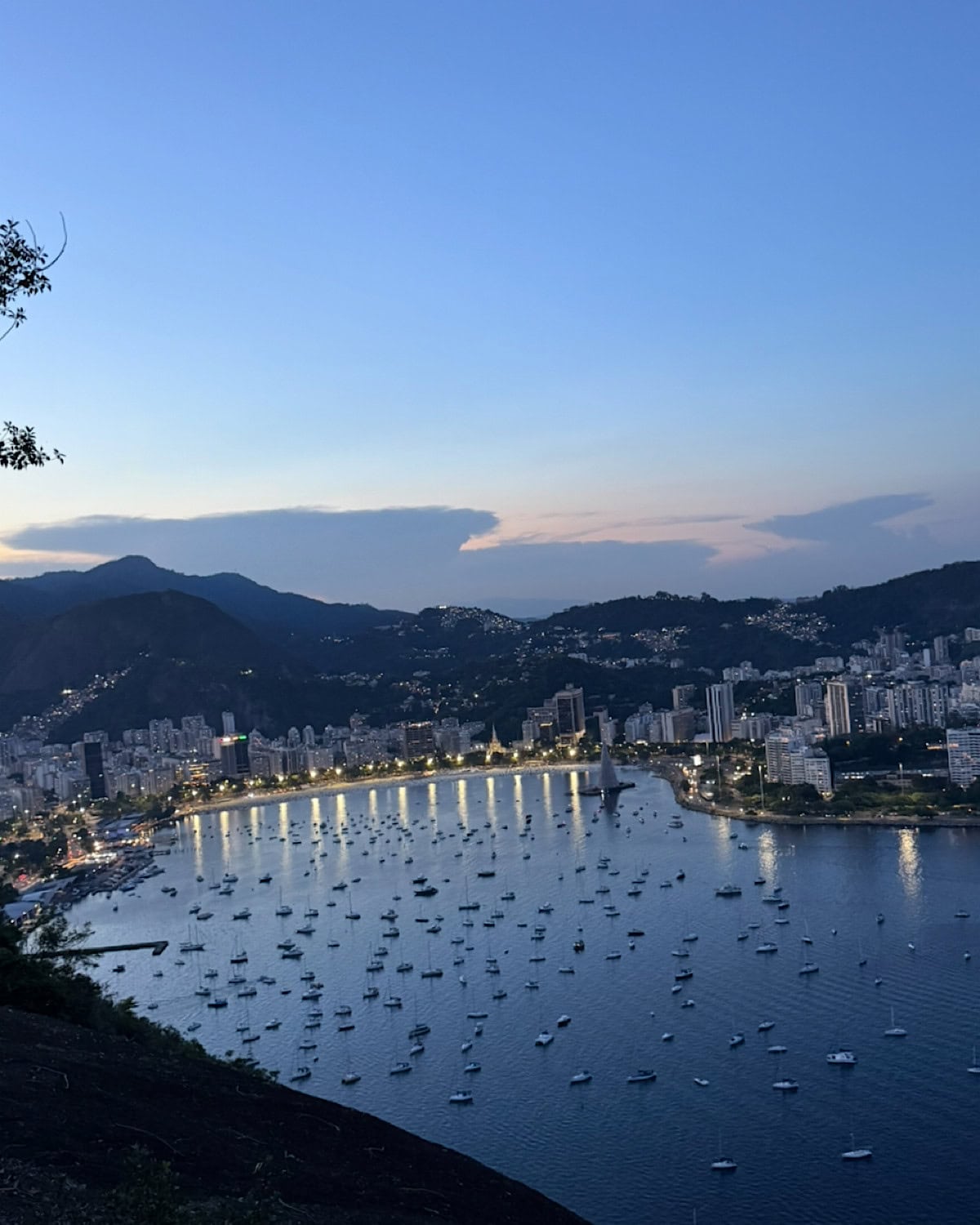
Sugarloaf Mountain is one of those places everyone talks about in Rio, and once you see it, you get why. It rises straight out of the water at the entrance of the bay, which already makes it look pretty unreal. The name comes from its shape; it looks like those old cone-shaped sugar loaves people used to have.
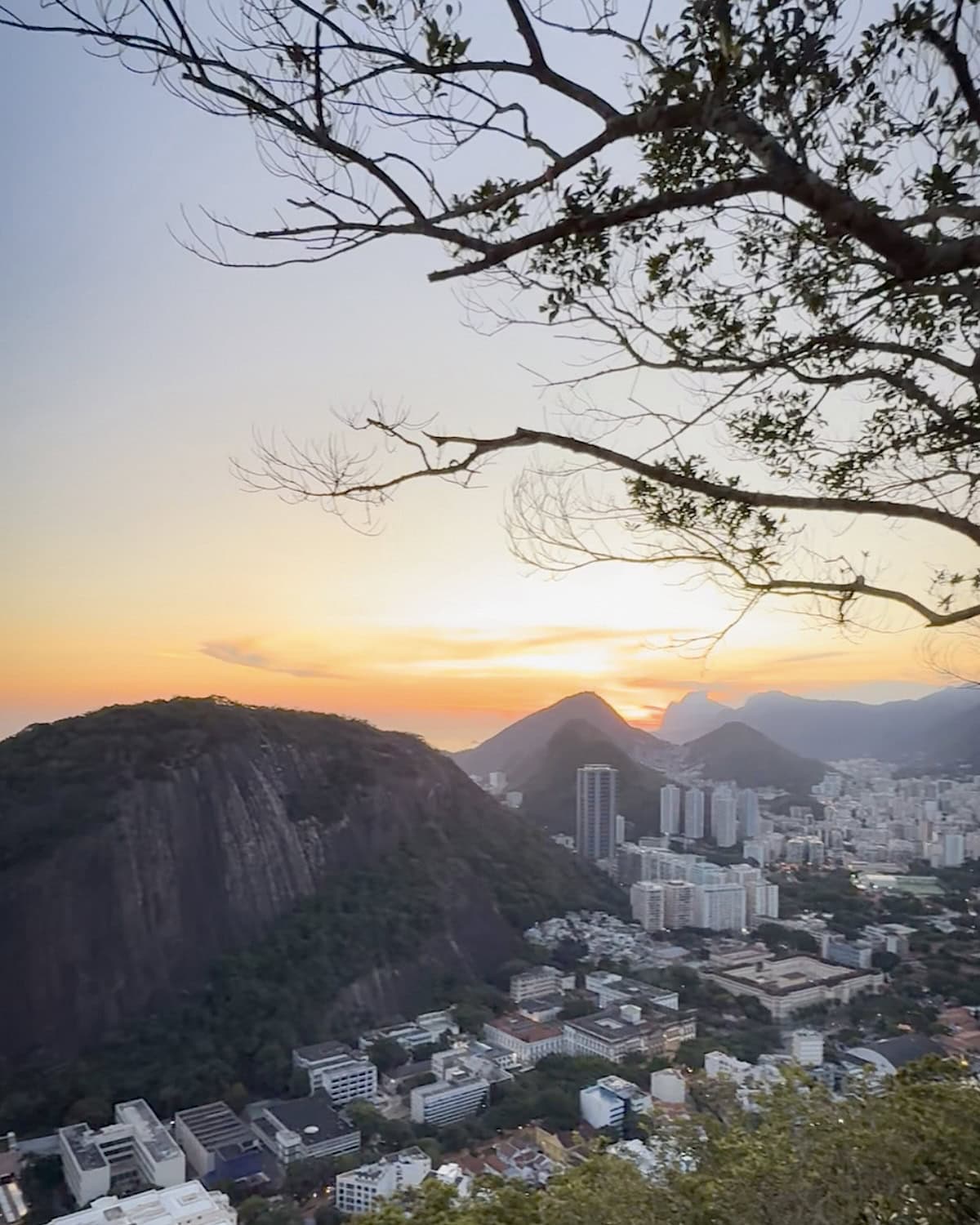
What most people know it for is the cable car ride. You go up in stages, and the views just keep getting better the higher you go. From the top, you can see the city, the ocean, the harbor, and all the mountains around Rio at once. It really shows how dramatic the landscape is there.
It’s also a protected area, so everything around it is preserved, which is part of why it still feels so natural and untouched even though it’s right in the city. It’s especially nice later in the day when the light softens, and the whole city feels calmer.
Copacabana Beach
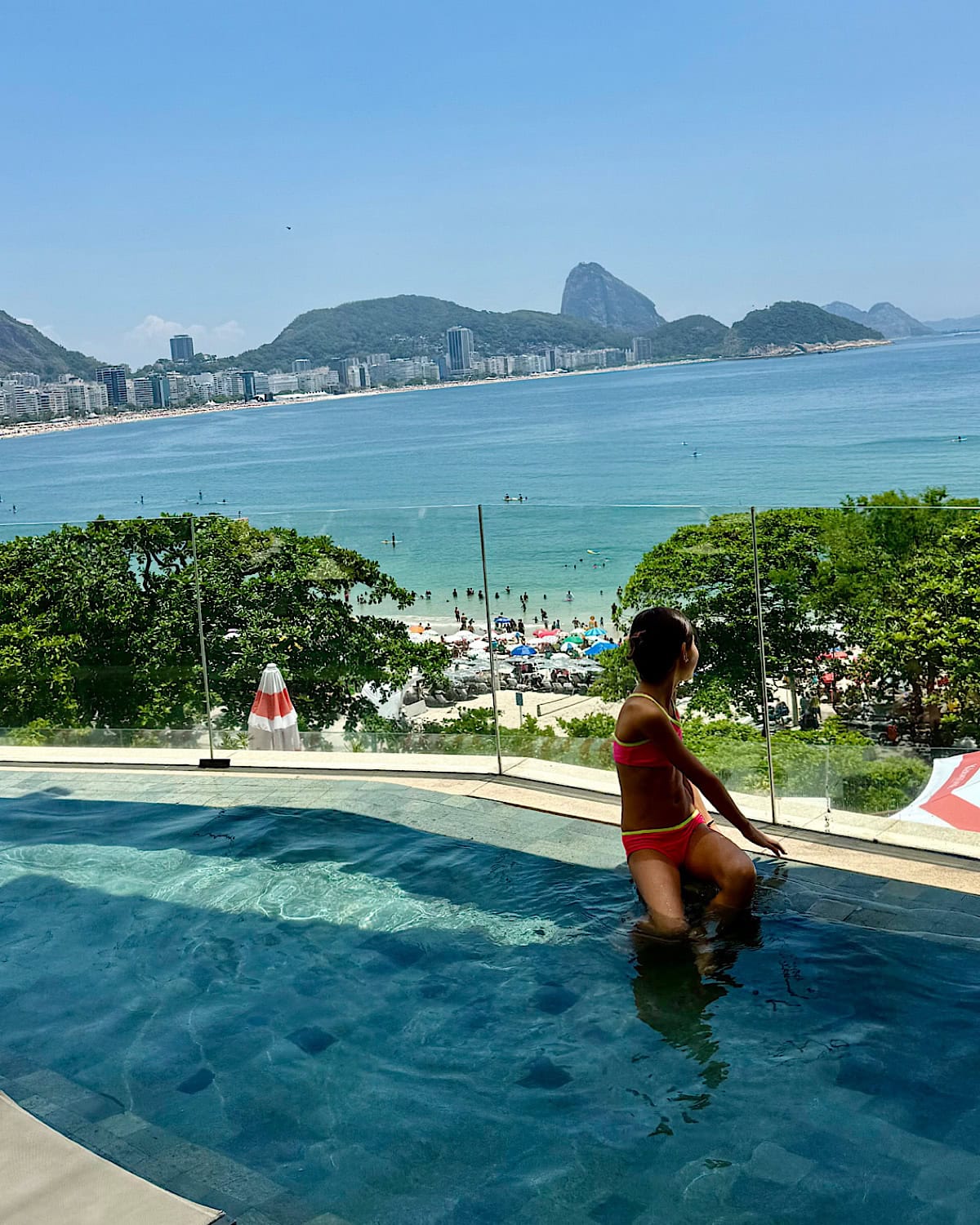
Copacabana isn’t just a beach; it’s basically a whole neighborhood built around it. The beach is long, wide, and right in the middle of everything, so it always feels busy and full of life. There are hotels, apartments, cafés, bars, and restaurants lining the street right behind the sand, which means there’s always movement, people coming and going all day.
You’ll see a mix of locals and tourists everywhere. Some people are there early in the morning walking or working out, others are meeting friends, playing sports, or just sitting around watching what’s going on. Vendors are constantly walking by, music is playing, and there’s always something happening around you. It’s loud, energetic, and very much part of everyday life in Rio.
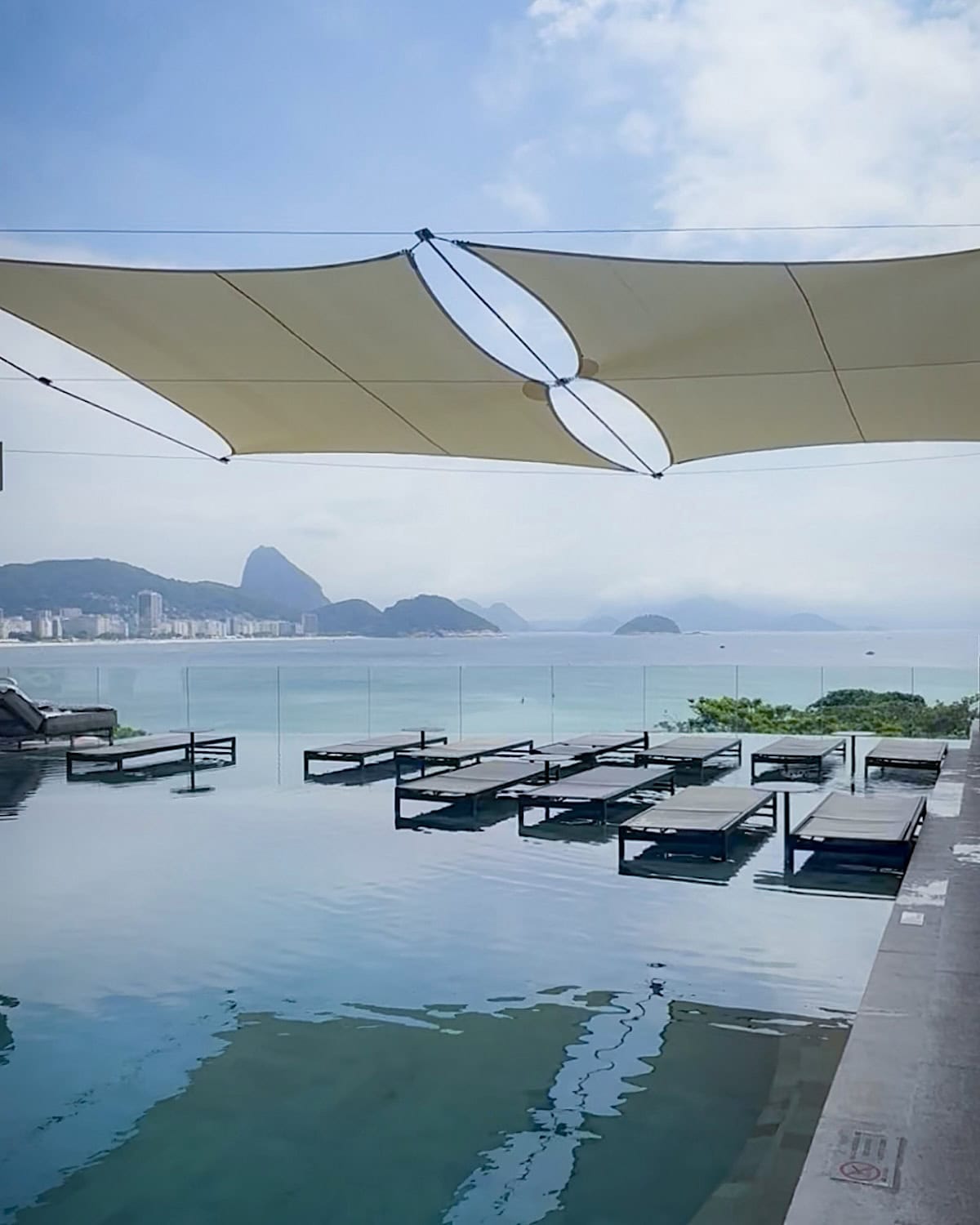
Copacabana is known for massive events, especially around New Year’s, when the entire beach fills up with people, music, and fireworks. Even on regular days, though, it never really feels quiet. You’ll see people there from early morning until late at night. In the mornings, it’s runners and people exercising.
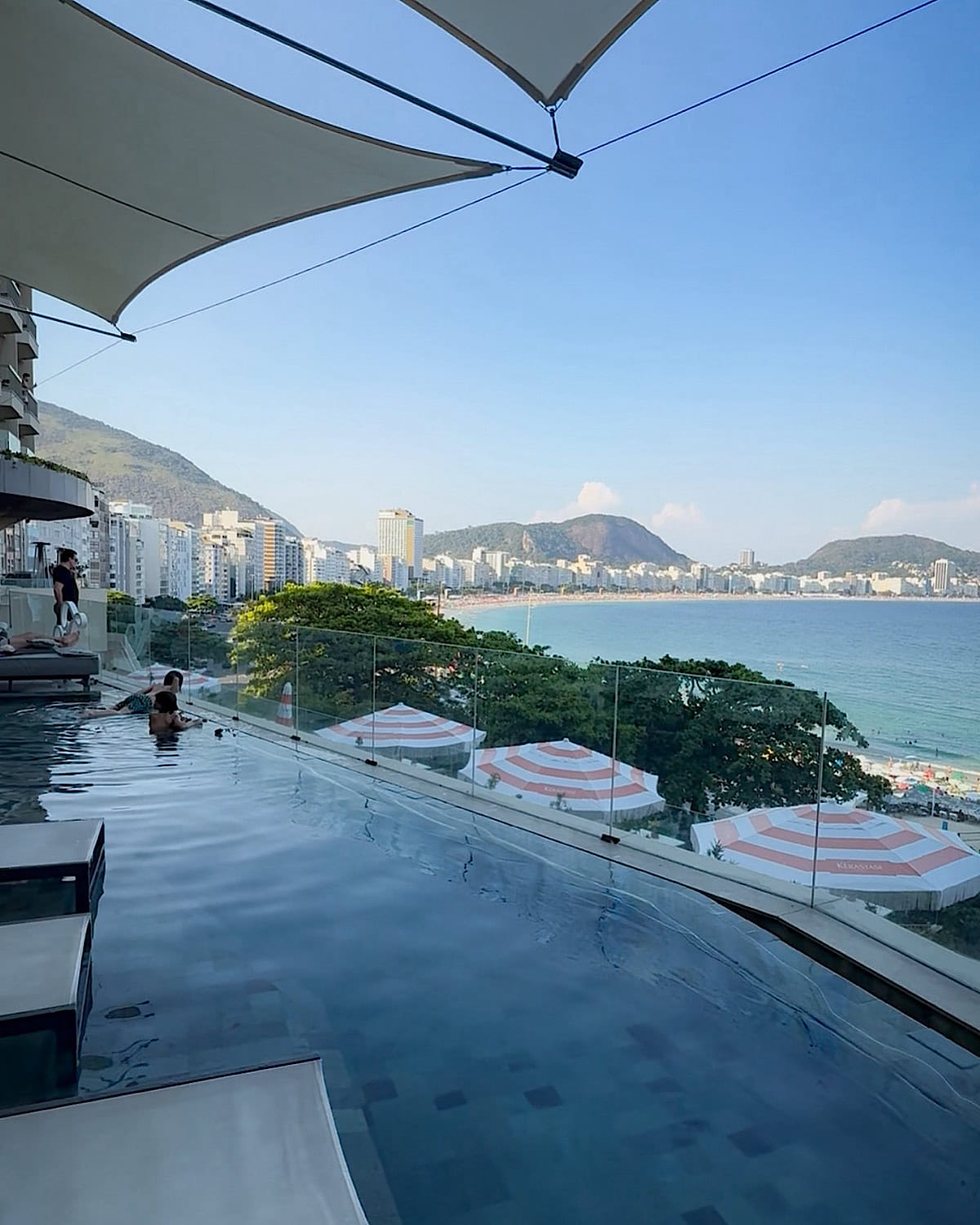
As the sun sets, it becomes more of a hangout spot, with people sitting around, talking, and enjoying the view. It’s busy, loud, social, and very much a big part of Rio’s everyday rhythm.
Ipanema Beach
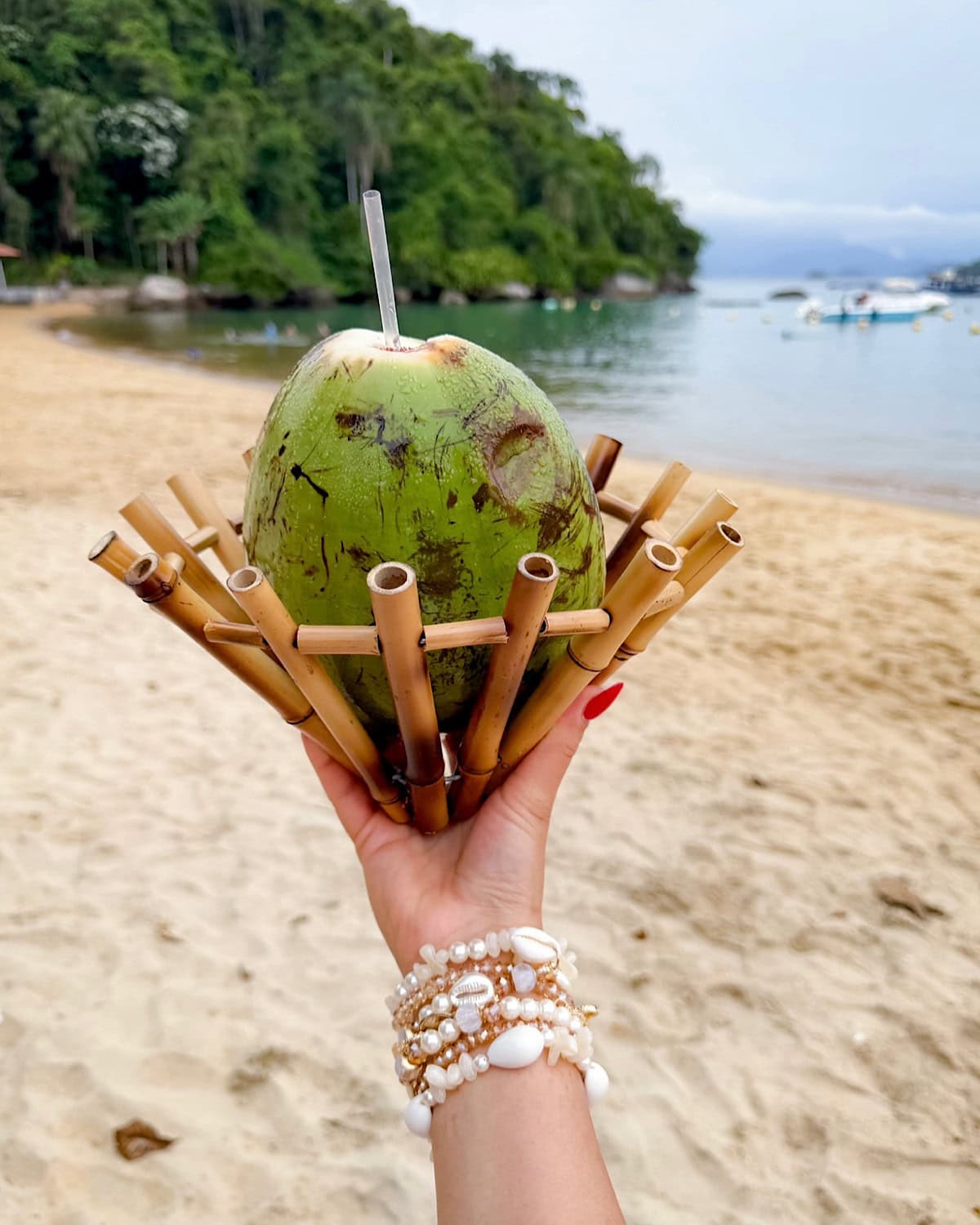
Ipanema Beach feels a lot calmer than Copacabana. The beach is wide, so it never feels cramped, and everything just feels more spaced out. People are still there all day, but it’s not as loud or chaotic. You see people swimming, lying out, playing sports, or just sitting and watching the ocean.
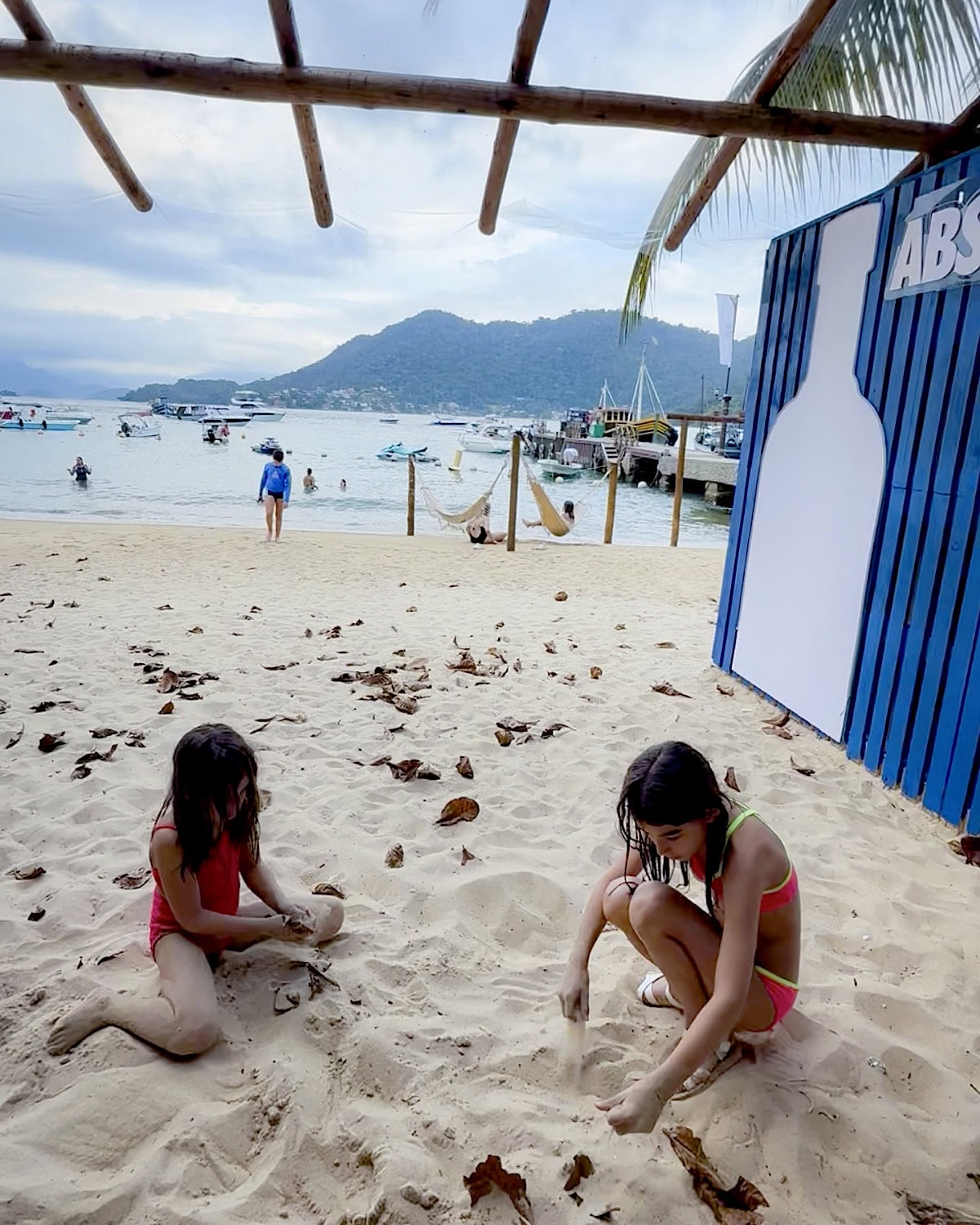
As the sun starts to set, everything slows. People naturally end up at the beach just watching it. Then they walk around the neighborhood, pop into cafés or shops, and take their time. Nothing feels rushed, and that’s kind of the best part.
Shopping in Rio
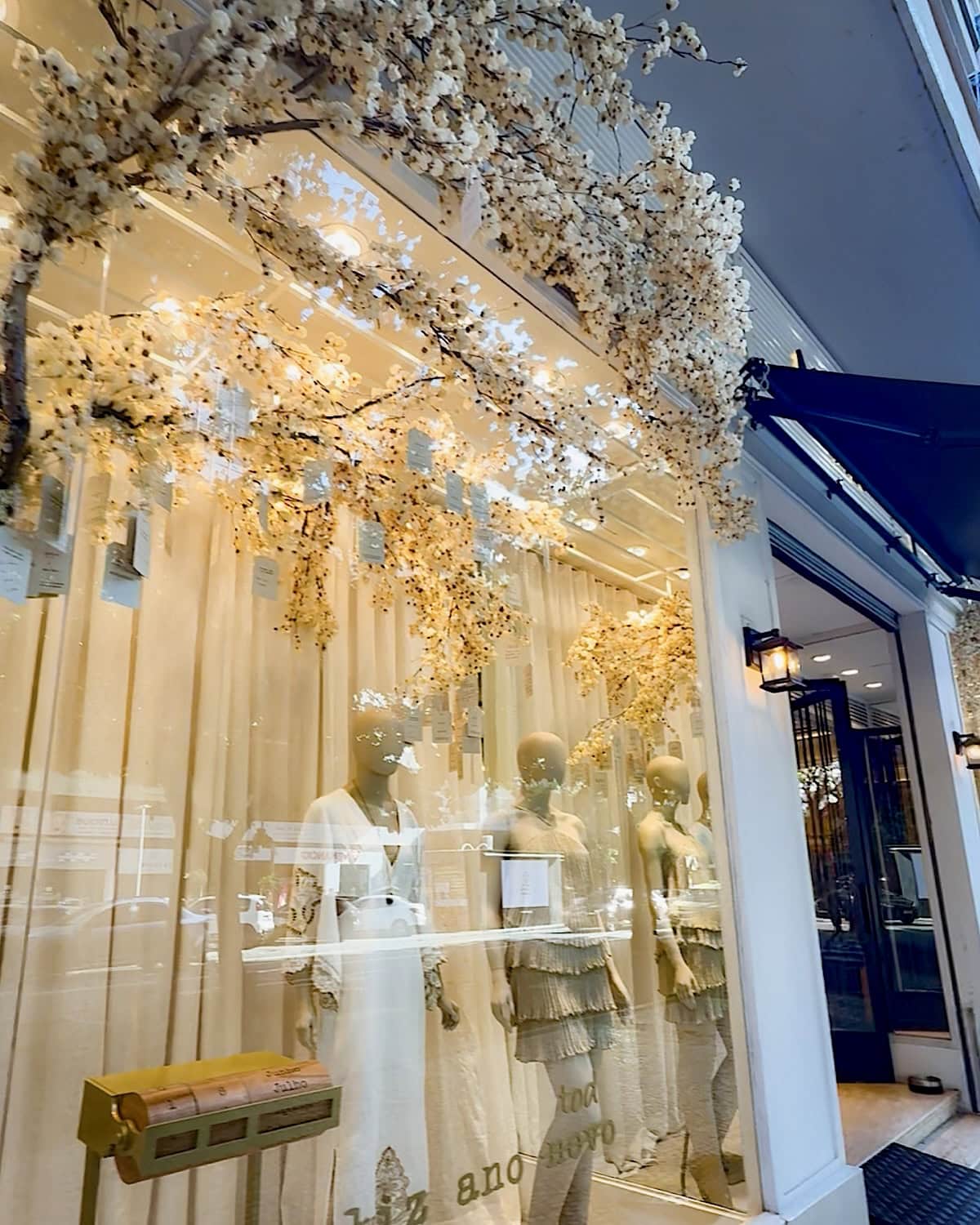
Shopping in Rio is amazing, especially because the exchange rate with the U.S. dollar is so good. You can shop a lot without it costing anywhere near what it does in the U.S. Of course, it depends on what you’re buying and where you’re shopping, but overall prices feel much better compared to the U.S. and Europe. I LOVED shopping there.
There are definitely some nice malls around the city, but what really stands out are the beautiful boutiques and one-of-a-kind stores, especially in areas like Ipanema. There’s so much beachwear, swimwear, sandals, and local brands you don’t really see elsewhere. I highly recommend stopping by the Farm Rio flagship store in Ipanema (often referred to as Casa Farm). Seriously can’t get enough of how beautiful the clothes are. Ahhh, take me back!
Food, Drinks & Good Vibes
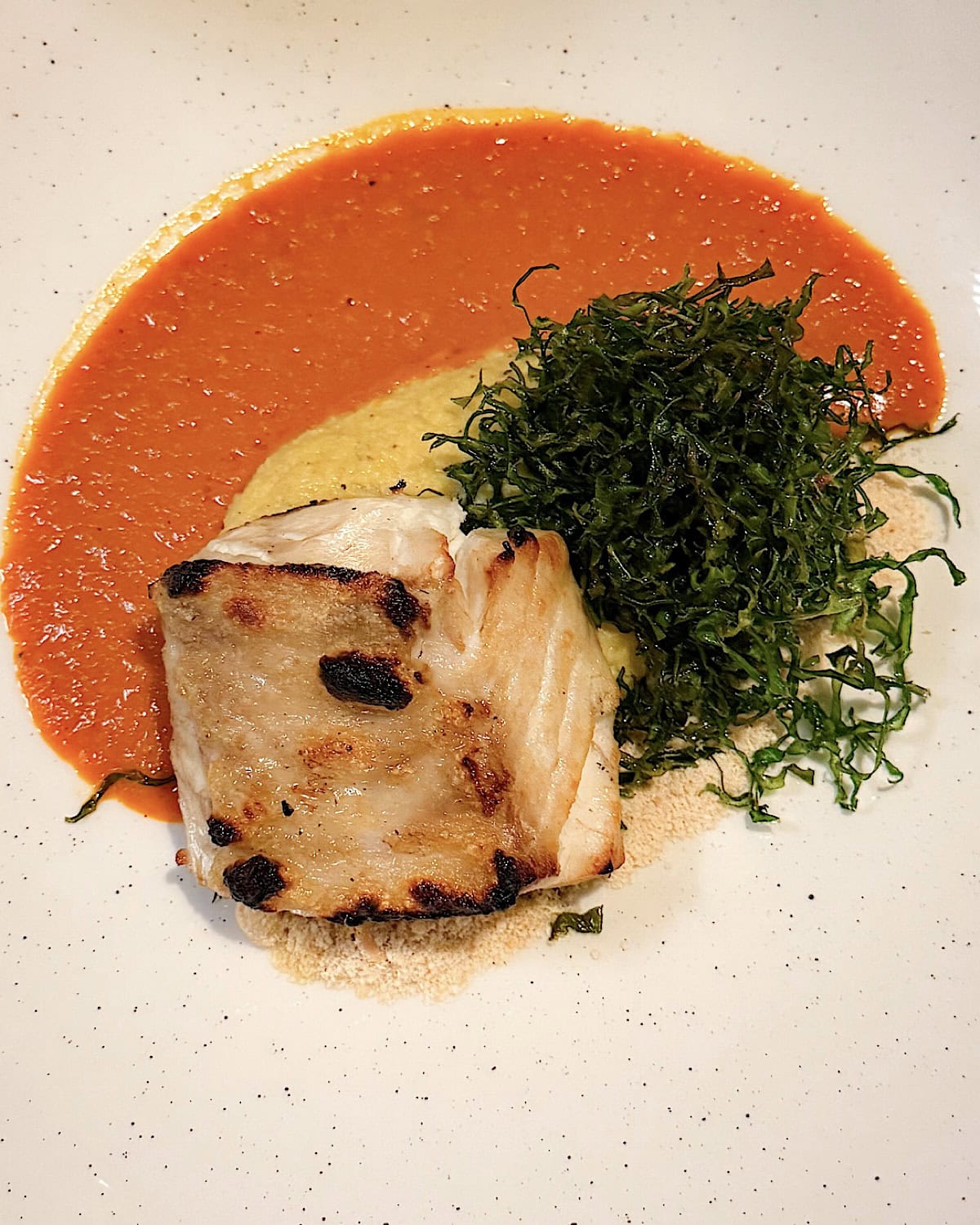
Restaurants in Rio have a very relaxed, easygoing feel. A lot of places are near the beach or open right onto the street, so sitting outside is a big part of the experience. People take their time when they eat; meals aren’t something you rush through. It’s normal to sit for a while, order drinks, talk, and just enjoy being there.
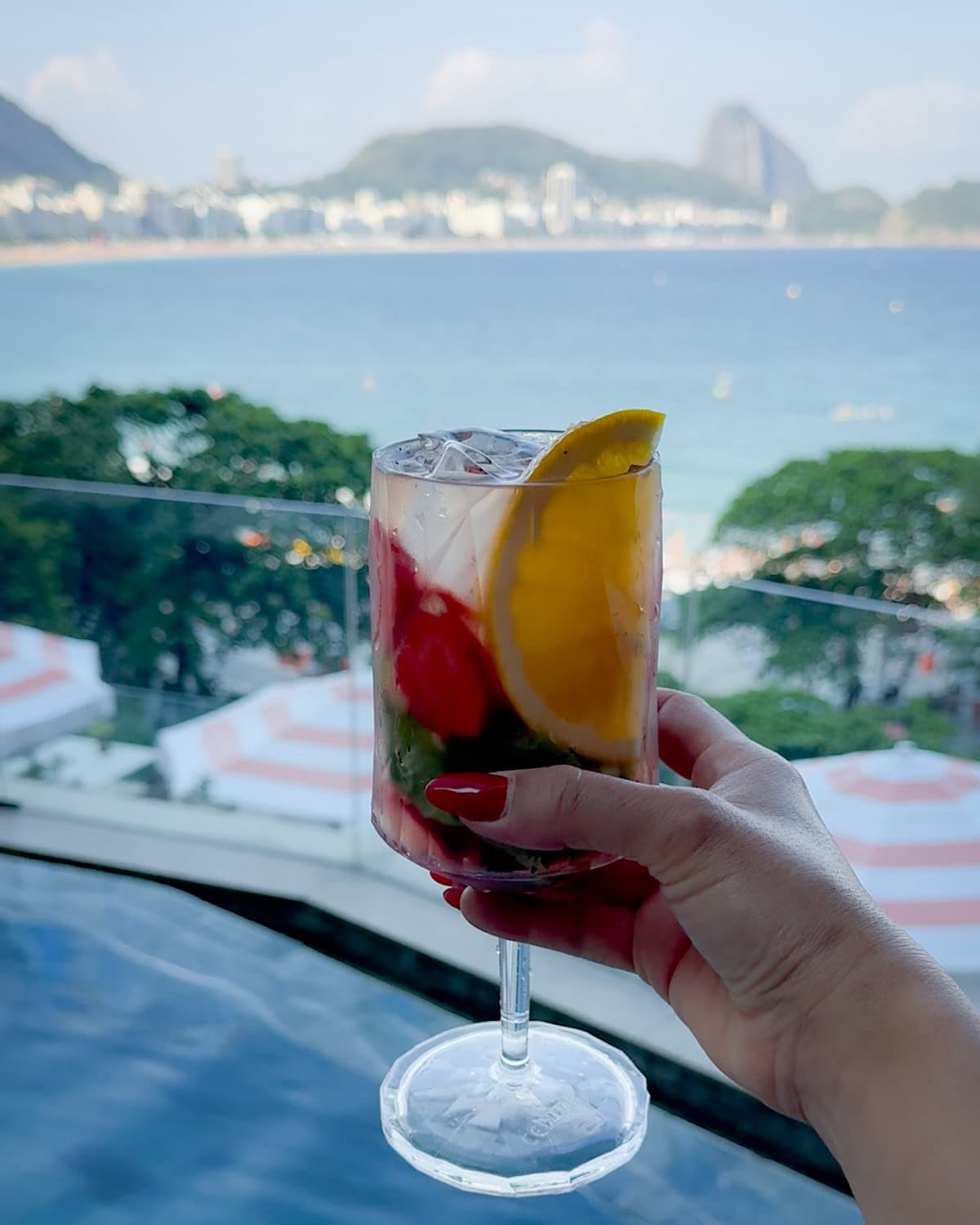
You’ll see people eating at all hours of the day, whether it’s a late lunch, an early dinner, or just stopping somewhere for food and drinks. The vibe is casual, not stiff or formal, and no one seems in a hurry to leave once the food is done. Eating out feels more like part of the day or evening, not just a quick stop to eat and move on.
Escadaria Selarón
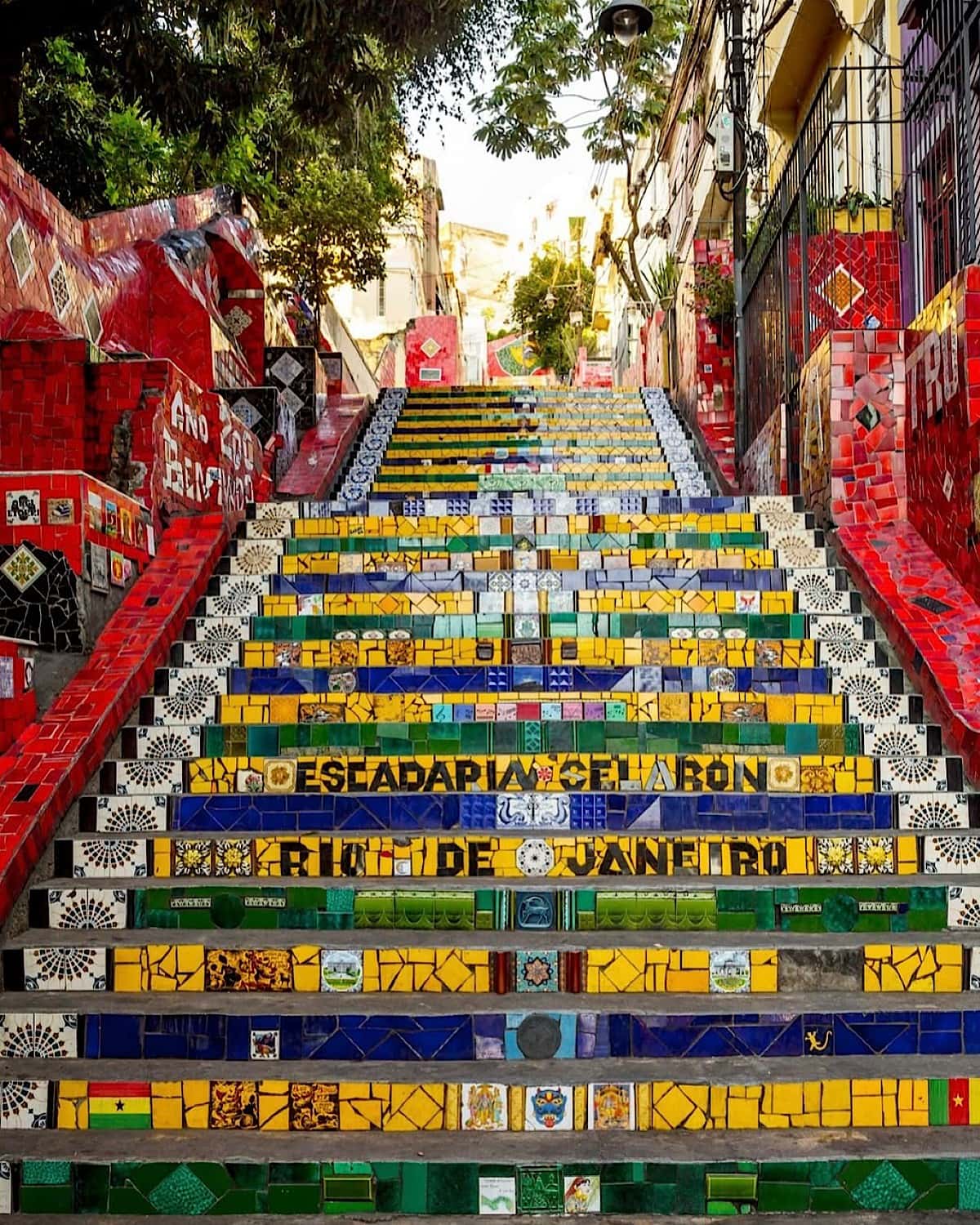
Escadaria Selarón is one of those spots in Rio that’s colorful, creative, and very easy to visit. It’s a long staircase covered in bright tiles from around the world, created by artist Jorge Selarón, that connects the Lapa neighborhood to Santa Teresa. Even if you’re not someone who usually stops for public art, this one is worth seeing because it feels so uniquely Rio. Walking up the steps, you’ll notice that every tile is different; some are bold and colorful, others more subtle, and that’s part of what makes it interesting.
São Paulo
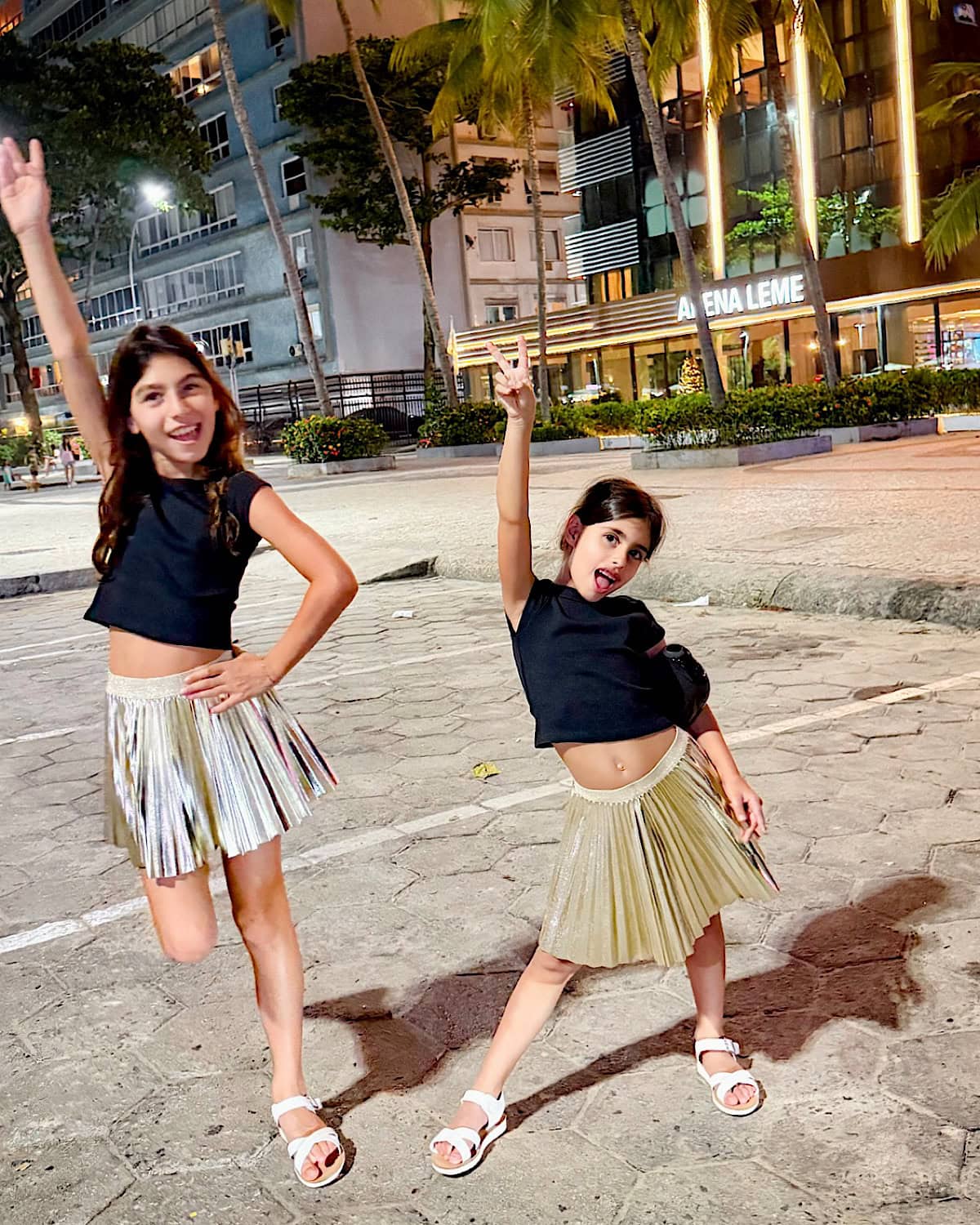
São Paulo is a HUGE city! It’s way bigger and way more urban than Rio, and it doesn’t have beaches or that kind of postcard scenery you think of with Brazil; it’s more about city life itself.
What stands out is how alive it is in a completely different way. It’s super fast-paced, with skyscrapers everywhere, tons of neighborhoods that each have their own vibe, and so much going on all the time. It’s a serious business and financial hub, that’s where big companies and banks are based, and it feels like a place people go to get stuff done.
But it’s not just business. São Paulo’s culture and food scene are huge too. There are world-class museums, parks, markets, independent galleries, and so many restaurants that you could eat out for weeks and not scratch the surface. They even call it one of the world’s major gastronomic cities.
Avenida Paulista
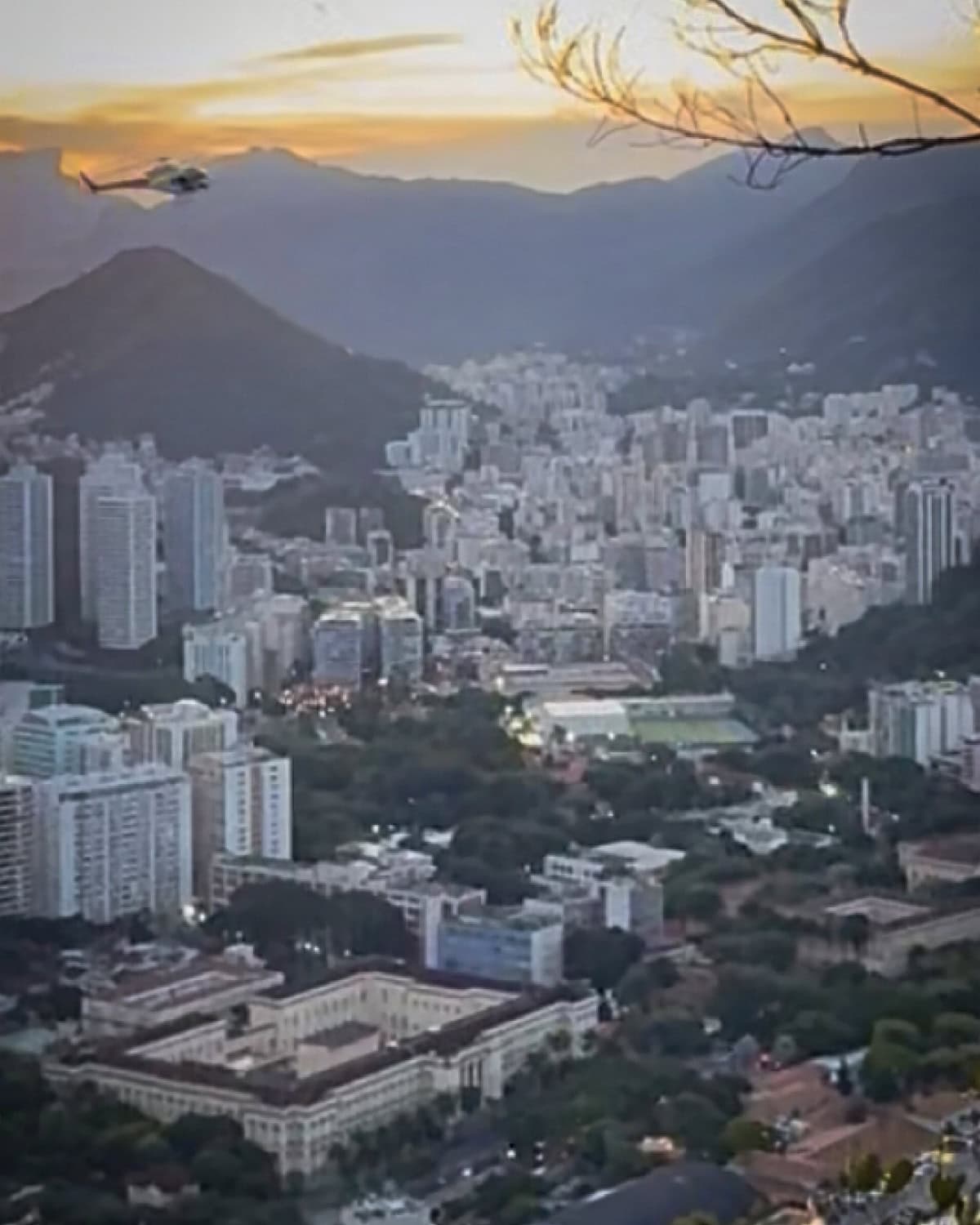
Avenida Paulista is a busy city, full of movement, and lined with museums, cafes, shops, and office buildings. On certain days, parts of the avenue are closed to cars and become a pedestrian zone, completely changing the vibe. You’ll see locals walking, biking, listening to music, and just hanging out. It’s one of those places where you feel the pulse of São Paulo right away.
São Paulo’s Food Scene
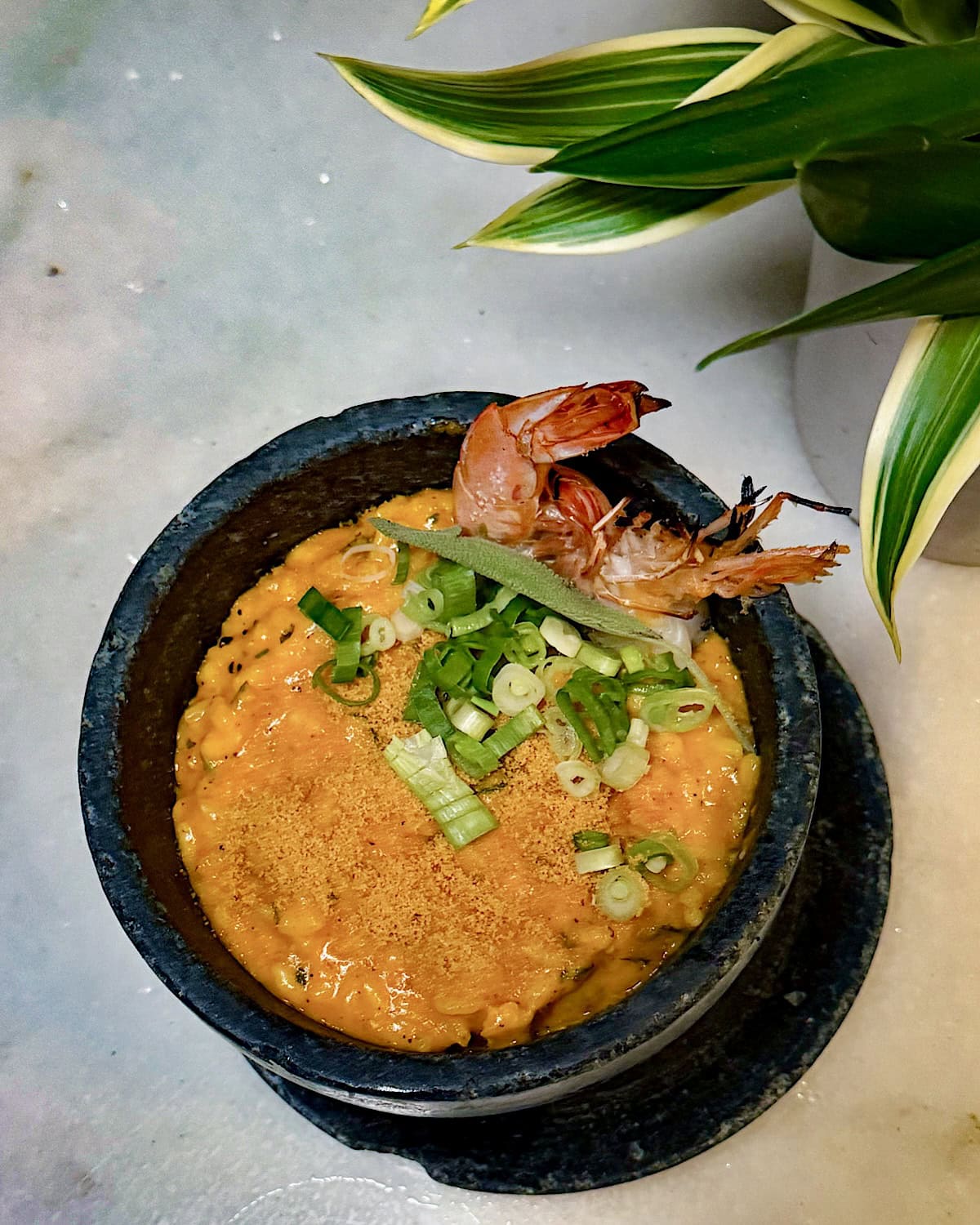
If there’s one thing São Paulo is really known for, it’s the food. Eating is a huge part of everyday life, and you feel that right away. Because the city is so diverse, the food scene is all over the place in the best way. Amazing Brazilian spots mixed with food from pretty much every corner of the world. You can have incredible Italian one night, Japanese the next, and still find classic Brazilian places everywhere. People go out for casual lunches, long dinners that stretch late into the night, or just grab something quick between plans.
Shopping in São Paulo
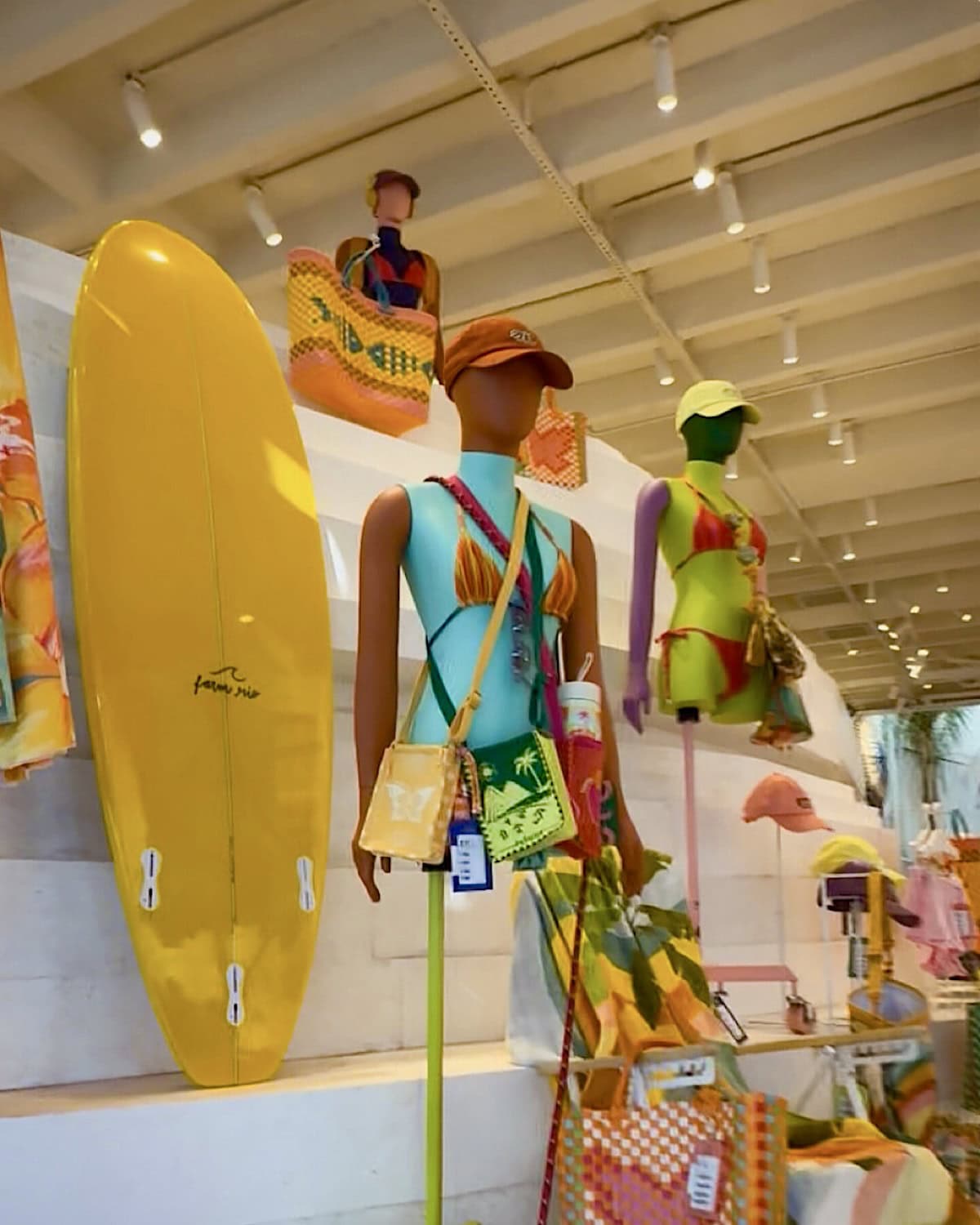
Shopping in São Paulo is kind of wild in the best way because there’s so much variety. You’ve got really nice malls with all the big brands if that’s what you’re in the mood for, but then you also have entire streets and neighborhoods full of cool boutiques and local designers. You can literally bounce between polished, high-end shopping and more laid-back, unique stores without trying too hard.
Some areas feel very fashion-forward, with trendy shops, cute cafés, and places you just wander into without a plan. Other spots are more chaotic and busy, but that’s where you find amazing deals and super local stuff. It doesn’t feel like you need to schedule a “shopping day”. You just end up shopping as you explore the city. São Paulo is one of those places where fashion and shopping are just part of everyday life.
Salvador (Bahia)
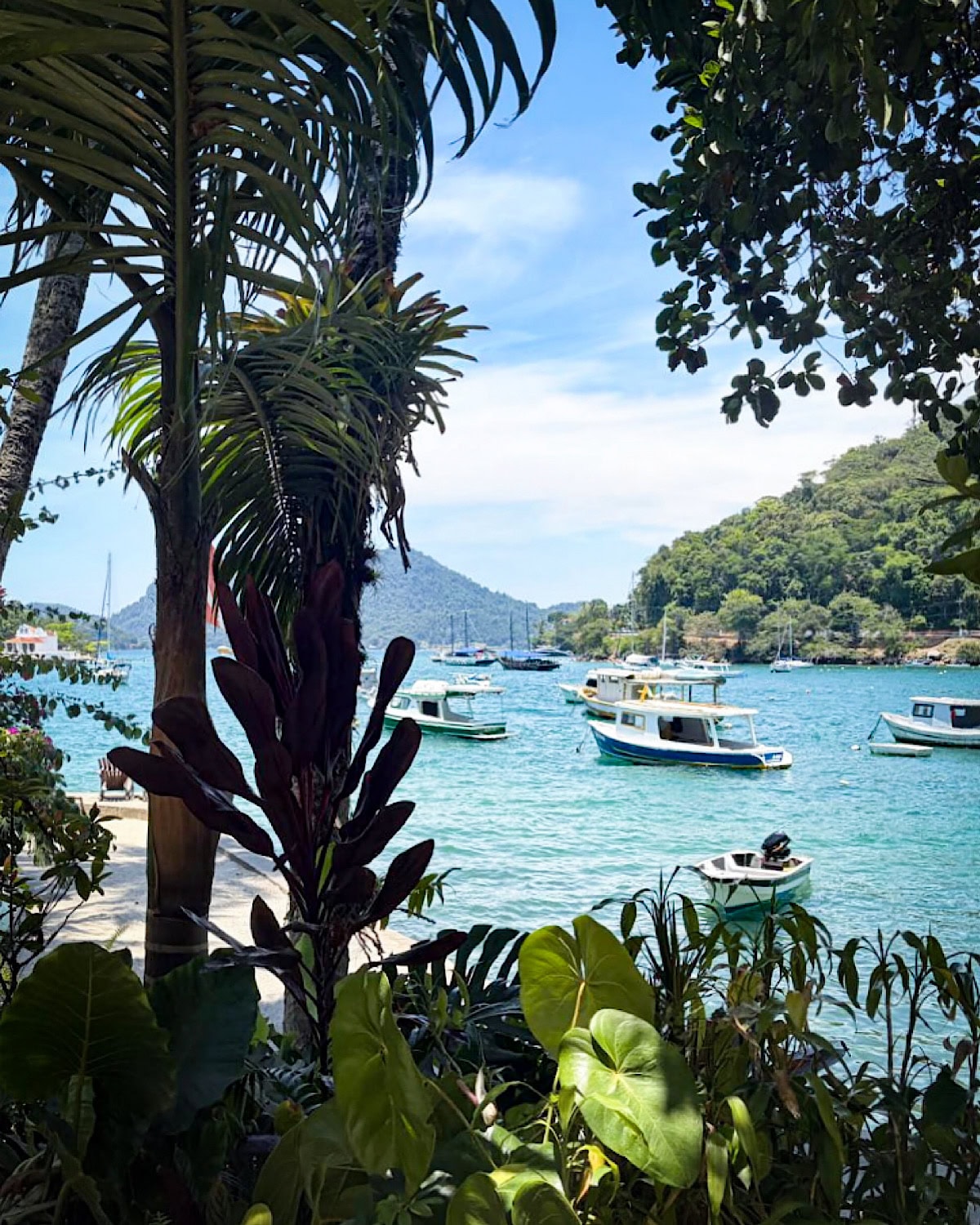
Salvador feels very different from cities like Rio or São Paulo. It’s one of the oldest cities in Brazil, and that shows in its architecture, streets, and overall feel. It’s a coastal city with a warm, tropical vibe, but what really defines it is its culture, not just its beaches. Salvador is known as the heart of Afro-Brazilian culture, and that influence shows up everywhere, in the food, the music, the traditions, and everyday life. The city has a lot of energy, but it also moves at a slower pace.
Pelourinho (Historic Center)
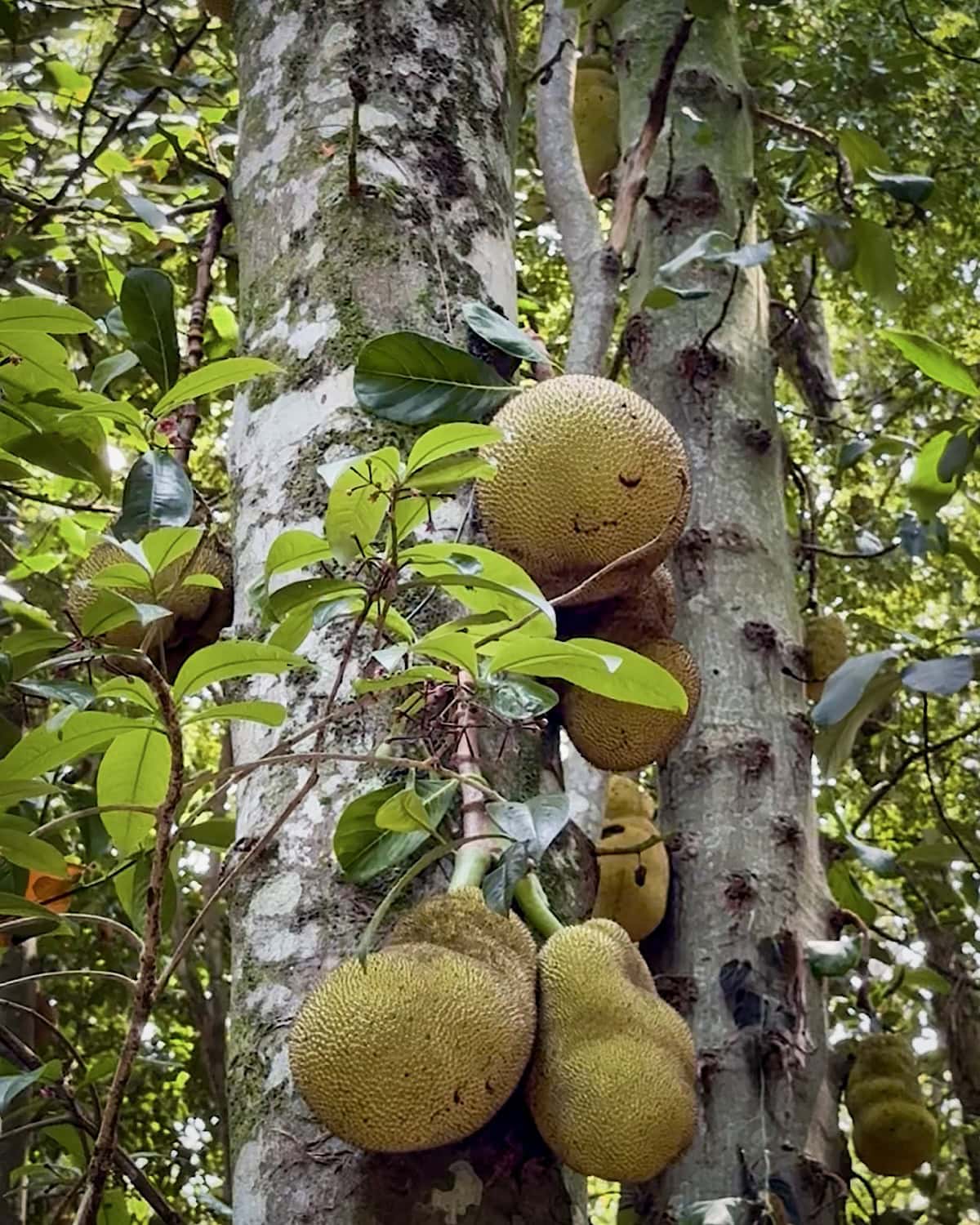
Pelourinho is the historic heart of Salvador and one of the main places you’ll want to spend time. The colorful buildings, cobblestone streets, and colonial architecture make it one of the city’s most visually striking districts. It’s also a UNESCO World Heritage site, which makes sense once you see how much history is packed into such a small area.
Beaches in Salvador
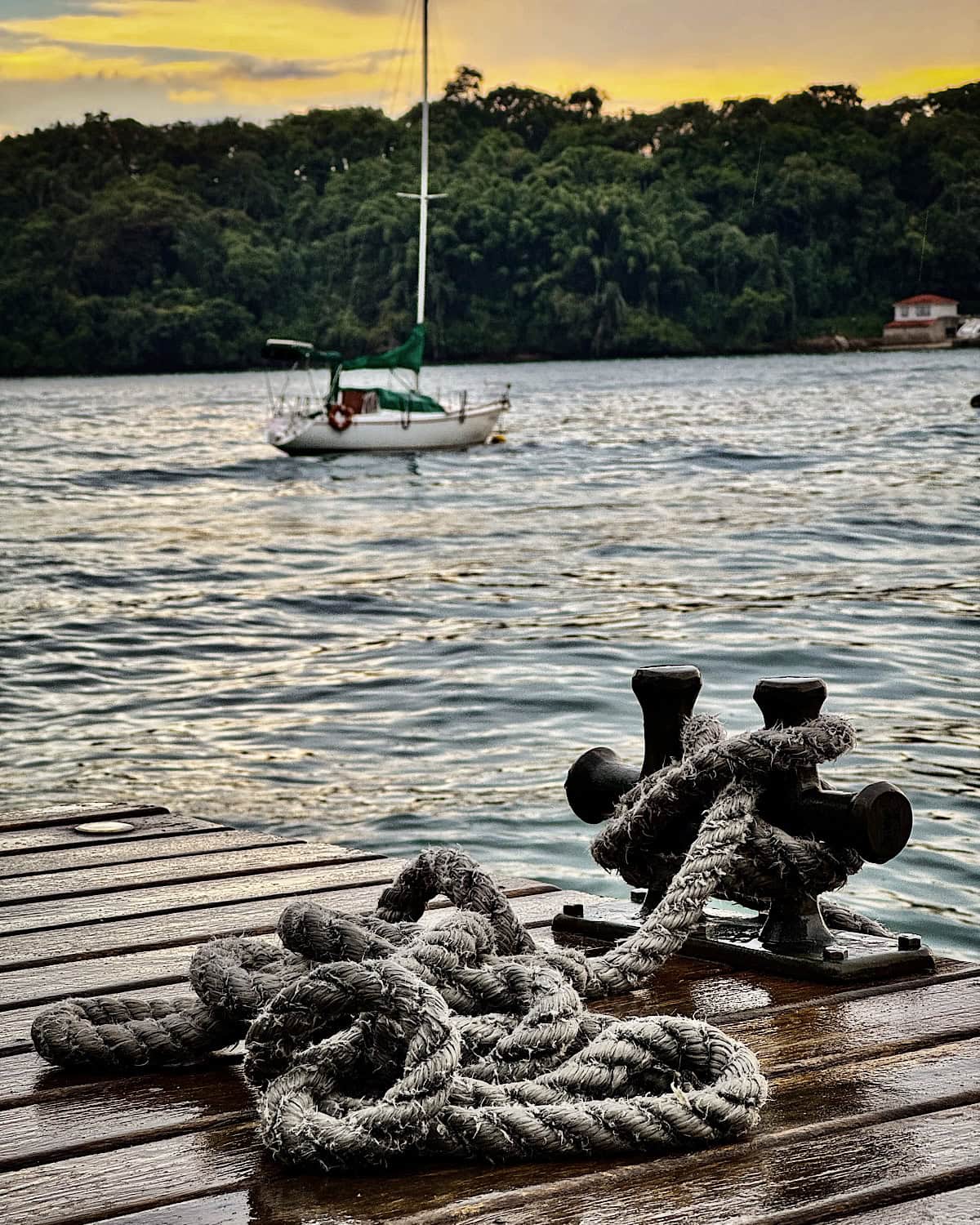
Salvador has beautiful beaches, but they feel different from Rio’s beach scene. They’re less about people-watching and more about relaxing, swimming, and enjoying the coastline.
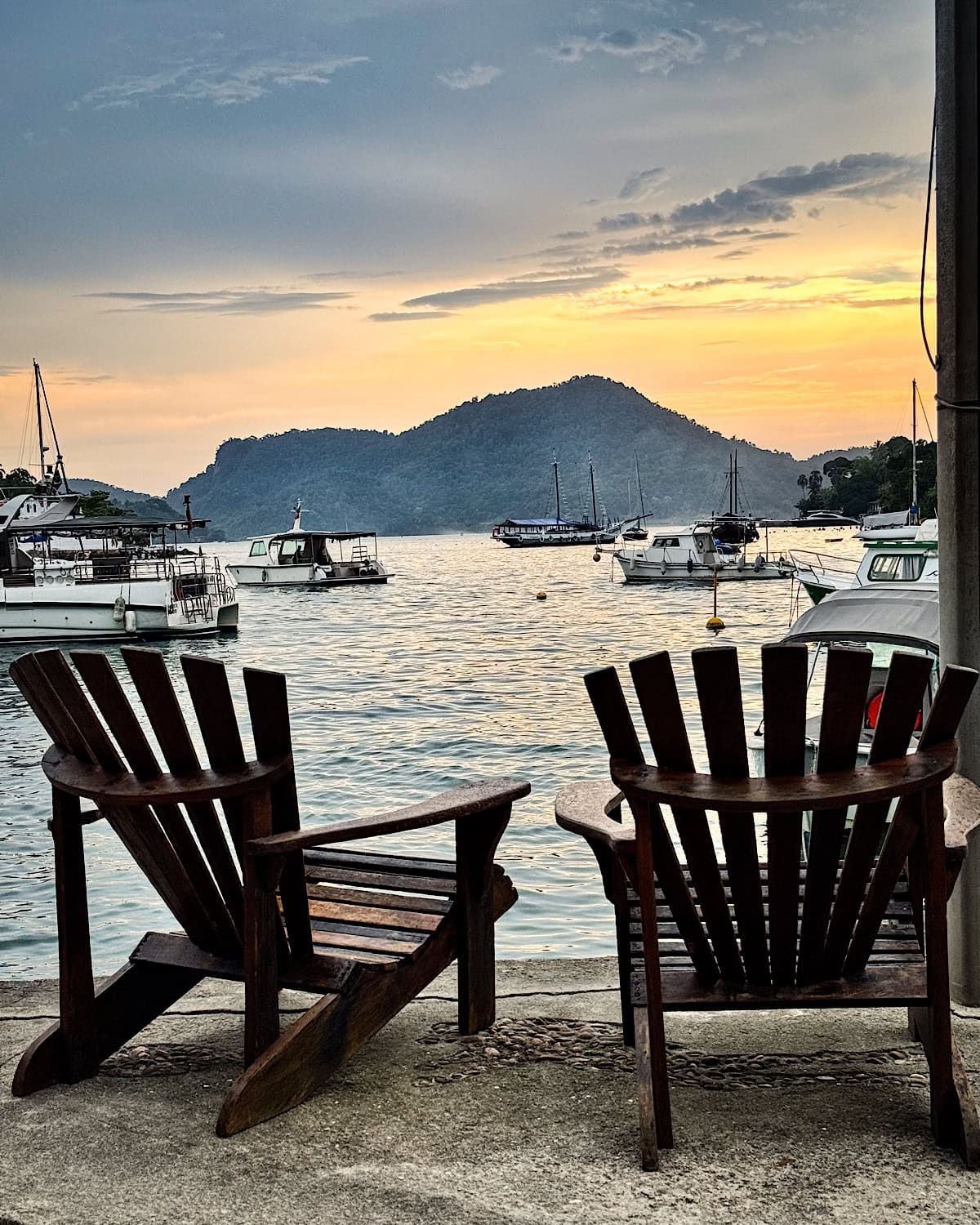
Some beaches are quieter and more local, while others are livelier and closer to the city. Spending time by the water here feels easy and unhurried, and it’s a nice balance to the city’s historic and cultural side.
Food Scene
The food in Salvador is a big part of the experience. Influenced heavily by African traditions, the flavors here feel bold and distinct compared to other parts of Brazil. Meals often feel like cultural experiences in themselves, and food plays a major role in daily life. Whether you’re eating somewhere casual or sitting down for a longer meal, it’s one of the best ways to understand the city.
Everyday Life & Atmosphere
What really stands out in Salvador is the sense of everyday life happening all around you. People gather, talk, celebrate, and take their time. The city doesn’t feel rushed, and it encourages you to slow down, too. It’s a place where you absorb the experience rather than rush through attractions, and that’s what makes it memorable.
Angra dos Reis
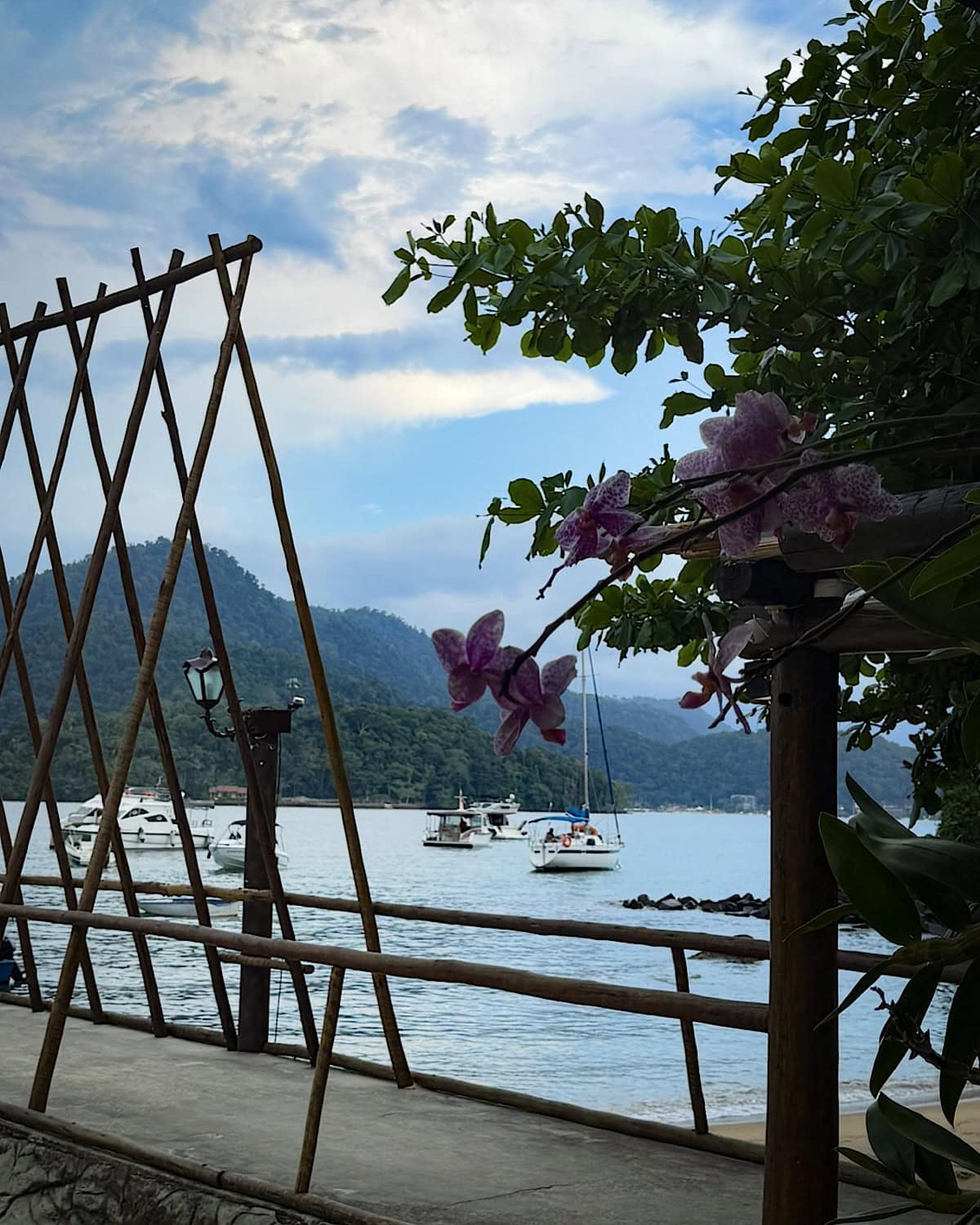
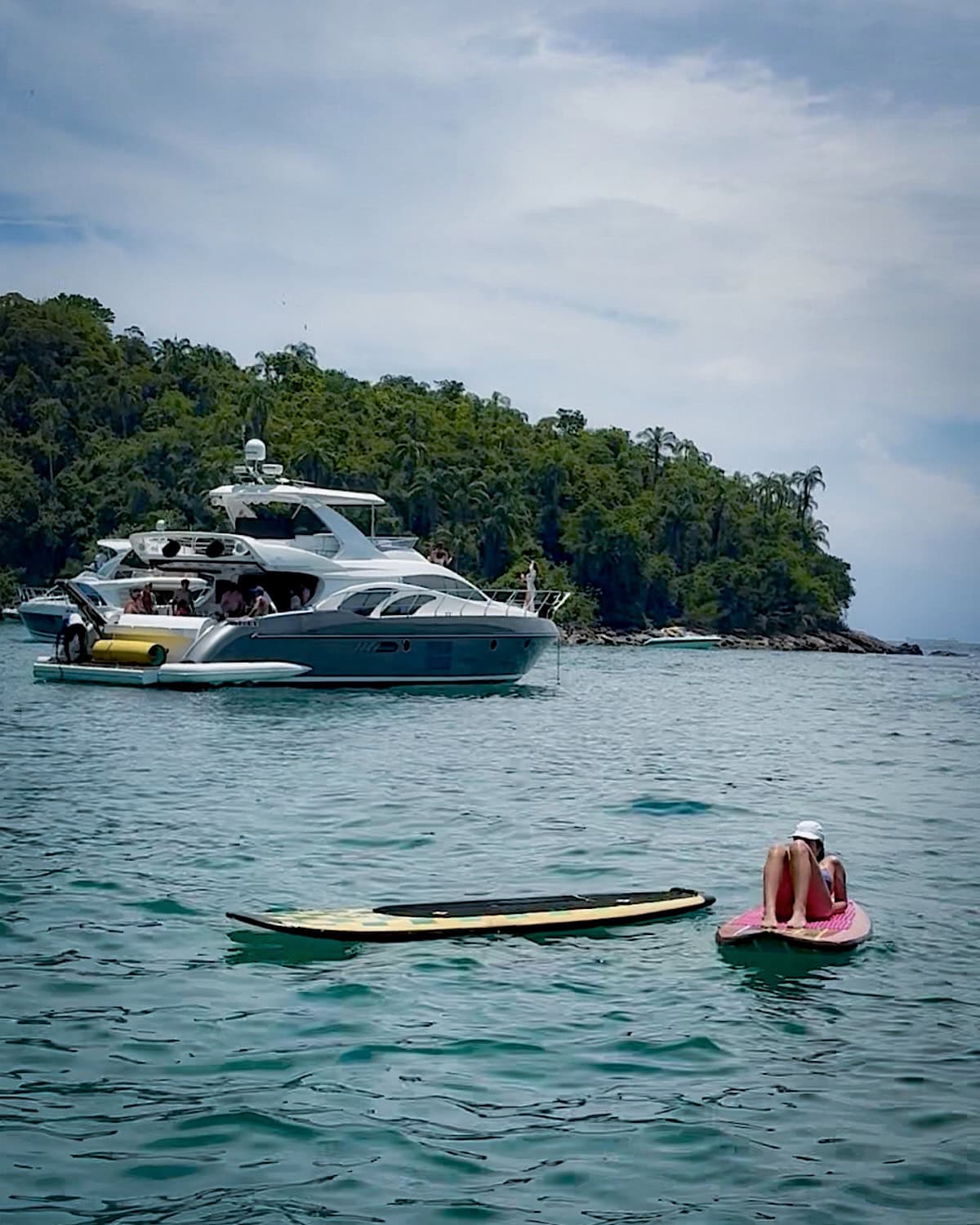
Angra dos Reis honestly surprised us in the best way. We went because our Brazilian friend suggested it and kept saying how beautiful it was, but we didn’t fully understand just how stunning it would be until we got there. The islands, the water, the scenery, it’s one of those places where everything suddenly feels calm and unreal at the same time.
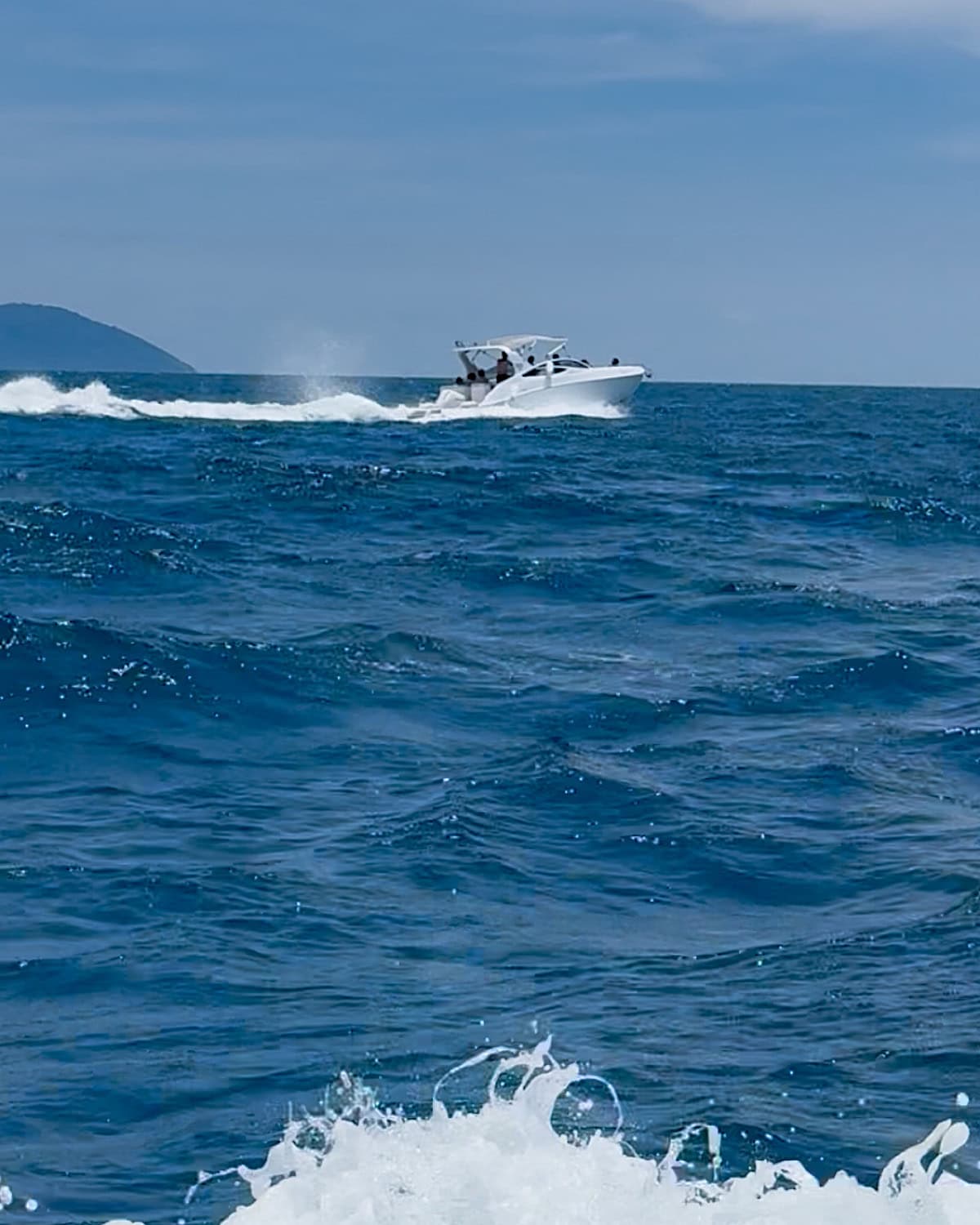
Getting there, though, took longer than we expected. With traffic, it was about a 4.5 to 5-hour drive, which is definitely something to plan for. At the time, we treated it more like a long day trip, but once we arrived, we immediately realized we should’ve stayed at least one night. It’s the kind of place where you don’t want to rush back, you want to slow down, stay overnight, and really enjoy it.
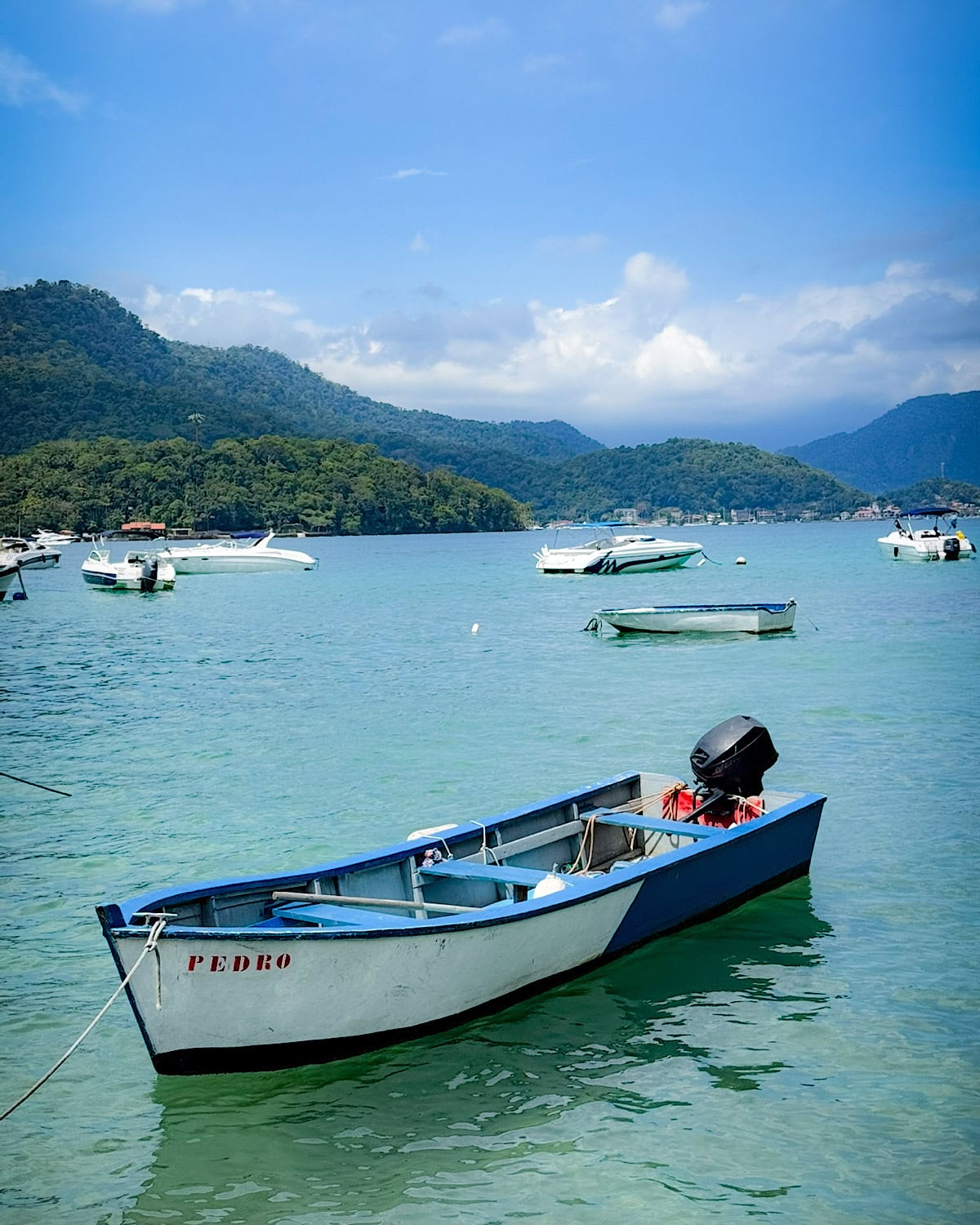
The islands around Angra dos Reis are absolutely gorgeous. The water is clear, the landscape is lush and green, and everything feels very untouched compared to a big city. It’s perfect for boat tours, swimming, and just being out on the water. Seeing all the small islands scattered around makes you feel like you’re somewhere completely different, even though it’s not that far from Rio.
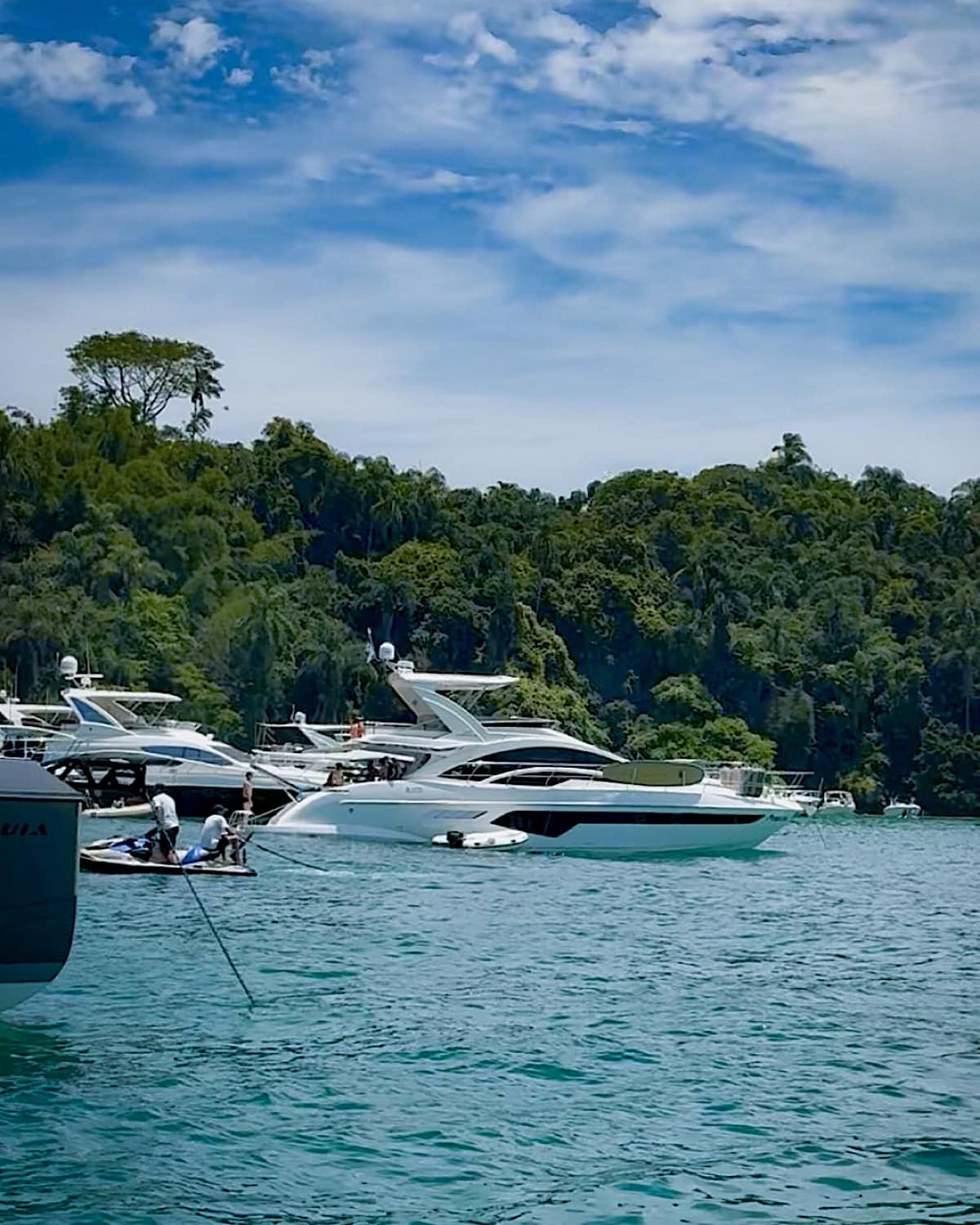
Looking back, I really wish we had known more about Angra dos Reis before going. If we had, we definitely would’ve planned to stay overnight instead of trying to squeeze it into one day. It’s one of those places that deserves time, not just a quick visit. If you’re already in Rio and have a few extra days, Angra dos Reis is absolutely worth adding to your trip. Just make sure you plan it properly so you can fully enjoy it.
Ouro Preto
Ouro Preto is a small historic town in Brazil known for its gold rush past. The name literally comes from “black gold,” which was found there hundreds of years ago. Because of that gold, the town became really important back in the 1700s, and a lot of money went into building churches and homes, which is why so much old architecture is still there.
What makes Ouro Preto stand out is its well-preserved architecture. The town is full of steep cobblestone streets, old colonial buildings, and very detailed churches. It doesn’t feel modern; it’s more like stepping back in time. That’s why it’s considered one of the most important historic towns in Brazil. Ouro Preto is more about history, art, and seeing what Brazil looked like centuries ago. It’s known for its churches, traditional architecture, and for the fact that much of it has been preserved exactly as it was.
Amazon Rainforest
Unfortunately, we didn’t have enough time to make it to the Amazon rainforest. And honestly, the Amazon isn’t the kind of place you just “check off” a list. It’s more about being somewhere completely different — wild, intense, and surrounded by nature.
Most people go through Manaus, a big city right in the middle of the rainforest. Manaus itself is busy, but once you leave the city and head into the jungle, everything changes. Things slow down, it’s green everywhere you look, and you really start to understand just how huge the Amazon actually is.
How to Explore the Amazon
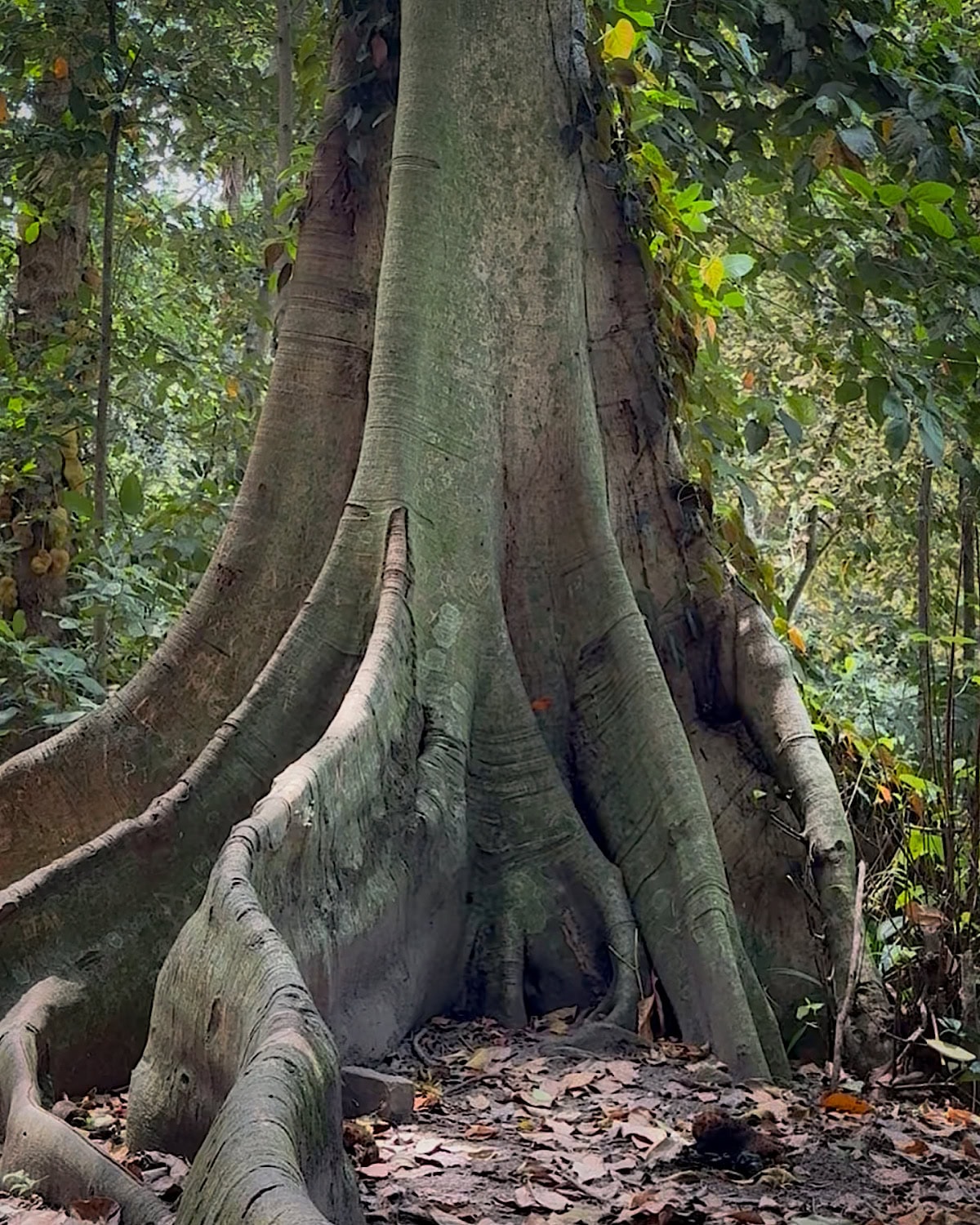
Most people explore the Amazon by starting in a city like Manaus and then heading deeper into the rainforest. Once you leave the city, travel is usually done by boat, since rivers are basically the main roads in the Amazon. Some people stay in jungle lodges where you’re surrounded by nature and go out on guided walks and boat trips during the day. Others choose river cruises, which let you move through different areas while staying on the water.
Wildlife & Nature Experiences
One of the biggest reasons people visit the Amazon Rainforest is for wildlife viewing. This is one of the most biodiverse places on Earth, home to countless species of animals, birds, and plants. Depending on the time of year and where you go, you might spot monkeys, sloths, colorful birds, frogs, and even river dolphins.
Wildlife sightings aren’t guaranteed, and that’s part of what makes the experience feel authentic. This isn’t a zoo, it’s real nature. Early mornings and evenings are often the best times to see animals, and night walks offer a completely different perspective on the rainforest.
Best Time to Visit
There isn’t really one “perfect” time to visit the Amazon. It depends on what kind of experience you want. The year is usually split into a wetter season and a drier season, and both feel very different.
During the wetter months, the rivers rise, and much of the forest floods. That makes it easier to explore by boat and reach deeper parts of the jungle, and everything feels extra green and lush. You’ll see more of the Amazon from the water, but you’ll also deal with more rain.
In the drier months, water levels drop, and more land opens up, which means more walking and hiking through the forest. There’s usually less rain, so days feel a bit more predictable. You won’t travel as much by boat, but you get a different perspective of the jungle.
So the best time really comes down to how you want to explore, more time on the water or more time on land. Both seasons show a different side of the Amazon, and neither one is a bad choice.
Why the Amazon is Worth the Visit
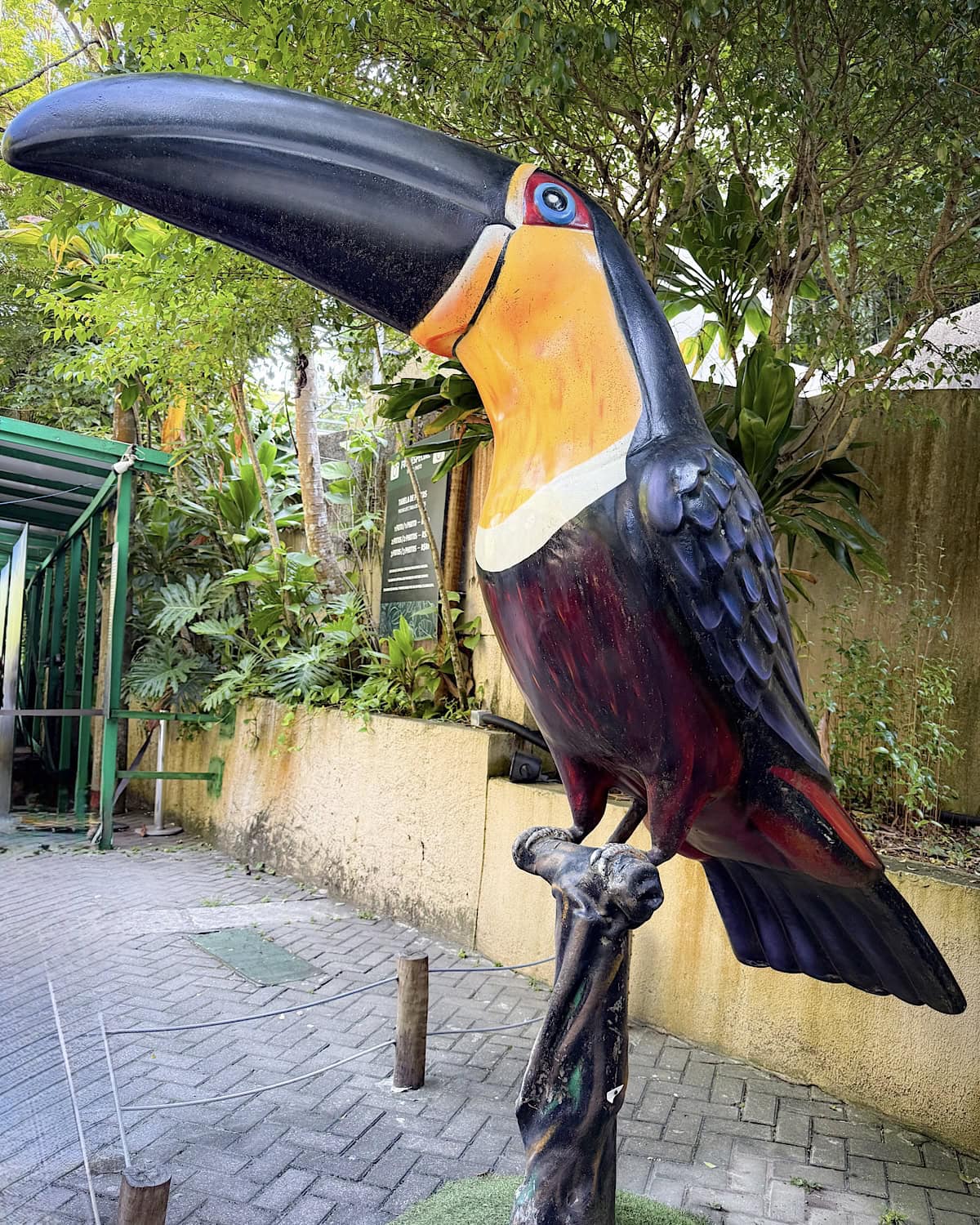
Even though I haven’t been to the Amazon myself yet, it’s high on my bucket list. It’s one of those places that feels completely different from anywhere else. Wild, massive, and all about nature. The wildlife, the rivers, the greenery everywhere… it feels like an experience more than a trip, and that’s exactly why I want to see it for myself someday.
Beaches & Islands in Brazil Worth Adding to Your Trip

Brazil’s beaches and islands are incredibly diverse, which is what makes them so fun to explore. Depending on where you go, the experience can feel completely different, from protected islands with crystal-clear water to laid-back beach towns surrounded by dunes and lagoons.
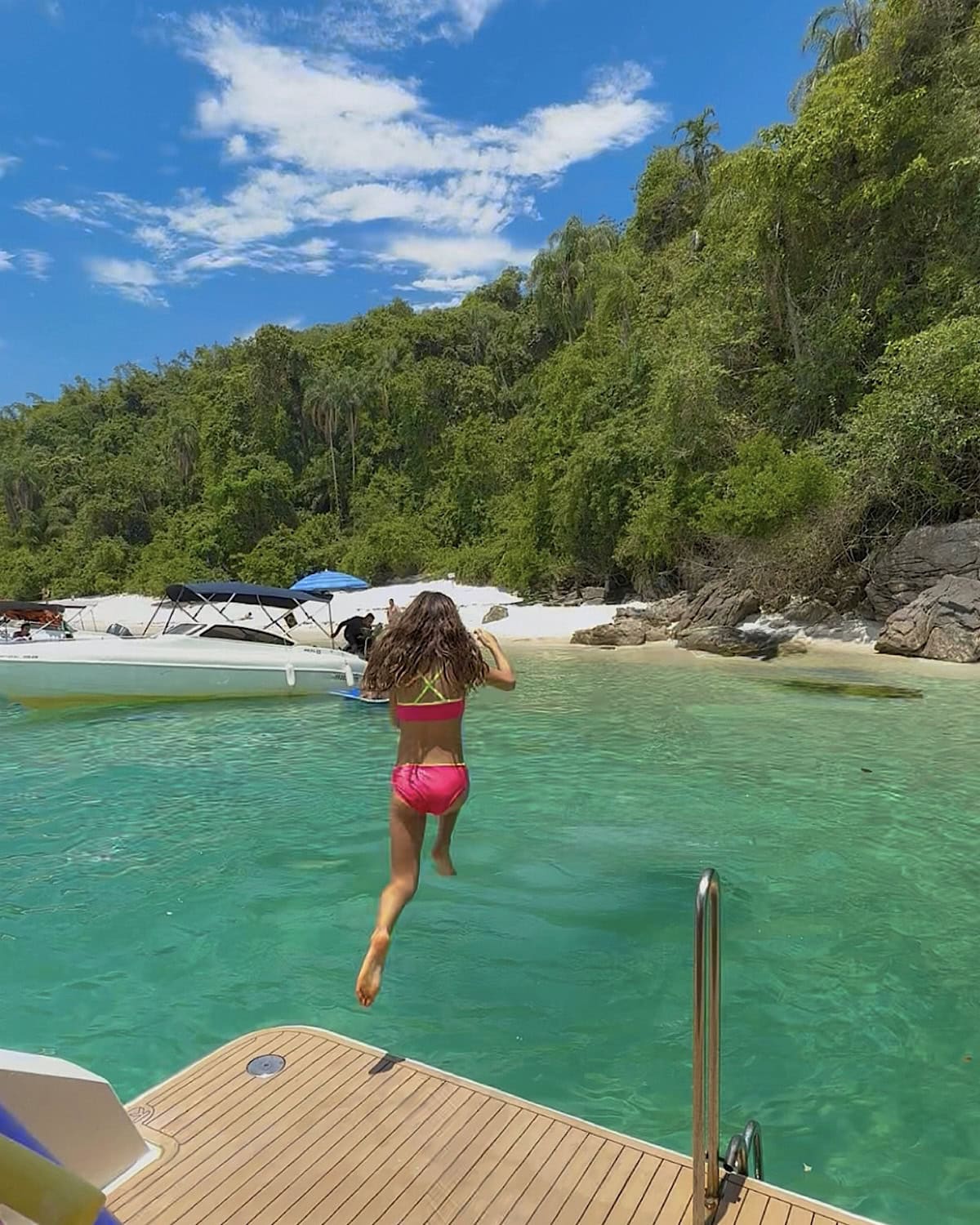
Some places are perfect for quiet, nature-focused days, while others offer more energy, activities, and a social atmosphere. What they all have in common is how connected they feel to the landscape, whether it’s lush greenery, wide stretches of sand, or clear blue water.
Fernando de Noronha
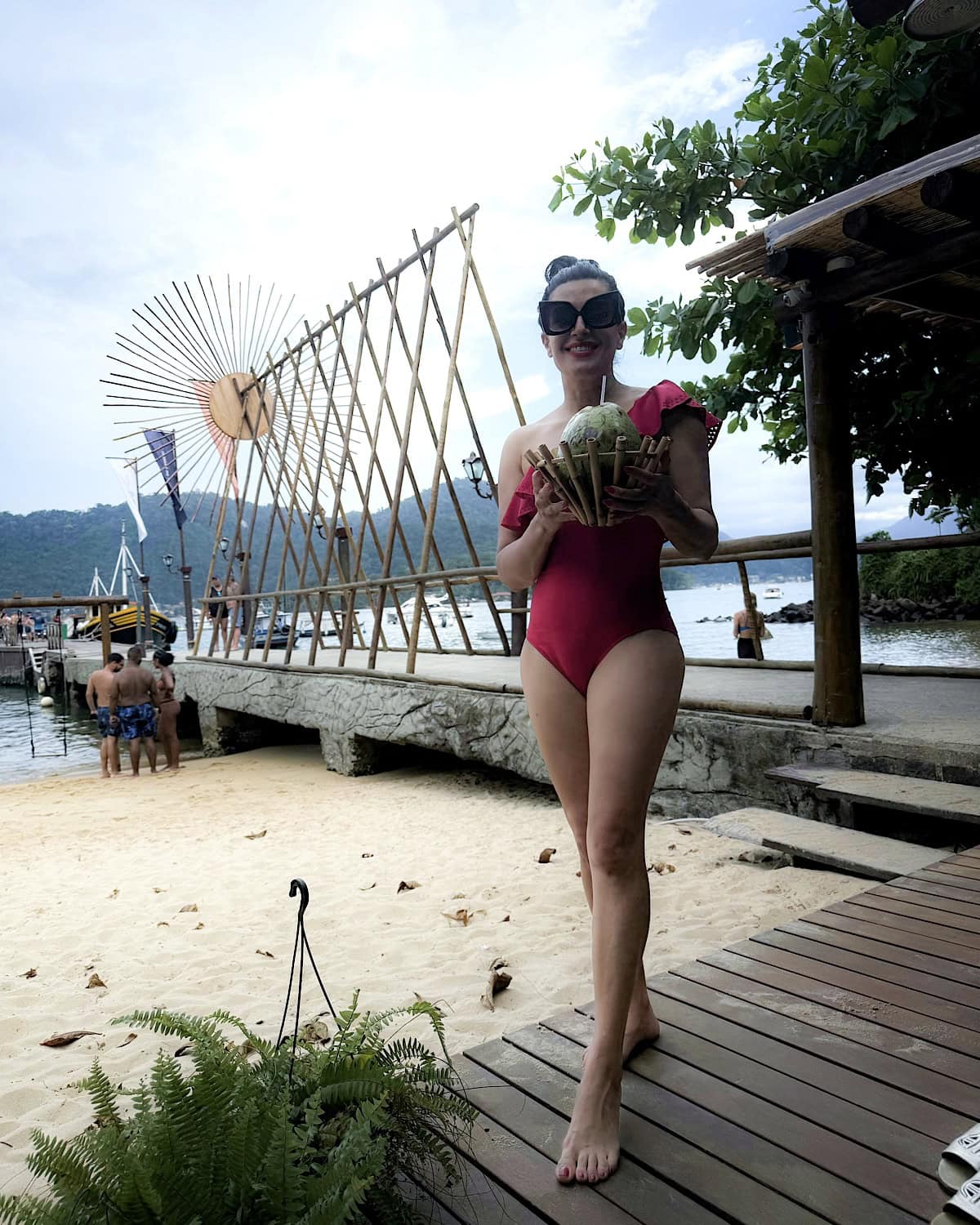
Fernando de Noronha is one of those places people talk about quietly, almost like they don’t want too many others to find out about it. It’s a protected archipelago, which means tourism is limited, and that’s exactly why it feels so pristine. The beaches here are incredibly clean, the water is clear, and the overall atmosphere feels calm and untouched compared to more popular beach destinations.
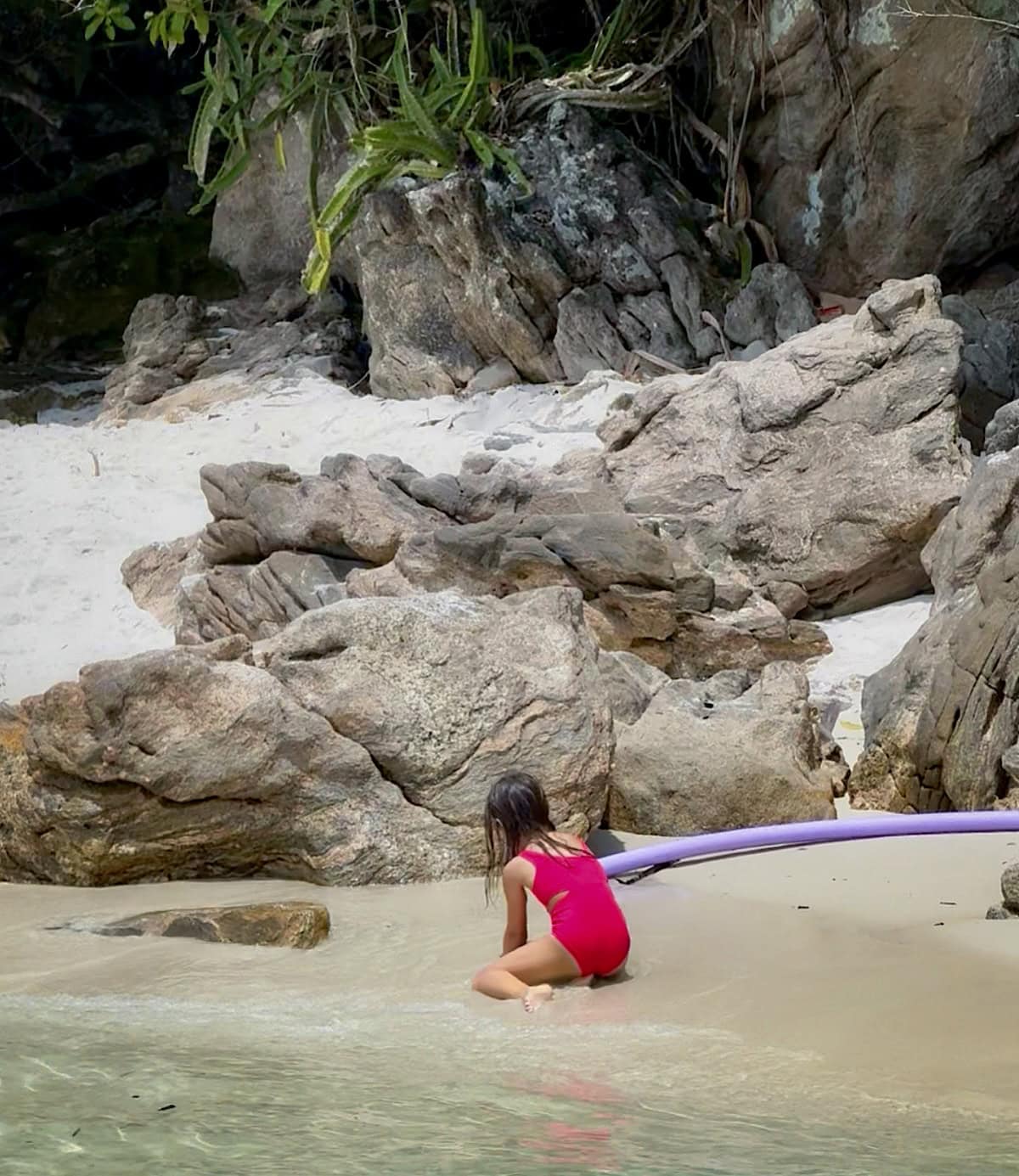
This is an ideal place if you love being in the water. The diving and snorkeling here are some of the best in Brazil, with excellent visibility and abundant marine life. Because visitor numbers are limited, it never feels overcrowded, making the experience feel more special. Fernando de Noronha is perfect if you’re looking for a slower pace, nature-focused beach experience, and somewhere that truly feels like a once-in-a-lifetime stop.
Jericoacoara
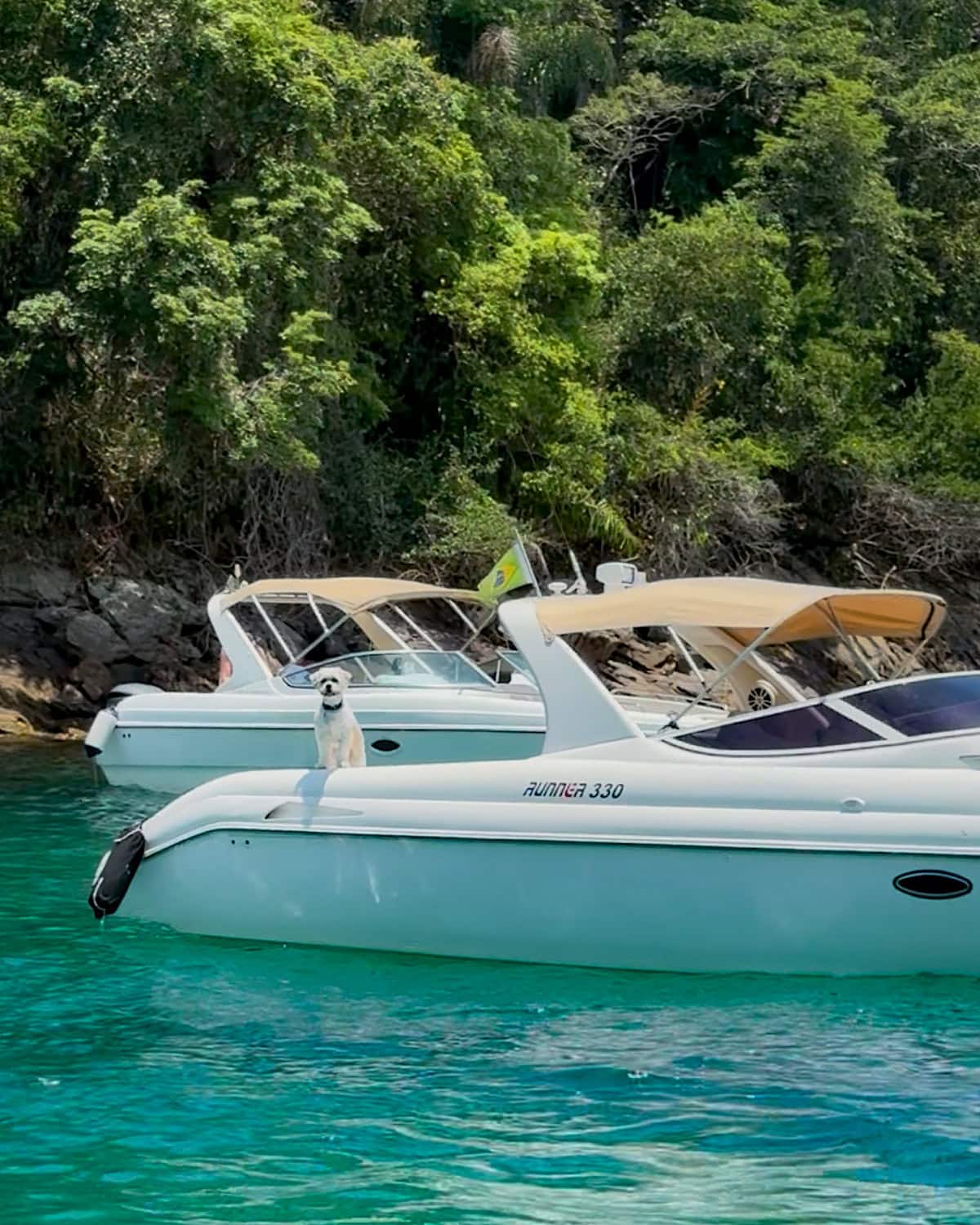
Jericoacoara, often called Jeri, has a laid-back vibe that’s hard to resist. It’s a small beach town surrounded by sand dunes, lagoons, and open landscapes, and it feels far removed from busy cities. Getting there takes a bit of effort, but that’s part of what keeps it so special.
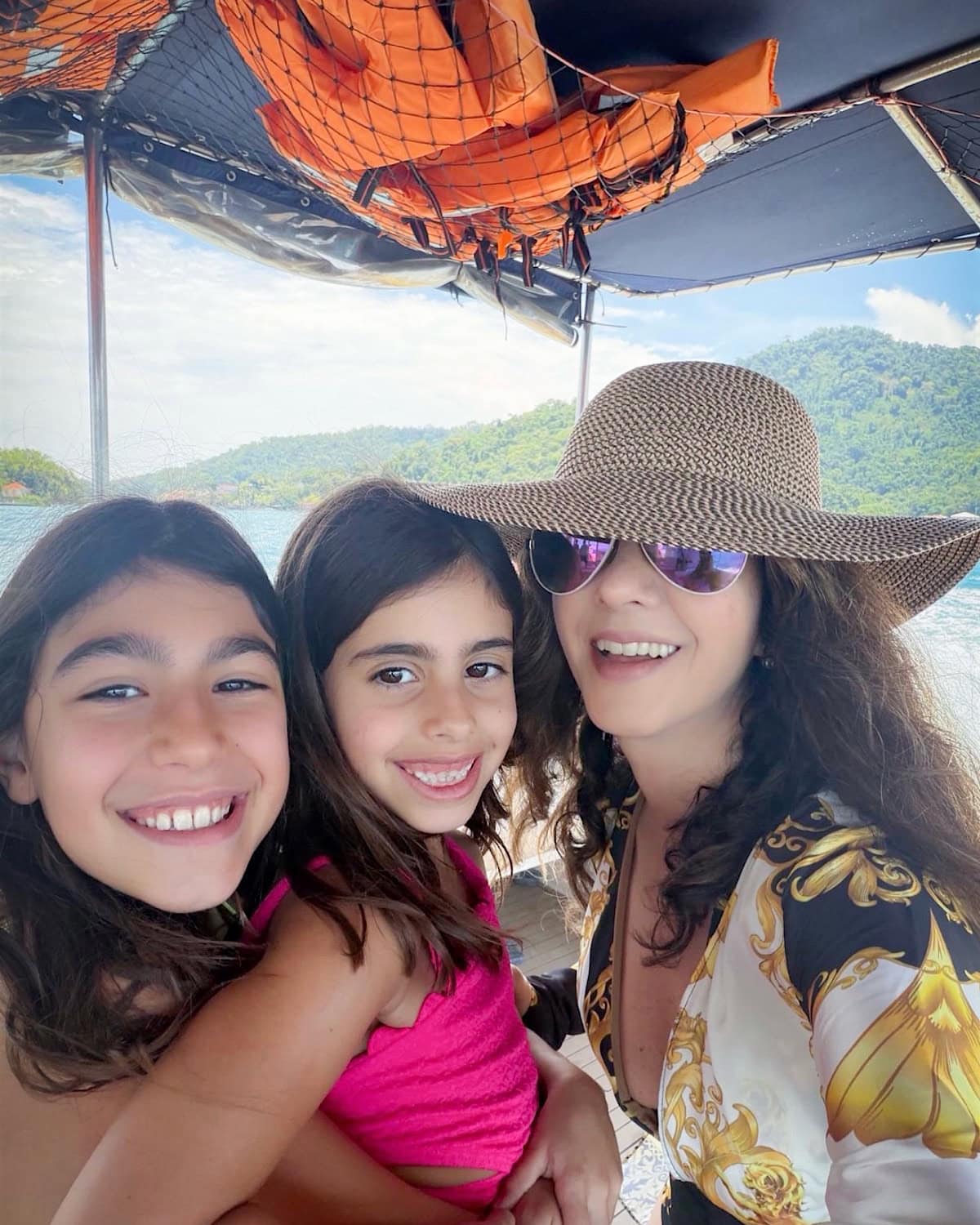
People visit Jeri for its natural beauty and easygoing atmosphere. The dunes and freshwater lagoons are stunning, and the sunsets here are among the best in Brazil. It’s also a popular spot for windsurfing and kitesurfing thanks to the steady winds. If you’re looking for a place where days revolve around the beach, nature, and slowing down, Jericoacoara is a great choice.
Ilha Grande
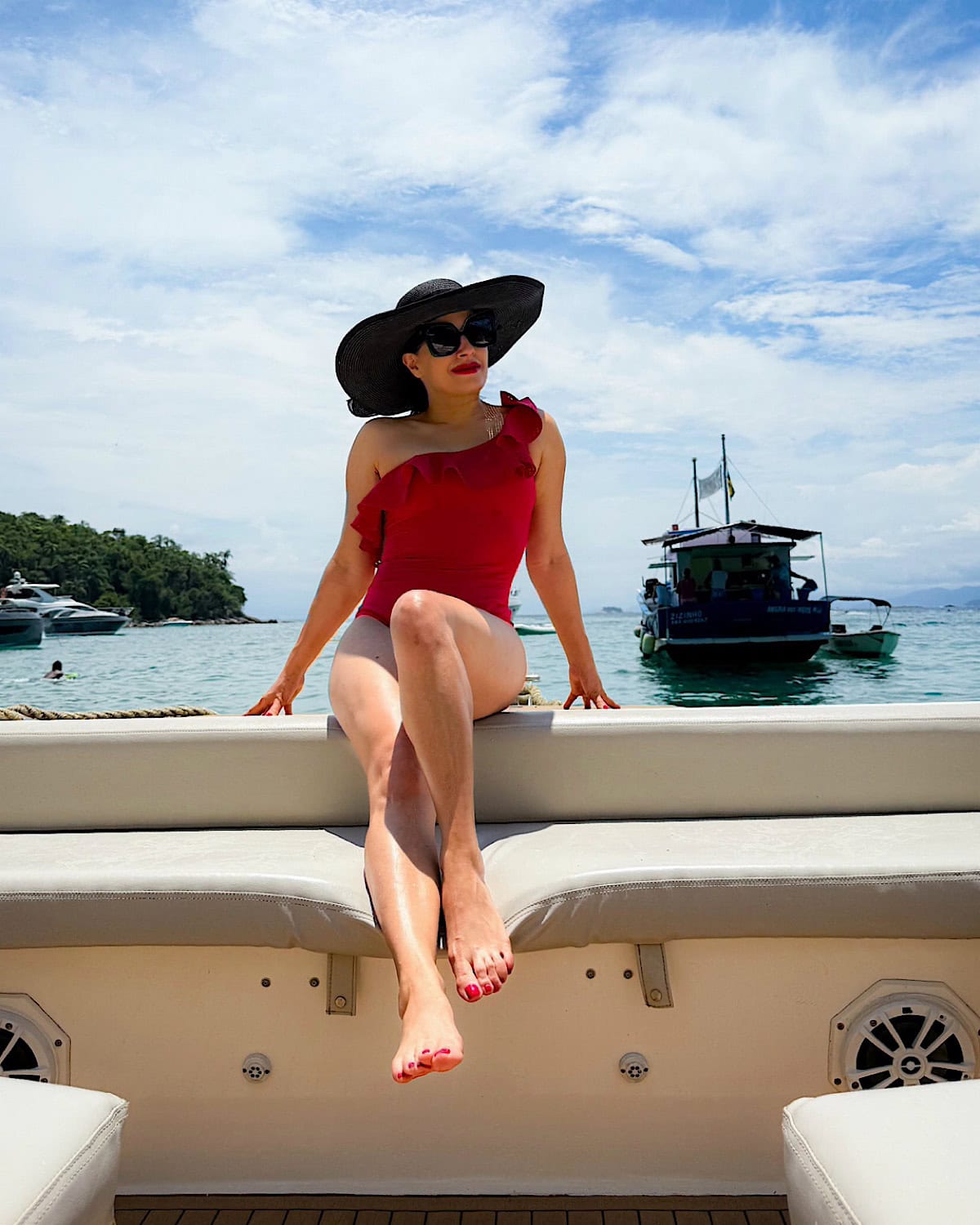
Ilha Grande is one of those places that immediately makes you wish you had more time. Located near Rio de Janeiro, it’s a lush, car-free island where everything revolves around nature. There are no cars here, which instantly changes the pace and makes the whole island feel peaceful and relaxed.
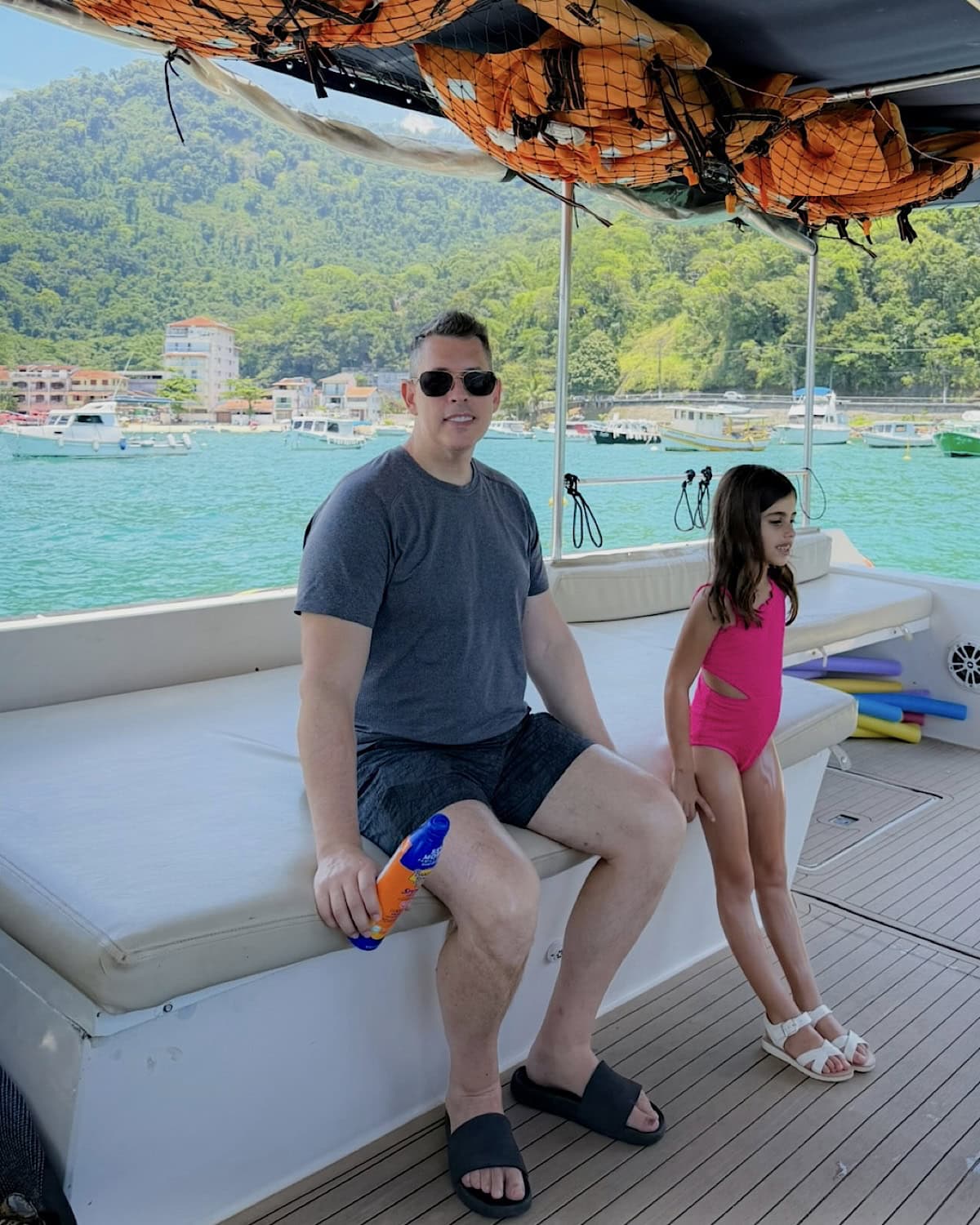
The beaches are beautiful and varied, some easy to reach, others only accessible by boat or hiking trail. Lopes Mendes Beach is especially well known for its soft sand and clear water, but there are plenty of quieter spots if you’re willing to explore. Ilha Grande is ideal if you want a mix of beach time and light adventure, with hiking trails, swimming, and boat trips all in one place.
Florianópolis
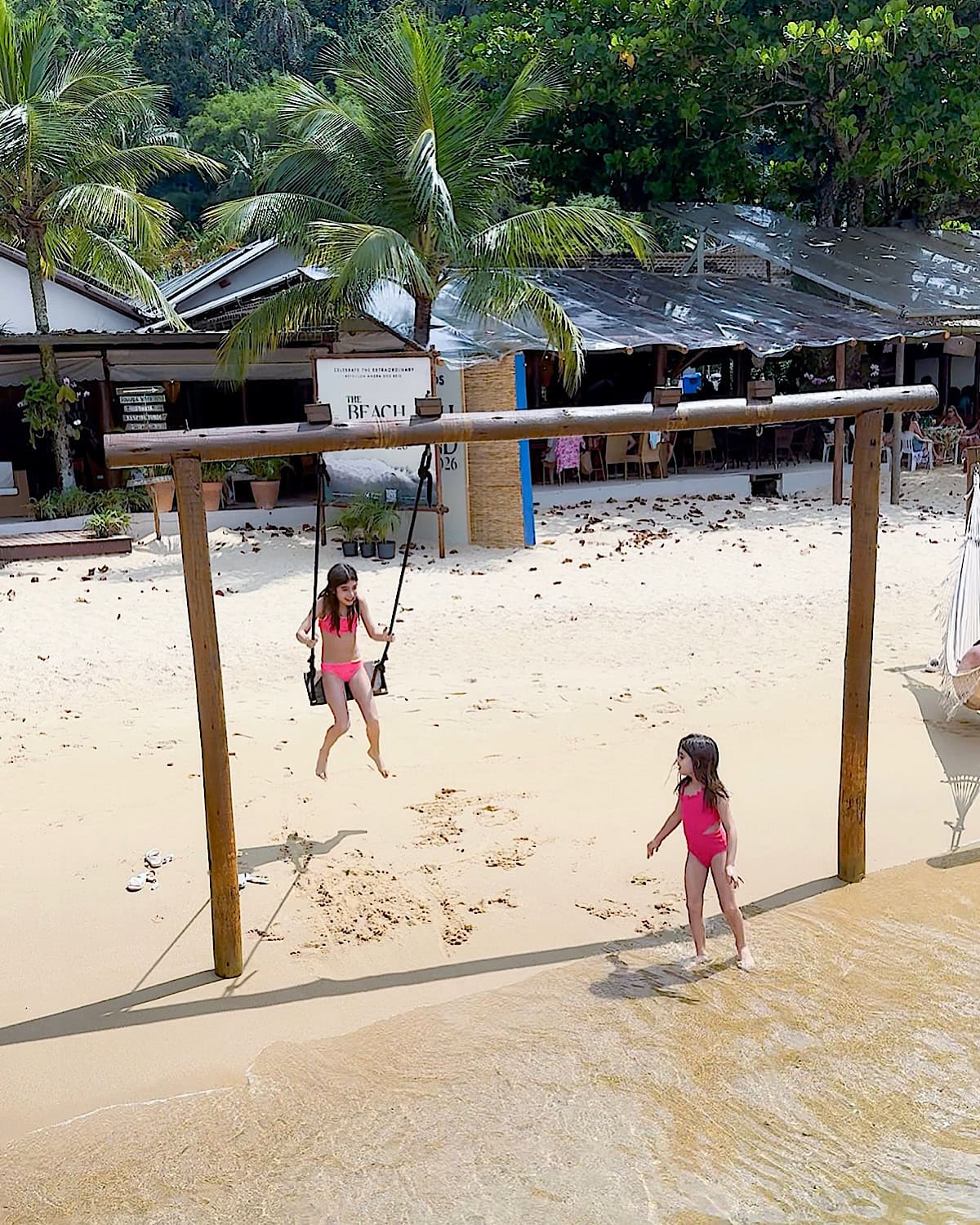
Florianópolis offers a very different beach experience compared to the rest of Brazil. Located in the south, this island city is known for its wide variety of beaches, each with its own character. Some are calm and great for relaxing, while others are popular for surfing and more active days.
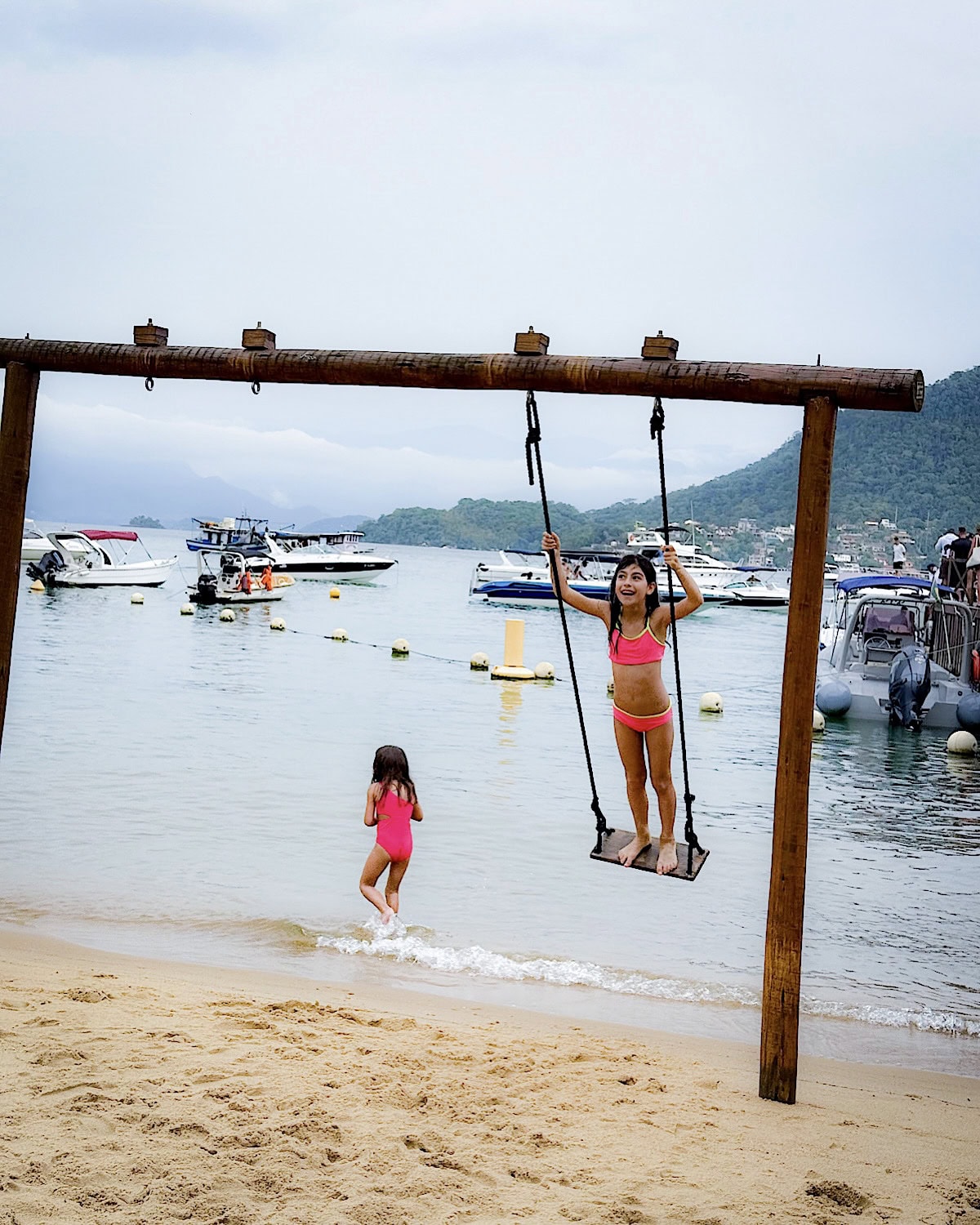
What makes Florianópolis appealing is its balance. You get beautiful beaches, but you also have a city atmosphere with restaurants, shopping, and nightlife. It’s a great option if you want beach time without feeling completely remote. The mix of natural beauty and everyday city life makes it easy to spend several days here without getting bored.
Praia Vermelha
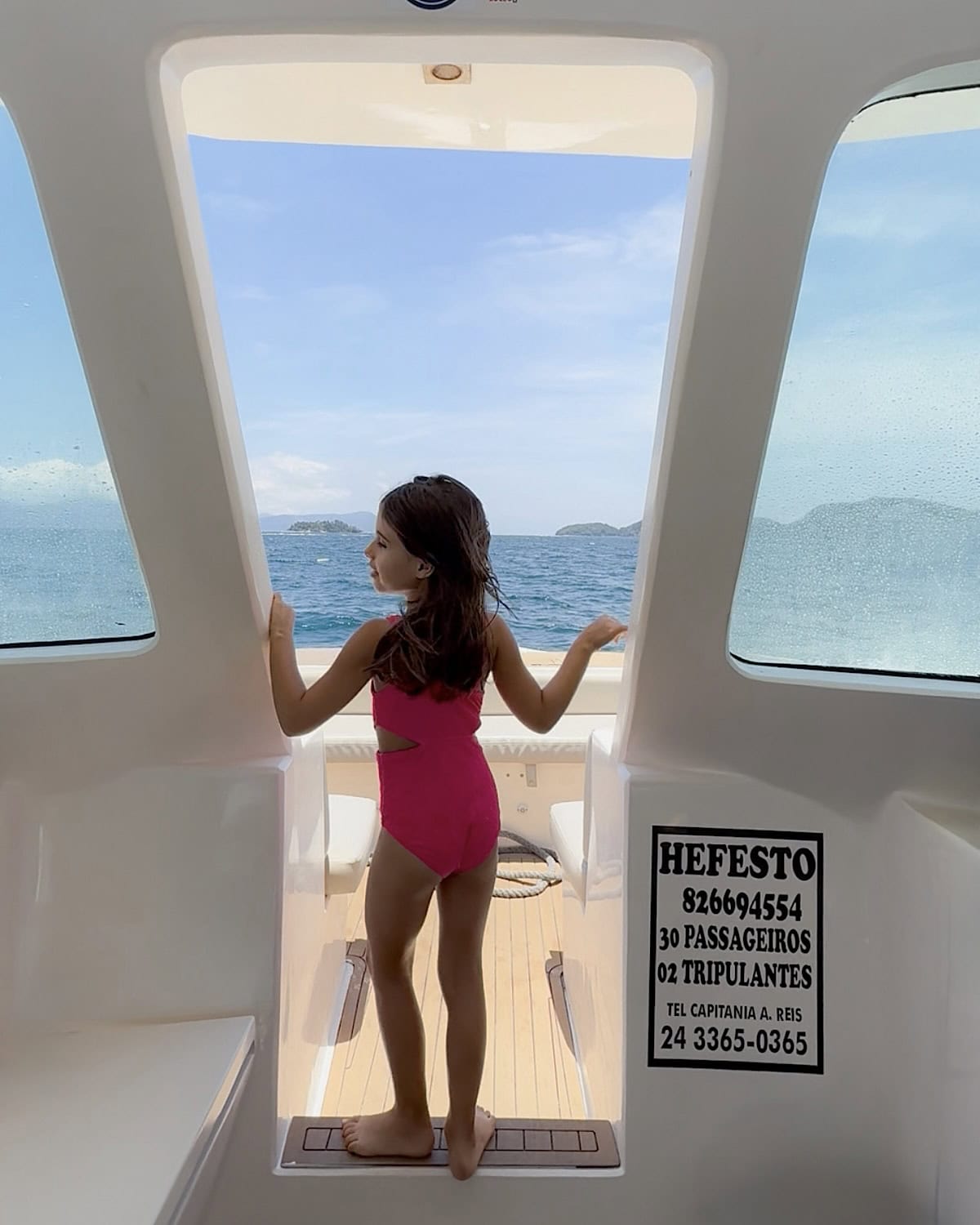
Praia Vermelha is one of those smaller beaches in Rio that feel calm and a little more tucked away than Copacabana and Ipanema. It’s located in the Urca neighborhood, right by Sugarloaf Mountain, and the setting alone makes it worth visiting. The beach is smaller, quieter, and feels more local, which is a really nice change of pace if you want something more relaxed.

The water here is usually calmer, and it’s a great place to take a walk, sit by the beach, or just enjoy the view. Being so close to Sugarloaf gives it a beautiful backdrop, especially in the late afternoon when the light starts to change. It’s also a nice stop before or after going up Sugarloaf Mountain, since everything is right there. Praia Vermelha doesn’t feel like a place you rush through. It’s more about slowing down, enjoying the scenery, and taking a break from the busier parts of the city.
Bottom Line

This trip was really just the beginning for us. We spent most of our time in Rio, and even there, it felt like we only scratched the surface. Rio alone has so much to see and experience that you could easily spend weeks there and still feel like there’s more left. As much as we loved what we saw, it made it very clear that Brazil isn’t a country you “finish” in one trip.
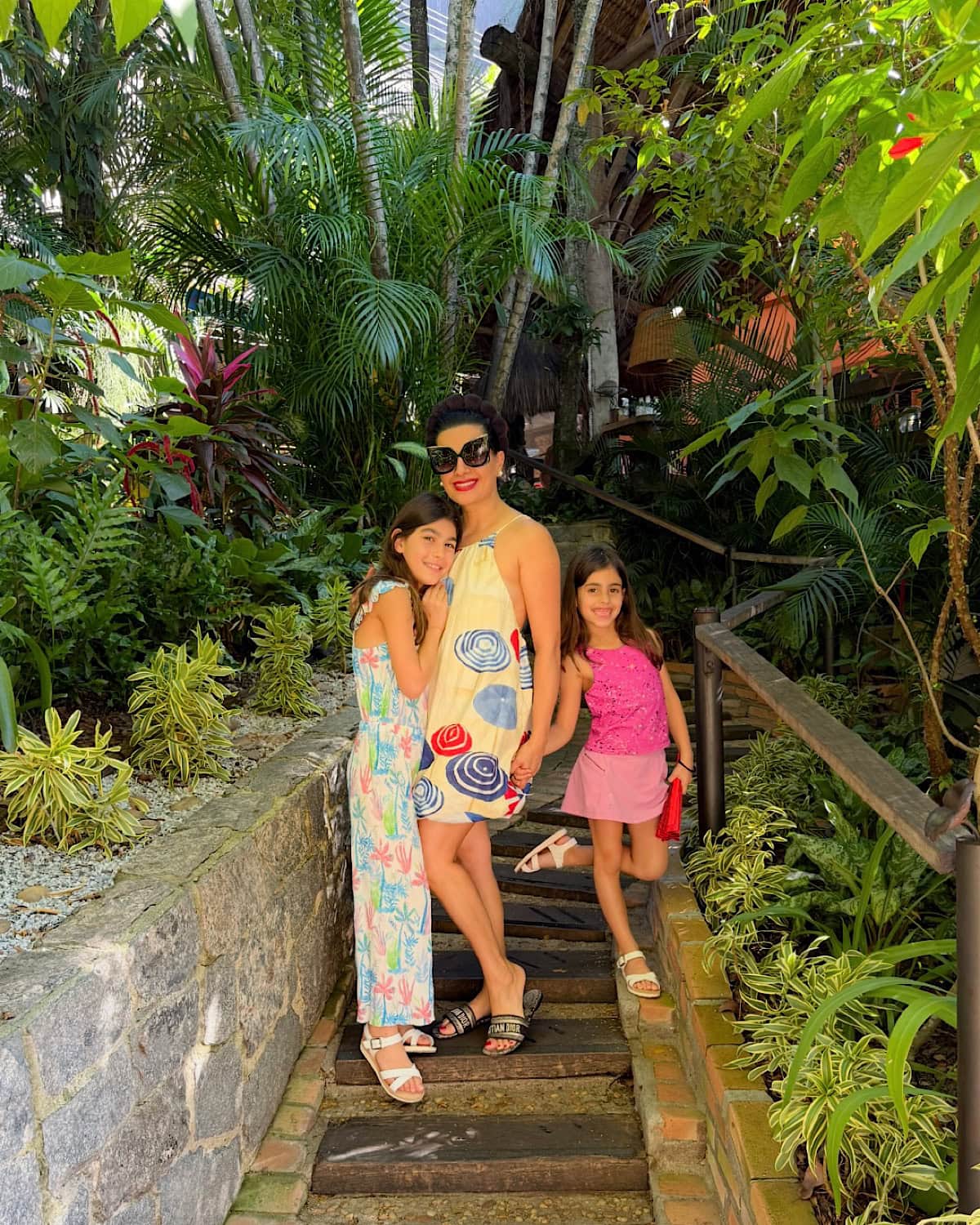
What this visit did was open the door. It showed me how diverse Brazil really is and how many incredible places are still waiting to be explored. From islands and beach towns to historic cities and natural wonders, there’s so much more I want to see next time. This trip made me even more excited to return and explore other parts of the country we didn’t get to this time.
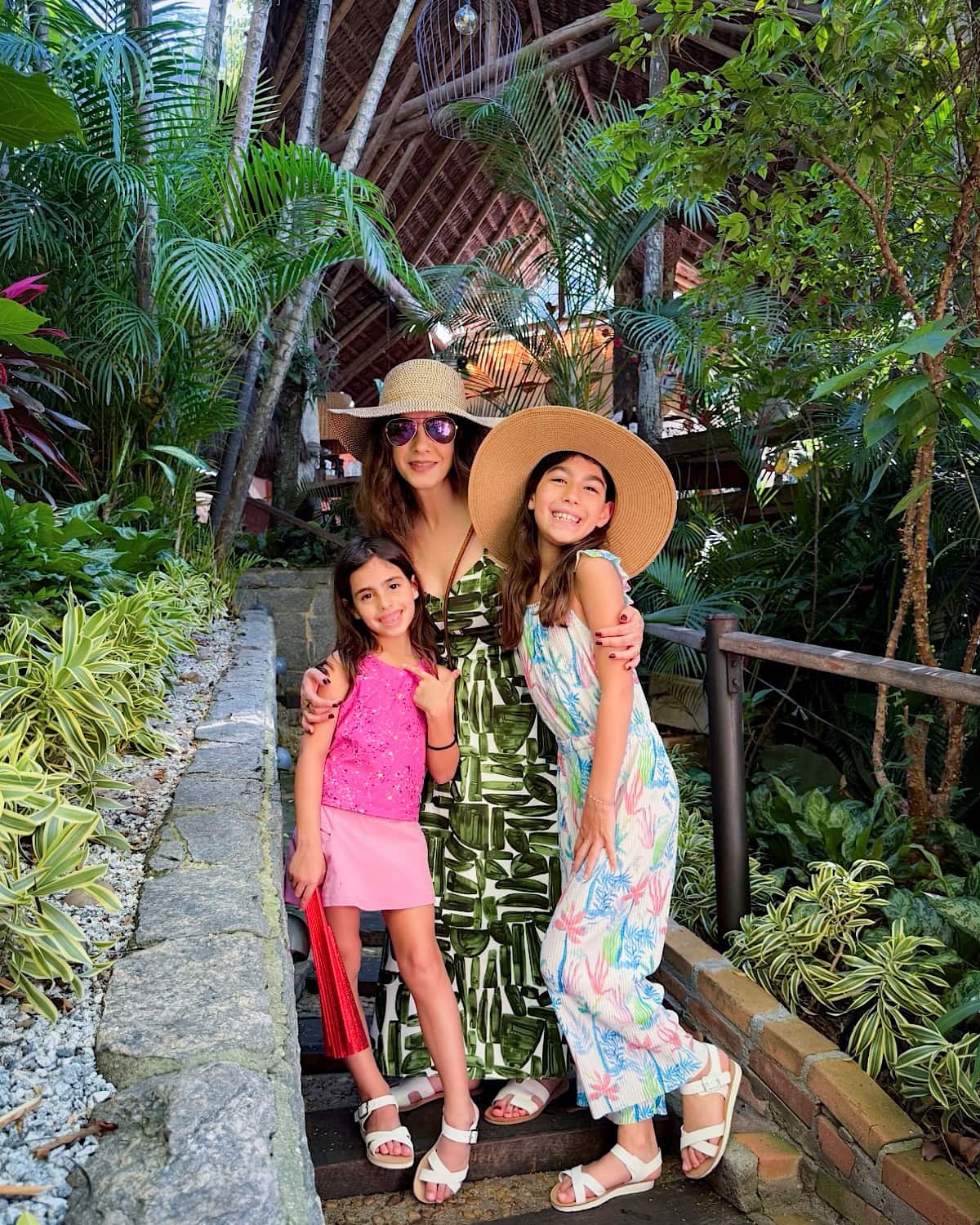
If you’re planning a trip to Brazil and want to see more than just one area, it’s worth giving yourself time. This isn’t a place to rush through. Ideally, you’d want at least two and a half to three weeks to really move around, explore different regions, and enjoy it without feeling exhausted. Brazil is big, and the distances alone make it a country that deserves a slower pace.
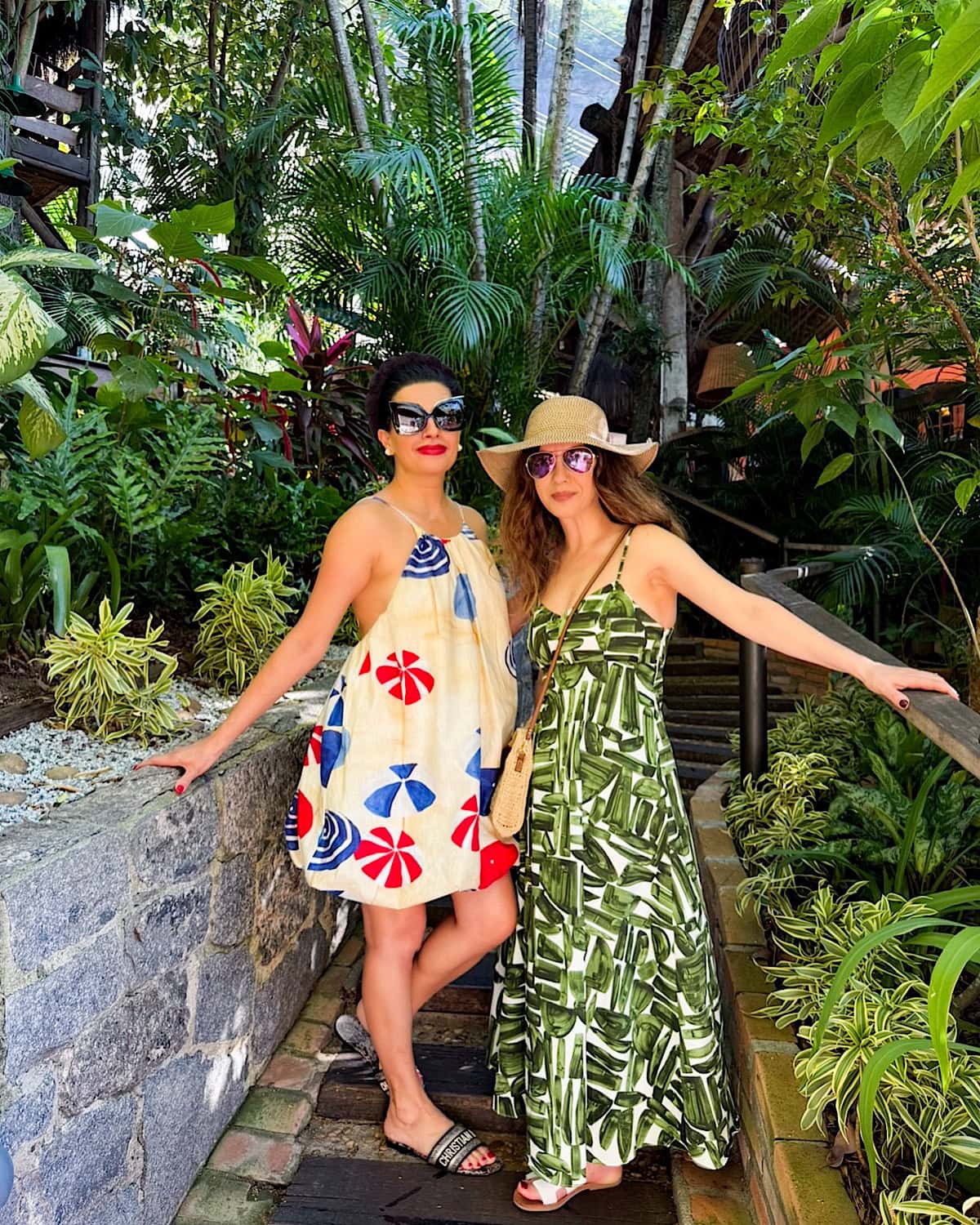
For us, this trip confirmed that Brazil is the kind of place you return to again and again. We saw enough to fall in love with it, but not so much that it feels finished—and honestly, that’s the best kind of travel experience. Have the best time exploring this beautiful country!
Love,
Sherry XOXO