
14 Mistakes New Homeowners Make and How to Avoid the Stress
Buying your first home is exciting, but moving in can be stressful. As a first-time homeowner, it’s easy to make mistakes that can make things more complicated. From packing problems to missing details, these mistakes can add extra stress. Here are some mistakes to avoid for a smoother, less stressful move. Knowing what to look out for can make moving into your new home much easier. Let’s check out the common mistakes to avoid.
Failing to Research the Neighborhood

Before you plan to buy, don’t forget to research the neighborhood. Is it safe? Are there parks, schools, or shops nearby? What’s the traffic like? Spend some time walking or driving around to get a feel for the area at different times of the day. You don’t want any surprises after moving in. A little effort now can save you from regrets later.
Ignoring Home Inspection Results

A home inspection is there for a reason; don’t ignore it. If the report shows issues, like old plumbing or roof problems, take them seriously. You can ask the seller to fix things or lower the price. It might feel like a hassle, but dealing with these things upfront is way better than being stuck with costly repairs later.
Underestimating Moving Expenses

Moving is more expensive than it seems. It’s not just about the moving truck; you have to cover packing supplies, cleaning fees, and maybe even storage costs. Plan ahead by making a budget and getting quotes for movers or rentals. Budgeting in advance will help you plan your finances wisely.
Ignoring Proper Insurance Coverage

Not all insurance policies are the same, and a basic one might leave you unprotected. Depending on where you live, you might need extra coverage for things like floods or earthquakes. It’s worth taking the time to sit down with an insurance agent and make sure you’ve got everything covered.
Not Setting Up Utilities in Advance

Imagine moving into your new house and finding there’s no power, water, or internet. Not fun, right? Avoid the chaos by setting up your utilities before moving day. Call the companies a few weeks ahead so everything’s ready when you arrive. It will make your first day in your new home so much smoother.
Overfilling Spaces with New Furniture

It’s tempting to buy a ton of new furniture, but don’t rush it. Too much stuff can make your home feel cluttered. Start with the necessary furniture; your bed, a couch, and maybe a dining table. Live in the house for a bit and determine what you need before buying more. This way, you’ll avoid wasting money on things that don’t fit or feel right.
Ignoring Landscaping Needs

The outside of your house is just as important as the inside. A messy yard can make your home look uninviting. Keep it simple—mow the lawn, pull some weeds, and plant a few flowers. If you’re not into gardening, you can hire someone to help. This will not only make your house look beautiful but also increase its value in case you plan to sell in the future.
Failing to Plan for Unexpected Repairs

No matter how new or nice your house is, something will eventually need fixing at some point. A leaky faucet or a broken heater can pop up when you least expect it. Set aside a small fund for these emergency fixes so you’re not short on money. It’s also a good idea to have a list of local repair services handy.
Overlooking Property Tax Implications

With all moving costs adding up, don’t forget about property taxes. The amount you owe depends on where you live and can increase over time. The extra cost might catch you off guard if you don’t have any plan for it. Checking and including the tax rate in your budget can save you from surprises.
Rushing Through Renovations

You might be excited to start making changes to your new home, but don’t rush into it. Live there for a while and see what actually needs to be updated. Focus on fixing the essential stuff first, like plumbing or electrical issues, and leave the less important upgrades for later. Don’t spend all of your money on renovations at once.
Focusing Too Much on Aesthetics Over Functionality

You’d want to make your house look Instagram-worthy, but don’t forget how you’ll use the space. A beautiful couch isn’t helpful if it is uncomfortable, and fancy decor isn’t worth it if it can break easily. Think about your daily needs and choose items that are not only pretty but also functional and last you for years.
Overlooking Pest Control

No one wants to think about bugs or rodents in their new home, but they can show up when you least expect it. It’s easy to believe everything’s fine until you spot them crawling around. To avoid any unpleasant surprises, schedule a pest inspection and set up regular treatments as soon as you move in.
Not Introducing Yourself to the Neighbors
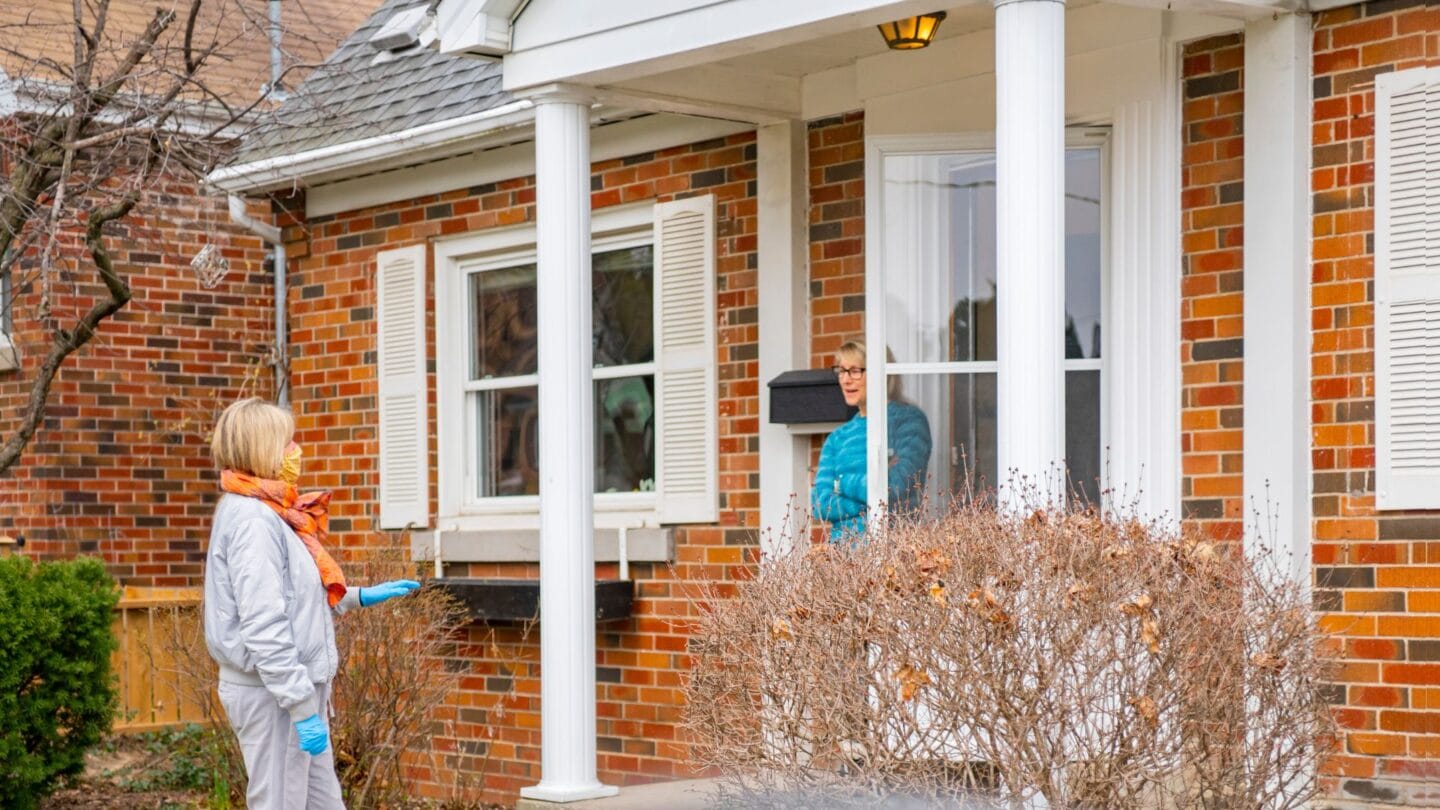
When you’re busy unpacking and settling in, meeting your neighbors might be the last thing on your mind. But a simple hello and a quick chat can make a big difference. Your neighbors can offer helpful info about the area, like where to find the best coffee or which days the trash gets picked up. They can also be there if you need a hand in an emergency.
Not Setting Up a Savings Plan for Home Improvements

Once settled in, you’ll probably want to modify or upgrade things in your new home. Many people underestimate the cost of renovating their homes and leave it to the end, only to be disappointed by a shortage of money. To avoid this, have a savings plan set up for renovations.
More For You

Having good friends doesn’t just make life more fun—it can also help you live longer. Studies show that spending time with friends can improve your health and happiness. Here are some simple reasons why your friends might be key to a longer life. They bring support, joy, and positive energy that make a big difference.
This article was first published at Rbitaliablog.