
15 Ways to Practice Self-Love Without Feeling Like You’re Being Selfish
People usually think of self-love or being selfish, but in fact, it is crucial for one’s health, both physically and mentally. This does not mean minding yourself to the detriment of others, but it means putting yourself in the best position to give your best to the people you love. Most people feel guilty when it comes to taking some time for themselves. However, being able to self-nurture would reduce stress and bad relationships with others and ultimately make us happier. Here are some things you can do to prioritize self-care and not feel guilty while still being there for others.
Healthy Boundaries

One of the critical steps to personal care is trying to put specific measures or limits in place. It helps to thrive on the capacity to quickly write seven articles and save and conserve your time and energy from exhaustion. When you say no when necessary, you are protecting yourself from stress and burnout that may come when you are more occupied than necessary. This doesn’t mean boundaries are about excluding others from your life; they are about having and meeting your needs, too; it enables better working relationships that are less biased and courteous.
Self-Compassion

Self-compassion means being as kind to ourselves as we tend to be towards a friend. Do not scold yourself when you make errors or encounter difficulties. Instead, acknowledge that it is perfectly alright to be a work in progress and make mistakes. Self-compassion is the act of forgiving oneself, as you need to be loving and gentle towards yourself as you would to someone you adore. By learning to be kind to yourself, you reduce self-sabotage, which helps to build self-esteem and prepare one for future endeavors.
Me Time

Making self-care a daily habit can reduce guilt because it becomes a regular part of your routine rather than something you only indulge in occasionally. It is essential to spare a few minutes for oneself every day; this time serves to rest, meditate, or do something you love doing, possibly away from the ongoings of life. Innovative ideas, such as reading a book, meditating, walking, or solitude, make you feel good and more grounded. That way, you do not feel guilty because taking care of your body in the best manner is normal.
Achievement Celebration

The problem for many people, especially those who work independently, is that they can easily get caught up in what they have not done or what is still pending on their plates. However, self-love means acknowledging your achievements. It’s essential to dedicate some time often and reflect on achievements in your lifetime, even if they are less important ones. Accepting and acknowledging the positive outcomes that you have made helps you cultivate a positive attitude and self-worth. That way, you’ll be able to work and feel that you are, and that is important without the burden of a guilty conscience because maybe you’re doing a little less.
Embrace “No”

One of the most significant ways to practice self-love is learning when to say ‘No.’ That will not be selfish; all it means is that you cannot commit to everything asked of you at any given time or day. It is equally important to understand how to say no to activities within our lives so we can say yes to the things that count. It also assists you in regaining a perception of mastery and self-actualization of needs, thereby decreasing guilt about self-care.
Physical Health

It may seem strange, but self-love is not only about feelings but also about your physical shell. Take your time for exercises that help you keep fit, take a balanced diet, and see that you have had your sleep. When you take care of your body, you esteem and value it, ensuring you are healthy. Health here does not equal discipline or a strict diet to avoid occasional indulgences; it means striking the right balance. Take care of your body, and you will find that you will have more energy and will feel better about yourself.
Practice Mindfulness
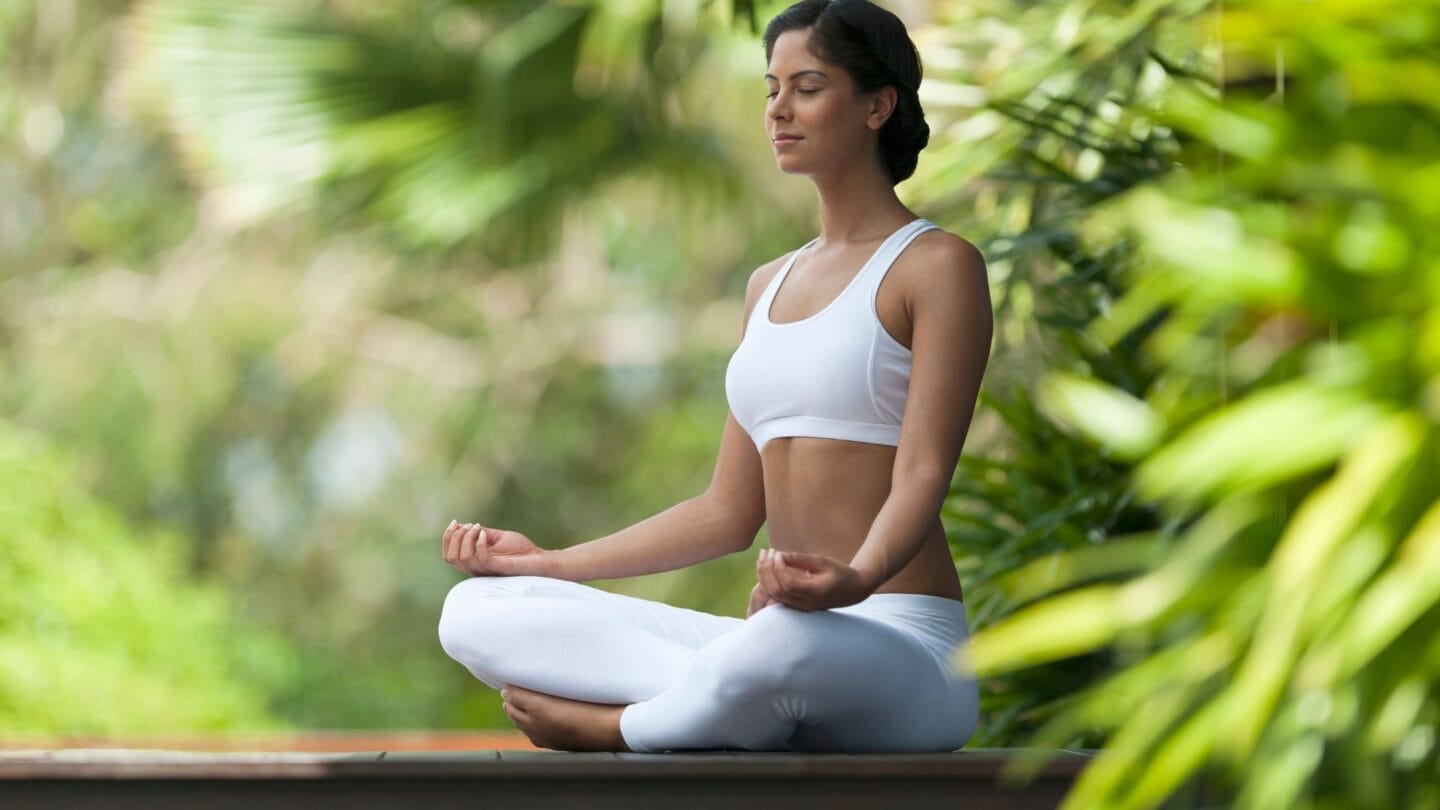
Mindfulness means living in line with the present and accepting whatever is happening without discrimination. You can build mindfulness with traditional forms such as mindfulness meditation, mindful breathing, or simply being present and being aware of what is going on around you and inside of you when you are. Practicing mindfulness enables you to embrace your feelings and ideas while avoiding being preoccupied, which enhances general mental well-being. Most of us spend a lot of time thinking and using negative thoughts against ourselves, and practicing mindfulness can make us more at peace and love ourselves more.
Perfectionism Let-Go

Self-love and perfectionism are usually incompatible because perfectionism gives one a high standard that cannot be achieved. It’s about challenging yourself to do things right and then feeling like a failure when you don’t get it quite right. Releasing the need for everything to always be perfect means that everyone does not have to be flawless for them to be loved. This does not mean there is no need to strive for a better result; it means understanding that the development process is the ultimate objective. By removing the expectation of perfection from your life, you allow yourself to be yourself and savor life’s little glitches.
Positive Relationships

Self-love also includes ensuring that you have like-minded people and supportive and encouraging people around you. One should promote good rapport and be prepared to be around positivity and not be the negativity that will drain a person’s morale; mend relationships with people who positively talk to you, have your back, and accept your no. As a result of positive relations, you ensure that you need positive feelings for growth in any sphere of life. Cutting off toxic or negativity might be challenging, but it is necessary to focus on yourself and not feel guilty about it.
Activity Engagement

Spending quality time doing what you love is part of caring for yourself. It’s proven that activities that make individuals happy decrease stress, stimulate creativity, and create positive feelings of achievement. In other words, watching a movie, painting, playing music, gardening, cooking, etc., is a way of being happy and honoring that happiness in yourself. Don’t feel guilty about taking time for your hobbies; it creates a balance sometimes, and you show up better in other aspects of life.
Gratitude Practice

Gratitude is one of the most important prerequisites for self-love. It shifts your focus from what you lack to what you have, helping you keep grounded and thankful. By acknowledging things you’re grateful for, your mindset ultimately shifts from scarcity to abundance, making self-love feel more natural as you no longer feel the constant need to chase more and more. Moreover, gratitude improves mood, boosts self-esteem, and even strengthens relationships.
Spend Time in Nature

Spending time in nature is a simple way to reset your mind and body. Whether you take a stroll through the park, explore a hiking trail, or relax on your porch, being in nature helps you feel more at ease and clears your thoughts. The fresh air and green surroundings can reduce stress and make you feel happier. It’s a gentle nudge to slow down, breathe deeply, and enjoy the natural beauty that’s all around you.
Declutter Your Mind

Clear your mind from the stress and thoughts that can make self-love feel so difficult. Take some time to sit quietly, write in a journal, or try meditating to sort through everything on your mind. When you let go of this mental clutter, it helps you focus on what truly matters and release unnecessary worries. This habit not only helps you feel calmer and more centered but also improves your emotional well-being.
Forgive Yourself

Clinging past mistakes or regrets will not allow you to love yourself fully. Self-love means accepting and forgiving others and forgiving oneself as well. Remember that errors are inevitable, and every mistake is a lesson. This makes it easier for you to embrace yourself more because you learn that you have made mistakes, which is okay. Not only do you free yourself from negative past emotions, but you also accept yourself for who you are in the present timeframe.
Personal Growth

The areas of life that encompass self-love are self-care and personal development; it might be acquiring a skill, reading motivational books, or stepping up in an adventurous course. Studying yourself shows that you care for yourself and what you can become. It does not have to be heavy and guilt-tripping; it can easily be a process of doing whatever needs to be done to be the best person. Committing to continuous learning and self-improvement demonstrates that you are worth the investment.
Treating yourself well is crucial to your wellness, and there is no reason for guilt. In doing so, you can respect yourself better, love yourself more, and ensure you do things that can make you the best version of yourself, and this is how you change your relationship with yourself. You need to understand that love to self does not mean abandonment of others; it simply means that one has to be in the best state possible to provide love to others. Following the above ways will help you to be a successful and responsible person without feeling guilty about self-love.
More For You

Studies show that having strong friendships improves both your mind and body. Here are some of the ways your friends are helping you live longer and happier.
This article was first published at Rbitaliablog.