
15 Workplace Habits That Have Gone with the Shift to Remote Work
New work environments, especially after the COVID-19 pandemic, have changed the approach to work and communication with colleagues. Of course, such flexibility and comfort have been achieved at the cost of erasing some workplace traditions before switching to the work-from-home model. In today’s world of Zoom calls and working from home, many of these practices feel almost exotic.
Coffee Conversations

In particular, the office’s everyday ‘dysfunctional coffee pot’ was once a source of much talk. It was because most employees would start their shift in the kitchen or break room to have a word with their co-workers and a cup of morning coffee. Now that people have gone remote, that coffee pot in the office is gone, and employees are making their coffee and starting their day alone at home with no chit-chat from those morning brews.
Cooler Chats
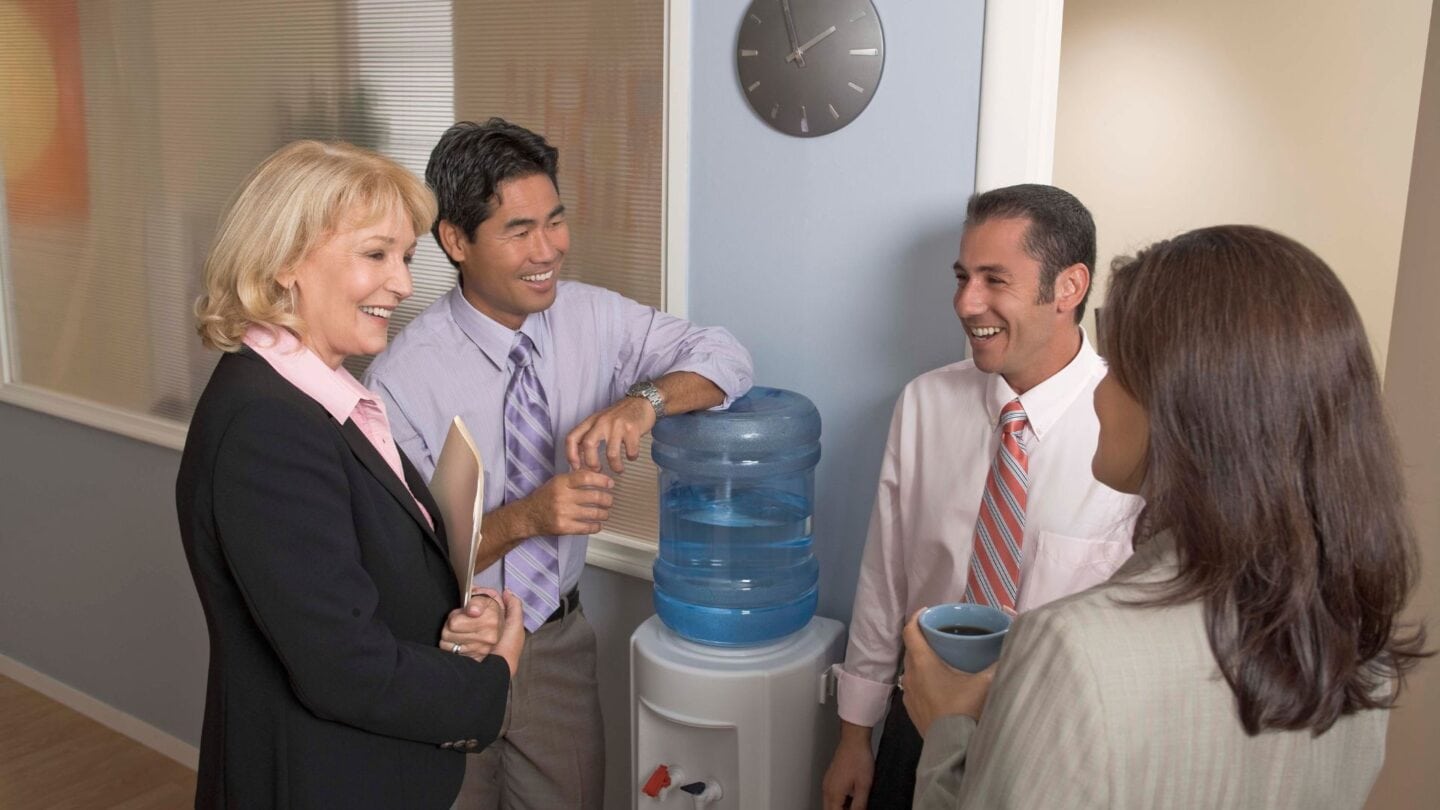
People used to have water cooler conversations, which were casual and unscheduled discussions that were helpful in socializing and came with increased creative thoughts. It also provided those random opportunities where employees could interact with members from other departments and thus feel like the other people were not total strangers. It becomes even more complicated when striving for such chats in a remote setting since people interact more formally and professionally. Business-like conversations do not allow for open-ended discussions about unrelated matters.
Office Celebrations

Just as birthday parties or holiday occasions bring people together, business celebrations were crucial for increasing the sense of community within the staff. The office became a place of celebration, adorned by teams with food they shared and milestones celebrated together. Although many companies try to replicate these experiences online with Zoom celebrations, the vitality and friendliness of real gatherings have primarily gone missing in the context of remote working.
Lunch Bonding

Before the pandemic, team lunches were typical for co-workers to connect outside the office. Whether they were indulging in a meal at a local business or mapping out a long lunch to talk about their ideas, these lunches aided in building their team. As a result of remote work, the tradition of team lunches has turned into individual meals eaten at home, causing the chance to connect over food with colleagues to decline.
Face-to-Face Meetings

In-office meetings allow people to give and receive feedback, coordinate work, and use a more formal style. Although virtual meetings are becoming more efficient in some ways of communication, they have introduced a no-touch approach that was not present in physical meetings. Some workers use video meetings, making the experience less formal and less close to the meetings.
Commute Talks

Some employees could use the time to talk with their co-workers, let off steam, or even have a creative discussion while sharing a commute. Carpooling was a common practice, and using the train where employees could be seen together before and after work and during lunch breaks. With remote work, the time wasted in traffic and the chit-chat are a thing of the past, and employees are left to begin and end their days alone.
Desk Personalization

Before the work-from-home model, people were allowed to bring their things to their desks, such as family pictures, plants, or little toys. These measures helped make the office space homely, and everyone could feel that the space belonged to them somehow. As more and more people work from shared spaces at home or any available surface, decorating the workspace has almost died.
Casual Fridays

Casual Fridays were one of the most embraced strategies, adopted because the organization’s dress code was deemed appropriate. They were halfway between the middle of the week and the weekend and lifted people’s spirits. The only tradition that has almost been eroded completely is casual dressing because every day has become a casual day in remote work.
Secret Santa

Some of the more popular activities that take place, particularly during the festive season, include Secret Santa gift-giving, which encourages people to have fun at work. This way, the owners of the gifts are not known beforehand; there is the element of surprise when putting gifts on someone’s desk and, finally, when the reveal party is held. Virtual gift exchanges are a possibility, but the element of missing out on a gift lying on a colleague’s desk is missing.
Walking Meetings

In some workplaces, people started replacing conference room meetings with walking meetings. These meetings provided a chance to get outside, walk around, and usually have a more innovative discussion. However, with the new normal of everyone working from home, walking meetings are out of the question because everyone has to be in front of their screens during virtual meetings.
Training Sessions

Training sessions before the work-from-home model were likely done physically, where learners could gain practical knowledge and ask questions. Currently, many organizations conduct training through virtual platforms, and although this is very effective, it lacks the physical contact that is encouraged in physical training. The lack of in-person training also means the vital process of bonding with one’s team is missing.
Office Bulletin Boards

Office bulletin boards were once the heart of workplace communication, showcasing everything from team updates and announcements to funny photos and motivational quotes. Whether it was congratulating a colleague on a milestone or sharing an inside joke, these boards were a daily touchpoint for everyone. Now, with remote work taking over, emails and digital platforms have replaced them, but they lack the charm and community feel of a physical board that everyone could see and enjoy.
Team Outings

Team outings used to be the best part of work-life—getting together outside the office for bowling, a picnic, or even a ball game was a great way to unwind and build connections. These events made it easy to bond with teammates in a relaxed, fun setting. Now, with remote work, these team outings are mostly a thing of the past, and virtual team-building just doesn’t carry the same energy.
Office Pranks

Playful pranks were once a fun, harmless way to lighten the mood in the office, whether it was decorating someone’s desk or other silly antics. These moments added a bit of humor and brought everyone closer together. In today’s virtual workspace, pranks have mostly vanished, and those spontaneous laughs and surprises are missed.
Swag Surprises

Companies often pop up a box of candy or some branded merchandise in the middle of the day and offer them to employees as a thank-you. These ‘desk drops’ were not very sophisticated, but they were effective positive interventions to make the employees feel valued. With work from home, desk drops are no longer possible, and although some companies may send merchandise to employees, the element of surprise is gone.
It is hard to deny that the move to remote work has created a new paradigm for work. It has eliminated many social norms that were once important for building teamwork and relationships. However, the lack of such communication proves that technology cannot fully substitute some aspects of work and cannot wholly replace certain elements.
More For You

Back in the old days, not many people realized how micromanagement could affect their mental health and work performance. Thankfully, people are now more aware of this and have started acting against the bosses and managers who try to control them excessively. If you feel you’re being micromanaged at work, watch out for these signs and take appropriate steps.
This article was first published on the RB ITALIA Blog.