17 Home Upgrades That Are a Total Waste of Money
Decorating your home is fun, but it’s easy to make choices that don’t work out as planned. Even small decisions, like choosing the wrong lighting or cramming too much into a room, can cause problems that make your home feel less comfortable or harder to manage. The good news is that these mistakes are simple to avoid! Here are some common decorating errors to look out for so you can create a space that looks amazing and works perfectly without any extra trouble.
Vessel Sinks

With their sleek and modern appearance, Vessel sinks often lure homeowners with promises of luxury and style. However, their impractical design can lead to constant maintenance and cleaning, as water splashes and soap residue quickly accumulate on their exposed surfaces. Beyond the initial installation cost, vessel sinks can drain your bank account over time with too many repairs and replacements due to their susceptibility to cracks and chips. While aesthetically pleasing, vessel sinks may not be the most cost-effective choice for homeowners looking to maintain a budget-conscious bathroom design.
Overly Busy Patterns and Texture

In the pursuit of creating visually captivating spaces, homeowners often fall prey to the allure of overly busy patterns and textures. While these elements may initially add visual interest and depth to a room, they can quickly overwhelm the senses and detract from the overall design cohesion. Investing in more straightforward, timeless patterns and textures can save money in the long run and create a harmonious living environment that stands the test of time.
Too Many Bathrooms

The temptation of convenience often prompts homeowners to include excessive bathrooms in their floor plans. However, each additional bathroom comes with its expenses, from construction and plumbing costs to ongoing maintenance and utility bills. Having fewer bathrooms can reduce the usable space in other areas of the home, diminishing its overall functionality and resale value. While the idea of a bathroom for every bedroom may seem appealing, it’s essential to consider the long-term financial implications and prioritize practicality over excess.
Overspending on Unnecessary Decorative Elements

In the quest to create a visually stunning home, it’s easy to get carried away with purchasing unnecessary decorative elements. From expensive artwork and ornate light fixtures to trendy accent pieces, these items can quickly add up, stretching your budget thin. While these decorative touches may enhance the aesthetic appeal of your space, they often serve no practical purpose and can be replaced with more budget-friendly alternatives.
Choosing Trendy Over Timeless Designs

Design trends come and go, often leaving homeowners with outdated interiors and the need for frequent updates. Opting for trendy design elements may seem appealing, but they can quickly become stale and require costly renovations to keep up with the latest fads. Instead, focusing on timeless design principles and investing in elegant and classic pieces can save you money in the long run. While infusing your style into your home is essential, prioritizing timeless designs over fleeting trends ensures that your space remains stylish and relevant for years.
Over-Customizing for Personal Taste

While adding personalized touches to your home can make it feel uniquely yours, over-customizing every design aspect can lead to excessive expenses. Tailoring every detail to fit your preferences often requires custom-made furnishings, fixtures, and finishes with hefty price tags. Over-customization can limit your home’s appeal to potential buyers if it deviates too far from mainstream design aesthetics. Balancing personalization with broader market appeal can help prevent overspending on unnecessary customization and ensure your investment retains its value over time.
Lack of Storage Space

Underestimating the importance of adequate storage space in your home can lead to clutter and disorganization, ultimately costing you time and money. With designated storage areas, belongings often stay manageable throughout the living space, increasing the risk of damage and loss. Investing in built-in storage solutions during the design phase can maximize space efficiency and minimize the need for costly storage furniture later.
Excessive Reliance on Expensive Materials

While high-end materials can lend an air of luxury to your home, relying too heavily on expensive options can quickly deplete your budget. Opting for premium finishes and furnishings throughout your home may seem appealing, but the costs can add up significantly, especially for more extensive renovation projects. Finding a balance between suitable materials and affordability is crucial to avoid overspending on unnecessary materials.
Open Shelves Everywhere

The trend of open shelving has gained popularity for its minimalist and contemporary aesthetic appeal. However, indiscriminately incorporating open shelves throughout your home can lead to clutter and visual chaos, detracting from the overall design cohesion. Without the concealment of closed cabinetry, everyday items displayed on open shelves can quickly accumulate dust and require frequent cleaning, adding to your maintenance workload. The lack of privacy offered by open shelves may not suit every homeowner’s storage needs or aesthetic preferences.
Not Enough Lighting

More lighting must be needed to maintain your home’s functionality and aesthetic appeal, leading to discomfort and frustration. Dark and poorly illuminated spaces strain the eyes and create a gloomy atmosphere that detracts from the overall ambiance. Neglecting to incorporate adequate lighting fixtures during the design phase can result in costly retrofits and additions later on. Investing in a well-thought-out lighting plan that includes a mix of ambient, task, and accent lighting ensures that your space is appropriately illuminated and enhances its functionality and visual appeal.
Not Testing Your Space Layout

You must test the layout of your space before finalizing the design to avoid costly mistakes and inefficiencies. Making decisions without considering how furniture placement and traffic flow will impact usability can result in awkward arrangements and wasted space. You need to mock up different layout options or physically test the flow of movement within the space to avoid committing to a design that doesn’t fully meet your needs or preferences. Experimenting with various layouts and configurations allows you to identify potential challenges and make adjustments before construction begins, ultimately saving you time, money, and frustration in the long run.
Overlooking Natural Light Opportunities

Overlooking opportunities to harness sunlight not only impacts the ambiance of your space but also affects your well-being and energy efficiency. Incorporating large windows, skylights, or strategically placed glass doors can flood your home with warmth and brightness, reducing the need for artificial lighting and lowering energy costs. Embracing natural light also enhances the aesthetic appeal of your interiors, creating a sense of openness and connection to the outdoors.
Relying On DIY A Lot

While DIY projects can be fun and cost-effective, doing it all by yourself can sometimes end up in a blunder. Complex tasks might require skills and knowledge that you may not have, leading to subpar results or costly mistakes. Overloading yourself with DIY can also be time-consuming and stressful. Sometimes, it’s worth investing in professional help to ensure quality and save time.
Choosing The Wrong Type of Paint

Choosing the wrong type of paint is a mistake that costs you a lot of money regarding home design. For instance, if you opt for cheap, low-quality paint, you may have to repaint your walls sooner than you’d like. On the other hand, investing in high-quality paint may cost more upfront, but it can save you money in the long term by lasting longer and requiring fewer touch-ups. Not considering the type of paint finish you choose can also impact your budget, as specific finishes require more maintenance and touch-ups than others.
Not Planning for Future Needs
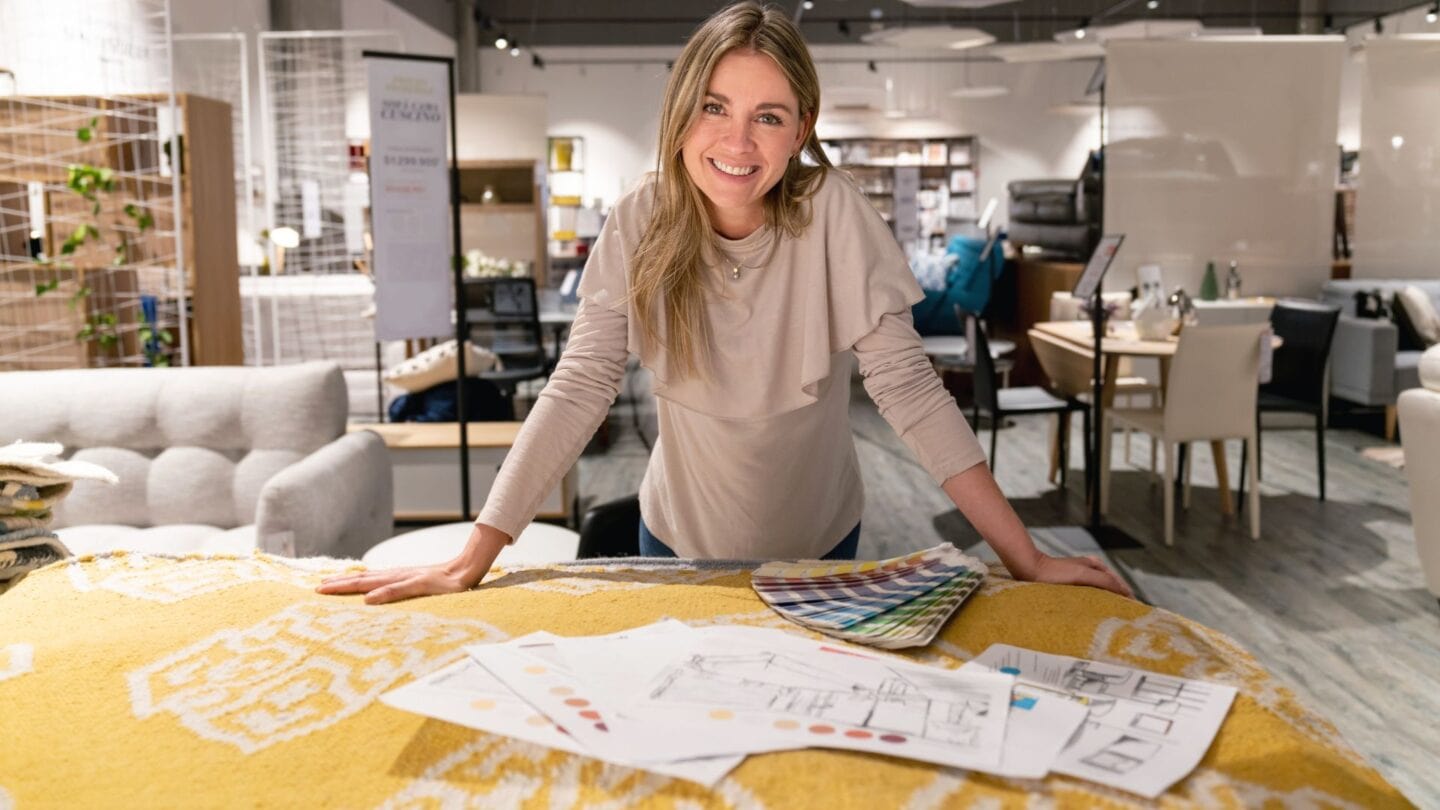
Not planning for future needs is a common home design mistake that can drain your bank account. Failing to consider your future needs while designing your home can result in costly renovations. For example, not factoring in additional family members or changing lifestyle needs can lead to the need for expensive home additions or remodeling. To avoid these expenses, it is essential to plan for your future needs and make design choices that will accommodate any changes in your life.
Neglecting Curb Appeal

First impressions matter. To increase curb appeal and value, boost your home’s exterior with landscaping, a fresh coat of paint, and well-kept pathways. Add outdoor lighting to highlight your favorite features and keep things safe. Updating your front door and house numbers can make a big difference, too. Keeping your yard tidy and clean will keep your home looking inviting all year round.
Neglecting the Entryway

People first see your entryway when they walk into your home, so make it count. Create a welcoming vibe with a chic console table, a beautiful mirror, and decorative accents that reflect your style. A well-thought-out entryway makes a great first impression and sets the mood for the entire house. Don’t forget a cozy rug or a stylish bench to complete the look.
More For You

Turn your outdoor space into a stunning yet affordable retreat. We’ll explore the latest trends in outdoor living and share tips on how to avoid mistakes that can cost you a lot, ensuring your backyard oasis is both beautiful and budget-friendly.
This blog was originally published on RB ITALIA Blog.