
17 Home Design Choices That Make Your Cat Feel Stressed
Does your cat seem a little grumpy about its space? You’re definitely not alone! Cats can be surprisingly picky about their environment, especially when it comes to how cozy and comfortable it feels. Whether you’ve just brought home a new furry friend or moved to a new place, making sure their space feels safe and relaxing is super important. There are a few common design mistakes that might be making your cat unhappy. Avoiding these can help your kitty feel truly at home — and you might even get a few extra purrs as a thank you!
Uncomfortable Furniture

Cats love lounging and napping and prefer soft and plush surfaces that offer comfort and support. If your furniture is too firm or lacks cushioning, your cat may avoid it altogether, opting for more cozy spots elsewhere. Plush beds or blankets in their favorite areas can help meet their need for comfort and encourage them to spend time on designated furniture pieces.
Lack of Vertical Space

Cats are natural climbers and enjoy surveying their surroundings from elevated positions. Without enough vertical space, they may feel restricted or stressed, leading to behavioral issues. Investing in cat trees, wall shelves, or window perches can satisfy their instinct to climb and explore, offering them alternative vantage points and reducing feelings of confinement.
Bright Lights

Cats have sensitive eyes and exposure to bright artificial lights can be uncomfortable or overwhelming. Harsh lighting can disrupt their natural sleep-wake cycles and cause stress or anxiety. Opting for softer, dimmable lighting options can create a more soothing environment for your cat, helping them feel relaxed and comfortable in their surroundings.
Loud Noise

Cats have acute hearing and are easily startled by loud or sudden noises. Constant noise from appliances, electronics, or outside sources can create a stressful environment for them. Designating quiet zones in your home or providing hiding spots where your cat can retreat can offer them a sense of security and help reduce their exposure to disruptive noises.
Strong Odors

Cats have a highly developed sense of smell, and strong odors from cleaners, air fresheners, or specific materials can be off-putting. Using pet-friendly cleaning products and avoiding strong fragrances can help maintain a pleasant environment for your cat. Additionally, ensuring good ventilation and regularly airing out your home can help minimize any lingering odors that might bother your cat.
Sharp Edges

Cats are curious creatures and may accidentally injure themselves on furniture with sharp edges or delicate decorations. Protecting sharp corners with cushioned covers or opting for furniture with rounded edges can help prevent accidents. It also creates a safer environment for your cat to explore and play in.
Unstable Surfaces

Cats prefer stability and may avoid furniture that wobbles or feels insecure. Unstable surfaces can be hazardous for cats, especially when jumping or climbing. Ensuring furniture is securely assembled and stable can help prevent accidents and instill confidence in your cat to use and enjoy their designated spaces.
Limited Sunlight Access
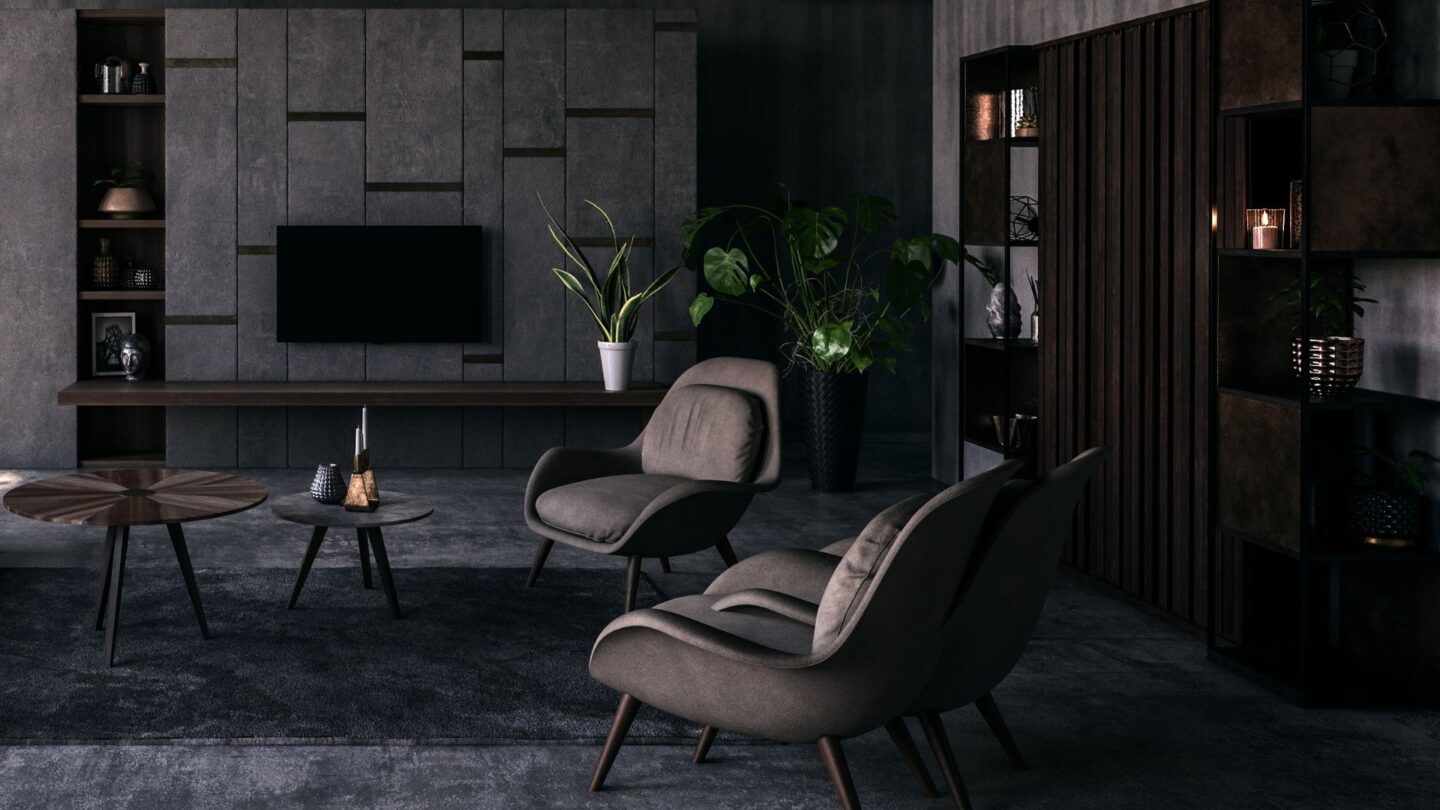
Cats enjoy basking in the warmth of sunlight, providing physical comfort and mental stimulation. If your home lacks sunny spots, consider placing cat beds or perches near windows where your cat can soak up the sun’s rays. Access to natural light can help improve your cat’s mood and overall well-being.
Unappealing Litter Box Area

Cats are creatures of habit and have specific preferences regarding their litter box. If the litter box area is dirty, cramped, or lacks privacy, your cat may refuse to use it, leading to inappropriate elimination issues. Keeping the litter box clean and providing a quiet, private location can encourage your cat to use it consistently and maintain good litter box habits.
Unfamiliar Objects

Cats are naturally cautious animals and may be wary of new or unfamiliar objects in their environment. Introducing changes gradually and providing familiar objects, such as their favorite blankets or toys, can help them feel more comfortable with their surroundings. Giving your cat time to adjust to changes at their own pace can prevent stress-related behaviors and promote a sense of security.
Lack of Hiding Spots

Cats seek out hiding spots to retreat when they feel threatened or stressed. Without adequate hiding spots, your cat may feel vulnerable and anxious. Providing cozy caves, cat condos, or secluded corners where your cat can feel safe can help reduce their stress levels, eventually improving their overall well-being.
Limited Play and Enrichment

Cats have instincts to hunt, explore, and play. The lack of physical and mental stimulation can lead to behavioral issues. Incorporating interactive toys, scratching posts, and puzzle feeders into your cat’s environment can provide enrichment opportunities and keep them mentally and physically engaged. Offering a variety of activities and play opportunities can prevent boredom and promote a happy, healthy lifestyle for your cat.
Lack of Outdoor Access for Sunbathing

Lack of outdoor access for sunbathing can be a significant oversight in cat-friendly design, potentially leading to your feline companion feeling cooped up and discontented. Cats naturally crave exposure to sunlight, as it provides essential warmth and helps regulate their circadian rhythms. Cats may become frustrated or restless without access to outdoor spaces where they can bask in the sun’s rays, leading to decreased engagement with their surroundings and even behavioral issues such as excessive vocalization or lethargy.
Placing Food and Water Dishes Near Noisy Appliances
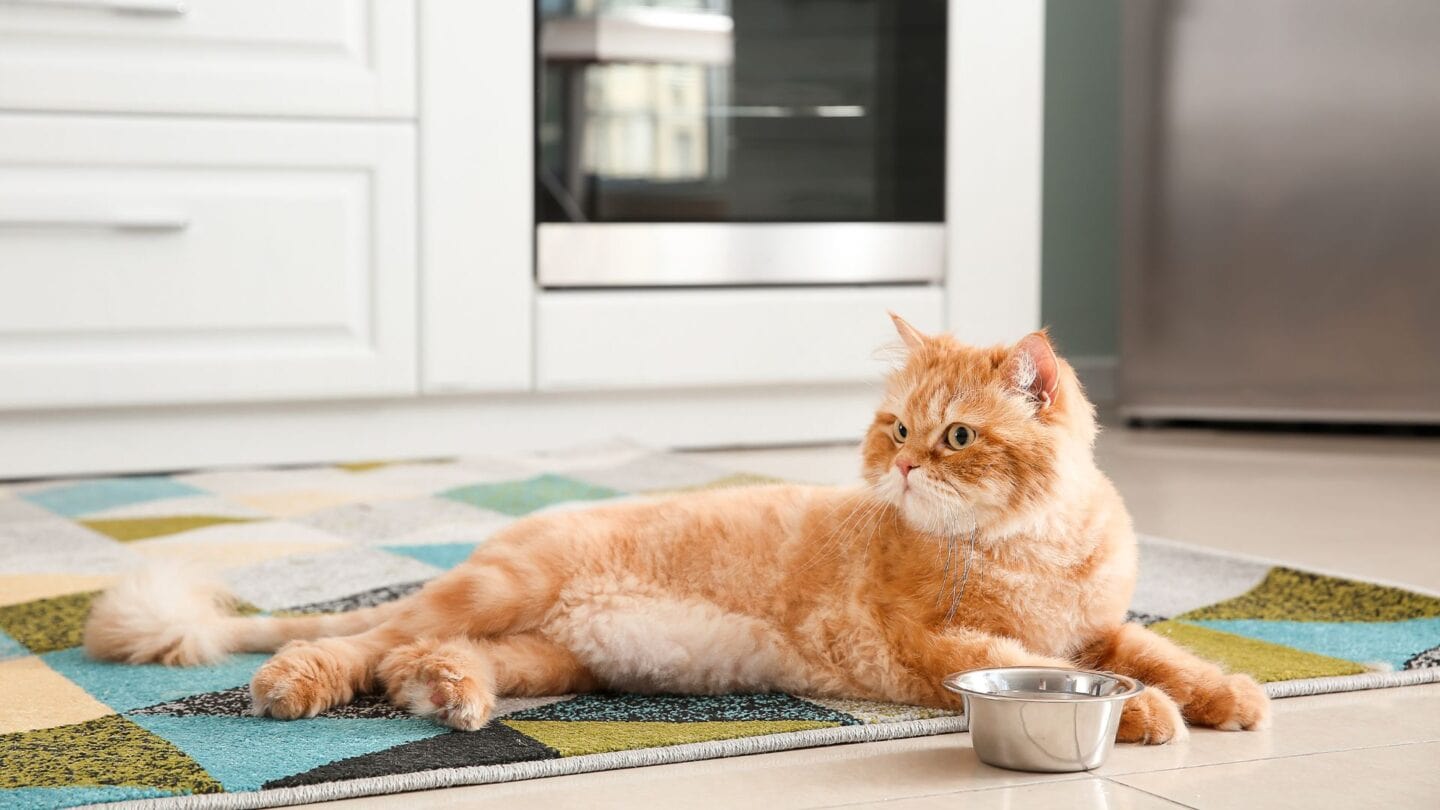
Cats are sensitive to loud or sudden noises, and the rumbling of appliances like washing machines or dishwashers can disrupt their mealtime experience. This can lead to increased anxiety and reluctance to eat, resulting in your cat ignoring their food or seeking alternative dining locations. Additionally, the proximity to noisy appliances may create an association between mealtime and discomfort, causing long-term aversion to the designated feeding area.
No Viewpoint

Cats are very curious animals. One of their favorite pastimes is staring out the window to see everything happening in their neighborhood. Make sure they have access to a window and create a cozy spot for them to spy on your neighbors. Remember to leave the windows closed when you’re not home to supervise your furry friends, especially if you don’t live on the ground floor.
Poor Temperature Regulation

Cats feel the cold and heat just like we do. Make sure your home is cozy for them, avoiding putting their beds near drafty windows or hot spots like radiators. In winter, try using pet-safe heating pads, and in summer, make sure they have shady spots to chill out. Keep an eye on them to see if they seem uncomfortable with the temperature changes.
Cluttered Space

Cats can have a tough time navigating through too much clutter or crowded furniture at home. Make sure to clear pathways and create open areas where they can roam freely. This way, they won’t feel restricted or stressed by obstacles blocking their way. Giving them plenty of room to move around and explore helps create a happier and more relaxed environment for your furry friend.
More For You
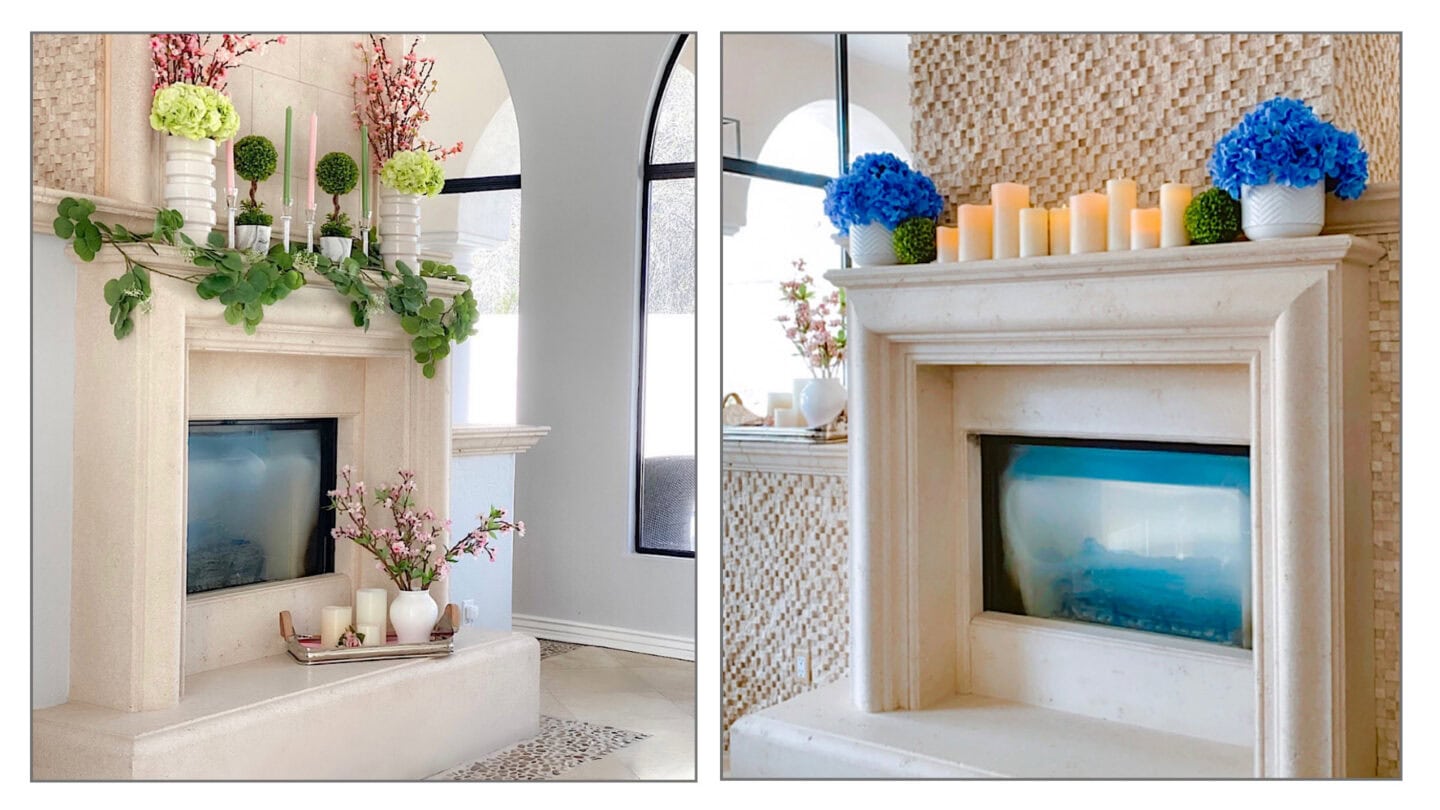
Now that your cat is fully comfortable, it’s time to talk about humans! Summer is here, so why not give your house a fresh makeover? Here are a few tips on how to decorate your fireplace and prepare for the next season.
This article was first published on RB ITALIA Blog.