14 Renovation Blunders That Could Empty Your Wallet
Renovating your home is a great way to give it a fresh look and make it more functional. But it’s not always as simple as it sounds. If you don’t plan things out or choose the right materials, small mistakes can quickly turn into big problems and cost you more money. The good news is that with a little preparation, you can avoid these headaches. To help your renovation go smoothly and stay on budget, we’ve put together some common mistakes to avoid and tips to keep the process easy and stress-free.
Ignoring Building Permits

Ignoring building permits might seem easy to save time and money, but it can lead to severe consequences. Permits ensure that your renovation complies with local building codes, which are in place to guarantee safety and quality. If you skip this step, you could face hefty fines, be forced to undo your work, or encounter problems when selling your home. Additionally, unpermitted work can void insurance coverage, leaving you financially vulnerable if something goes wrong. Renovation to understand the necessary permits and inspections.
Skipping The Planning Phase

Skipping the planning phase is a common mistake that can lead to confusion, delays, and budget overruns. Proper planning involves creating a detailed blueprint of your renovation, setting a realistic budget, and establishing a timeline. Without a clear plan, unexpected issues may disrupt your project and increase costs. Thorough planning helps you identify potential problems early and allows for more accurate cost estimates. It also ensures all parties are on the same page, reducing miscommunications and errors. Investing time in planning will save you time, money, and stress in the long run, leading to a smoother and more successful renovation.
Hiring the Cheapest Contractor

Hiring the cheapest contractor may seem like a smart way to save money, but it often leads to poor workmanship and additional costs. It’s essential to thoroughly vet contractors, check their references, and review their previous work. Remember, you get what you pay for. Investing in a skilled and reliable contractor will ensure that your renovation is completed to a high quality and standard, avoiding costly repairs and rework in the future.
Choosing Trendy Over Timeless Designs

Choosing trendy over timeless designs can quickly make your home look dated and decrease its resale value. Trends come and go, and what’s fashionable today may not be in a few years. Opting for classic, timeless designs ensures your home remains attractive and functional for longer. Timeless elements, such as neutral color schemes, quality finishes, and versatile layouts, appeal to a broader range of potential buyers. While it’s fun to incorporate a few trendy accents, focus on enduring styles for significant design elements to ensure that your investment holds its value. This approach will save you money on future updates and make your home more appealing to prospective buyers.
Skimping on Quality Materials

Cheap materials often wear out faster and require more frequent repairs or replacements. High-quality materials, on the other hand, offer better durability, aesthetics, and performance. Investing in quality ensures that your renovation looks great and lasts longer, providing better value for your money. When selecting materials, consider their lifespan, maintenance requirements, and overall performance. While it might be tempting to cut costs on materials, prioritizing quality will enhance your renovation’s beauty, functionality, and longevity.
DIYing Beyond Your Skill Level
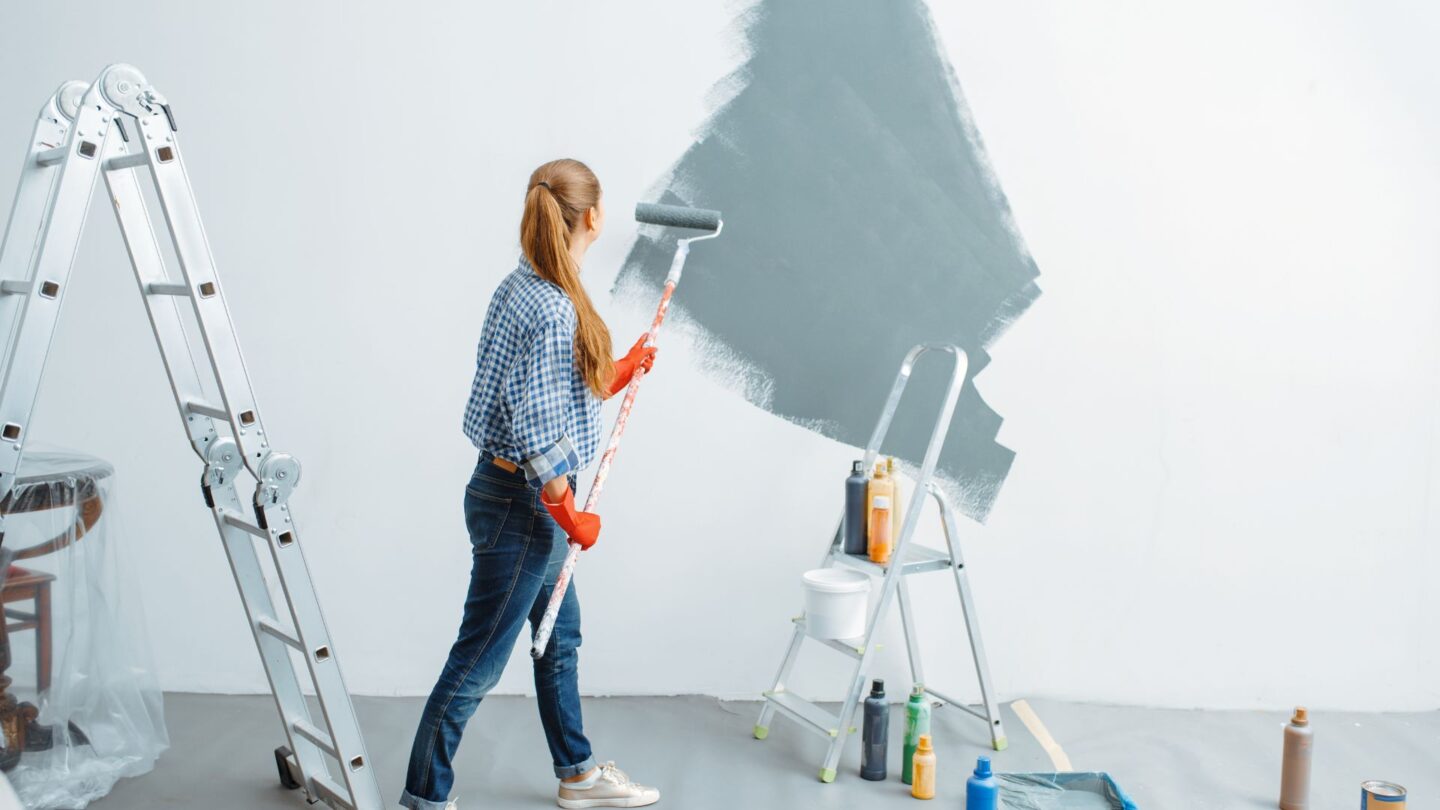
Tackling complex tasks such as electrical work, plumbing, or structural changes without the necessary expertise can result in subpar workmanship, code violations, and even dangerous situations. For more complicated tasks, investing in professional help ensures the job is done correctly, safely, and in compliance with building regulations, ultimately saving you time, money, and stress.
Not Setting a Realistic Budget

A well-thought-out budget should account for all expenses, including materials, labor, permits, and unexpected costs. Without a clear budget, it’s easy to overspend and run out of funds before the renovation. To set a realistic budget, research costs thoroughly and include a contingency fund for surprises. Sticking to a budget will keep your project on track and ensure you can afford to complete it without compromising quality or safety.
Ignoring Structural Issues

Before starting any renovation, it’s crucial to address and resolve any structural concerns with the help of a qualified engineer or contractor. Failing to do so can not only jeopardize the safety of your home but also lead to more expensive repairs in the future. Always prioritize structural repairs in your renovation plans to ensure a safe and sound living environment.
Forgetting About Storage Space

Forgetting storage space can result in a beautifully renovated home lacking practicality and organization. Consider built-in storage solutions like cabinets, closets, and shelving when planning your renovation. Ignoring storage can lead to a cluttered and chaotic environment, detracting from your home’s overall aesthetics and usability. Prioritize storage in your design to enhance your space’s functionality and appeal.
Not Considering Resale Value

Not considering resale value during a renovation can limit your future marketability and financial return. While tailoring your home to your taste is essential, extreme or highly personalized renovations can turn off potential buyers. Focus on improvements that offer broad appeal and add value, such as updated kitchens, modern bathrooms, and energy-efficient features. Neutral color schemes, high-quality finishes, and functional layouts attract more buyers. By balancing your preferences with market trends, you can create a home that suits your needs while ensuring a good return on investment when it’s time to sell.
Ignoring The Curb Appeal

It’s easy to get caught up in the excitement of revamping your home’s interior, but don’t overlook the outside. The way your home looks from the street is your first chance to make a good impression, and if it’s not up to par, it could hurt your home’s value. Sprucing up the landscaping, giving the exterior a fresh coat of paint, and making a few other key improvements can really boost your home’s overall appeal and make it more attractive to potential buyers.
Neglecting Ventilation

Good ventilation might not be the most glamorous part of a renovation, but it’s crucial. Without it, you could end up with moisture issues, mold, and even damage to your home’s structure—all of which can be expensive nightmares to fix. Make sure you’re paying attention to airflow, especially in areas like the bathroom, kitchen, and basement. Keeping the air moving properly helps protect your home and keeps those renovation costs from spiraling out of control.
Overpersonalizing the Space

While creating a space that feels like home is essential, going overboard with personalized decor can limit your home’s marketability. Features like bold color schemes, unconventional layouts, or overly specific themes can be off-putting to potential buyers who may not share your tastes. Instead, aim for a balance between personal style and timeless design. Incorporate your personality through easily changeable elements like accessories and artwork while keeping major design elements more neutral and versatile.
Underestimating the Cost of Fixtures and Finishes

Underestimating the cost of fixtures and finishes can quickly blow your renovation budget and delay your project. Items like faucets, lighting, cabinetry, and flooring often come with hidden costs that can add up. Research the prices of fixtures and finishes you desire and include a buffer for higher-end options or unforeseen expenses. Quality fixtures and finishes can significantly impact the look and feel of your renovation, so it’s worth investing in good materials. Accurately estimating these costs will ensure a smoother renovation process and a more polished final result.
More For You

While updating and remodeling your interior, remember the exterior of your house. A fresh coat of paint and thoughtful decorations can significantly enhance your home’s curb appeal and overall aesthetic. Investing in your exterior ensures your home makes a great first impression and complements the beautiful changes you’ve made inside.
This article was first published on the RB ITALIA Blog.