
16 Tips for Staying Fit and Energized in Your 60s and Beyond
Unsurprisingly, everyday tasks become tedious and tiring when we are aging. If you are above 60, you should not sit back and watch your energy level deplete. You can still make some changes and get a better energy level. There is also a reduced rate of muscle tissue repair and metabolism, making the body tired. But it does not mean you have to suffer from low energy levels because of aging. Some changes in your daily practices can add much to your health and the quality of life you lead; these tips will help you regain the energy you need as you age.
Prioritize Sleep

It’s essential for the body to at least have a good sleep at night to enable it to stand the rigors of the day. Try as much as possible to sleep between six to eight hours in a day without being woken up in between. It is also essential to ensure that the bedroom is fit for sleep, that is, by ensuring there are no sources of light and noise. Also, the advice is not to consume caffeine or alcohol in the evening as they affect sleep phases; instead, adding herbal tea or other natural products believed to enhance sleep quality might be helpful.
Stay Hydrated

Some of the effects of dehydration include constant tiredness, headaches, and dizziness. Ensure you drink a lot of water during the day, regardless of whether you need to. The body must always be well hydrated to supply energy to various body parts through the bloodstream. Other than water, you can also get your fluids from fruits and vegetables like cucumbers, watermelons, and oranges that you eat to help you meet your fluid needs. If you ensure that you are taking water throughout the day, you will be able to notice that you do not feel tired or sluggish during the day.
Balanced Diet

A balanced diet involves taking food that is important for the body to do certain activities. You should consume these foods daily: fruits and vegetables – when possible, eat them raw and unprocessed, as well as lean proteins, whole grain products, and healthy fats. A balanced diet does not cause spikes and dips in blood sugar, resulting in energy slumps. Eating four to five times a day is more nutritious, but with less food on the plate, the body can work throughout the day without getting tired quickly.
Manage Stress

Chronic stress is known to rob you of energy and exhaust you. Stress should also be checked so one’s mind does not divert; this can be done by taking stress-relieving measures like meditation and deep breathing exercises. Stress can also cause other physical problems in the long run, such as headaches, sleeplessness, and fatigue, all of which are energy-related. You can snap out of it by taking a short daily break to engage in mindfulness exercises. Stress prevention is one of the best things in life that can help a person feel more active and happy most of the time.
Regular Exercise

Some of the most important benefits of exercise include getting more energy, fighting fatigue, and improving mood. One should exercise moderately for at least 30 minutes, including walking, swimming, or dancing. You must be consistent; thus, if you are a beginner, ensure you have set baby goals. Yoga or some stretching will also be helpful in increasing energy because it will circulate blood and oxygen to the muscle tissue. Regular movements help to remain fit and enhance the energy levels and activity of the brain to reduce feelings of tiredness.
Limit Screen Time

Fatigue, eye stress, and changes in sleep cycles are all associated with how many hours one spends in front of the screens. Light emitted from TV, monitors, mobiles, etc, is from LED, which interferes with melatonin as its production is suppressed; therefore, such devices should be turned off, especially at night. Also, less screen time is good for the eyes because digital eye strain sometimes causes headaches and fatigue. All these are essential to ensure you have taken time off the screens and charged enough to return to work during the day.
Get Sunlight

The first thing to do is to get up and get some sun to get the body moving; sunlight also helps produce vitamin D, which is helpful in developing well-developed bones and muscles. It also helps your body maintain circadian rhythm and improves mood and energy; hence, one should get some sun. Vitamin D shortage can lead to fatigue and low energy levels; getting some morning sun can significantly improve your energy. Just walking outside for a few minutes can reset your circadian rhythm and improve your energy levels during the day and sleep at night.
Consider Supplements

Some supplements, such as Vitamin B12, Vitamin D, and Iron, can actually help an individual gain more energy. Always check with your doctor to see if it is suitable for you to take supplements because everybody has a unique requirement depending on their diet, health status, and other aspects of their lives. In the same way, iron deficiency may lead to fatigue over the age of 60, which means that the right supplements taken to address this deficiency will help improve energy levels.
Manage Chronics

Unattended chronic diseases also lead to fatigue; know all diseases affecting your energy levels, including diabetes, heart disease, thyroid, and many others. Early acute management of chronic diseases will ensure they do not deteriorate and will not put more pressure on the body. It also assists in taking required meds and having check-ups to ensure the drugs have the right effect on the body. As a result of engaging in healthy lifestyles, you can minimize some symptoms, such as fatigue, and enhance your quality of life.
Keep your Mind Active

As you grow old, it becomes increasingly important to keep your mind active. It will help you keep your brain sharp and protect against age-related memory problems. You can engage in puzzles, reading, or playing different games that need your focus and thinking. Whatever you choose, make sure you practice daily or whenever it seems easier for you to improve your cognitive abilities and feel more energized. Remember, a healthy mind means a healthy body.
Limit Caffeine and Alcohol

Caffeine and alcohol, for instance, may help a person feel more awake, but they can also cause them to fade and wake up at night. To prevent such consequences on energy, people should reduce their intake of these substances, particularly in the afternoon and evening. Excess caffeine intake causes shakiness, increased anxiety, and sleep disturbances, while alcohol affects the body’s ability to enter reparative stages of sleep. Instead, try herbal teas or lemon-flavored water to give you the energy you need without the crashes.
Socialize Regularly

Healthy and positive interactions with others indirectly affect mental and emotional status and energy levels. Stay connected with people, do not be alone, and engage in social interactions even if, for now, it has to be by phone or group interests. Networking breaks the loneliness and feeling of isolation, which is a precursor to depression and fatigue. Additionally, interaction with new group members in clubs or community groups also brings about new friends and experiences and removes boredom as people are mentally challenged.
Get Regular Check-Ups

As you get older, it’s really important to see your doctor regularly to catch any health problems early. Things like sleep apnea, anemia, or thyroid issues can sneak up and make you feel tired without you realizing it. Regular check-ups help you stay on top of your health and keep your energy levels up. It’s always better to find any potential disease early, so don’t skip those visits. You can also put a reminder to follow up with your physician.
Try Tai Chi

Tai Chi is a gentle exercise that focuses on slow, flowing movements, deep breathing, and balance. It’s kind to your joints, making it perfect if you need something easy on the body. Practicing Tai Chi regularly can help you feel less stressed, boost your energy, and improve your flexibility and coordination. Also, it’s a great way to meet new people if you join a local class or group, making it both a social and healthy activity.
Cut Back on Sugar
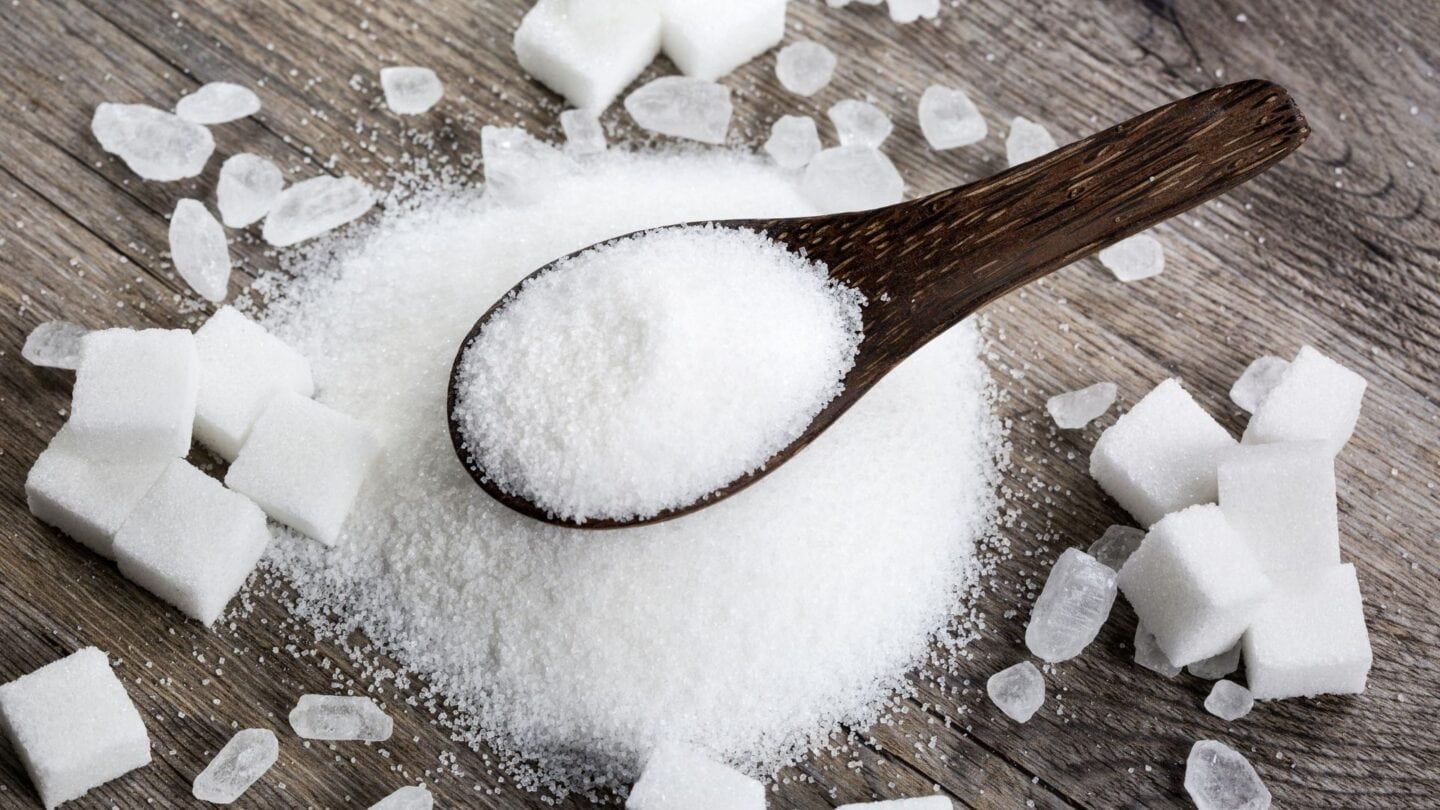
Sugar can give you a quick burst of energy, but it often leaves you feeling tired soon after. Cutting down on sugary snacks helps keep your energy steady throughout the day. Try switching to fruits, nuts, or yogurt when you need a snack. When your blood sugar stays balanced, you’ll feel more awake and ready for whatever comes your way. Also, avoiding sugar can help you have fewer mood swings.
Practice Gratitude

Feeling thankful can work wonders in increasing happiness, reducing stress, and therefore increasing energy. Have some time to write down what you are grateful for at least once a day, even if it is just the most minor thing. It is also helpful in changing the direction of your thoughts from the negative to the positive by making you write down things that make you thankful in life. It also affects your physical energy; embracing a positive mindset will make you more energetic and active all day.
Reduced energy levels are a general issue in people aged 60 and above, but there are natural ways that can help enhance the energy levels, and with these tips, you will be able to be active and live a happy life. Therefore, one needs to always listen to their body, take time to exercise, and seek the advice of a doctor who may be relevant to the case in question. It should also be mentioned that you won’t notice the benefits immediately when implementing these strategies; be patient and persistent, and you might start to feel your energy is increasing. If you have any concerns about your energy levels or general health, you should seek advice from your healthcare provider.
More For You

Good friends aren’t just fun—they keep you healthy, too. Research shows that staying close to friends can improve your overall health and well-being and also boost your energy levels.
This article was first published at Rbitaliablog.