
16 Tips to Help You Sleep Better and Overcome Insomnia
Sleep is essential to our well-being, impacting everything from mental health to physical performance. While much advice centers on what to do for better sleep, it’s equally important to focus on what not to do. Particular habits need to be stopped if you want to sleep better and wake up feeling refreshed.
Skip Caffeine

Caffeine is a natural boost in tea, coffee, and other beverages that can keep you awake long after consuming it. Even if you think you are unsusceptible to its effects, caffeine can interfere with the quality of your sleep by reducing deep sleep stages. To ensure a restful night, avoid consuming caffeinated beverages like coffee, tea, or soda at least six hours before bedtime.
No Screen

The blue light of phones, tablets, and computer screens can mess up your brain, making it think it’s still daytime and inhibiting the production of the hormone responsible for sleep. Using electronic devices before bed delays sleep onset and lowers sleep quality. Establish a gadget-free zone in your bedroom to promote more satisfactory sleep, and switch off devices at least an hour before bedtime.
Limit Meals

Having a big meal right before bedtime can result in feelings of discomfort and indigestion, which can make it hard enough to fall asleep. Spicy or rich foods, in particular, can cause acid reflux, further disrupting your sleep. To improve your sleep, try to finish eating at least two to three hours before bed, and opt for lighter snacks if you’re still hungry.
Cut Alcohol

While you feel drowsy initially after consuming alcohol, it disturbs your sleep cycle, particularly during the REM (Rapid Eye Movement) stage, leading to frequent awakenings. Drinking alcohol right before bedtime can also aggravate breathing problems, such as sleep apnea. To have a better sleep, limit alcohol intake and avoid drinking it within a few hours of your snooze.
Routine Stick

Consistency is vital; establishing an invariant sleep pattern is critical for a healthy shuteye. If you have to skip your usual bedtime routine, it can trick your brain into thinking it’s not yet time to sleep, making it difficult to fall asleep. From reading to mediating or simply taking a warm bath, establish a calming pre-slumber habit to prepare your mind and body for rest.
Resolve Issues

Cortisol, the stress hormone, increases with emotional anxiety and can even be part of why you are awake at night. There is no way to fall asleep if you are angry, sad, or upset, leading to tossing and turning throughout the night. To improve your sleep, try to end all the stress and negative emotions before bed or practice relaxation techniques like deep breathing to soothe your senses.
Ditch Eve-Nap

Napping can be beneficial, but napping too late in the day can hamper your ability to fall asleep at night. Late afternoon or evening naps reduce your sleep drive, making falling asleep at your regular bedtime harder. If you need to nap, make it short durations (20-30 minutes) and do it earlier in the day.
Limit Noise Exposure

Unwanted noise, like traffic, loud TVs, or noisy neighbors, can really disrupt your sleep. To block out these sounds, try using earplugs, a white noise machine, or a fan. A steady, soft sound helps cover up sudden noises, making your space feel more relaxed. The more consistent and quiet your environment is, the easier it is to calm your mind and fall asleep peacefully.
Sleep Schedule

Going to bed at different times every night and varying sleep schedules can disrupt your body’s internal clock. You will have trouble falling asleep and waking up at your preferred times. To have a uniform sleep practice, go to bed and wake up simultaneously each day, even on weekends.
Sleep-Friendy Environment

Your sleep settings can have a considerable impact on your sleep quality. If you’re trying to fall asleep in a well-lit bedroom, noise coming in or other discomfort could disrupt your ability to sleep. The room must be dark, peaceful, and, most importantly, quiet to enhance your sleep environment. Also, ensure that the mattress and pillows are satisfactory and comfortable.
Hydrate Less

Yes, you need to stay hydrated, but sipping a lot of water just before bed can cause recurrent visits to the bathroom. It might disrupt your sleep, making you feel lethargic in the morning. So limit your consumption of any kind of liquids primarily to earlier in the day, and be mindful of drinking water within hours before bed.
Weekend Sleep-Ins

Staying up late over the weekend can affect your circadian rhythm, which means that you will find it very hard to sleep at your normal time on Sunday night. It could leave you headed into Monday with a sleep deficit that would make for a sleepy and not-so-productive start to the week. Instead of changing your sleep schedule on weekends, try to get up a maximum hour after your usual time to enjoy the morning sunlight, as this will not disturb your body clock to much extent.
Try Aromatherapy
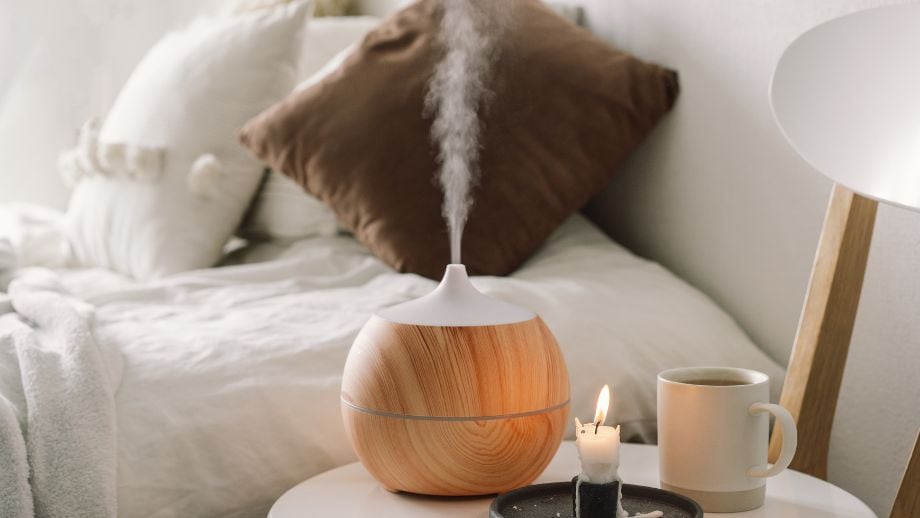
Scents like lavender, chamomile, and jasmine are known for their calming effects and can help you ease into sleep. Try adding a few drops of essential oil to a diffuser or misting your pillow to create a relaxing aroma. The soothing smell sets a peaceful mood, helping you unwind faster. Adding aromatherapy to your bedtime routine can help with your sleep pattern and also ease your stress and anxiety.
Less Physical Activity

While regular exercise does wonders for sleep, doing it too close to bedtime can actually hype you up instead of calming you down. Intense workouts increase your heart rate and adrenaline, making it hard to settle down. Try to wrap up any vigorous activity at least a few hours before bed so your body has time to wind down. Light stretching or yoga can be a great option if you want to relax before bedtime.
Take a Warm Bath or Shower

Taking a warm bath or shower before bed is a simple yet effective way to help your body relax. The warm water helps to soothe your muscles and calm your mind, making it easier to unwind after a long day. As you step out of the bath or shower, your body cools down, which signals to your brain that it’s time to prepare for sleep.
Manage Stress

Stress and anxiety are the two most destructive offenders for preventing you from getting decent sleep or just falling asleep at all. It can be hard to turn off your thoughts if you spend the night tossing and turning, worrying about what may happen tomorrow or reliving past moments in bed. To manage the strain of these, relaxation techniques like mindfulness, meditation, or journaling will help you de-stress and clear your head before bed.
It is very important to get a good night’s sleep; sometimes, it is not what you do but rather what you do not do. When you stop these habits, you will have a better quality of sleep, not feel so tired the following day, and will be ready to face the day when you wake up. These subtle changes can help improve your sleep and beat insomnia, so do not hesitate to try to use them starting today.
More For You

If you are free of stress and anxiety, it can help you sleep better at night. Try friend therapy; not only can your friends help you manage stress, but they also help you live a longer life, according to research.
This article was first published at Rbitaliablog.