
17 Key Things to Think About Before Choosing to Have Kids
Choosing the best age to have a baby is one of the hardest personal decisions in your life. It is influenced by many factors, including health, career goals, and financial stability. No matter if you’re in your 20s, 30s, or 40s, each stage of life comes with its own benefits and challenges when it comes to parenting. The age you choose can shape your experience in different ways. It’s all about deciding what feels right for you and your life.
When You’re Financially Secure

A baby is a bundle of unexpected expenditures. People who are more financially secure and have children at a later age can provide a better upbringing and are less likely to succumb to financial pressure. If you are still young and don’t have any reliable source of income, you may want to work on your finances before deciding to have a baby.
If You’ve Got Enough Energy Levels

There’s no denying that a baby will make you question your own strength and energy. Although certain aspects like financial security are typically achieved at a later age, it’s much easier to muster enough strength to run after kids when you’re in your early to mid-twenties.
Comparing Fertility Rates

Although it varies from person to person, most studies conclude that women in their twenties are at a biological peak for childbirth and are also less likely to develop complications and genetic health conditions. If you’re seeking to determine the optimal age to have a baby, you might want to check in with your healthcare provider.
Ensuring Maternal Health

Many women considering having a baby think the best age is when their children are least likely to develop health issues, but maternal health is equally important. Pregnancies after the age of 35 might put you at risk of health conditions like hypertension and diabetes, which impact child plans, too.
Learning About Paternal Health

Very few people think about the right age for a man to have babies, but being too young or too old can affect baby plans. An age where a man is financially secure is considered best for him to have kids, but if he’s older than 40, he might contribute to health risks. The best approach is learning about paternal health and age and deciding what time suits you.
Being Psychological Prepared
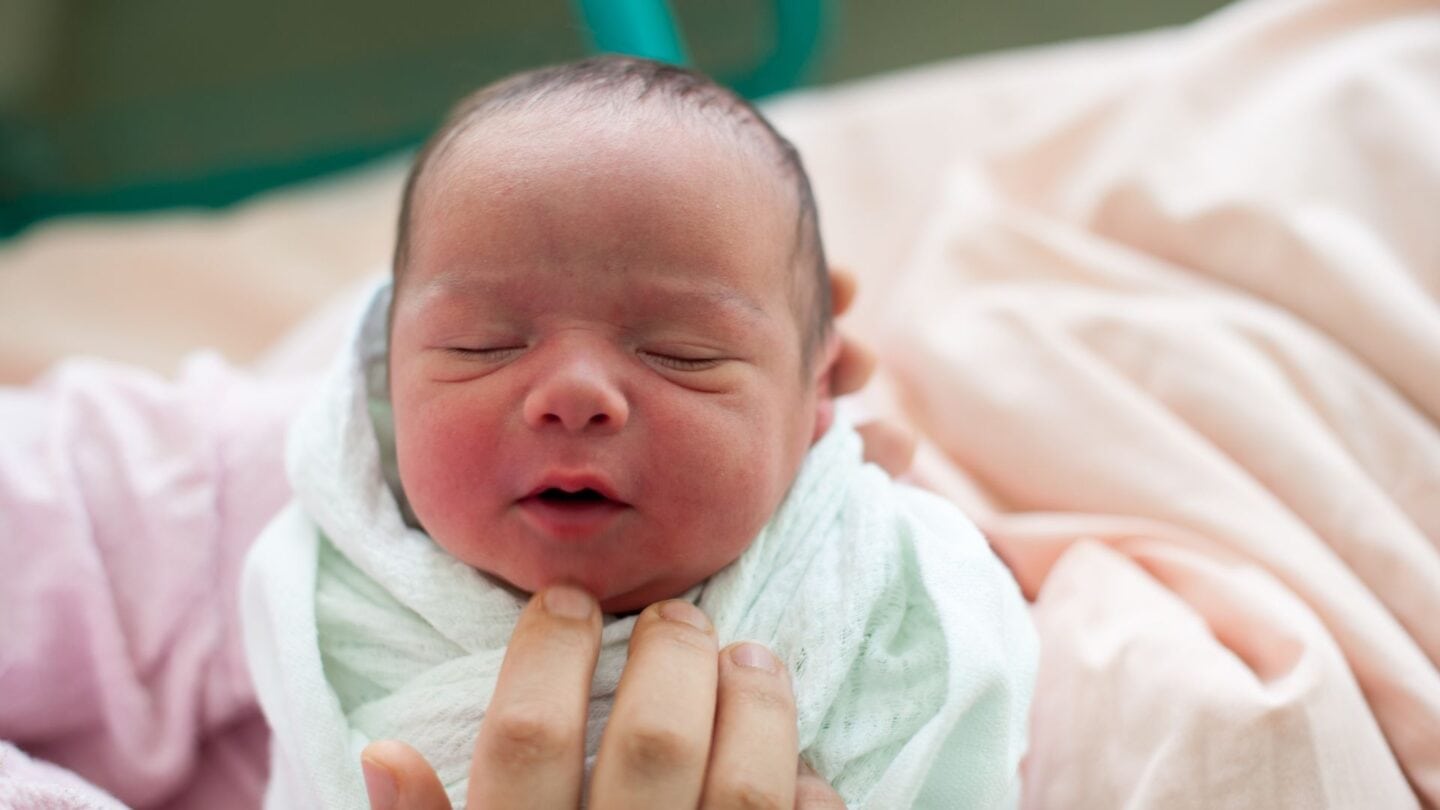
Pregnancy, birth, and childcare take a severe toll on one’s mental health. Not being emotionally or mentally prepared to have a baby but proceeding with it anyway makes parenthood difficult. People typically reach emotional and cognitive maturity in their thirties, which might be the right age for some.
Having A Support Network

If you’re surrounded by people who have experience dealing with children or who you know can be there to support you in tough emotional and psychological times, you’re headed in the right direction. A good support network is a safety net that makes child-rearing easier, but people are more likely to acquire this in their mid-twenties to thirties.
Understanding the Time Commitment

Raising a child is a full-time responsibility, especially in those early years when they need you around the clock. It’s important to think about how much time you can realistically dedicate to your child while still managing work and other parts of your life. Knowing what you’re getting into can help you avoid feeling overwhelmed and make sure you’re able to give your baby the care and attention they deserve.
Having Life Experience

People in their thirties or older bring more experience to parenting, allowing them to provide a better and healthier environment for their children. Having a couple of years of experience under your belt gives you enough mental and emotional maturity to ensure a joyous childhood for children.
Relationship Stability

Having a baby won’t fix a relationship that’s already struggling—in fact, it can make those issues even bigger. If things are going well between you and your partner, you’ll be better equipped to handle the challenges of parenthood together. It’s important to make sure your relationship is strong and stable before taking that next big step.
Possessing Stable Housing

Many people fail to realize that having children when you’re constantly moving places can impact their childhood. It’s better to have children when you can secure a safe home for them and yourselves, even if it’s just an apartment. It’s also essential to have enough space in your home before having children.
Achieving Your Goals

Most of us have a set idea of what our life looks like. Many people feel more secure and open to having children once they’ve accomplished key achievements and goals. This typically happens when you’re in your mid-thirties, but you might feel less divided in your focus with children at any age.
Age Difference With Your Child

Think about how you feel about the age gap between you and your future child. Being a younger parent might mean you have more energy to keep up with a toddler while being older could bring more patience and wisdom to your parenting. It’s important to consider what feels right for you and your future family dynamics.
Travel And Lifestyle

Consider how having a baby might change your travel plans and lifestyle. Are you ready for fewer spontaneous trips and more family-friendly activities? Are you ready to bring this change into your life? Embracing these things can lead to new adventures and joy in unexpected ways.
Think Of Work-Life Balance

Balancing work and family life can be challenging. You might need to look into flexible hours or even part-time work. With the baby, giving enough time to work may cause burnout. Consider all this, and decide if you are ready to live through these challenges together.
The Best Age

Objectively, the best age for men and women to have children is between their mid-twenties and early thirties. However, multiple factors affect these age brackets; some vary from person to person. Thus, you don’t have to stick to this objective number; consider all possibilities and decide the right age for yourself.
When You Feel Ready

Lastly, it’s important to realize that whether you are the child-bearer or the supportive partner, your life changes drastically once you’ve had kids. Instead of rushing and letting societal pressure decide for you, choose what feels right and have children if and when you feel ready.
This article was inspired by a study by Semmelweis University and Ncbi and first appeared on Rbitaliablog.