
12 Expert Tips for Helping Your Child Overcome Anxiety
Anxiety is a very natural stress response, but for many children, it can become overwhelming and interfere with their daily lives. Whether it’s fear of social interactions, school pressures, or general worry, anxiety can feel isolating and confusing for children. As a parent, your support is crucial in helping them navigate these feelings. Here are 12 expert tips to help your child overcome anxiety while building resilience and confidence.
Acknowledge and Validate Their Feelings
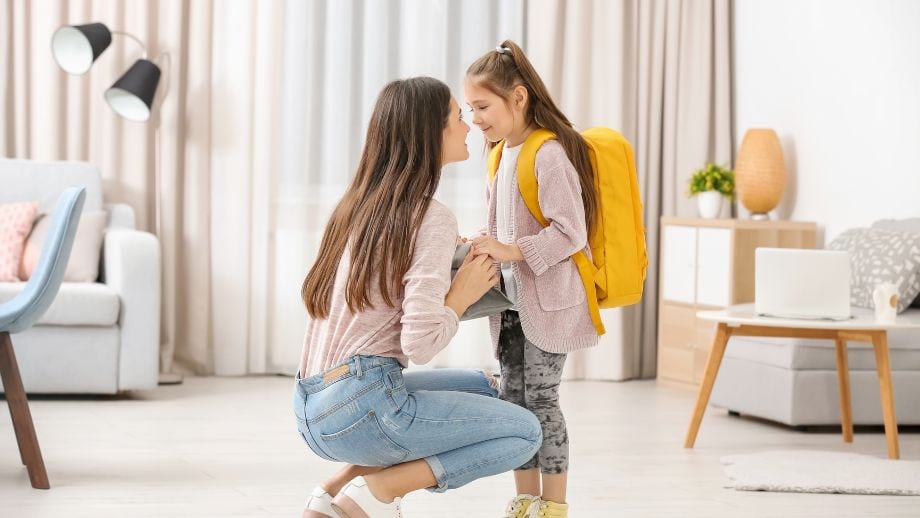
The first step in helping your child with anxiety is to let them know their feelings are valid. Instead of dismissing their fears with phrases like “You’re fine” or “There’s nothing to worry about,” offer reassurance. Say things like, “I can see that you’re feeling anxious, and that’s okay. Let’s talk about it.” Validating their emotions creates a nice, safe space for your child to express themselves, making it easier for them to open up about their fears.
Teach Deep Breathing Techniques
When anxiety strikes, it often comes with physical symptoms such as very rapid breathing, a racing heart, or tight muscles. Deep breathing is a simple yet highly effective tool to calm these responses. Teach your child to breathe deeply through their nose for four counts, hold their breath for four counts, and then exhale slowly through their mouth for another four counts. Practice this together regularly so it becomes a go-to strategy during distress.
Create a Safe Space

Children need a place where they feel safe and secure. Set up a calming corner in your home filled with comforting items like soft cushions, a favorite blanket, or books. This designated space can be a good retreat where your child can relax and reset when overwhelmed. Over time, they’ll associate this spot with safety and peace.
Maintain Predictable Routines

Consistency is key for anxious children. A predictable routine provides security, helping them feel more in control of their day. Establish regular times for meals, homework, and bedtime. When changes are unavoidable, give your child advance notice and explain what to expect. This preparation helps reduce anxiety related to uncertainty.
Identify and Minimize Triggers
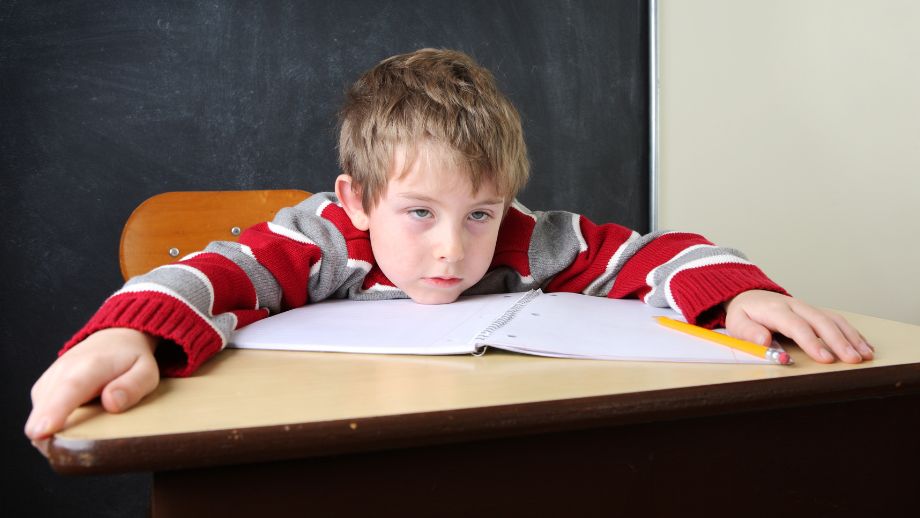
Take note of specific situations that seem to heighten your child’s anxiety, such as large crowds, performance-based activities, or separation from loved ones. While it’s important not to avoid these situations entirely, you can help your child face them gradually and with preparation. For example, if your child feels nervous about school presentations, practice at home in a low-pressure setting before the big day.
Encourage Problem-Solving Skills

Anxiety can make children feel helpless, but teaching problem-solving skills empowers them to take control. When they face a challenge, guide them in brainstorming solutions. For instance, if they’re worried about forgetting their homework, suggest creating a checklist or packing their bag the night before. This approach builds their confidence and shows them they can overcome obstacles.
Be a Calm and Reassuring Role Model

Children often mirror their parents’ behaviors. If you respond to stress calmly and with composure, your child is likelier to adopt these behaviors. Share your coping mechanisms, such as taking deep breaths or using positive self-talk. By demonstrating healthy ways to manage anxiety, you set a powerful example for your child.
Avoid Over-Rescuing

It’s natural to want to protect your child from discomfort, but constantly stepping in can reinforce their anxiety. Instead of solving every problem, please encourage them to face their fears incrementally. For example, if they’re nervous about ordering food at a restaurant, start practicing at home, then encourage them to try ordering with you nearby.
Introduce Relaxation and Mindfulness Activities
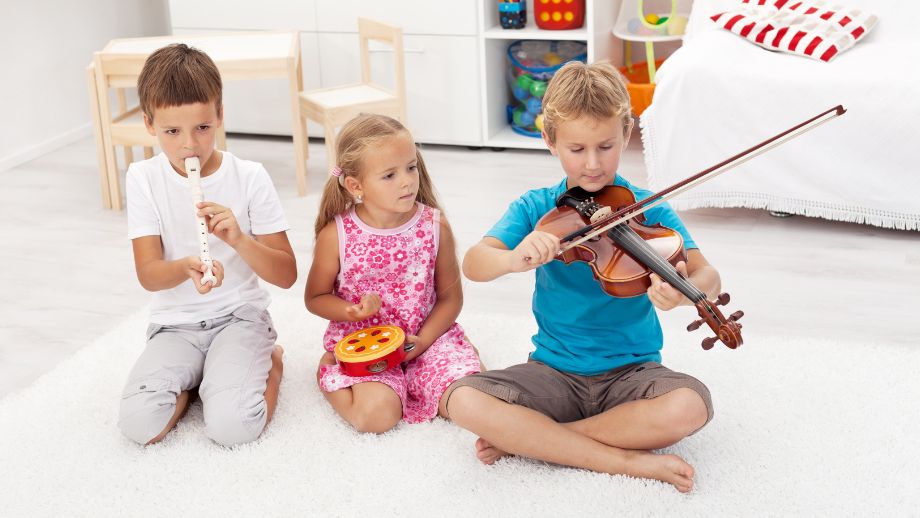
Relaxation techniques like yoga, mindfulness, or progressive muscle relaxation can significantly help your child manage their anxiety. These practices teach them to identify and release physical tension while promoting a sense of calm. Please encourage them to spend a few minutes each day focusing on playing an instrument, focus on their breathing, stretching, or listening to calming music.
Help Them Reframe Negative Thoughts
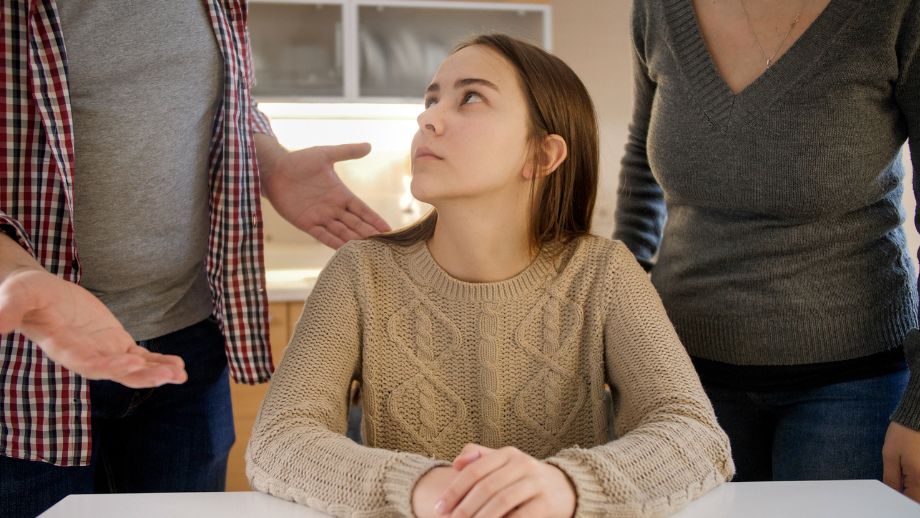
Anxious children often fall into catastrophic thinking patterns, assuming the worst will happen. Teach them to challenge these thoughts by asking, “What’s the worst that could happen?” and “Is that likely to happen?” Encourage them to replace negative thoughts with more balanced perspectives, like “Even if it’s hard, I can handle it.”
Promote a Healthy Lifestyle
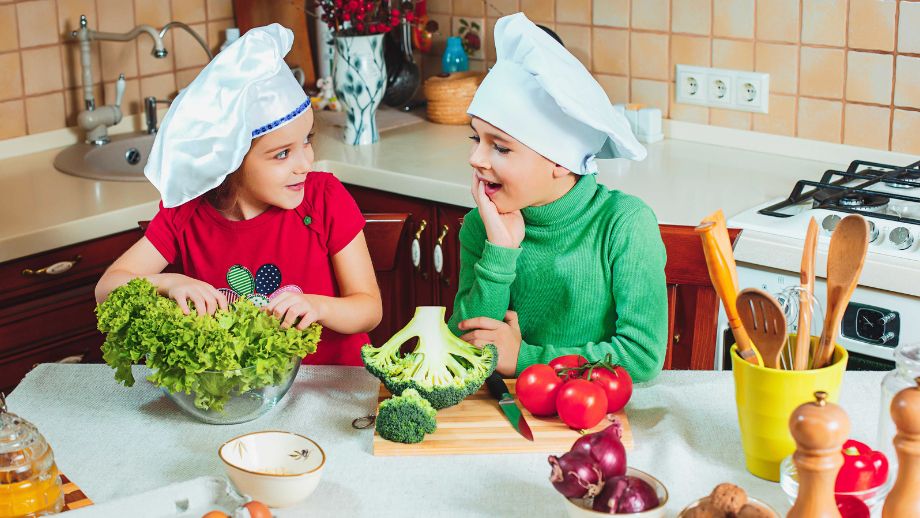
A healthy body supports a healthy mind. Ensure your child gets more than enough sleep, eats a balanced diet, stays hydrated, and engages in physical activity. Regular exercise releases endorphins, which help reduce stress and improve mood. Simple activities like playing outside or joining a sports team can make a big difference in managing anxiety.
Seek Professional Support When Necessary
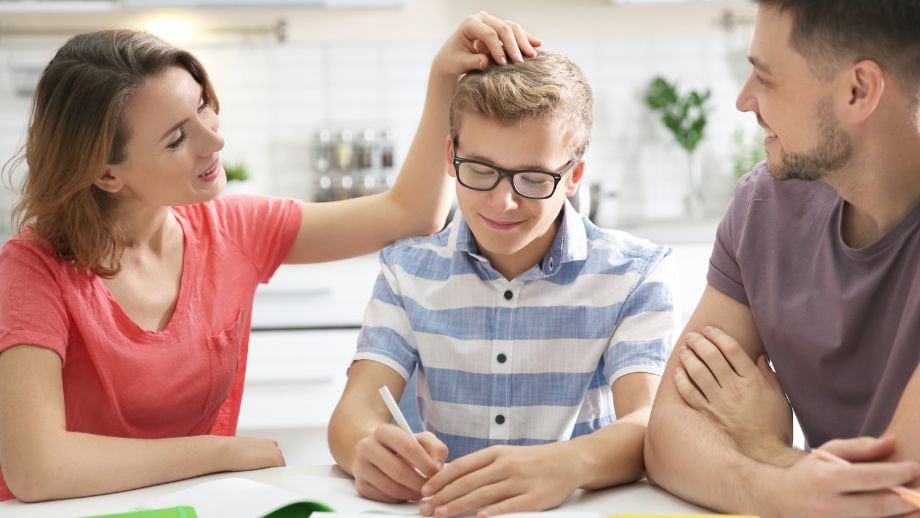
If your child’s anxiety becomes overwhelming or interferes with their daily life, seeking help from a mental health professional may be necessary. Therapists and counselors trained in working with children can provide specialized tools and strategies to address anxiety. Therapy can also offer your child a safe space to explore and develop confidence in managing feelings.