17 Essential Travel Tips for Your First Trip to Europe
Traveling to Europe is something many of us dream about, but it’s not as simple as just booking a ticket and going. If it’s your first time, there are plenty of things that might catch you off guard if you’re not prepared. From understanding local customs to planning your itinerary, a little knowledge can make your trip much smoother. To help you fully enjoy your adventure, here are some important things to know before you set off to explore Europe.
Check Schengen Visa Requirements

The Schengen visa is specifically for non-European Union members, but you must check the details before booking. Your country may not fall under Schengen, and you’ll be required to bring a visa. You may also not need a visa; check in with the Schengen visa requirements.
Euro Isn’t Universal

If you think converting your money into euros will get you places, you’re wrong. Many European countries use multiple currencies, so only a few (Austria, Belgium, Croatia, Italy, etc.) use euros. For example, Hungary uses the Hungarian Forint, Denmark uses the Danish Krone, Norway uses the Norwegian Krone, Switzerland uses the Swiss Franc, etc.
Pre-Book Major Attractions

You’re pretty wrong if you think visiting a particular attraction guarantees entry. Tourist attractions, especially major ones like the Louvre or the Leaning Tower of Pisa, get incredibly crowded during peak times, so you might need help to get in. Pre-booking a spot or getting a ticket weeks or days before your visit is best.
Plan For Jet Lag

Jet lag can hit hard when you’re crossing time zones, especially when you first land in Europe. To make it easier on yourself, try changing your sleep schedule a few days before your trip. Also, plan a day or at least a few hours to rest before you head out for activities. Otherwise, your body is going to be too tired to function.
Travel Insurance

Don’t ignore travel insurance. Many travelers feel travel insurance allows travel agencies to pull more money, but that’s false. Travel insurance can be a lifesaver. It not only arranges reimbursements for when you need them but will also help you effectively get back on your feet after a travel emergency.
Knowing Socket Type

You’ll pack your charger, but don’t forget to take a C-type adapter. Most sockets in Europe are type C, while those in the U.S. and other countries may be type A and B. If you’re unsure or are traveling to multiple destinations, it’s best to get a universal travel adapter to avoid any hassle.
Get A Eurail Pass

You’ll need to get tickets to travel from one country to another and even between cities, which will cost a lot of time and money. Instead, get a Eurail pass for the duration of your trip; it’ll feel costly, but you’ll be able to travel across 33 countries and up to 40,000 destinations in a breeze.
Quality Tap Water

Most of us are used to drinking bottled or filtered water at home, so we tend to buy bottled water when traveling. Don’t do that; bottled water costs a lot in Europe. The tap water in Europe is pre-filtered and clean, so you can drink it anytime; carry a metal water bottle and fill it up from public watering outlets.
Historical Preservation

It’s tempting to take pictures with a particular landmark or even touch it. But you must read the rules when visiting a popular destination; many landmarks and even sculptures in Europe are protected because of their historical significance, so even the slightest damage could cost you thousands of dollars in fines and even jail.
Tipping Etiquette
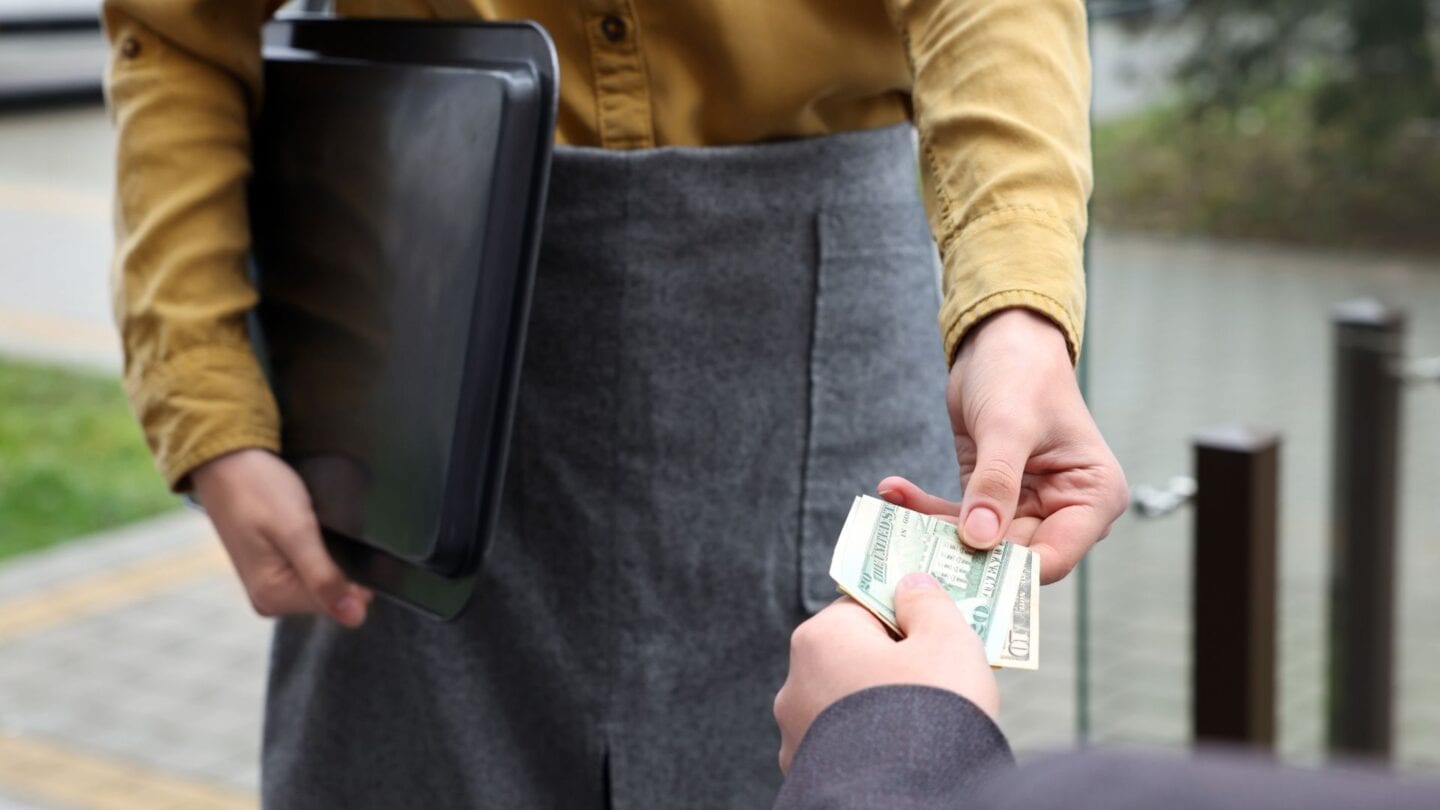
We’ve been taught to tip whenever we eat out, but tipping culture doesn’t exist in most European nations. This is because servers are paid a fair living wage and get good benefits, so they don’t need a tip. Many servers and waiters in European eateries take tipping as an insult because it implies they didn’t satisfy you.
Sunday Closure
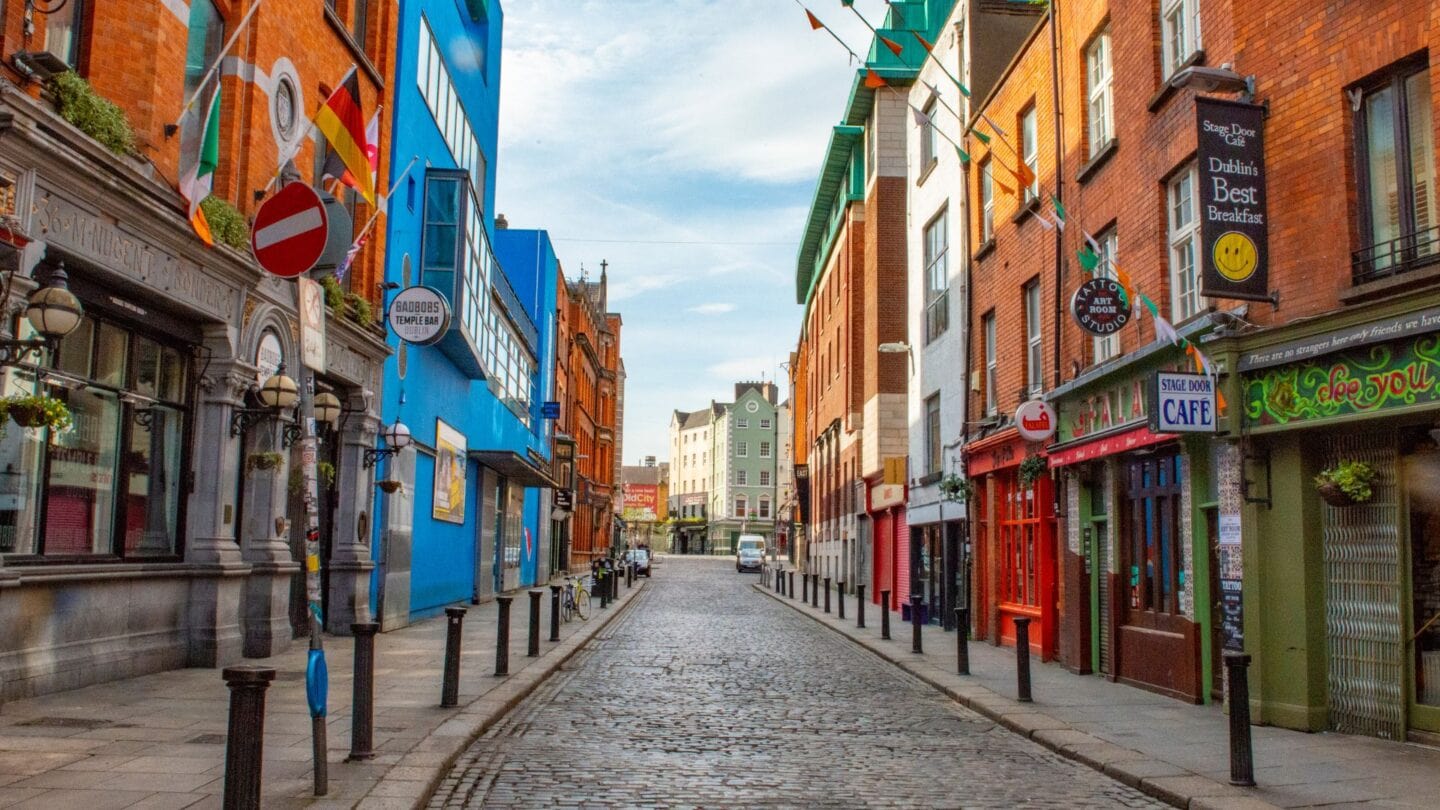
While most of us tend to shop on Sundays, most European nations see it as an entire day to relax. Stores in European countries, especially those in Western Europe, are closed on Sundays. Don’t go out to shop on the weekend; hit the stores on weekdays and use the weekend to relax like the locals.
Tourist Scams

Traveling in Europe isn’t always a smooth experience; many countries have tourist scams all over the place, so you’ll be sucked in before you know it. Most tourist scams involve overpriced services, poor menus, extra chargers, and even begging thieves. It’s best to research your destination to stay safe locally.
Free City Tours

Don’t waste your time getting a tour guide—it’ll just cost you money and bore you. Download an offline city-wide tour so you can explore at your own pace. Many European nations also offer free city tours; look up these offers in your destination, and you’ll find plenty.
Schengen Rules

The Schengen Area covers 26 European countries, allowing for seamless travel without passport checks between member states. However, the 90/180 rule is critical to remember: you can hang out for 90 days within any 180-day period across all these countries combined. You don’t want to overstay and deal with fines or, worse, a ban from entering again.
Tourist Taxes

A lot of European cities have a little extra charge called a tourist tax. It’s usually just a few bucks per night added to your hotel bill, but it can vary depending on where you are. Do a quick check before you book so you’re not caught off guard. This small tax amount is often used to maintain and improve tourism infrastructure, benefiting both visitors and locals.
Packing Essentials for Different Climates

Europe is quite diverse in terms of climate. So, if you plan to visit multiple countries, packing accordingly will make your trip much more comfortable. While planning, do not forget to research the places you are visiting. Thoroughly check the climate and weather forecasts to be well prepared in case it rains or snows.
Local Festivals

Don’t miss out on local festivals, markets, or events during your European trip. There are many best spots hosting festivals where you can enjoy unique experiences. Ask locals or check out tourism sites to find out what’s happening. You might stumble upon something unforgettable.
This article was first published at Rbitaliablog.