
12 Things Parents Are Doing Wrong Without Even Realizing It
Parenting is one of the most rewarding and challenging roles a person can take on. Despite the best intentions, some parenting habits can unintentionally affect a child’s emotional, mental, and social development. These mistakes often go unnoticed, but with awareness, parents can make minor adjustments that lead to significant positive changes. Here are 12 common parenting missteps and how to address them.
Over-Scheduling Kids

Many parents fill their kids’ days with sports, classes, and extracurricular activities to give them every opportunity. While these activities can be beneficial, overscheduling can leave children feeling stressed, exhausted, and devoid of free time. Downtime is crucial for fostering creativity, self-reflection, and relaxation. Solution: Ensure your child has unstructured time every day. Allow them to engage in imaginative play, relax, or explore their interests without the pressure of a schedule.
Failing to Set Clear Boundaries

Many parents fear being seen as too strict, but failing to establish clear rules can lead to confusion and insecurity in children. Boundaries help kids understand what is expected of them and provide a sense of structure and safety. Solution: Communicate your expectations and enforce them consistently. Use a positive tone to explain why the rules are in place and how they benefit everyone.
Comparing Kids to Others
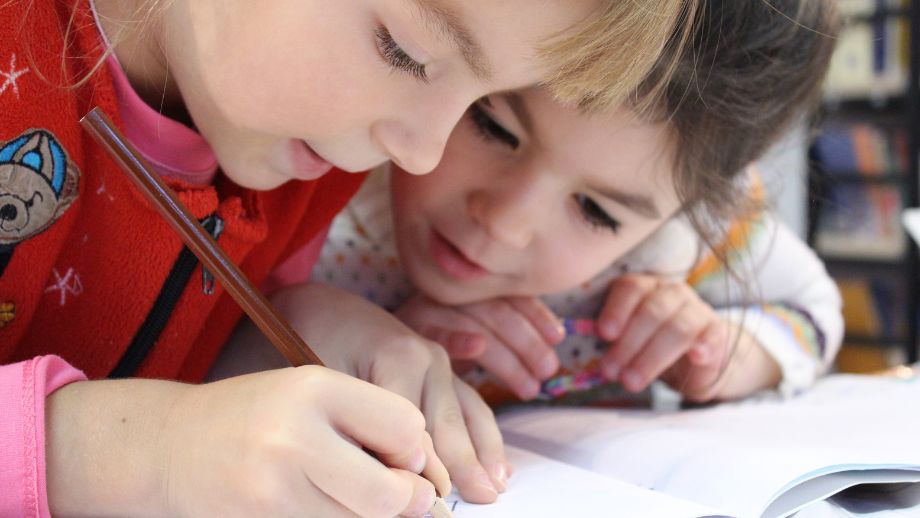
Parents often compare their children to peers or siblings, even unintentionally. Statements like “Your sister always does her homework on time” can damage a child’s self-esteem and create feelings of inadequacy. Solution: Celebrate your child’s strengths and progress instead of comparing them to others. Highlight their individuality and encourage them to embrace their path.
Modeling Negative Behavior

Children are highly observant and often mimic their parents’ actions. Negative behaviors, such as losing patience, speaking unkindly about others, or neglecting health, can unintentionally teach children to adopt the same habits. Solution: Reflect on your behavior and strive to model the qualities you want your child to emulate, such as kindness, patience, and self-discipline.
Overprotecting Them

Parents naturally want to shield their children from harm, but being overly protective can prevent kids from developing resilience and problem-solving skills. Children not allowed to face challenges may struggle to handle adversity later in life. Solution: Allow your child to take age-appropriate risks and experience natural consequences. Please encourage them to tackle challenges while offering sideline guidance and support.
Not Listening Enough

Parents often multitask or jump to conclusions when their child is talking. This lack of attention can make children feel unheard or unimportant, leading to communication barriers as they grow older. Solution: Practice active listening by giving your child full attention during conversations. Maintain eye contact, acknowledge their feelings, and respond thoughtfully.
Praising Only Achievements

Focusing solely on accomplishments, like good grades or winning a game, can create a fear of failure in children. They may feel their worth is tied only to what they achieve rather than who they are. Solution: Praise effort, perseverance, and progress rather than just outcomes. Celebrate the hard work they put into their endeavors, regardless of the result.
Setting Unrealistic Expectations

Pushing children too hard to excel can backfire, leading to anxiety and low self-esteem. Unrealistic expectations often leave kids feeling like they can never measure up. Solution: Set achievable goals that challenge but do not overwhelm your child. When setting expectations, consider their strengths, interests, and developmental stage.
Neglecting Self-Care

Parents who neglect their well-being often become overwhelmed and less patient. Constantly putting their needs last can lead to burnout, negatively impacting their ability to parent effectively. Solution: Prioritize self-care by carving out time for rest, hobbies, and social connections. A well-rested and fulfilled parent is better equipped to handle the demands of parenting.
Being Too Critical

Constructive feedback is essential, but constant criticism can erode a child’s confidence and self-worth. Children who face constant criticism may internalize negative beliefs about themselves. Solution: Balance feedback with positive reinforcement. Acknowledge what your child is doing well before addressing areas for improvement. This approach boosts confidence and encourages growth.
Overusing Technology as a Babysitter
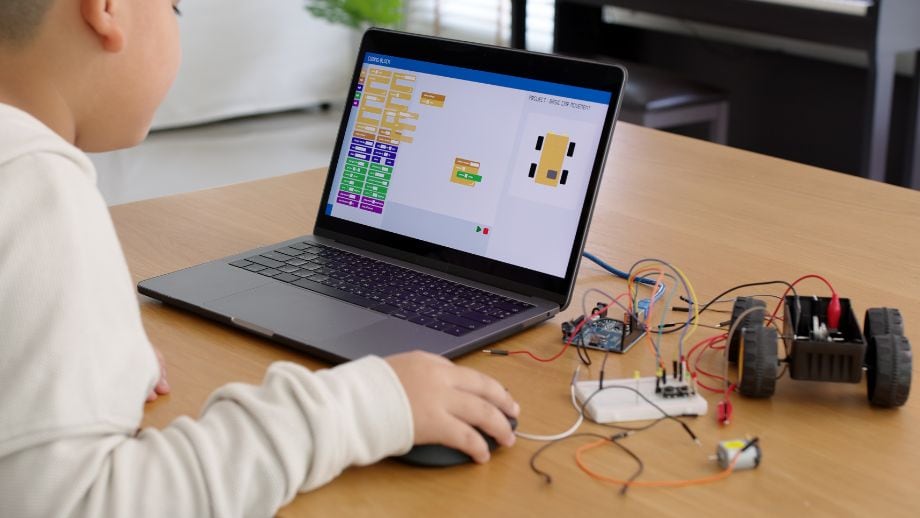
Relying on screens to keep kids occupied can negatively affect their development. Excessive screen time can hinder social skills, creativity, and physical activity, mainly when used as a substitute for parental interaction. Solution: Set clear limits on screen usage and encourage alternative activities, such as outdoor playing, reading, or family games. Spend quality time engaging with your child without digital distractions.
Not Letting Kids Make Mistakes

Mistakes are valuable learning experiences, yet many parents rush in to fix problems for their kids. Shielding children from failure prevents them from developing problem-solving skills and resilience. Solution: Allow your child to make mistakes and guide them in learning from those experiences. Help them see setbacks and fallbacks as opportunities for growth rather than failures.
More For You

Try to travel with your kids whenever you can! The moments you share exploring new places create a bond that no toy or gadget ever could. It’s about the laughs, the mishaps, and the stories you’ll tell for years to come. Memories like these are the true treasures of childhood.
This article was first published on the RB Italia Blog.