
15 Old-School Gender Roles That Are No Longer Relevant
Over the past few decades, society has had clear roles expected of men and women in career, family, and self-identity. These roles were obvious, and anyone who went against them was punished or at least discouraged. However, as society evolved, most of these roles have been downplayed because society currently embraces changes in men’s and women’s roles.
Caregiver Shift

The primary idea was that women should not be employed and should stay home and look after children and the house while men should go to work. It was a pivotal position in every culture, and women had no right to have any form of employment, personal goals, or dreams, let alone careers outside of being a wife and a mother. Today, men and women have swapped childcare roles, and many women are still in the workforce while parenting children. This change is due to society’s recognition of the current world regarding parenthood and equality.
Shared Income

In the past, patriarchal systems accepted the notion that men had an obligation to be family financial supporters, a position that the tradition required women to remain at home and fulfill. Such an expectation exerted incredible pressure on men to excel in business; thus, in the modern world, two-income families are typical, and people expect their partners to earn for the family. This growth is in a way that is consistent with the idea that financial management is not only the responsibility of males but also females.
Late Marriage
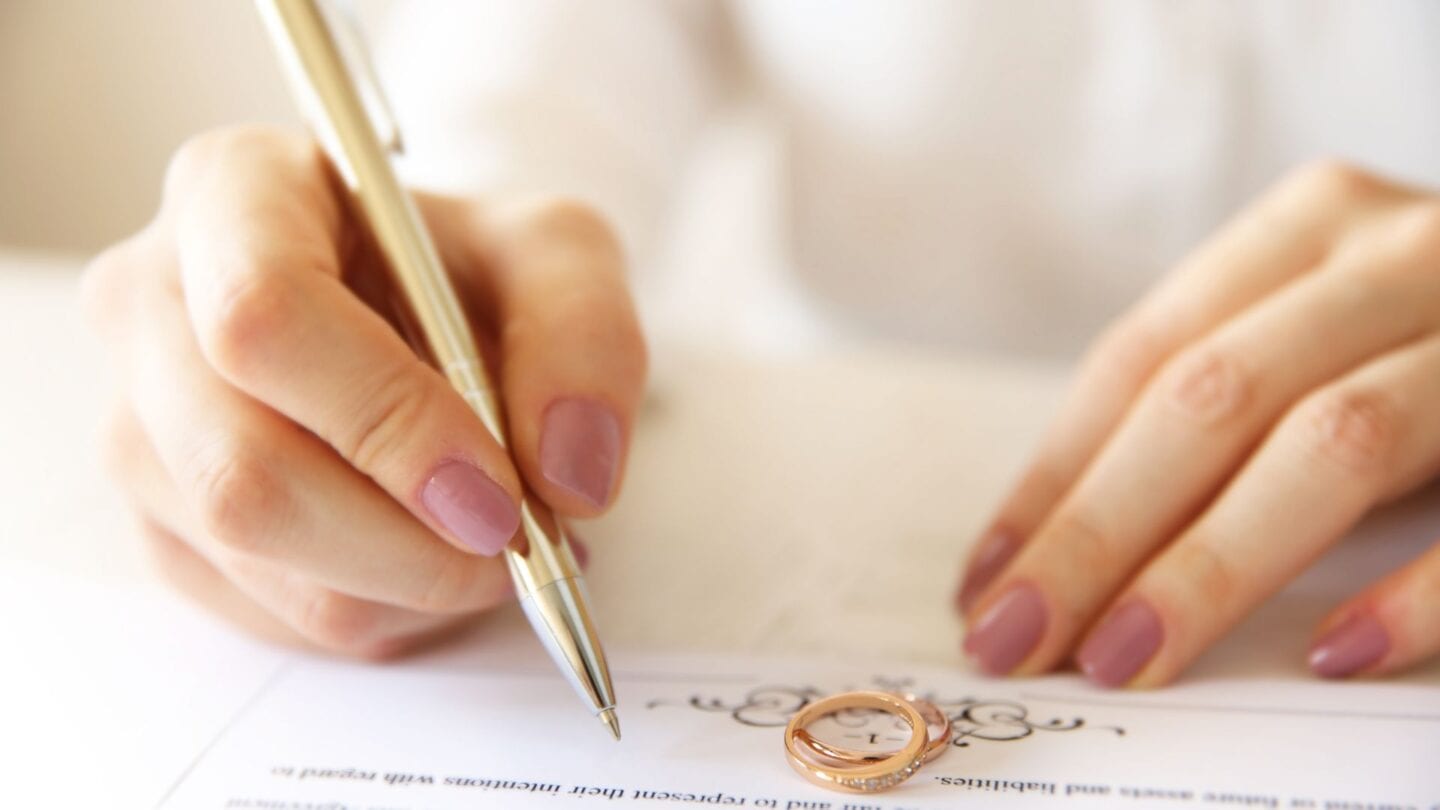
Throughout history, women were to get married and have children as young as possible. Society valued women in marriage, and women who did not get married or delayed getting married were mocked. Today, women have a higher degree of control in their lives than they have before, and many women choose to postpone marriage, learn, or choose not to marry at all. This change symbolizes the change of social perception toward individual rights and the neglect of some stages in people’s lives.
Emotional Openness
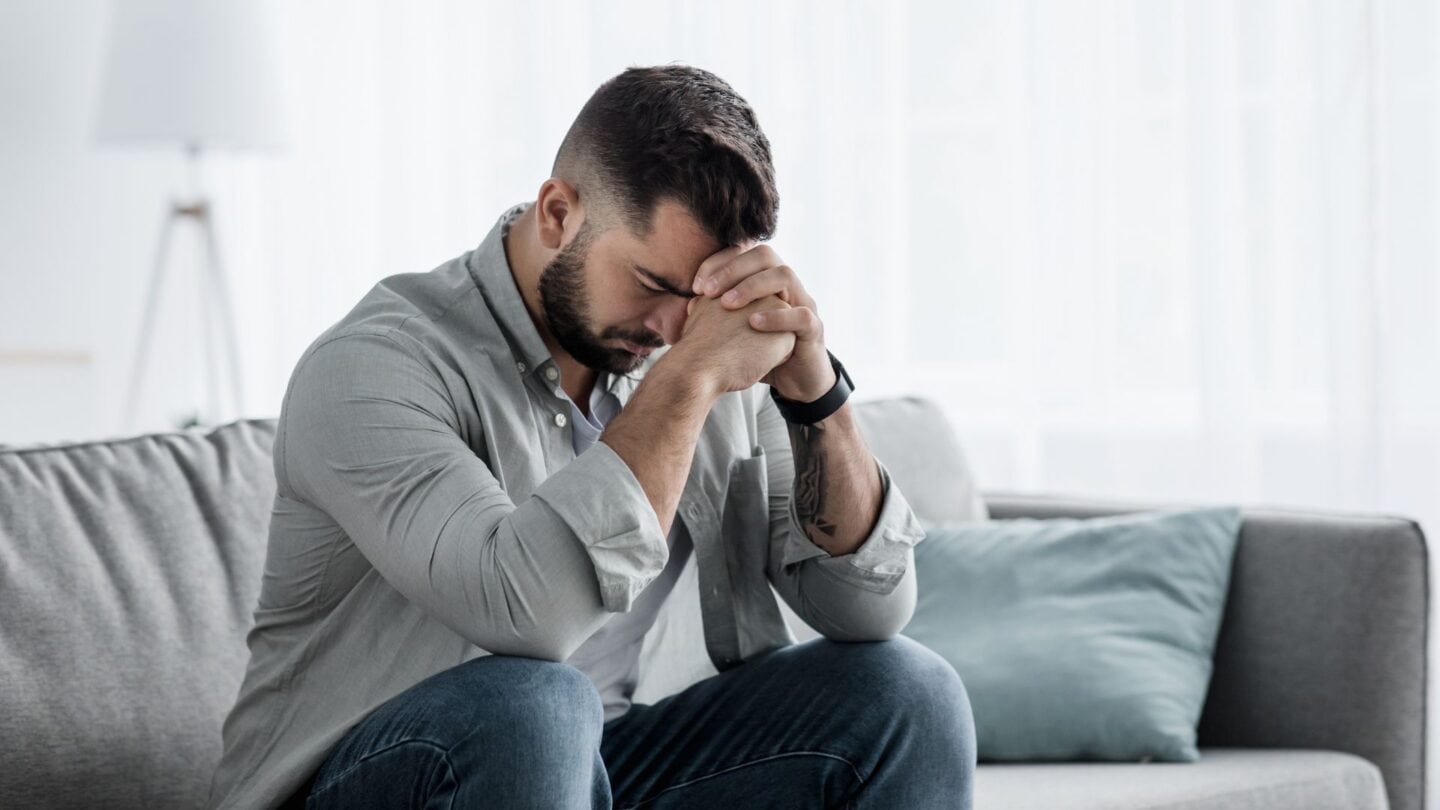
In the past, women were expected to cry while men were expected to stay put and not show any sign of emotion. Men were not supposed to cry, be emotional, or discuss their feelings and weaknesses, so they didn’t. For the past couple of years, there has been an emphasis on men embracing the art of being more emotional, and it is the same with mental health issues. This shift in the standard indicates that people are stepping away from toxic masculinity and are now embracing emotional expression.
Equal Partners

In most societies worldwide, women were supposed to obey their husbands for many years. Marriage was such a way that a woman was supposed to be silent and obedient and had no right to speak for herself. Today, people have equal rights in a relationship, and both have to contribute to the decision-making process somehow. It is because the cultural and social norms that had hitherto relegated women to the background as the weaker sex have been erased constantly.
Domestic Equality

The usual characteristic of such responsibilities was that they were given to women, and men were not supposed to perform tasks like cleaning, cooking, or caring for children. This division of labor was backed up by gender roles that declared men as breadwinners and women as housewives. Presently, there is an expectation that men should assist women with household chores, and the majority of the partners do. This change shows that the earlier gender roles have been transformed, and there is pressure towards gender balance in the family.
Educational Access

Earlier, women did not need to attend higher education institutions as they were considered to focus on marriage and childbearing. Those women who wished to make their careers and attend college to get their degree or work were told they were silly and should not do so. Today, women can attend school and university and do well in business and other careers. The shift in women’s roles, especially in education and workplaces, is that society slowly accepts women are intelligent and should work.
Leadership Shift

Historically, leadership positions have been reserved for men only, especially in the public sector and business. It was because the man was the boss of the company, the political system, and the home, while a woman just had to support him. Women are seizing power and authority, eliminating the notion that men should be the leaders. This change has resulted from a social process that seeks to enable women to stand and take leadership positions and make decisions in the organization.
Breaking Stereotypes in Hobbies

Hobbies used to have strict “for men” or “for women” labels—like knitting was for women, and sports were for men. Now, people are free to get into whatever interests them, with men enjoying cooking and crafts and women exploring sports, mechanics, and more. Time has shown us that hobbies are about having fun, not fitting into old stereotypes, and it’s refreshing to see everyone embracing what they truly enjoy.
Fashion Freedom

In most societies, for most of history, women have been expected to conform to specific codes of conduct and dress decency. Women who dressed in a manner that could be deemed immodest were often scorned or described as being inappropriate. Instead, the modern fashion trend gives women several choices in terms of being able to dress up and not having to wear what was previously expected by specific standards. The shift to a better form of body positivity helps people understand that women’s bodies belong to them and that they don’t have to be owned by anyone.
Skill Flexibility
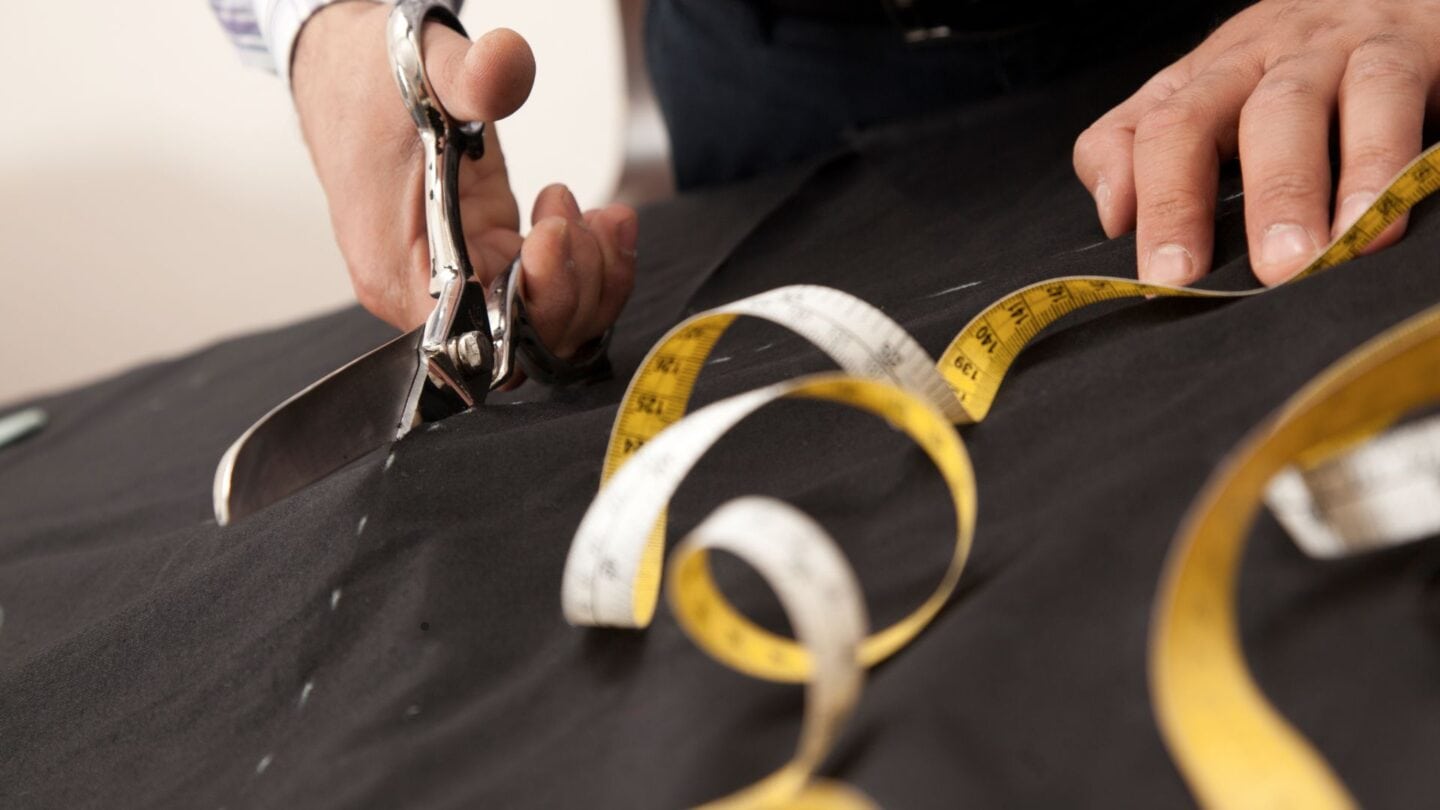
In the past, men could not do what women did, such as sewing, cooking, or even caring for children. Such activities were considered unmanly, and those who participated were laughed at or branded outcasts. Today, such barriers are not very conspicuous, and men are most likely to work in previously reserved sectors for women. It is a new paradigm where the boy child is allowed to do what he wants to do, and skills and talents are not biologically associated with one’s gender.
Breaking Barriers

Several years back, certain professions were considered strictly belonging to men: medicine, law, politics, and many others. However, it was difficult for women who wished to practice such professions because the law and society did not permit it. Almost all these barriers have been brought down, and women have done reasonably well in areas that were hitherto the exclusive preserve of men. The lack of continuity of such roles in the professions suggests societies’ yearning for gender balance, and that one is not a mere reflection of the other.
Personal Grooming and Self-Care
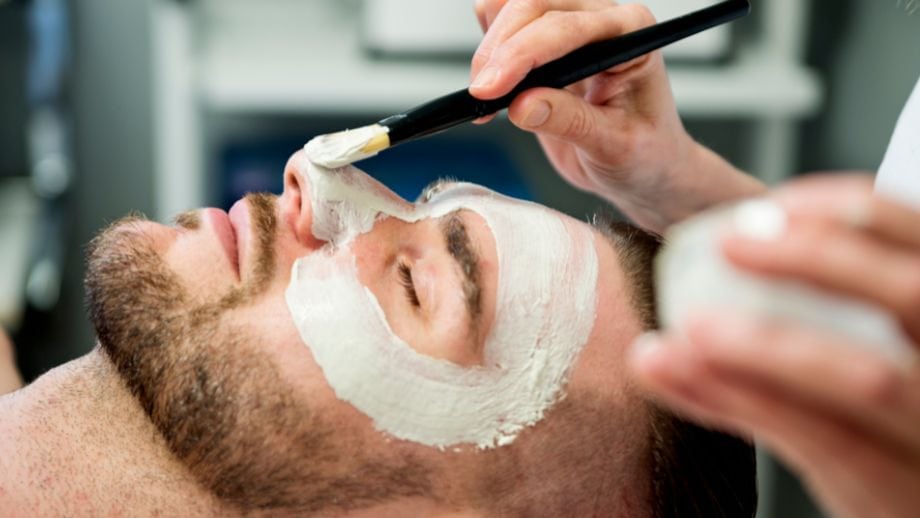
Self-care used to be something mostly associated with women, while men were expected to skip things like skincare and grooming and focus just on work. Today, both men and women enjoy taking care of their skin, staying healthy, and making time for self-care routines. This shift has made men and women both feel good and confident, showing that looking after yourself isn’t just for one gender anymore.
Decision-Making

In the past, men were usually the ones expected to make important decisions, both at home and in the workplace, while women were often left out of the process. Nowadays, things are different. Families, couples, and teams are working together to share the responsibility of decision-making. This change allows everyone to feel heard and valued, creating a more balanced and fair way of handling decisions. It’s a step forward that brings people closer and ensures every opinion counts.
Discipline Balance

In earlier years, the father was the stern parent, while the mother was the caring parent. So, the gendered roles of manhood reaffirmed which men are expected to lead while women are to cater to children. These two roles are not well defined in today’s parenting because both parents may engage in actions that involve punishing the child and comforting or consoling the child’s emotions. This change is attributed to the change of heart by society because, in child rearing, both parents must be there to provide the child with emotional support.
The dissolution of rigid gender roles is one of the most significant social changes of the past century. As society continues to move toward greater equality and inclusivity, many expectations that once limited men and women have been abandoned. The time has come when most people have embraced change; these turns allow people to be who they are and become useful in improving interpersonal relationships, work relationships, and community relations.
More For You

Our parents played a huge role in instilling these roles because they were raised in such environments. Even though these rules don’t apply anymore, there are things that we really wish our parents had taught us.
This article was first published at Rbitaliablog.