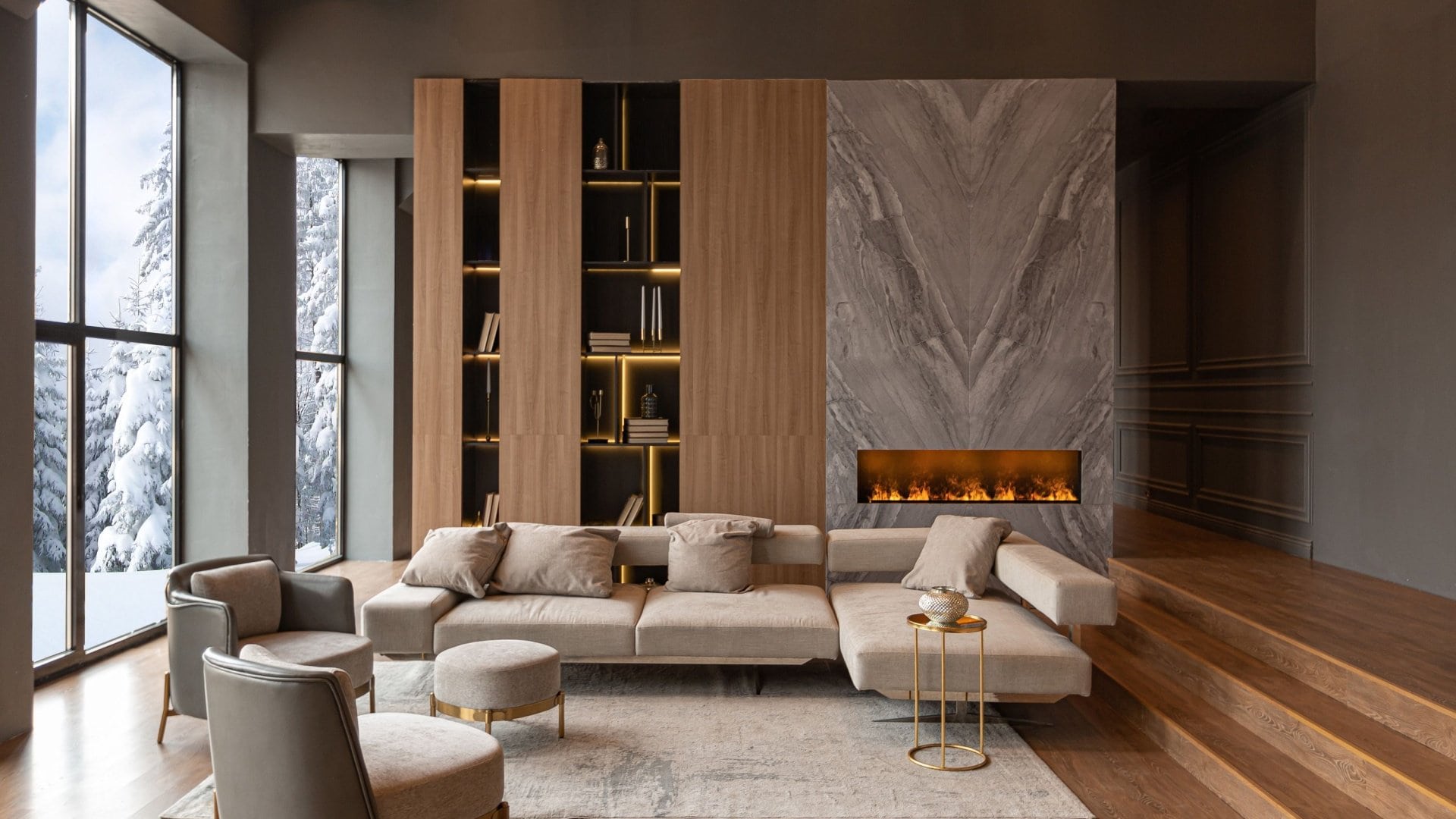
16 Things You’re Doing That Make Your Home Feel Like a Mess
Moving into a new house and thinking of making it a home? Everyone dreams of decorating their space to match their style, but it’s not always as simple as it seems. Decorating isn’t just about showing off your taste—it’s also about avoiding some common mistakes that can make things look less polished. To help you get started, here are some decorating mistakes that people often make and how you can avoid them.
Ignoring The Room’s Function
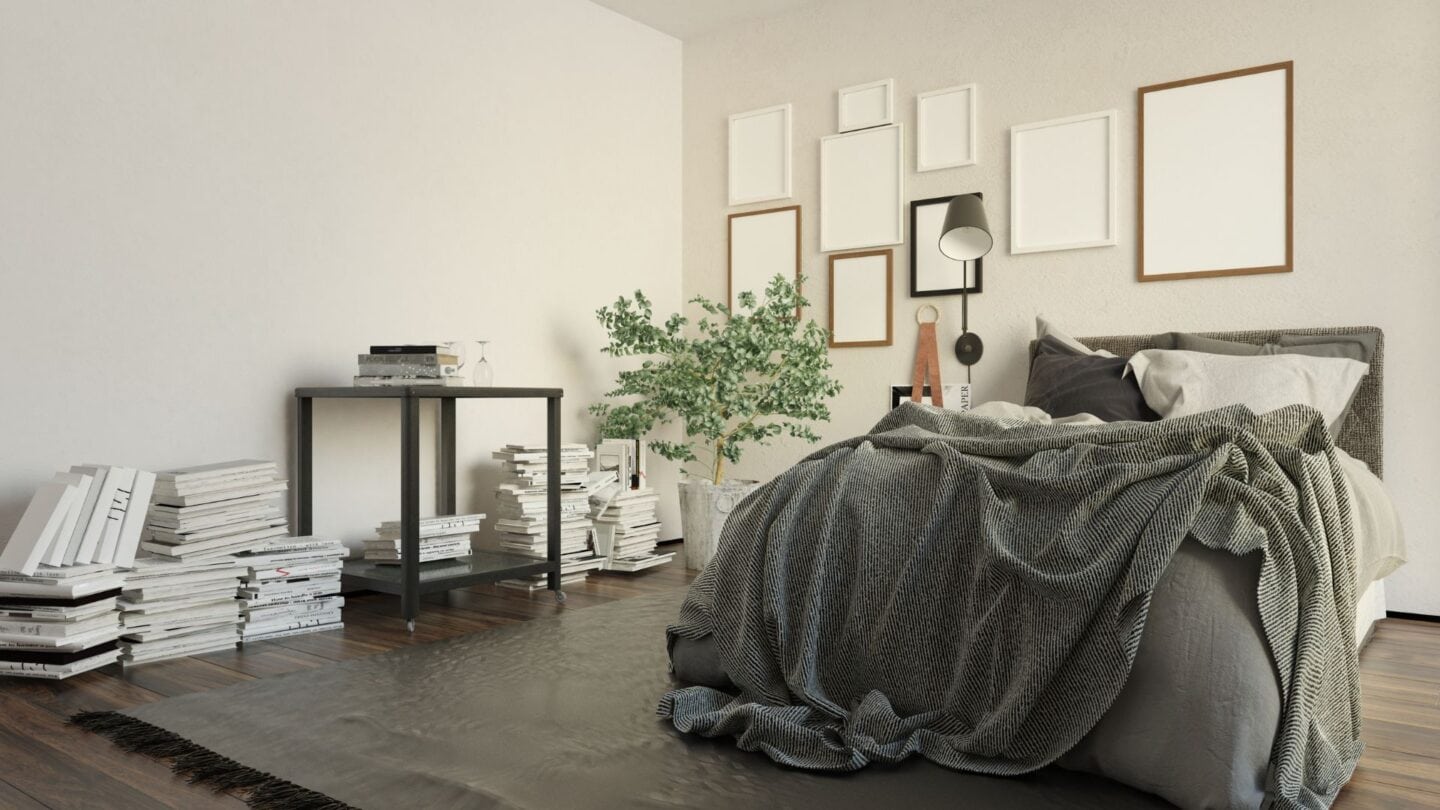
Every room serves a purpose. While you might be renovating and even shifting rooms, they still need some sort of function. Before you start painting the walls and throwing in furniture, consider how the space will be used. This includes the window, the walls, and even the corners. You can start decorating once you’ve figured out the room’s function.
Overcrowding A Room
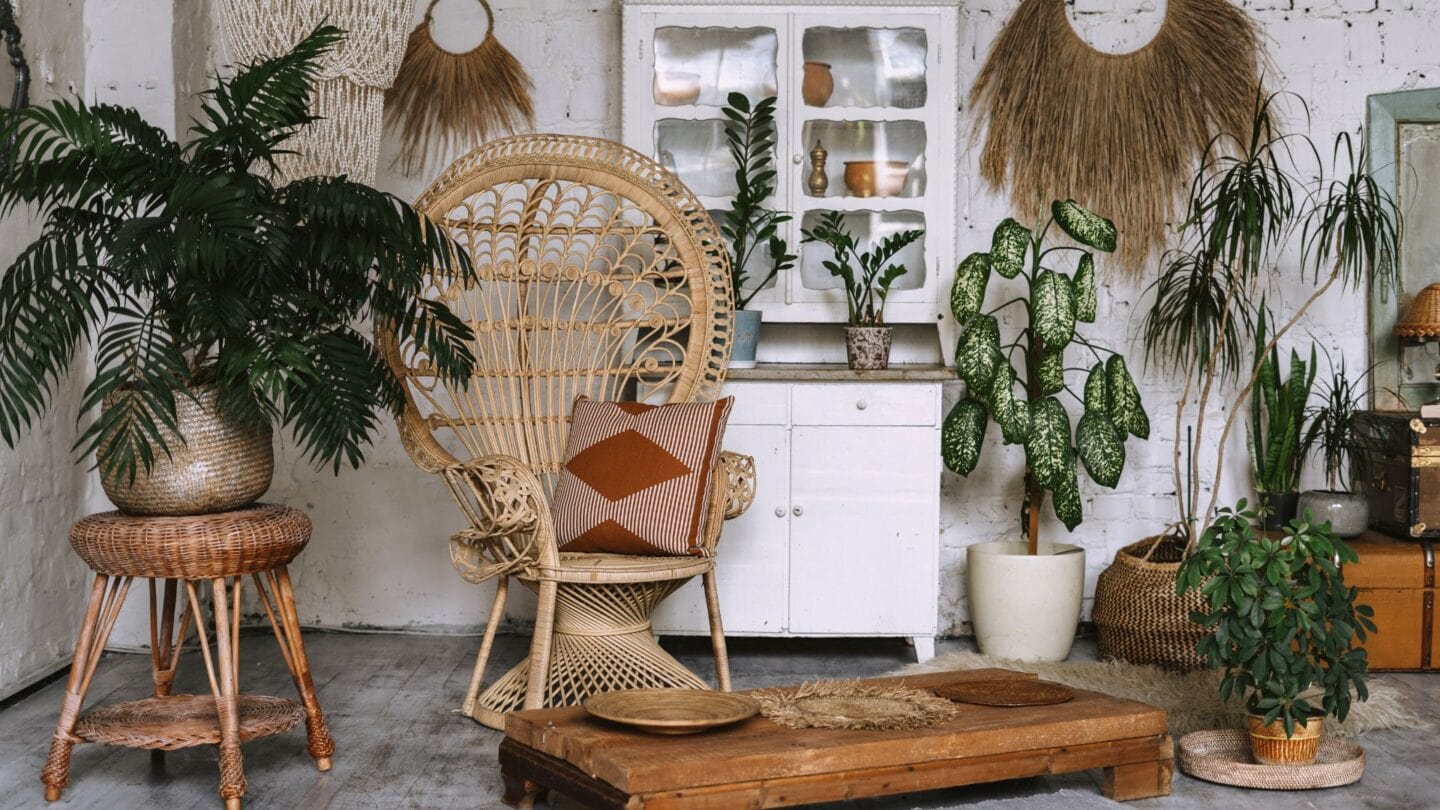
When you stuff rooms with furniture and even decorations that take up the wall, you’re not leaving enough open space for movement and comfort. The room feels crowded, congested, and even claustrophobic because there’s not enough room to breathe and feel comfortable.
Neglecting Lighting
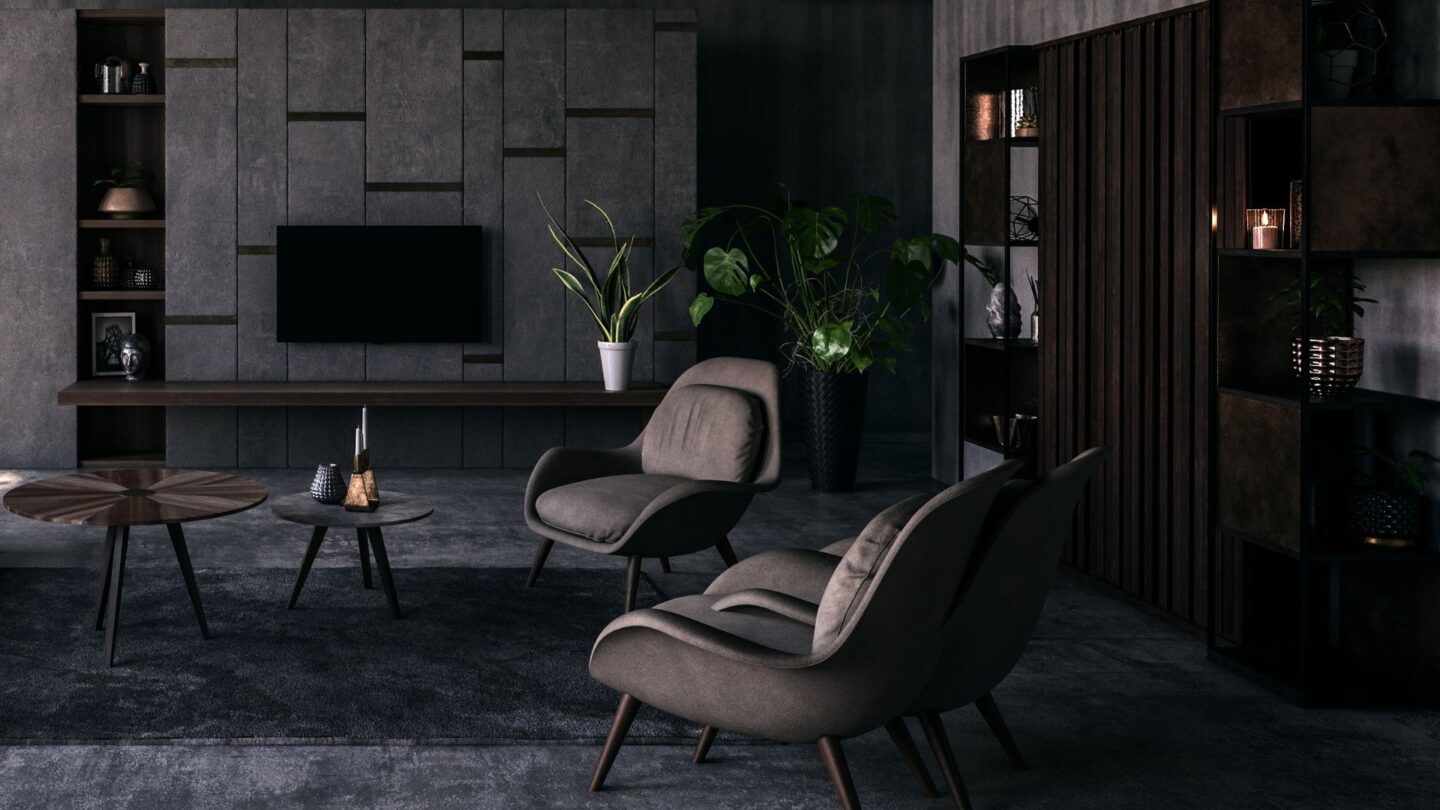
Never underestimate the power of a good light. You might think your room is dark and dull or even plain boring, but with the proper light installations, it will perk right up. This is why getting ambient and accent lights is a must; overhead lighting doesn’t always do the room justice and can be blocked by furniture.
Ignoring Scale And Proportion
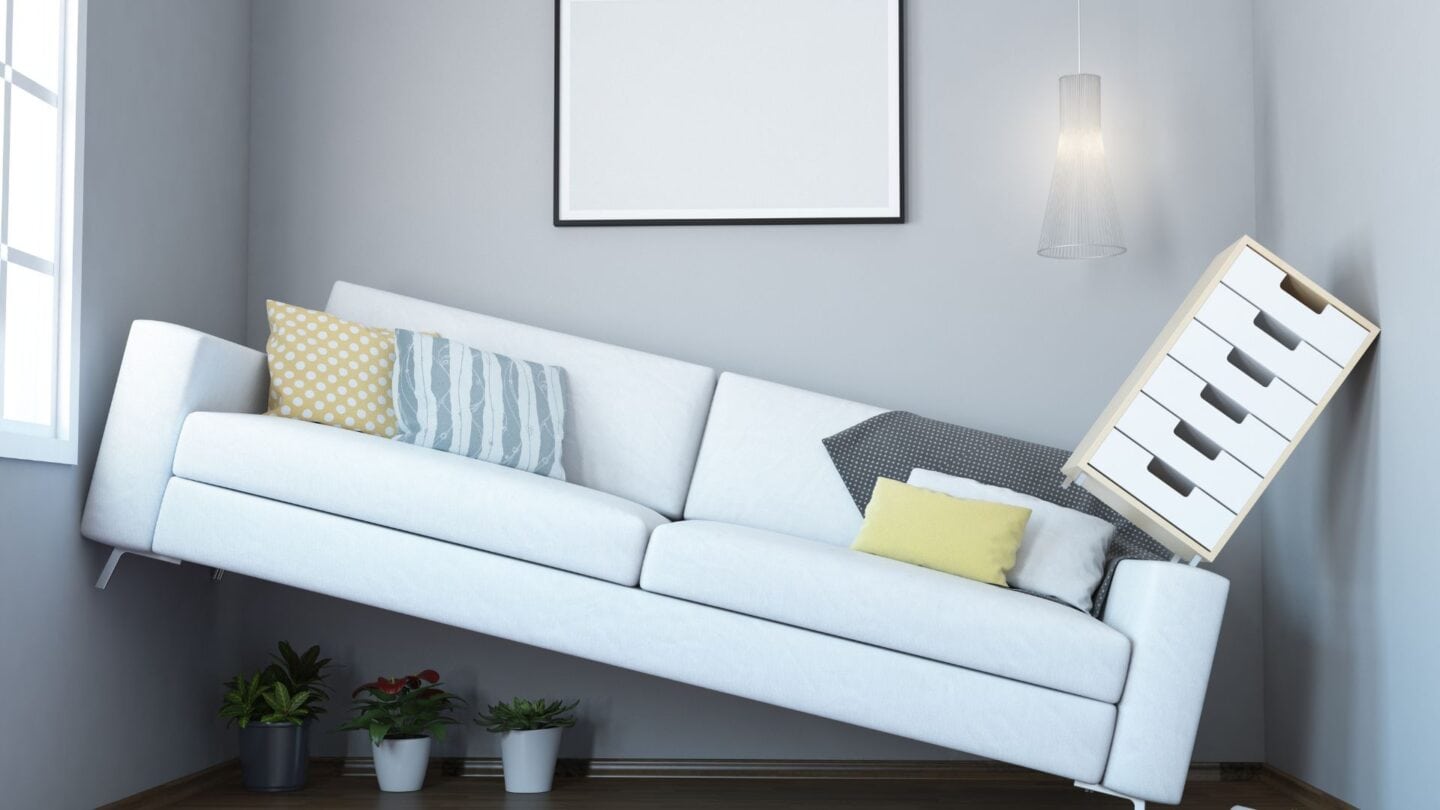
We’ve discussed overcrowding a room, but undersizing it does the same damage. It happens when you’ve just downsized and still use the same big furniture. It’s essential to consider the size of the furniture and decor in the room; with the correct scale and proportion, the decoration will fit just right in.
Skipping A Floor Plan

Most people buy furniture randomly and stuff it into a house or room. While this method may work in some places, it isn’t reliable for furnishing. If you have a good floor plan and outline where everything should go, you can buy the right furniture to complement the room perfectly.
Not Adding Any Plants

Adding plants to your house can make it look lively and fresh. It doesn’t only look good, but it is also great for your health. Ignoring them all together can make your space look lifeless. Even a small potted plant or vase with fresh flowers, which you can frequently change according to seasons, can make your home feel brighter.
Ignoring Texture
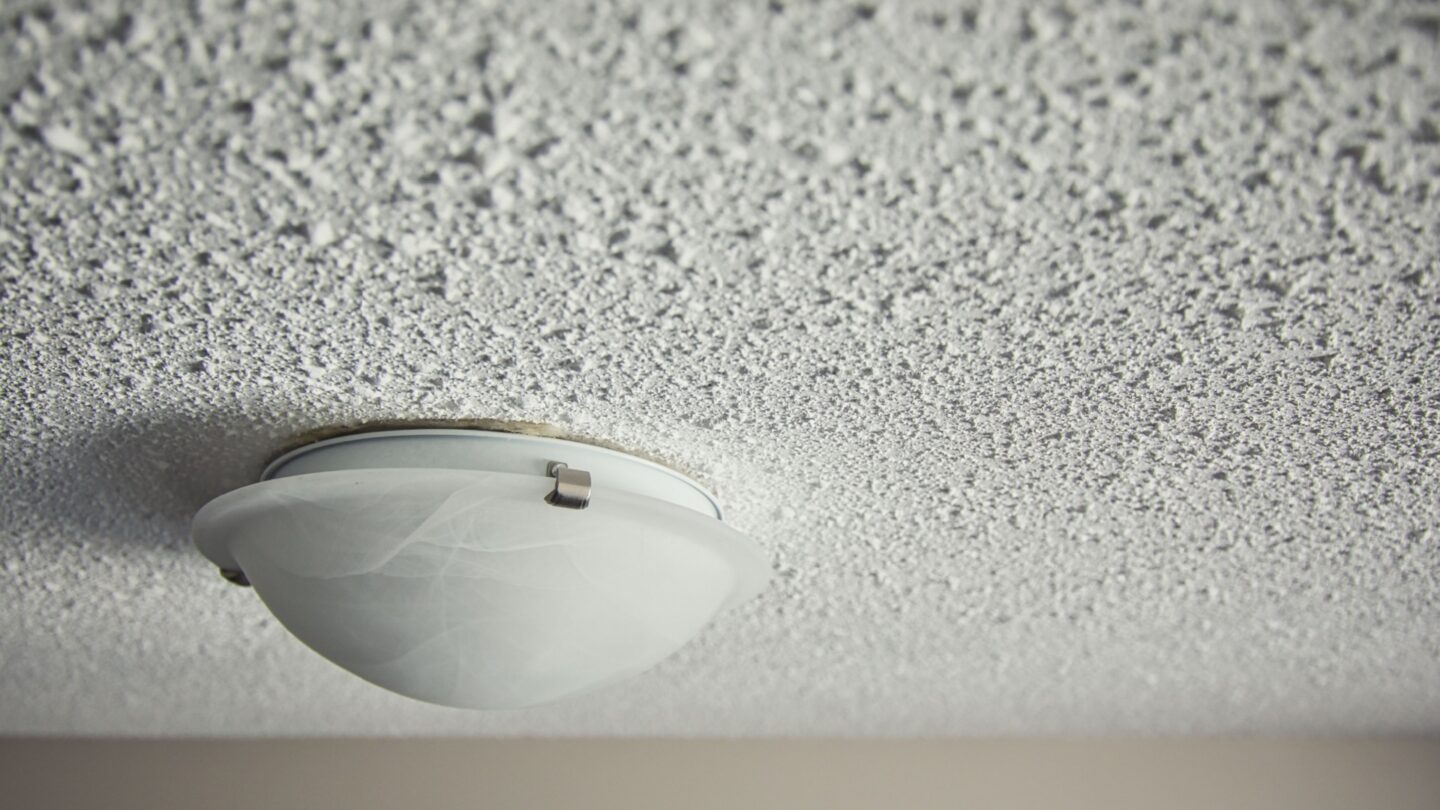
You might be surprised to hear this, but texture dramatically affects a room’s appearance. For example, a popcorn wall makes rooms look smaller, so it’s best for wide and big houses. If settling into a smaller home, creating a visually flat space using only smooth surfaces is best.
Matching Furniture Sets
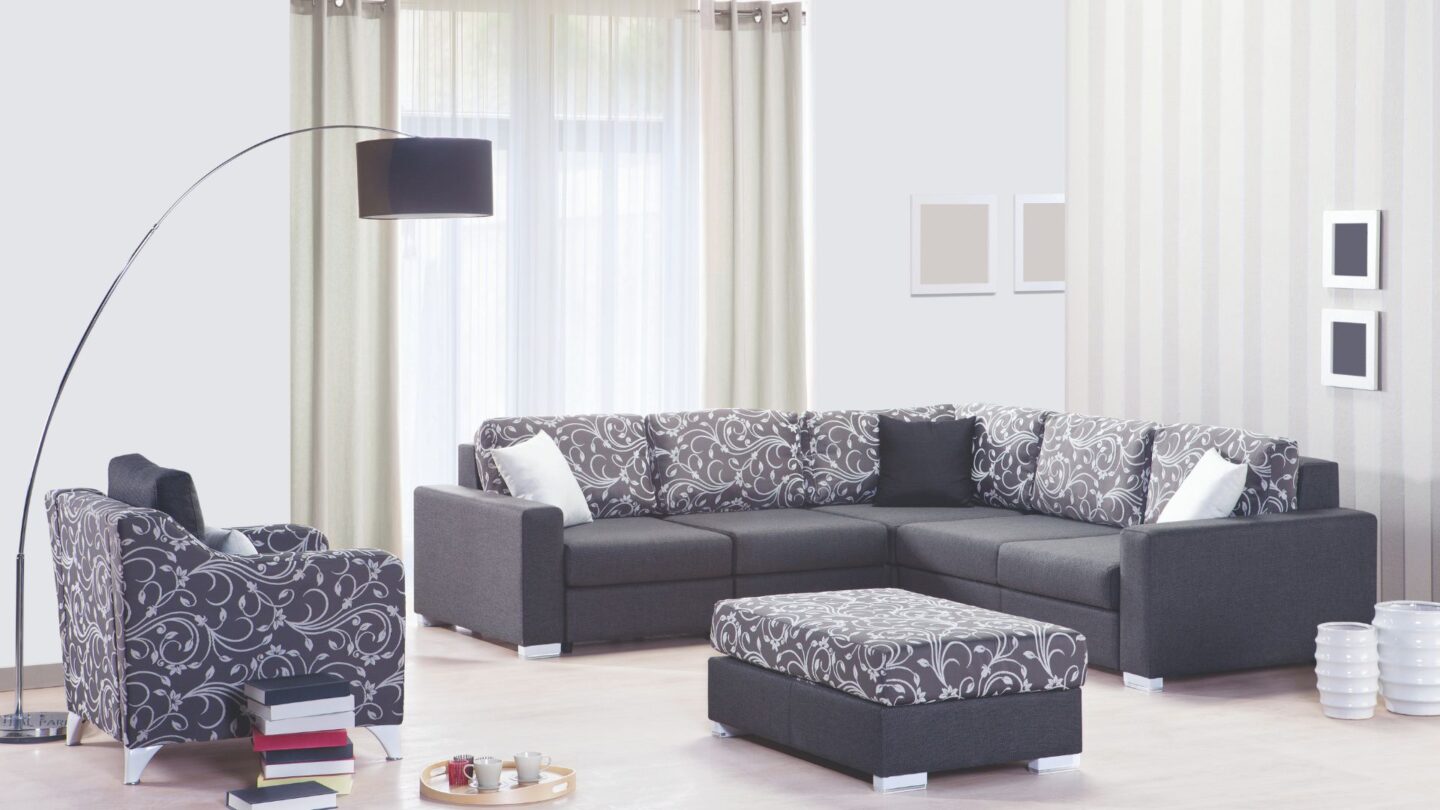
For most decorators, getting matching sets is an adorable and stylish idea. But you’d be surprised at how differently it is seen; matching sets, especially those in color, do get along but also make a place feel stiff and impersonal. It’s best to get a set that doesn’t entirely match but shares elements (alternate-color couches with similarly-themed cushions are a good example).
Ignoring Personal Style

Many people consult fashion magazines and home styling guides to create a comfortable and chic environment. While there’s nothing wrong with seeking inspiration, it’s important not to let it take over your creativity. Incorporating personal taste is as important as following trends.
Forgetting About The Entryway
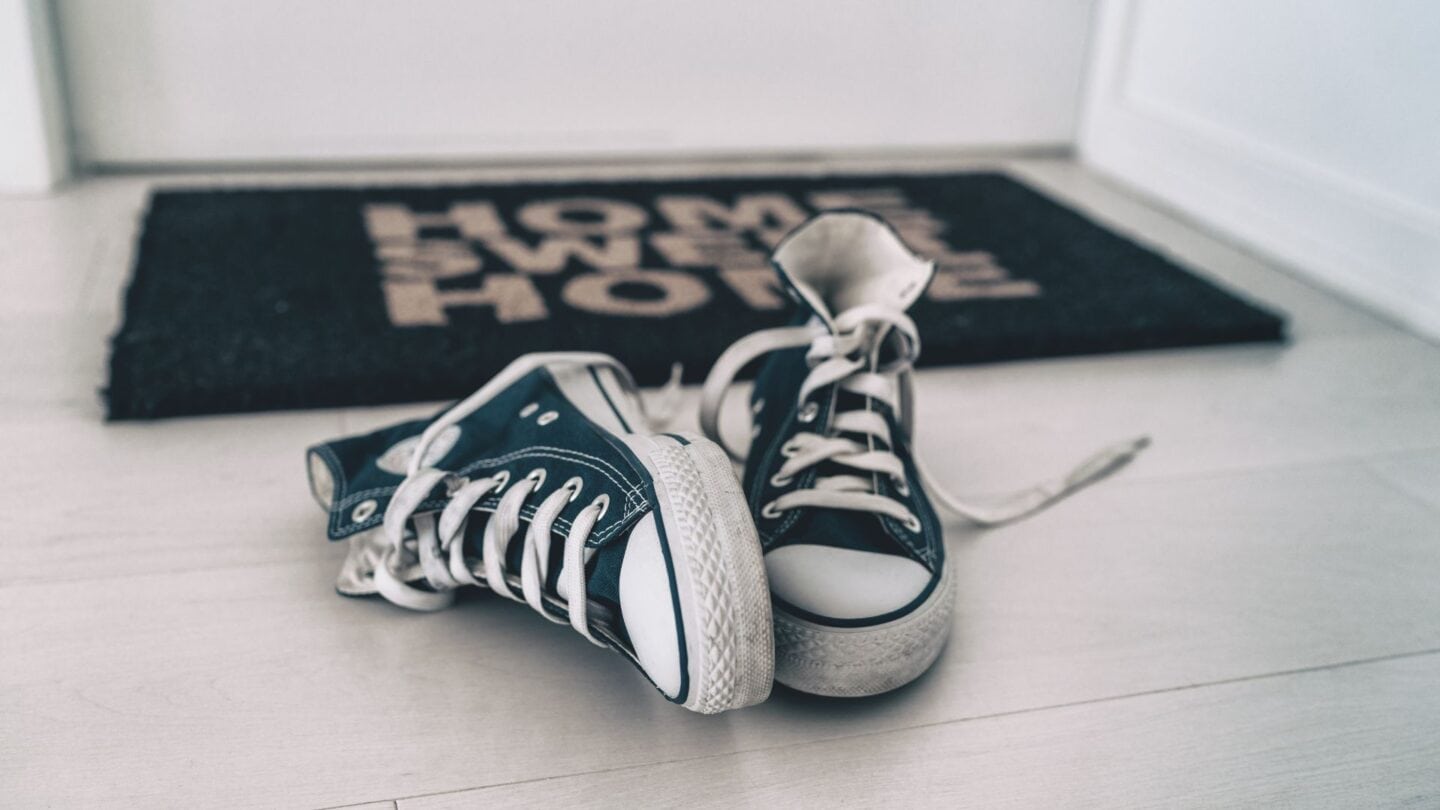
You’d be surprised at how many people decorate their homes without considering the entrance. We’ve encountered unwelcoming homes too often, and it’s important not to do the same to your guests. Dress your hallway to impress; your guests should feel welcome to enter.
Overlooking Window Treatments

Very few people pay attention to a window’s appearance, but modifying one can dramatically improve a room’s appearance. You can dress the windows to enhance the room’s look and function; large rooms suit well with windows with curtains, while it’s best to leave windows uncurtained in small rooms.
Ignoring The Impact Of Clutter

Even tiny knick knacks lying about on a shelf can be visually unappealing and throw off a home’s entire appearance. It’s vital to declutter as you decorate; get rid of things or old trinkets you’re sure aren’t necessary anymore or won’t go well with your home to create space.
Overlooking the Importance of Color Flow

Picking random colors for each room might sound fun, but it can make your home feel a bit chaotic. Instead, try to choose colors that flow well together from one room to the next. This doesn’t mean every room has to be painted the same color—just that they should look good together, creating a cozy and cohesive vibe throughout your home.
Choosing Looks Over Comfort
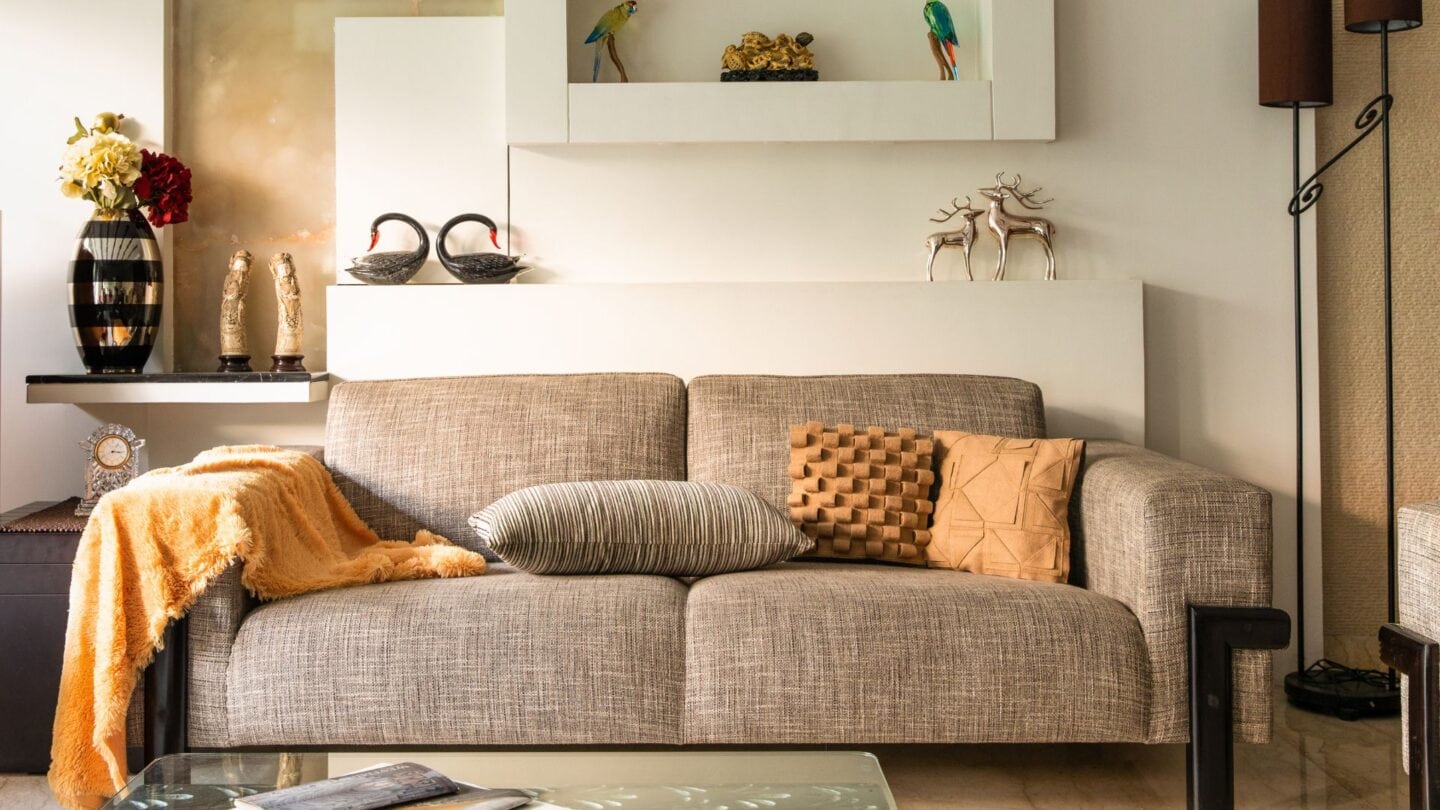
Sure, that sleek, modern chair might look amazing, but if it’s not comfy, it’s probably not worth it. When buying furniture, always think about how it feels, not just how it looks. Your home should be a place where you can kick back and relax, so make sure your furniture is as comfortable as it is stylish.
Skipping Rugs

Rugs have the power to completely transform a room, but many people either skip them or choose the wrong size. A rug that’s too small can make the room feel off-balance and disconnected, while the right size helps everything feel like it belongs. To get it right, make sure your rug sits comfortably under the main furniture, like your sofa or dining table.
Not Considering Maintenance
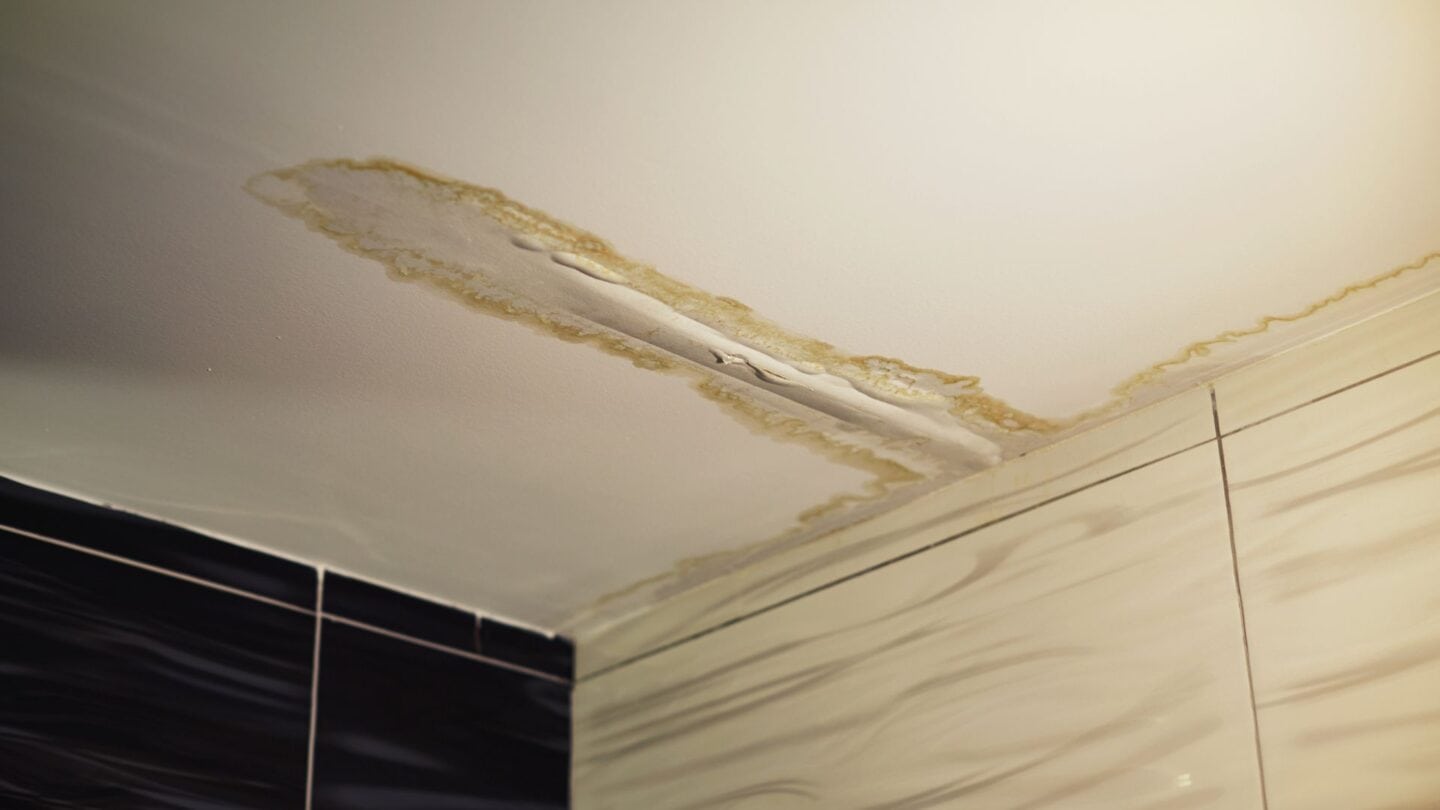
Lastly, decorating a house isn’t only about painting the walls, arranging curtains, and changing the furniture. It’s also about making sure the nuts and bolts—like plumbing and wiring—are done right. You could have the most gorgeous home, but if a water pipe leaks or something goes wrong behind the scenes, all that effort could be ruined in an instant.
More For You

Embracing vulnerability can enhance your relationship. Strengthen your bond with your partner by asking questions that promote an honest dialogue and build a happy home.
This article was first published at Rbitaliablog.