15 Decor Blunders That Can Ruin Your Space (And How to Avoid Them)
Decorating a home is such a fun way to show your creativity and make your space feel cozy and inviting. Over the years, I’ve learned that a great-looking home isn’t just about pretty things—it’s about finding the right balance between style and practicality. I’ve also made my share of mistakes and discovered what to avoid to make a space look its best. In this post, I’m sharing 15 common decorating mistakes you should avoid, like mismatched colors or cluttered layouts. If you’re looking for simple tips to refresh your home, this guide is perfect for you!
Overcrowding Spaces: Instead, Keep It Minimal For Breathing Room

One of the biggest mistakes I see is overcrowding a space with too much furniture or décor. While filling every corner is tempting, doing so can make a room feel cramped and overwhelming. Instead of showcasing everything you love at once, opt for a more minimal approach. This doesn’t mean your space has to feel sparse; it allows each piece to breathe and shine. By carefully selecting a few elegant items you truly love, you’ll create a more inviting atmosphere that feels open and spacious.
Ignoring Scale And Proportion: Instead, Choose Appropriately Sized Furniture

Choosing the right proportion for your furniture is crucial to achieving a balanced look in any room. Picking pieces that are too large for a small space can make it feel cluttered, while tiny furniture in a vast room can feel lost and insignificant. Always consider the size of your room before making a purchase. Take measurements if needed! Aim for furniture that complements the space, allowing for movement and flow. This attention to scale will make your room feel more harmonious and inviting.
Choosing Trendy Items Over Timeless Ones: Instead, Invest In Classic, Enduring Pieces

While trends can be exciting, they often have a short lifespan. Filling your home with trendy items can leave you unsatisfied and scrambling to keep up with the latest fads. Instead, invest in chic, elegant, and timeless pieces that will stand the test of time. Think about furniture and décor that won’t feel outdated in a year or two. This approach will save you money in the long run and create a cohesive, enduring aesthetic in your home that feels true to your style.
Neglecting Proper Lighting: Instead, Use A Mix Of Ambient And Task Lighting

Lighting can make or break a room, yet it’s often overlooked. Many people stick to overhead lights, creating harsh shadows and unwelcoming environments. Instead, consider layering your lighting with ambient, task, and accent lights. Ambient lighting provides a warm glow, task lights help with specific activities like reading or cooking, and accent lights can highlight artwork or architectural features.
Skipping A Cohesive Color Palette: Instead, Stick To A Harmonious Color Scheme

A cohesive color palette is so crucial for a well-designed space. When colors clash or seem random, the whole room can feel disjointed. To avoid this, choose a color scheme that reflects a harmonious flow throughout your home. You don’t have to stick to just one color; instead, select a few complementary shades that work well together. This creates a sense of unity and makes your decorations feel intentional. Your home will exude a polished and sophisticated vibe when everything is tied together with a thoughtful color palette.
Overlooking Entryways: Instead, Create a Welcoming First Impression
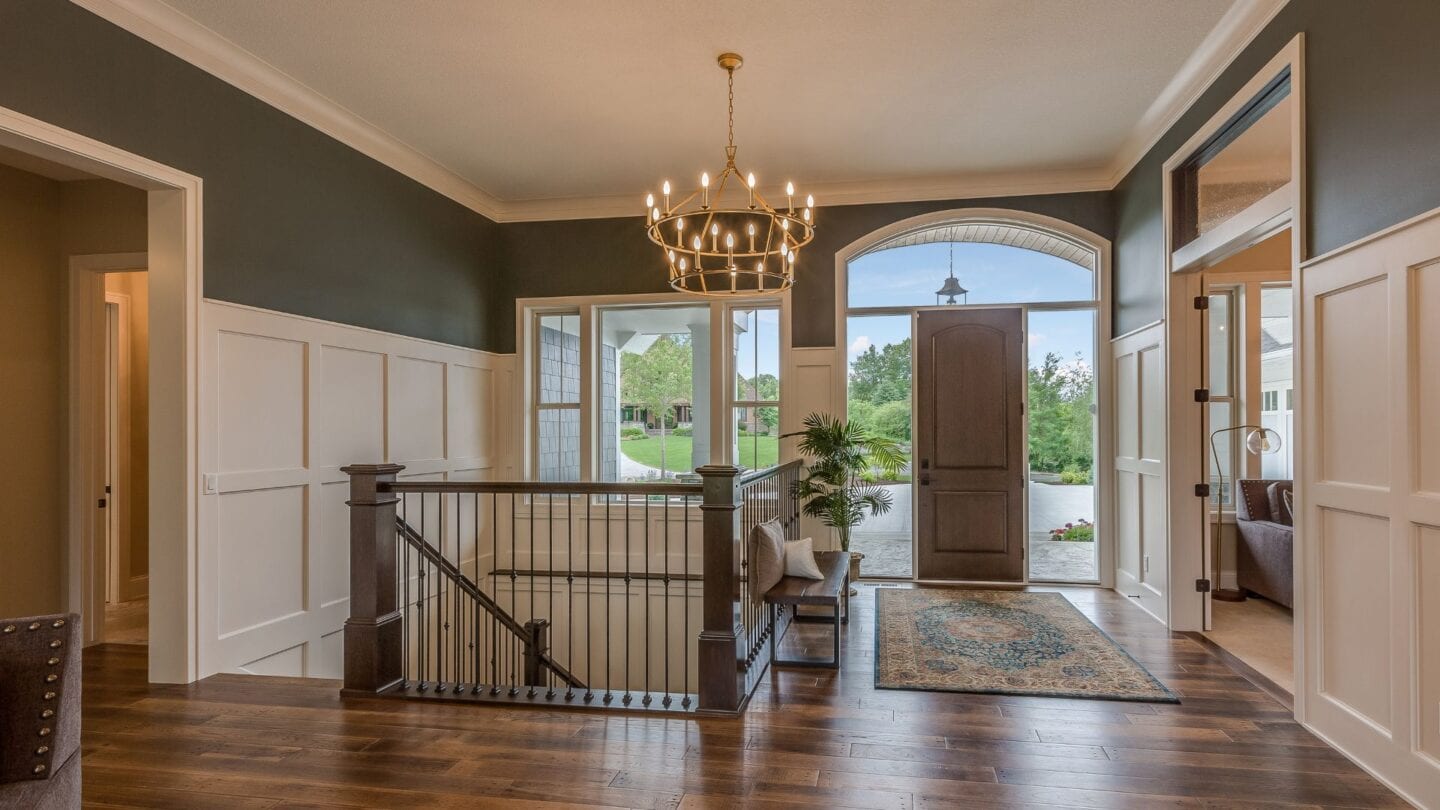
The entryway is the first thing people see when they walk into your home, so don’t skip over it. Add a cute console table, a mirror, and some hooks or a bench for shoes and bags. It’s a simple way to keep things tidy and make your guests feel welcome from the moment they step inside. Plus, it’s the perfect spot to show off your style with a few personal touches, like plants or a piece of art.
Neglecting Wall Space: Instead, Utilize Walls for Decor and Storage
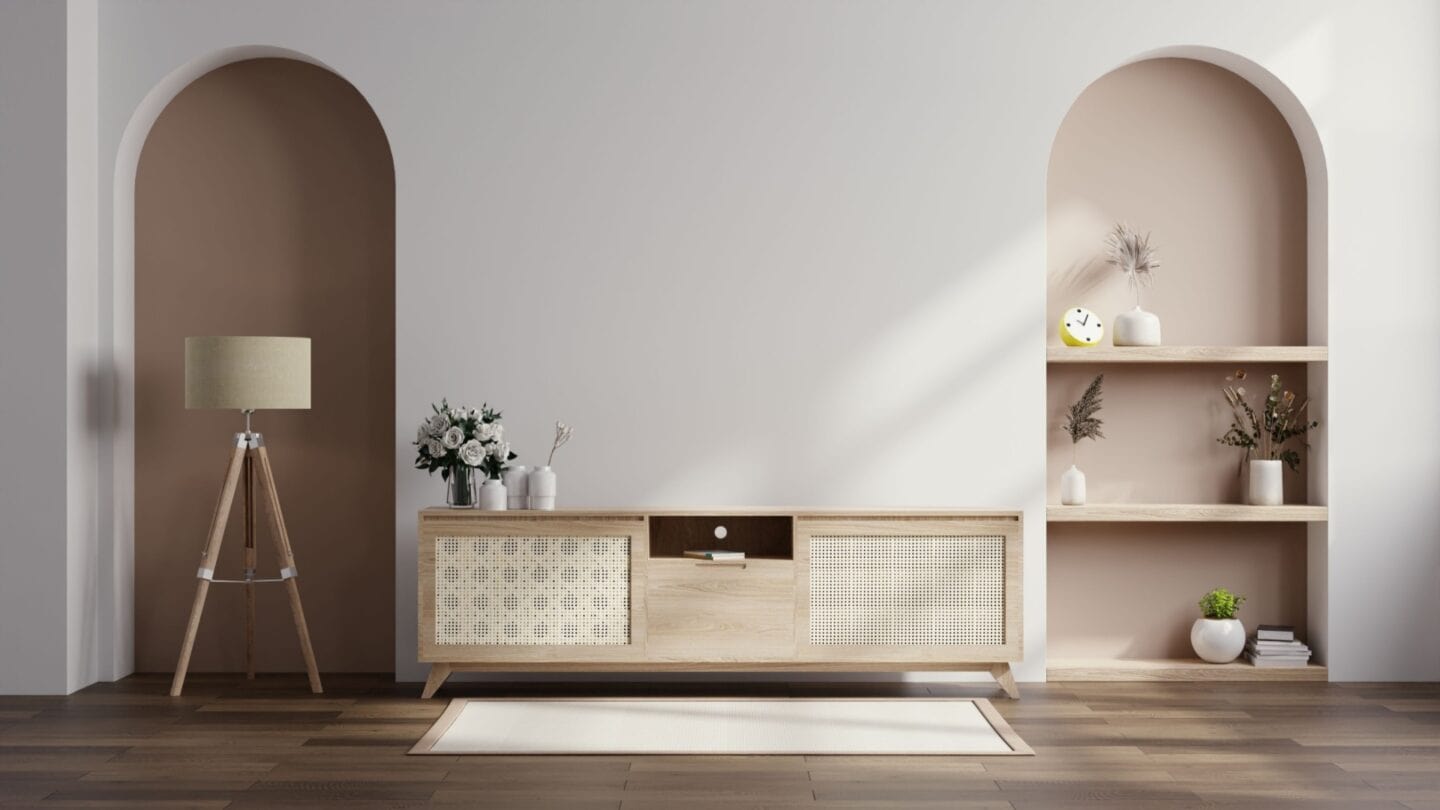
Bare walls can make a room feel incomplete, and cluttered floors don’t help either. Get creative with your wall space by adding shelves, hanging up some artwork, or using wall-mounted storage. It’s a great way to bring some life to your home and clear up that precious floor space. Whether it’s a few floating shelves or a full-on gallery wall, you’ll make your home look more put-together and practical.
Following Trends Without Personalizing: Instead, Add Personal Touches To Trends

It’s easy to follow design trends without making them your own. While trends can offer fresh ideas, your home should reflect your personality and experiences. Look for ways to personalize trendy items through unique accessories, family photos, or DIY projects. This will set your space apart and make it more meaningful and inviting.
Misplacing Furniture: Instead, Arrange For Easy Conversation Flow
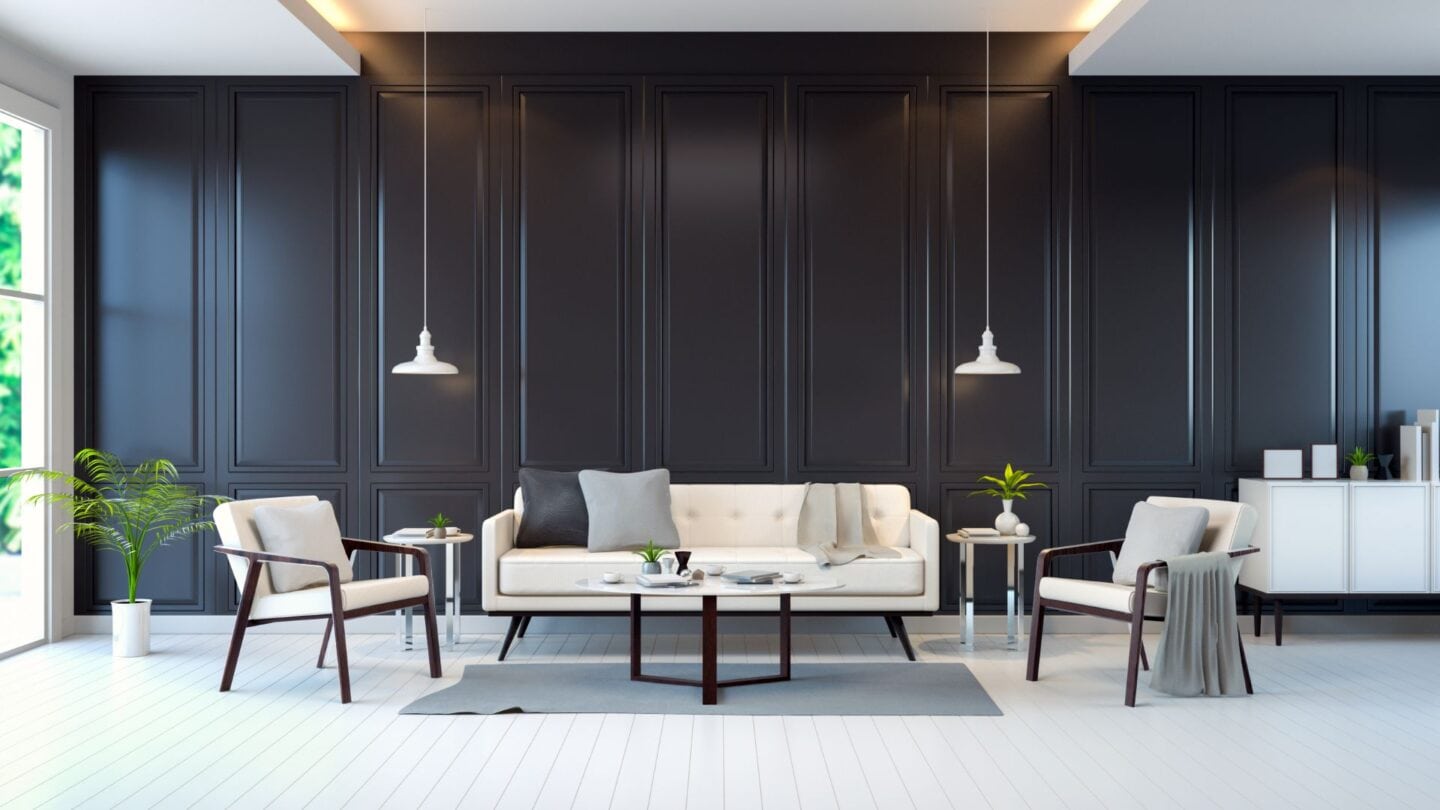
One of the common missteps in decorating is positioning furniture in a way that hampers interaction. A sofa that blocks a pathway or chairs that are too far apart can disrupt the natural flow of conversation. To create an inviting atmosphere, think about how you want people to interact in the space. Position seating to face one another, allowing for easy conversation. This arrangement fosters connection and makes the room feel more welcoming and purposeful. Remember, the goal is to create a space where guests feel comfortable moving around and engaging with each other.
Overusing Matching Sets: Instead, Mix And Match For Interest

Sticking to matching furniture sets can make your space look uniform and somewhat dull. Instead of a perfectly coordinated look, try mixing and matching different colors, textures, shapes, and styles. This approach adds personality and intrigue to your decor, creating a more dynamic atmosphere. Don’t be afraid to pair a vintage chair with a modern table or combine various patterns in your textiles. This blend reflects your unique taste and brings depth and visual interest to your space, making it lively and inviting.
Forgetting About Functionality: Instead, Prioritize Practical Layouts First

It’s easy to get caught up in a room’s visual appeal and forget its functionality. Before making design choices, consider how you will use the space daily. Prioritize layouts that facilitate your lifestyle, whether comfortable seating for family movie nights or a well-organized workspace. A practical layout will enhance the room’s usability and make it more enjoyable to spend time in. Remember, a beautifully designed space should also support your everyday living.
Underestimating The Power Of Textiles: Instead, Layer Fabrics For Warmth And Texture

Textiles are often overlooked but can significantly enhance a space’s warmth and comfort. Instead of relying on just a few fabrics, experiment with layering different textures—think cozy throws, soft cushions, and various curtain styles. This adds depth to your décor and creates a more inviting environment. Don’t shy away from mixing patterns and fabric types, as this can introduce character and style. By incorporating a variety of textiles, you’ll make your space feel more cohesive and visually engaging.
Not Measuring Before Buying: Instead, Always Measure For A Good Fit

One of the most straightforward yet overlooked steps in decorating is measuring your space before making a purchase. Buying furniture or décor that doesn’t fit well can lead to awkward layouts and a sense of clutter. Always measure your space and consider dimensions, especially for larger items like sofas or dining tables. Ensuring that everything fits just right will create a more harmonious environment that looks well-thought-out. Taking the time to measure can save you both frustration and money in the long run.
Disregarding The Room’s Natural Flow: Instead, Design With The Layout In Mind
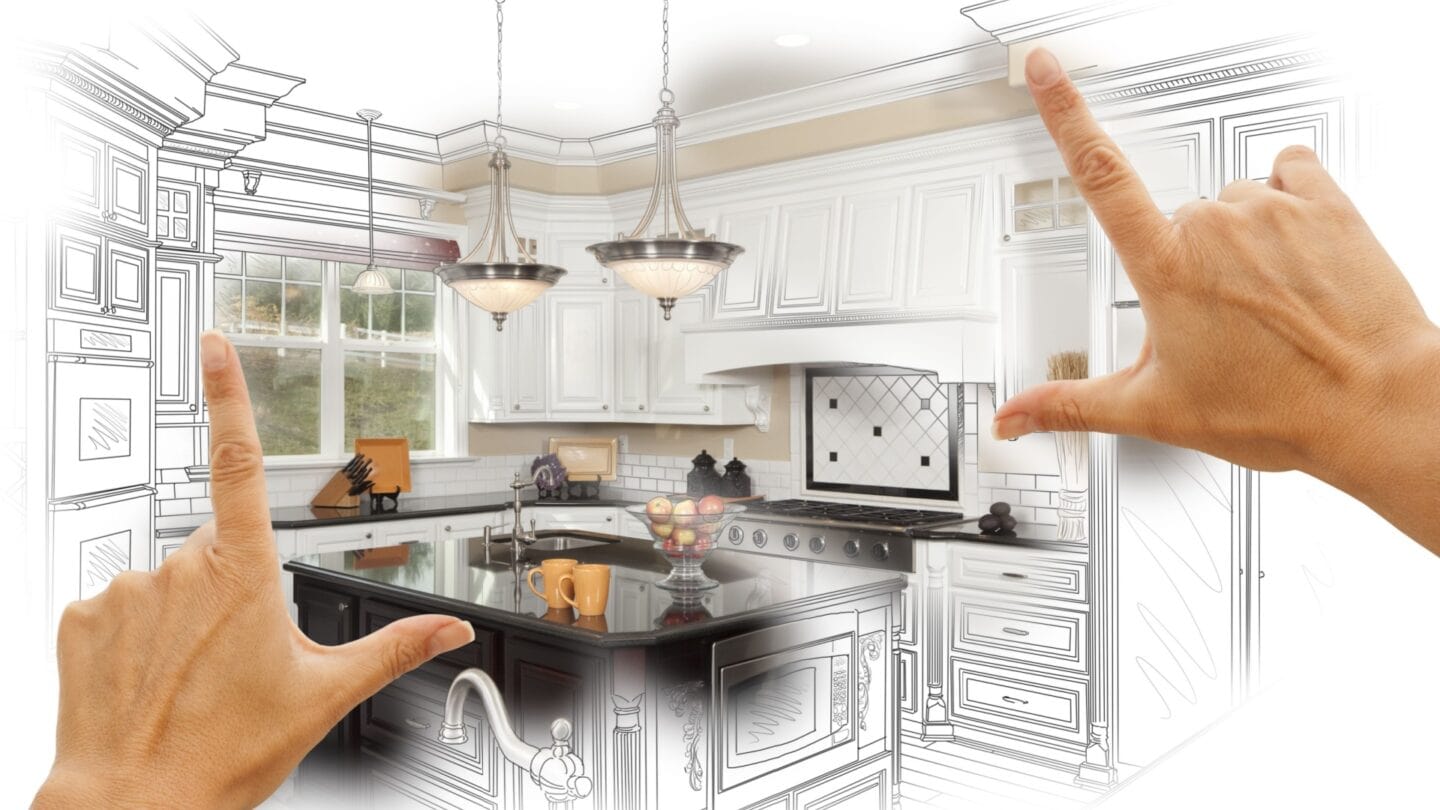
Every room has a natural flow, determined by its layout, entry points, and how people move through it. Ignoring this flow can result in a space that feels chaotic or uncomfortable. Pay attention to how people naturally navigate the room and arrange furniture accordingly. Leave clear pathways and avoid blocking entrances or windows. Designing with the room’s natural flow will help create a balanced and functional environment, allowing for easy movement and a comfortable atmosphere. Your space will feel more cohesive and inviting when the layout is prioritized.
Ignoring the Plants: Add Some Green for a Fresh, Cozy Vibe

Plants do so much more than just look good—they breathe life into any space. A bit of greenery can make your room feel brighter, calmer, and more inviting. Whether it’s a big leafy tree in the corner or a few cute succulents on a shelf, plants bring a natural touch that just works. Also, they’re perfect for filling those awkward empty spots without making things feel cluttered. A little green goes a long way in making your home feel alive and cozy.
More For You

No matter how you like to decorate your house, always remember to bring color and life to your living room by decorating the coffee table. Add a vibrant vase with fresh flowers or a stack of colorful books to create a focal point. Consider using decorative trays to organize items while also adding visual interest. Incorporating elements of nature, like a small potted plant, can also enhance the look and feel of your coffee table.
This article was first published on the RB ITALIA Blog.