15 Financial Mistakes You Need to Avoid Before It’s Too Late
The future is beginning to look bleak with all the inflation and financial instability that’s going around. In trying times like these, the only way to ensure we get an actual retirement is to get all our ducks in a row and get a head start. But making money is challenging, and it’s easy to make financial mistakes. Here are some mistakes you need to fix to stay afloat.
Not Having an Emergency Fund

One of the biggest mistakes you can make is skipping an emergency fund. You may think an emergency fund is a waste of money because you’re saving a portion of your paycheck for a situation that may never arrive, but if a rainy day ever hits, you’ll be glad you saved enough to stay afloat for at least until you get back on your feet.
Carrying Credit Card Debt

If you’re starting out with credit cards, don’t let them collect debts. Credit card debts begin when you’re tempted to pay for small things, planning on paying them back later. Don’t fall into the trap; credit card debt builds up quickly and becomes challenging to pay off. If you’re already deep into credit card debt, prioritize paying your dues.
Failing to Budget

Creating a budget helps us align our finances with our goals. You might think a budget is a silly way to manage things, but it’s one of the most effective methods to keep your payments in check. Section your paycheck into multiple parts and prioritize rent, groceries, utilities, loan payments/student funds/installments. Save the rest for an emergency fund and personal spending.
Not Diversifying Investments

Putting all your eggs in one basket can be a risk; you might lose your investments if the company you’re putting your money into crashes or goes out of business. It’s best to look up multiple investment options; you can check in with a financial advisor or your bank to ensure you’re not getting scammed, but diversifying investments will keep you afloat.
Not Taking Advantage of Tax-Deferred Investments
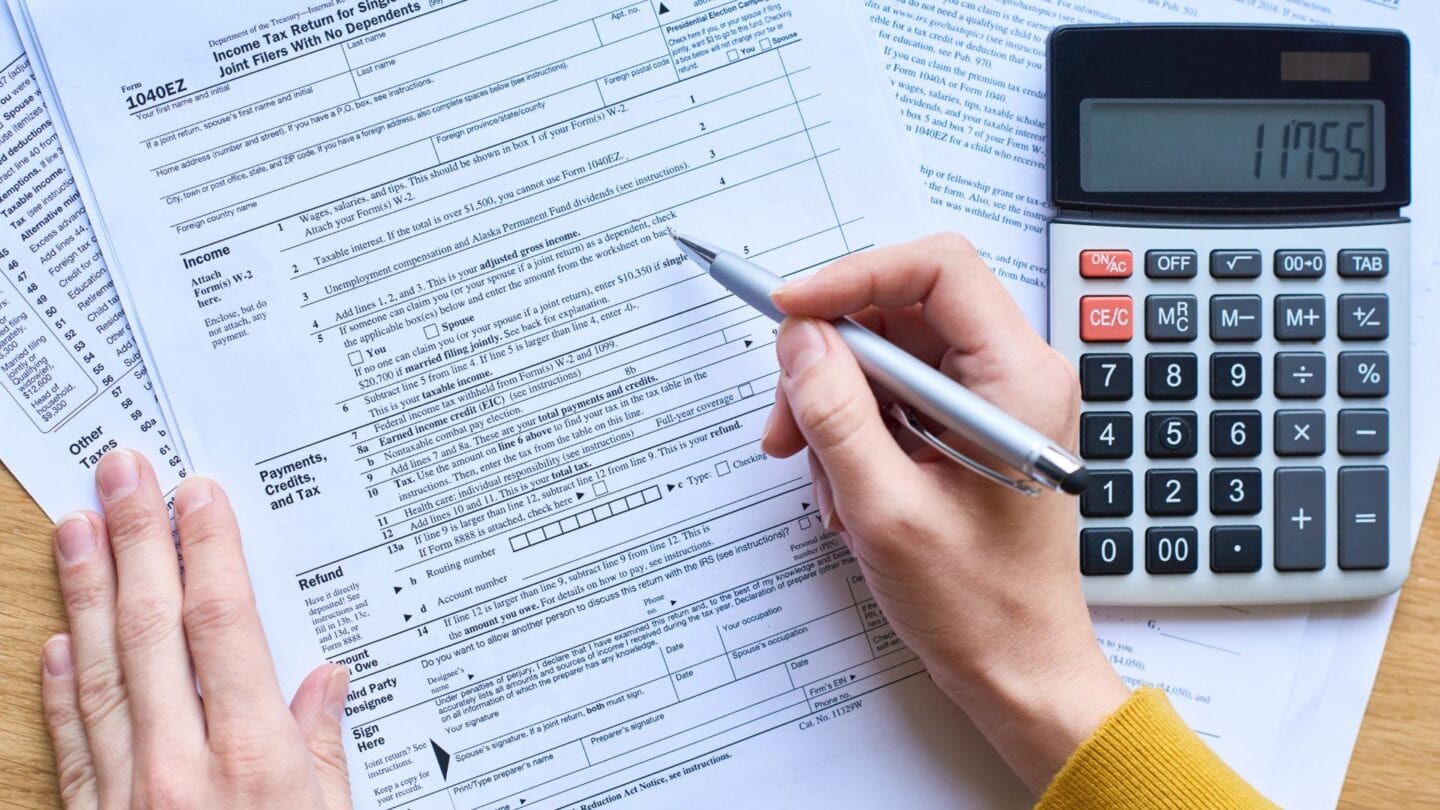
While staying on top of investments and payments is always in your best interest, you can delay them if you’re getting tax-deferred investments. Tax-deferred investments help you delay taxes on gains until later, allowing your investments to grow annually without being taxed. 401Ks, IRAs, and many other investments come with tax deferment you have to ask.
Focusing Only on Short-Term Gains

Focusing on short-term gains and financial goals usually keeps you motivated, but it’s challenging to focus on the future once you’ve reached your goals. Not only do short-term gains keep you from saving up for a future goal like a car, a house, or something bigger, but they also risk running out quickly, putting you in financial instability.
Ignoring Estate Tax Planning

You might think your death is years away, but it’s never too early to start mapping out your will. Estate tax planning minimizes taxes on your estate, so it helps your assets go to your trustees timely. If you ignore estate tax planning, your assets will collect taxes, prompting the government to swoop in once you pass away and collect it for itself.
Not Getting Insurance

Many people think insurance is a waste of money, while some don’t have the means to afford it. But whenever you buy something costly, whether a house, a car, or even an expensive watch, it’s best to get insurance, even if you’ve got a long-term payment plan. Insurance helps you recover from emergencies and unexpected circumstances; ignoring insurance will only pull your money and keep you at a loss.
Rushing Big Purchases

Giving in to purchases is tempting, especially if you’ve been planning them long. For example, you might want to sign the lease immediately on your dream house or pick the first installment plan at your car dealership. But big purchases almost always come with hidden discounts, so it’s best to take your time, negotiate, and settle on a more appropriate payment.
Delaying Debt Repayment

We’ve already covered part of this above but never delay debt repayment. The longer you put off paying off your debts, the more interest they will collect, making your repayment plan a hassle to get over. Delaying debt repayments also makes it harder to keep track of taxes and might put you at risk of getting greater interest rates the next time you purchase something.
Overspending on Vacations

While vacations are one of the only times to go all out, you must be careful with your money. You’ll drain your funds quickly if you’re throwing away your money at menial activities like hotel room services and spas. It’s okay to spend beyond your means occasionally, but never set yourself up for financial instability, especially in a destination you’re not familiar with.
Not Tracking Monthly Subscriptions

These days, with so many subscriptions for everything from streaming to fitness apps, it’s pretty easy to lose track of what you’re actually paying for each month. Those small charges may not seem like a big deal, but over time, they really add up and can quietly drain your budget. Take a few minutes to go through the subscriptions and cancel the ones you don’t use anymore.
Neglecting Retirement Savings

Retirement planning is one of those things that feels easy to push aside—especially when it seems far off. But the sooner you start, the more you get to take advantage of compound growth. Even a little bit saved each month can really stack up over the years. If you wait too long, though, you might end up scrambling to catch up as retirement gets closer.
Ignoring Your Credit Score
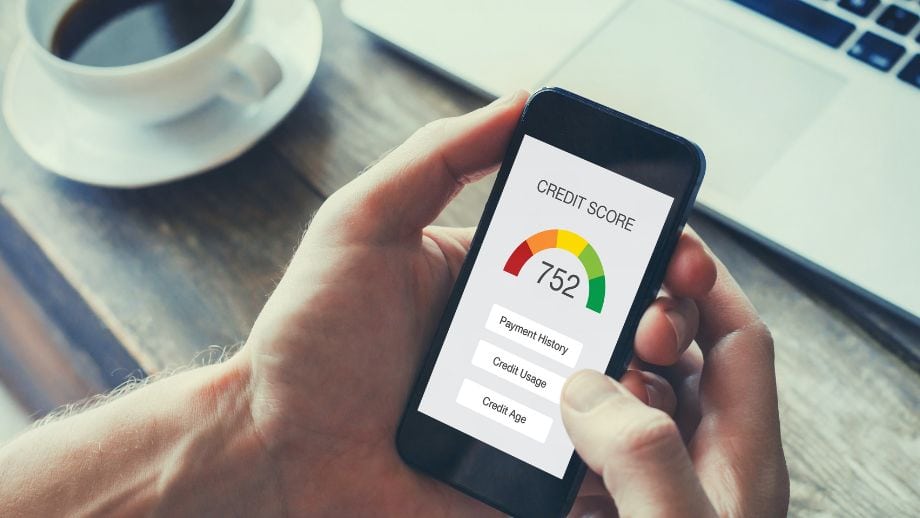
Your credit score plays a big role in your financial life. It affects your ability to get a loan, buy a house, or even rent an apartment. If you ignore your score or don’t try to improve it, you could end up paying higher interest rates or getting turned down for loans. To stay on top of things, check your credit score regularly and fix mistakes, if any.
Relying on a Single Source of Income

Inflation is at an all-time high now, so relying on a single source of income won’t cut it. Single income streams not only pay less but might not help you stay afloat in emergencies or if you lose your job. It’s best to pick up a side gig or get a second job; you can even start renting out your cars or unused possessions to earn money.
More For You

After getting your finances in order and setting up a solid investment plan, it’s time to put some of that hard-earned money to work. Consider upgrading your kitchen and bathroom—they’re two of the best areas to invest in, as they add significant value to your home. Not only do these renovations elevate your living experience, but they also offer a great return on investment when it comes time to sell.
This article was first published on RB ITALIA Blog.