16 Simple Ways to Manage Stress and Anxiety Effectively
Stress and anxiety are widespread issues that affect many individuals in their daily lives. These feelings can be pretty intense and may cause you to experience deterioration in your physical and psychological state due to stress in your workplace, family, or other causes. Fortunately, there are effective strategies to help manage and reduce stress, allowing you to live a more balanced and fulfilling life. Here are some practical approaches to get started.
Mindful Moments

Some of the best techniques for promoting mindfulness include mindfulness meditation. By paying attention to breathing and feelings in your body, you can step back from stressors in your life. Several studies have pointed out that mindfulness exercise reduces the levels of the hormone cortisol that causes stress and anxiety. Meditation for as little as 10-15 minutes a day will help enhance the cognitive functioning of your brain and strengthen your ability to cope with stress.
Exercise Boost

Physical activities are a great way of coping with stress and anxiety because they stimulate the body to produce endorphins, hormones that make people happy. They can also improve sleep, improve mood, and even lessen anxiety disorders. A walk, a yoga session, weights, or anything involving movement can help to calm stress. Engage in physical activities such as exercising for at least 30 minutes at moderate intensity on most days of the week to relieve stress.
Balanced Diet

Proper and healthy food in the right quantities is essential for the body and mental health. It is because several nutrient-rich foods, such as those rich in antioxidants, minerals, and vitamins, can work wonders in calming inflammation and keeping mood swings at bay. Salmon fish and walnuts, loaded with omega-3 fatty acids, are also very helpful in treating anxiety. Also, avoiding foods that contain sugar, caffeine, and alcohol can help you manage stress and your mood and energy levels.
Breathe Deeply

Deep breathing exercises are one of the incredibly effective yet most simple strategies for reducing stress and anxiety. When you’re anxious, your breathing often becomes shallow, which can exacerbate feelings of panic. Deep, controlled breathing can signal your brain to relax, lowering your heart rate and calming your mind. Other techniques include diaphragmatic breathing or the 4-7-8 method, which are easy to learn and can be done anytime and anywhere to help deal with stress.
Relax Rituals
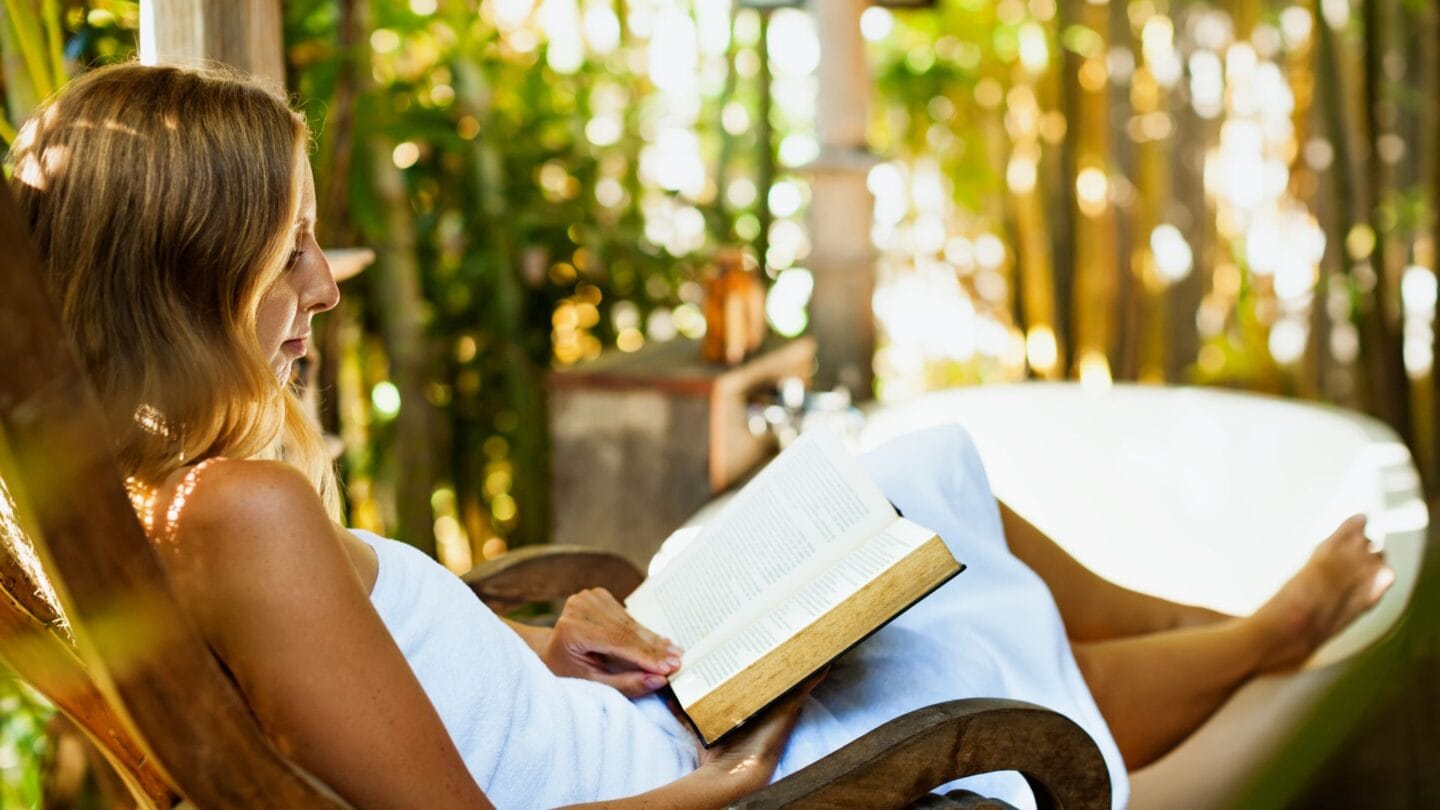
Developing a relaxation process can be a great way of coping with stress after work or a long day. It includes taking an extended leave from work and doing things that may create stress relief, like taking a hot bath, reading a book, or listening to calming soft music. Meditation exercises help you shift your attention from stress to relaxation in the workplace. On their own, meditation assists the body in realizing that it is time to unwind and reduce stress, and leads to improved sleep.
Sleep Priority

Good-quality sleep is essential for dealing with stress and anxiety. Long-term lack of sleep may lead to an increase in anxiety and a decrease in stress management. Going to bed at the same time every day and having a set of rituals before bedtime helps you doze off faster and sleep longer. Minimize screen time and caffeine, and eat a heavy meal before going to bed to let your body and mind detoxify and rejuvenate.
Social Connections

Having friends, families, or even support groups around can help reduce one’s stress level drastically; it can assist in telling a friend who may not judge you or cut you off. Stress is always very inconvenient, and it is always challenging for people to handle stress, but this is where social networks come in handy since they help people seek encouragement when facing various challenges. In everyday life, from planning a meeting with a friend to joining a group of people, one should not underestimate the comfort of someone to turn to when under pressure.
Goal Setting

A condition wherein people are compelled to work with very high expectations while having a very tight schedule that cannot be met can result in stress. Setting achievable targets for how much work you can do in a day is necessary to combat stress. It is reasonable not to get bogged down and, therefore, say no to other tasks or responsibilities that cannot be done. It is an effective way to ensure you don’t get overwhelmed and feel in control of your life by identifying what is essential and what needs to be done.
Gratitude Attitude

Realizing what you are thankful for can change your focus from the negative and the worrisome to the positive and the grateful. Happiness habits include, but are not limited to, journaling or simply counting blessings—three things that one is thankful for at the end of the day—which have been proven to decrease stress and increase happiness. Focusing on the positive elements of life will help you manage your stressors properly and also help you develop the coping mechanism to handle issues as time goes on.
Creative Escape

Hobbies are great to help you relax and get your mind off of things that are bothering you and act as a creative outlet. You can paint, do gardening, write, or cook – anything that you find enjoyable becomes a way to momentarily escape the chaos of your mind and find joy in the world. In addition, hobbies have been found to reduce stress since they make the person feel that they have achieved something apart from their responsibilities.
Nature Therapy
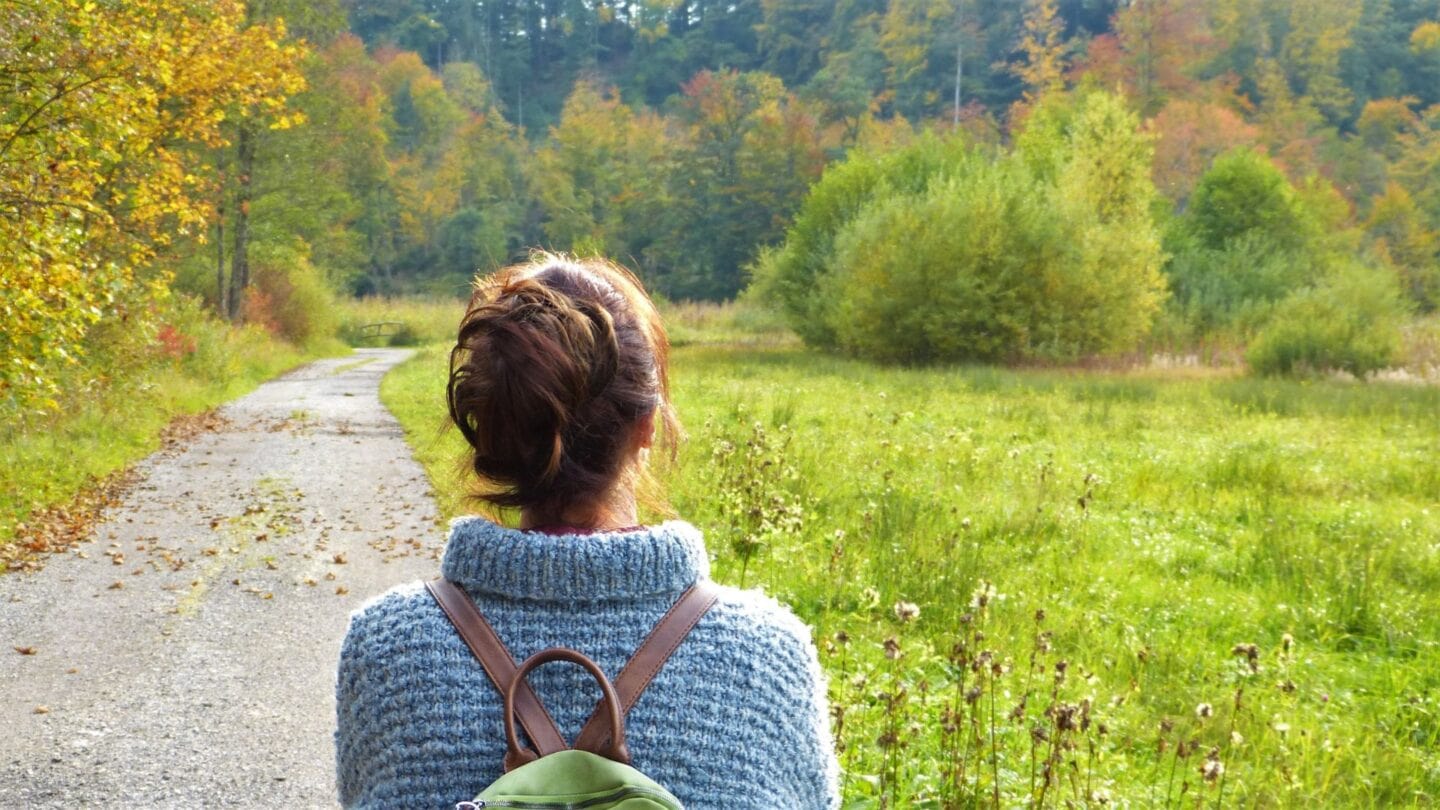
Nature therapy is one of the oldest yet most effective strategies for reducing stress and anxiety. Besides being an excellent way to relax, spending time in nature truly allows you to admire the world around you. You don’t have to travel far away to enjoy nature; a simple walk to your nearby park will work wonders. Nature is the best therapist that not only produces serotonin but also freshens up your mood.
Screen Detox

Today, people spend a significant amount of their time in front of screens and, particularly, social networks, which contribute to the worsening of feelings of anxiety and stress. It is because, most of the time, pictures and posts on social media platforms are full of unrealistic images of life. Moreover, being constantly in touch with the news and updates can sometimes be quite a bit. To minimize digital eye strain, avoid screens for long periods, get some fresh air, and exercise occasionally.
Write Down Your Thoughts
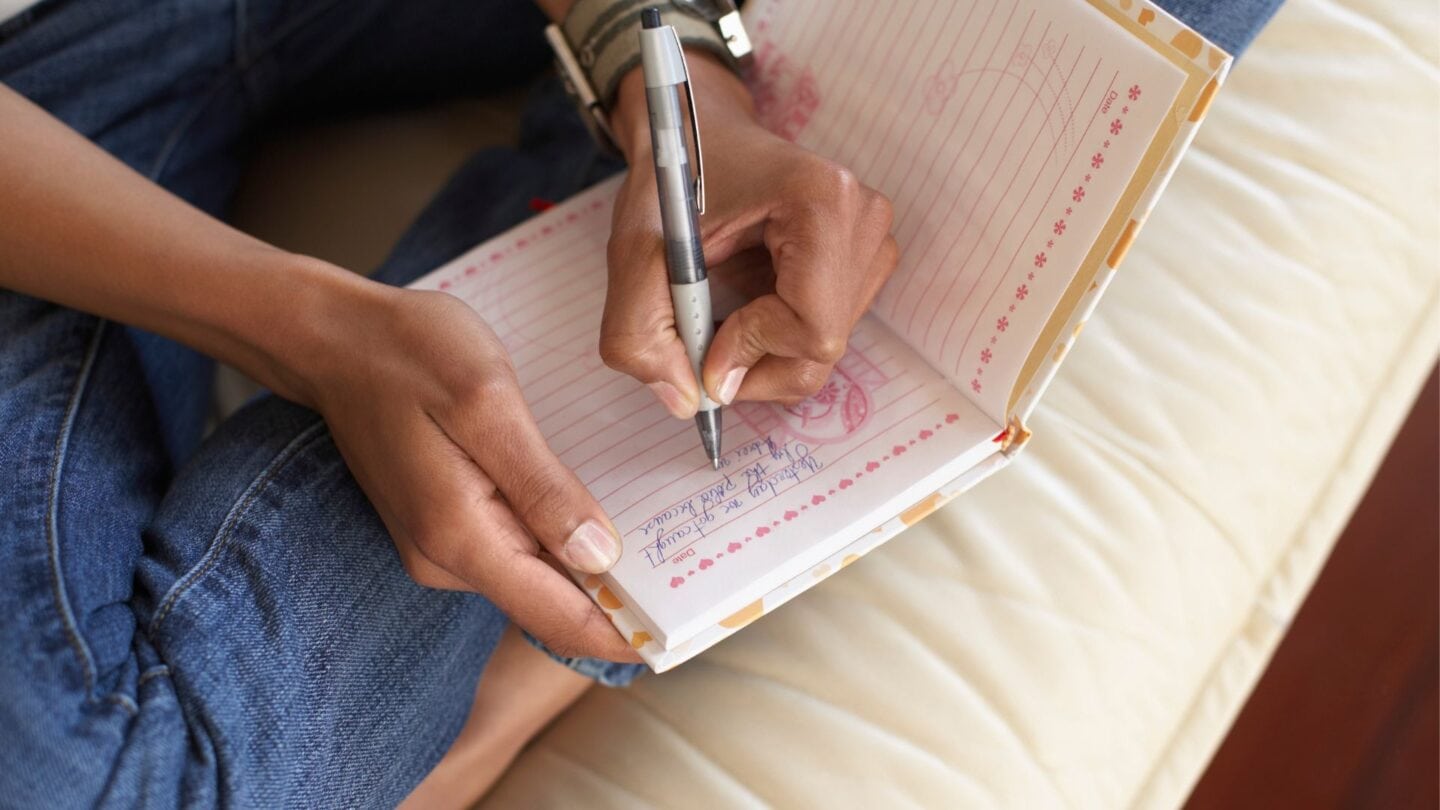
For many of us, it’s hard to open up to people about our feelings. Journaling your thoughts every day or when you feel like talking to someone is a great way to take it all out without being judged. It allows you a private space to vent, reflect, and work through the challenges that you’re facing at your own pace. Regular journaling may help you manage your anxiety and stress.
Positive Self-Talk

The way you talk to yourself can really affect how you deal with stress. When you think negatively, it can make everything feel worse. On the other hand, using positive words and thinking can help boost your confidence and lower your anxiety. Instead of saying things like, “I can’t handle this,” try telling yourself, “I can do this, one step at a time.” Changing the way you speak to yourself helps shift your mindset and makes it easier to handle stress.
Try Aromatherapy
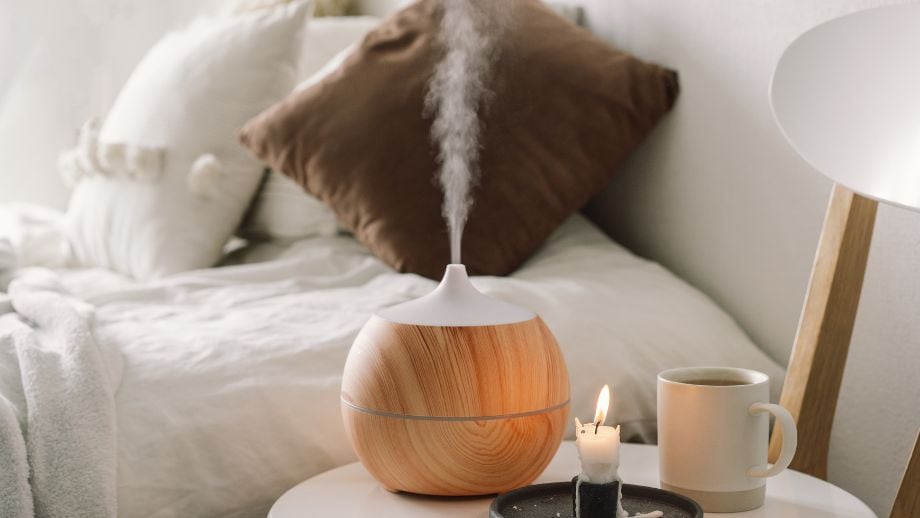
Have you noticed how some scents elevate your mood and offer relief? You can use scents like lavender and chamomile, amongst others, to cope with stress and anxiety. Whether as a scented candle or a spray, these scents trigger relaxation responses in the brain, reducing cortisol levels and promoting emotional balance. By engaging your sense of smell, you can help relax your racing thoughts and create a calming environment.
Seek Help

If stress and anxiety are too overwhelming that you do not know who to talk to, you should consult with a professional. For instance, CBT (Cognitive Behavioral Therapy) can help manage stress and change negative and unhelpful thinking patterns. Speaking with a counselor can assist you in telling how you feel and receiving guidance tailored to your situation. Further, there are some medications that can only be taken if prescribed by a doctor or physician for stress and anxiety.
In our speed-stride lives, stress and anxiety often seem unwelcome but ever-present, but with the right strategies, you can take control and reduce their impact. Incorporating these practices will equip you with powerful tools to manage stress. And if you ever need more help, there’s no shame in contacting professionals who can guide you through tough times. The key is to find what works best for you and stick with it because reducing stress is a journey, not a destination.
More For You

Friendship isn’t just about having fun—it can help you stay healthy, too. Science says close friendships can make a big difference in your life. Here are some ways your friends might be adding years to your life.
This article was first published at Rbitaliablog.