
Strategies for Raising Confident and Independent Kids
Every parent wishes for their child to grow up independent and confident. However, this process takes work, and not all parents understand how to groom their kids effectively. Whether you are a new parent or looking for actionable tips to give your kids the best upbringing possible, here are some valuable strategies for raising confident and independent kids.
Teach Problem-Solving Skills
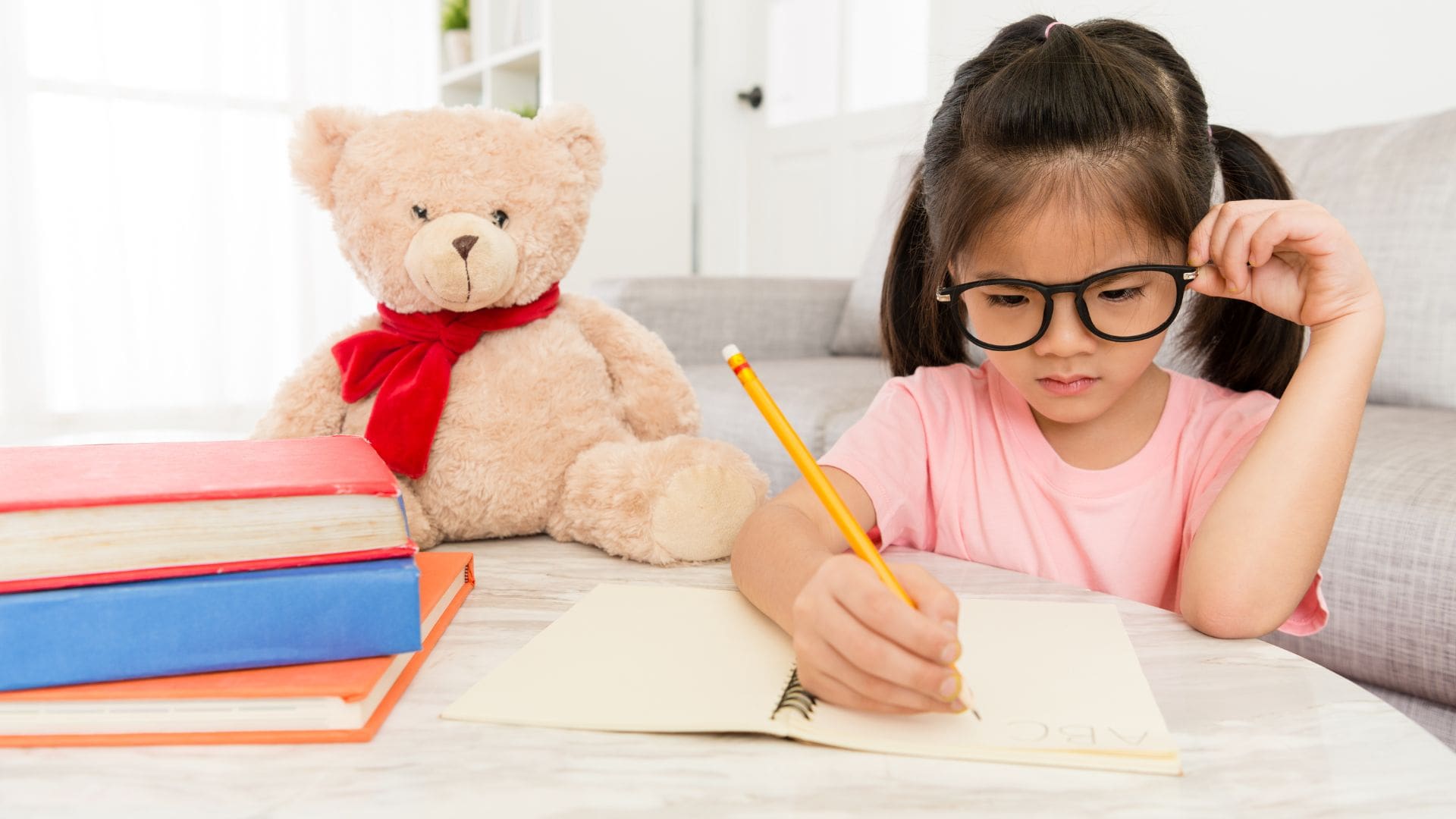
Children become more confident when they can navigate challenges all by themselves. Instead of immediately solving problems for them, guide them on how to approach a problem. Teach them to stay relaxed when faced with a problem, brainstorm solutions, evaluate outcomes, and take calculated risks. This approach builds critical thinking skills and teaches children that obstacles are opportunities for growth and learning.
Encourage Decision-Making Early On

Empowering children to make age-appropriate choices helps develop their decision-making abilities and self-confidence. Start with simple decisions like selecting their outfit or choosing between two after-school activities. This process teaches them to trust their judgment and take responsibility for their actions.
Teach Basic Life Skills Early

By teaching your kids essential life skills, you will prepare them for independent adulthood. Start with age-appropriate basics like making bed, cleaning, preparing simple meals, and doing laundry. Then, break down each skill into manageable steps and show them how to do it.
Avoid Comparing Them to Others

Comparisons are destructive to a child’s self-esteem; the sooner you realize it, the less damage you will cause. Parents should realize that each child develops uniquely, with individual strengths, interests, and learning curves. When children feel valued for who they are, they develop intrinsic motivation and confidence that isn’t dependent on external benchmarks or peer achievements.
Promote a Growth Mindset

Cultivate a mindset that views challenges as opportunities for learning and development. Teach your kids that skills and abilities can be developed through hard work, regardless of how tough they may seem. When they face setbacks, help them understand that mistakes are natural parts of learning. Encourage phrases like “I can’t do this yet” instead of “I can’t do this,” reinforcing the belief that anything is possible with practice and persistence.
Model Confidence Yourself

As children grow up, they learn by observing and mimicking their parents. If you demonstrate confidence through your own actions, your children will too. Show your kids through action how to handle challenges gracefully, admit mistakes, and maintain a positive attitude. When children see confident behavior modeled consistently, they internalize these traits and develop their own self-assurance.
Celebrate Their Unique Strengths

Every child is born with unique strengths. Some kids are naturally smart, while others are more athletic. These innate strengths are plentiful, and as a parent, you must identify and celebrate your child’s unique strengths, be they artistic, athletic, intellectual, or creative, instead of pressurizing them to be someone else.
Avoid Over-Protection

It’s natural for parents to be protective, but sometimes they unknowingly take it too far. There is a very thin line between being protective and overprotective, and excessive shielding clearly crosses it. Allow them to experience age-appropriate challenges and failures, if any, which are crucial for developing resilience. Teach them how to navigate challenges and solve problems but leave the action to them.
Practice Positive Affirmations

Intentional, genuine, positive statements significantly impact a child’s self-perception and confidence. Use meaningful affirmations that acknowledge effort, character, and personal qualities. Instead of generic praise, offer detailed observations like “I noticed how carefully you worked on that project” or “You showed real kindness when you helped your friend.” Children hear you and, ultimately, perceive their self-esteem based on how you address them.
Encourage Social Interaction

Social skills are crucial for building confidence and independence. Provide opportunities for children to interact with peers through group activities, clubs, or sports. Support them in initiating conversations to make friends. More importantly, teach them empathy and how to handle conflicts constructively to help them develop emotional intelligence. This will ultimately help your kid build communication skills and the ability to form meaningful social connections.
Allow Them to Fail and Learn

Failure is a part of life, and instead of teaching your kids to avoid failure, tell them it is okay to fail and try again. Help children understand that setbacks are normal and valuable parts of the learning process. Guide them to analyze what went wrong, brainstorm alternative approaches, and develop problem-solving strategies. Normalizing failure and teaching constructive responses help children build emotional strength and the confidence to try again.
Encourage Their Passions and Interests

Each child is unique in their abilities and passions. As a parent, consider it your duty to understand these passions and provide resources or opportunities for them to explore and develop these interests. Show support by attending their performances or competitions, asking thoughtful questions, and celebrating their progress. This will boost your kid’s self-confidence, knowing you have faith in their abilities.
More For You

Teaching kids important life lessons before they turn 13 helps prepare them for a successful and happy future. These lessons help them build strong character, become resilient, and understand the importance of responsibility. By sharing these lessons early on, parents and caregivers can give kids the tools they need to handle challenges with confidence and kindness. Here are some of the most important life lessons to teach children before they reach their teenage years.
This article was first published on the RB ITALIA Blog.