Renovation Costs No One Warns You About
Renovation costs always sound pretty straightforward at first, but once a project actually starts, the reality tends to look a little different. During our recent home renovation, we had a plan, a budget, and a pretty realistic idea of what to expect. Still, there were costs that only showed up once work was underway.
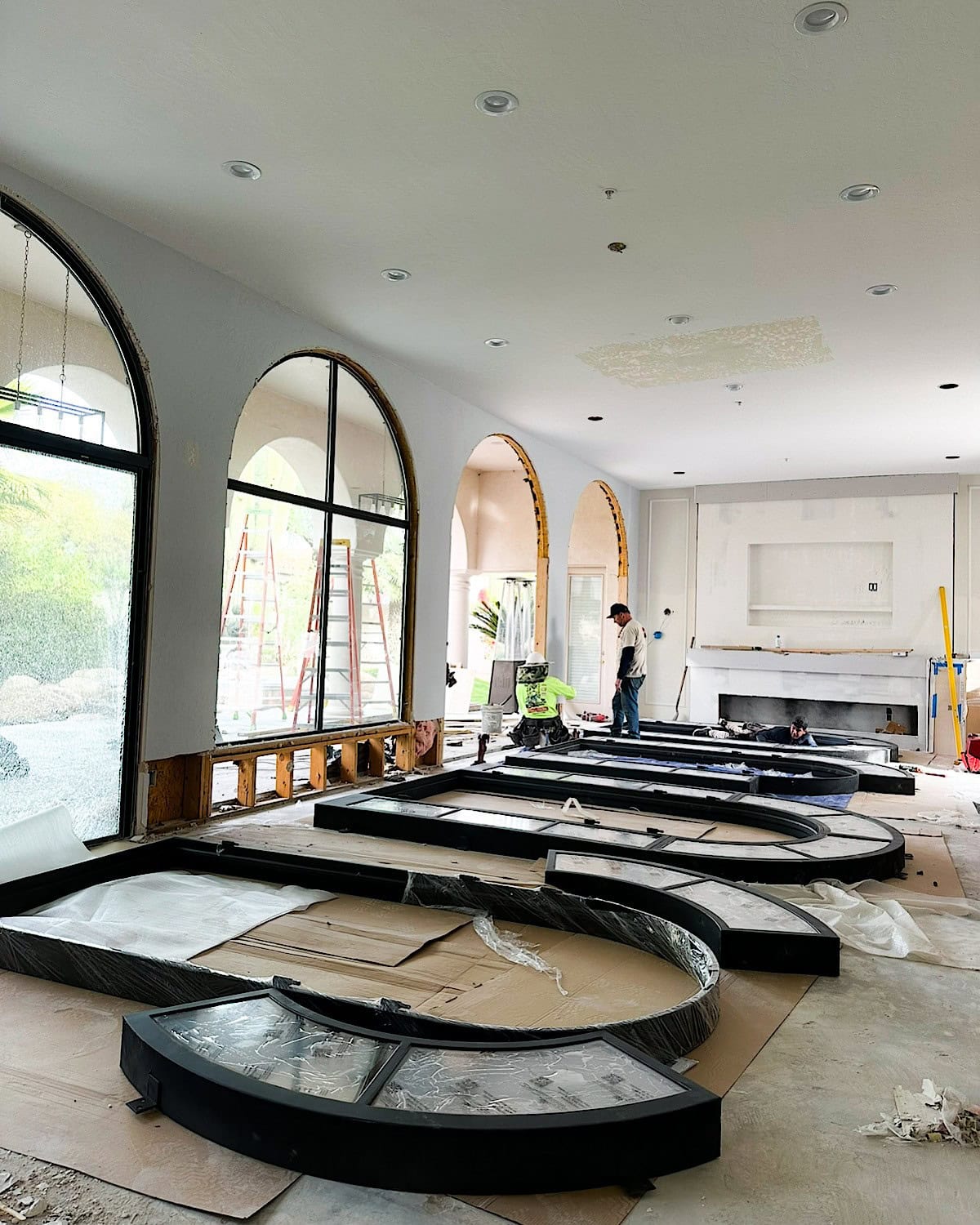
These weren’t mistakes or poor decisions; they were just things that naturally come up as timelines shift, materials are finalized, and details start to matter more. They’re the kinds of expenses no one really walks you through ahead of time, even when you think you’ve planned for everything.

That’s why I wanted to share the renovation costs no one warns you about. I’ve also shared a complete, step-by-step renovation checklist you can read beforehand to be better prepared for what to expect. Not to be dramatic, just to help you go into your renovation with clearer expectations and fewer surprises along the way.
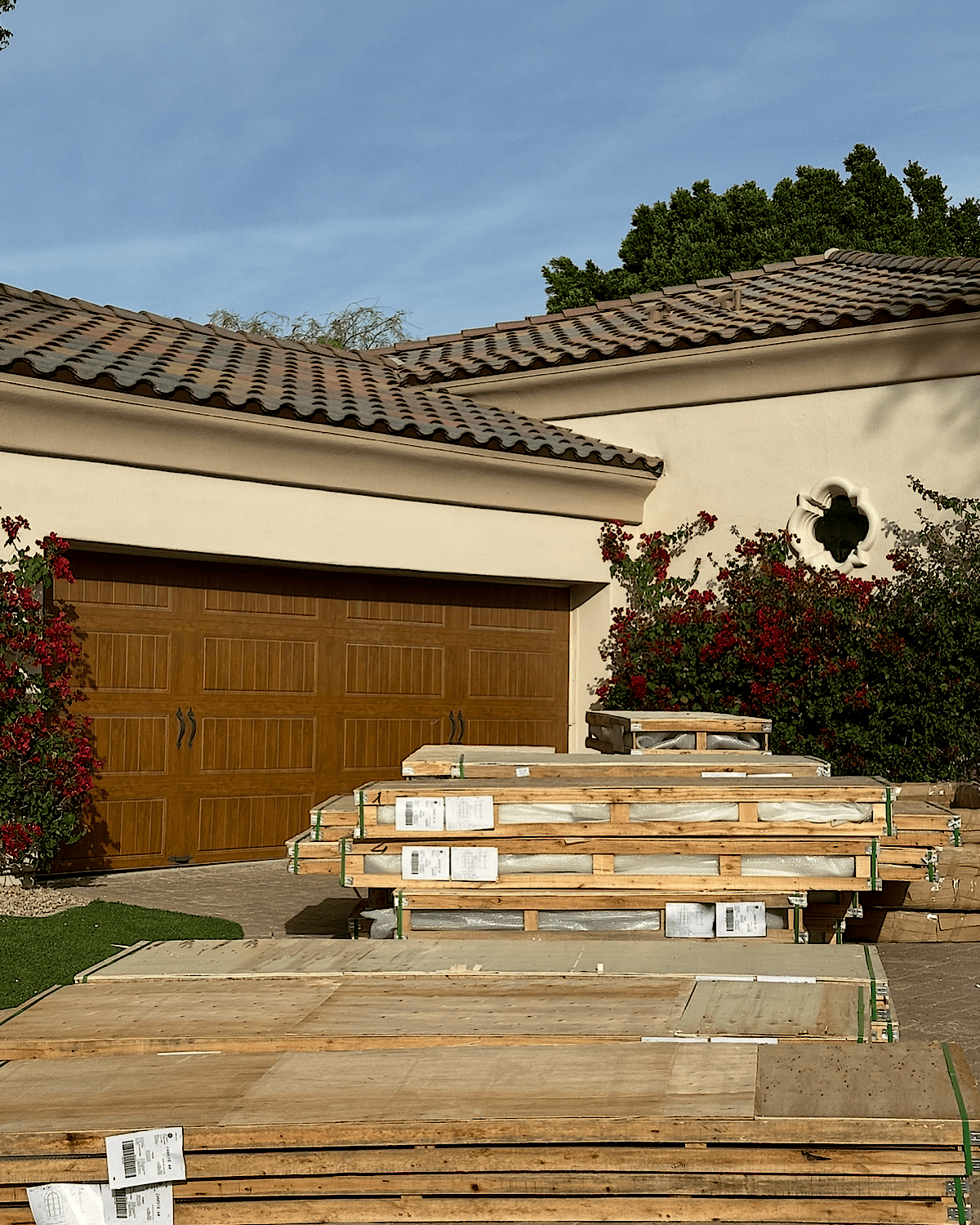
1. Permit Fees
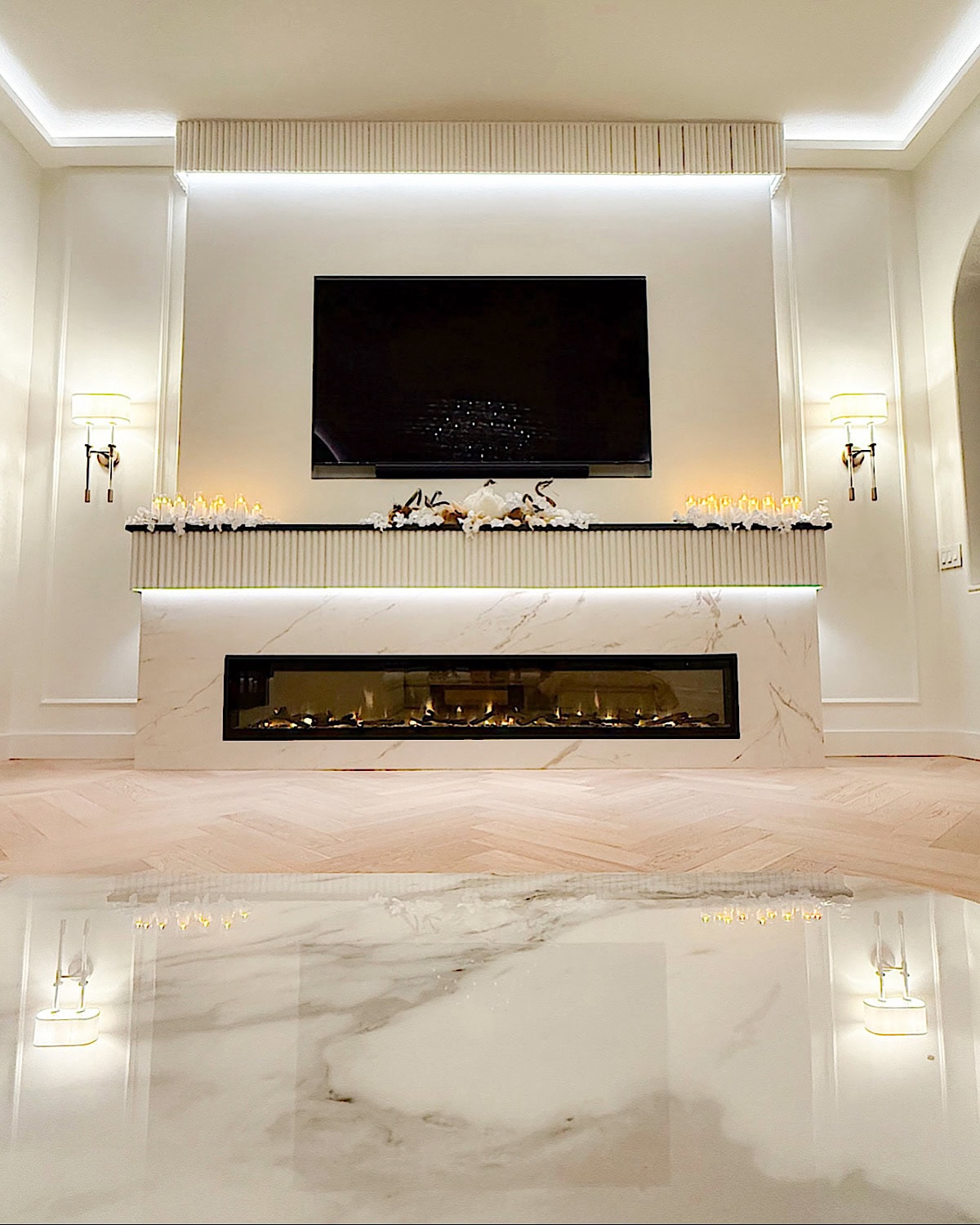
Permit fees depend entirely on what you’re changing during a renovation. Thankfully, we didn’t need city permits because we decided not to change the gas line for the fireplace and went with an electric option instead. That decision alone saved us time and money. But if you’re touching gas, structure, or major systems, permit fees can quickly become part of your home renovation cost and are something you really need to factor in early.
2. Permit Revisions and Resubmissions
Even when permits are required, it’s rarely a one-time process. Any small change to plans can mean resubmitting paperwork, waiting again, and paying additional fees. These revisions are common during renovation projects and can quietly increase both costs and timelines.
3. Expedited Permit Fees
Once a renovation is in motion, time suddenly feels very expensive. If permits or approvals start holding things up, expedited fees are often introduced to keep the project moving. It sounds optional at first, but when contractors are scheduled and timelines are tight, paying extra can feel like the only realistic choice. These fees aren’t always discussed upfront, yet they can quietly add to your overall renovation cost when delays start stacking up.
4. City Inspections
City inspections usually come along with permits, and while they’re necessary, they can affect both timing and budget. Inspections need to be scheduled, passed, and signed off on before certain work can continue, which means progress can pause while everyone waits. Even when everything goes smoothly, inspection timing alone can slow a renovation, and delays almost always ripple through labor and scheduling.
5. Re-Inspections
If something doesn’t pass inspection the first time, re-inspections become part of the process. This doesn’t always mean something major was done wrong; sometimes it’s a minor adjustment or clarification, but it still requires fixing the issue and scheduling another visit. Re-inspections can add unexpected time and cost, especially when multiple trades are involved, and everyone is waiting to move forward.
6. Architect Revisions
Architect plans often look perfect on paper, but once a renovation starts and walls are opened, reality can change things. Measurements can shift, existing conditions may not match original drawings, or design decisions may evolve. Each revision takes time and usually comes with a fee, which is why architectural revisions are a common cost people don’t fully anticipate when budgeting for a renovation.
7. Designer Change Fees
Even the most organized renovation will have design changes. Materials can arrive and look different from what was expected, items can go on backorder, or something that felt right early on just doesn’t work once installed. Designer change fees can apply when adjustments are made, and while they’re often worth it to get things right, they’re rarely something homeowners plan for in advance.
8. HOA Approvals and Fees
If your home is part of an HOA, approvals can be required even for interior renovation work. This might mean submitting plans, waiting for review, or paying processing fees before anything can begin. HOAs can add an extra layer of time and cost to a renovation, and they’re often overlooked until the project is already being planned.
9. Electrical Panel Upgrades
Electrical panel upgrades are one of those costs that don’t come up until modern features are added. New lighting, appliances, or smart systems can quickly push an older panel past its limits. Once that happens, upgrading the panel isn’t optional — it just becomes part of the renovation. This can be a significant expense that wasn’t part of the original plan.
10. Plumbing Line Upgrades
Plumbing upgrades often appear once walls or floors are opened. Older lines may not support new fixtures, or changes in layout can require rerouting. Even if you’re not moving things around dramatically, plumbing updates can still be necessary to meet current requirements or ensure everything works properly. It’s a very common renovation cost that tends to surface mid-project rather than upfront.
11. Gas Line Modifications
Anything involving gas tends to get complicated fast. Even small changes can mean extra labor, additional approvals, and more coordination between trades. For us, choosing not to change the gas line and going with an electric fireplace saved a lot of time and money, but if gas work is involved, it can quickly expand the scope of a renovation and significantly affect the overall cost.
12. HVAC Adjustments
Once walls or ceilings are opened, HVAC is almost always part of the conversation. Vents may need to be moved, airflow may need to be adjusted, or the system may need to be rebalanced to work properly with the new layout. These adjustments aren’t always obvious during planning, but they tend to surface once the renovation is underway.
13. Ductwork Changes
Ductwork is easy to forget about until it suddenly becomes an obstacle. Changes to ceilings, lighting, or layouts often require moving or resizing ducts. Because it’s hidden behind walls and ceilings, it feels like an invisible cost until it becomes unavoidable, and by then, it’s already part of the project.
14. Vent Relocation
Vents don’t always line up with new cabinetry, furniture placement, or design plans. Moving them may sound simple, but it usually involves more work than expected, especially when walls, ceilings, or floors are involved. It’s one of those small changes that can quietly increase labor costs.
15. Drywall Repair Beyond Scope
Drywall repair almost always goes beyond what was originally planned. Once electrical, plumbing, framing, and HVAC work is done, extra patching and smoothing are usually needed. These repairs are necessary to achieve clean finishes, but they often fall outside the original scope and increase the final cost.
16. Framing Corrections
Once walls are opened, framing issues sometimes reveal themselves. Things may not be level, straight, or reinforced the way they need to be for the new design. Fixing framing is important for safety and quality, but it’s rarely something homeowners expect to deal with when they first plan a renovation.
17. Subfloor Repair
Subfloor problems often show up after old flooring is removed, especially in older homes. Damage, uneven areas, or wear can’t be ignored if you want new flooring to be installed properly. These repairs are necessary, but they’re easy to overlook when budgeting early on.
18. Leveling Floors
Uneven floors become much more noticeable once large tiles, hardwood, or cabinetry are installed. Floor leveling isn’t always obvious until demolition starts, but it makes a huge difference in how finished and polished the space looks. It’s one of those costs that improves the result but still adds to the budget.
19. Waterproofing Upgrades
Bathrooms, wet areas, and certain zones often need better waterproofing than originally planned. Once things are opened up, it becomes clear where extra protection makes sense. It’s not a visible upgrade once everything is finished, but it’s one of the most important things to get right during a renovation.
20. Mold Remediation
Mold is something no one wants to find, but it can appear when walls, floors, or ceilings are opened. When it does, it has to be addressed properly before work can continue. Mold remediation adds unexpected time and cost, but it’s not something you can skip or rush through.
21. Termite Treatment
Termite issues often aren’t visible until demolition begins and framing or subfloors are exposed. Even if a home seemed perfectly fine before, damage can show up once materials are removed. Once termites are identified, treatment becomes mandatory, and that cost is added to the renovation budget immediately, whether you planned for it or not.
22. Pest Control During Renovation
Renovations tend to stir everything up inside a home. Dust, open walls, and constant activity can attract pests that were never an issue before. Extra pest control during a renovation is fairly common, especially for longer projects, and it’s usually not included in the original scope of work.
23. Dumpster Overages
Dumpsters fill up much faster than people expect once demolition starts. Between old materials, packaging, and unexpected debris, it’s easy to exceed weight or capacity limits. Dumpster overages don’t feel significant in the moment, but they can quietly add up as the renovation progresses.
24. Extra Debris Hauling
Sometimes one dumpster simply isn’t enough. Additional demolition, damaged materials, or last-minute changes often require extra hauling trips. These trips are usually billed separately and can increase renovation costs without adding any visible progress to the project.
25. Dump Fees
In addition to hauling, certain materials cost more to dispose of. Dump fees vary depending on what’s being thrown out, and they’re not always clearly outlined at the beginning. These small charges can accumulate over the course of a renovation.
26. Daily Cleanup Labor
Keeping a renovation site safe and manageable requires regular cleanup. When you’re living in the home during construction, daily cleanup becomes even more important. That ongoing labor often gets added to the project cost and is something many homeowners underestimate.
27. Dust Containment Systems
Dust control becomes a big deal during a renovation, especially in lived-in homes. Plastic barriers, zip walls, and air scrubbers help contain dust, but they aren’t always included in initial estimates. These systems protect the rest of the home, but do add to overall costs.
28. Temporary Storage Units
Furniture, décor, and personal items are usually moved out of the way during a renovation. Storage units become necessary, and monthly fees can add up quickly if the project timeline extends. This is a very common cost that’s often overlooked early on.
29. Temporary Utilities
During construction, utilities may need to be temporarily rerouted or added to support the work. This might include temporary power, water access, or lighting. These small adjustments usually show up mid-project and add to renovation costs.
30. Utility Shutoff and Reconnect Fees
Shutting utilities off and reconnecting them isn’t always as simple as it sounds. Each disconnect and reconnect can come with fees, scheduling requirements, and delays. If this happens more than once during a renovation, those costs can add up faster than expected.
31. Furniture Moving and Storage
Moving furniture during a renovation almost never happens just once. Pieces get shifted, protected, moved again, or taken off-site entirely, depending on the phase of work. Storage units, protective wrapping, and labor to move items safely all add up, especially when the renovation timeline stretches beyond what was planned.
32. Appliance Delivery Surcharges
Appliance prices often seem straightforward until delivery day. Stairs, narrow hallways, tight doorways, or special handling can all trigger extra delivery charges. Delays or rescheduled deliveries can also add costs that weren’t obvious when the appliances were originally ordered.
33. Appliance Installation Add-Ons
Installation is rarely as simple as placing an appliance and plugging it in. Once installers are on site, additional parts, adjustments, or setup requirements often arise. These add-ons usually aren’t included in the base installation price and can add up quickly across multiple appliances.
34. Appliance Haul-Away Fees
Getting rid of old appliances is another cost people tend to forget about. Haul-away fees are often billed separately from delivery and installation and usually appear toward the end of the renovation, when you’re least expecting another charge.
35. Electrical Rough-In Changes
Electrical rough-ins often change once layouts and lighting plans are finalized. Outlets may need to move, switches might be added, or lighting locations adjusted. These changes are common during a home remodel but are not always included in the original scope, which increases overall renovation costs.
36. Plumbing Rough-In Changes
Plumbing rough-ins tend to shift once fixture selections are made or layouts change slightly. Even small adjustments can require additional labor and materials, making this a very common mid-project cost that people don’t anticipate early on.
37. Fixture Rough-In Upgrades
Some fixtures require rough-ins that differ from or are upgraded from standard options. This usually doesn’t come up until selections are finalized, which is why it can feel unexpected. These upgrades improve function and performance, but they do add to the renovation budget.
38. Tile Waste Overages
Tile waste is unavoidable, especially with detailed layouts or multiple cuts. Breakage, pattern alignment, and mistakes mean extra tiles often need to be ordered. This increases material costs and is rarely discussed in initial estimates.
39. Specialty Cuts or Patterns
Once you move beyond a basic tile layout, labor costs rise quickly. Specialty cuts, intricate patterns, or custom layouts take more time and precision, which directly affects installation costs and overall renovation pricing.
40. Slab or Material Damage Replacement
Stone slabs and specialty materials are beautiful, but they’re also heavy and fragile. Damage can happen during fabrication, transport, or installation, even when everyone is being careful. If a slab cracks or a material arrives damaged, replacing it can be costly and sometimes causes delays, especially if the material needs to be reordered.
41. Color or Finish Change Fees
Seeing a color or finish installed in the actual space can change your mind quickly. Lighting, scale, and surrounding materials all affect how something looks in real life. Changing finishes after materials are ordered or work has started usually comes with extra fees, and those costs add up faster than people expect.
42. Rush Material Orders
When timelines tighten or something is needed urgently, rush orders come up in the conversation. Expedited shipping can keep a renovation moving, but it’s rarely cheap. These fees often aren’t planned for, yet they become necessary to avoid bigger delays down the line.
43. Backorder Substitutions
Backorders are very common during renovations. When a material or product is delayed, substitutions may be the only way to stay on schedule. Substitutes can differ in price or require additional labor, which affects both the budget and the final look of the space.
44. Price Increases Mid-Project
Material prices can change while a renovation is already in progress. Even if pricing and approvals are completed early, long timelines can expose projects to price increases that surface later. These increases are usually beyond anyone’s control but still affect the final renovation cost.
45. Additional Labor Due to Delays
When one part of a renovation gets delayed, it often affects everything else. Trades may need to come back multiple times, schedules get rearranged, and labor hours increase without much visible progress. This added labor can quietly raise the overall cost of the project.
46. Contractor Standby Time
Sometimes work can’t move forward because materials, approvals, or inspections aren’t ready. When contractors are waiting or returning later than planned, standby time may be billed. It’s a cost that feels frustrating because it’s not tied to active work, but it’s part of real renovation timelines.
47. Weekend Work Fees
To stay on schedule, some work may need to happen on weekends. Weekend labor often comes with higher rates, which can increase renovation costs. While it can help move things along faster, it’s another expense that’s easy to overlook early on.
48. Touch-Up Painting
After installations, adjustments, and final changes, touch-up painting is almost always needed. Walls, trim, and ceilings often require extra attention to look finished again. These small paint jobs add labor and material costs at the end of a renovation.
49. Final Punch-List Repairs
The final phase of a renovation often includes a list of small fixes and adjustments. These punch-list items may seem minor, but they take time and labor to complete. It’s the last push to make everything feel right, and it often adds to the final cost.
50. Additional Caulking or Sealing
Caulking and sealing are finishing details that show up everywhere at the end of a renovation. Around tile, trim, countertops, and fixtures, extra sealing work is often needed to get clean, polished results. It’s detail work that takes time and adds to labor costs, even though it doesn’t feel like a major upgrade.
51. Hardware Upgrades
Hardware seems like a small detail at first, but once you start upgrading knobs, pulls, and hinges throughout a home, the cost adds up quickly. It’s easy to justify because hardware makes such a noticeable difference in how finished a space feels, but it’s rarely something people budget accurately from the start.
52. Trim Upgrades
Trim is one of those details you don’t think much about until you see it installed. Once you notice the difference between basic trim and something more substantial, upgrading feels like the right choice. Those upgrades improve the overall look, but they also increase material and labor costs.
53. Baseboard Replacement
Baseboards often need to be replaced after flooring or wall changes. Matching old baseboards isn’t always possible, so replacing everything becomes the cleaner option. It’s a detail that feels minor, but across an entire home, it can noticeably affect the renovation budget.
54. Door Hardware Changes
Changing door hardware throughout a home can add up faster than expected. Even small upgrades in finish or style can become costly when multiplied by every door. Installation labor can also increase the total more than people anticipate.
55. Custom Millwork Adjustments
Custom millwork rarely fits perfectly without some on-site adjustments. Small tweaks are normal to get everything aligned and finished properly. These adjustments take time and skilled labor, which adds cost even though the changes may seem minimal.
56. Cabinet Modification Fees
Cabinets often need modifications once appliances are installed or walls aren’t perfectly square. These adjustments help everything fit correctly, but modification fees are usually separate from the original cabinet pricing and can add up quickly.
57. Cabinet Hardware Install Fees
Installing cabinet hardware sounds simple, but when you have many cabinets, it can add up. Many installers charge separately for this work, and it’s often added late in the project.
58. Soft-Close or Interior Cabinet Upgrades
Soft-close drawers, pull-out shelves, and interior organizers make everyday use much better. The issue is that once you start adding them, it’s hard to stop. These upgrades feel small individually, but can significantly increase the overall cabinet cost.
59. Closet System Add-Ons
Closet systems usually start with a base price that looks reasonable. Once you add drawers, shelving, or accessories, the cost climbs quickly. These add-ons improve functionality, but they’re easy to underestimate when planning a renovation.
60. Lighting Upgrades Not in Plan
Lighting plans often change once you see the space come together. Better fixtures, extra lighting, or different placement can completely transform a room. These upgrades improve the final result, but they’re rarely included in the original plan.
61. Dimmer Switches
Dimmer switches feel like a small upgrade, but once you start adding them room by room, the cost adds up fast. They make a huge difference in how a space feels throughout the day, so it’s hard to skip once you start.
61. Dimmer Switches
Dimmer switches seem like such a small upgrade, but once you start adding them throughout the house, the cost adds up quickly. They really change how a space feels at different times of day, which makes them hard to skip once you’ve used them in a few rooms. Between the switches themselves and installation labor, this is one of those upgrades that quietly increases the overall renovation cost.
62. Smart Home Wiring
If you’re planning anything smart, wiring usually needs to be done while walls are open. Even if you’re not installing everything right away, running the wiring during a renovation makes sense. That said, it’s still an added cost that often wasn’t part of the original plan and can grow as you add more future-proofing.
63. Low-Voltage Wiring
Low-voltage wiring is easy to overlook early on because it’s tied to features that feel optional. Accent lighting, under-cabinet lights, and specialty design elements often require it, and those needs usually become clearer once the design comes together. Adding low-voltage wiring later in the project increases both labor and cost.
64. Security or Camera Wiring
Even if you don’t plan to install cameras immediately, running the wiring during a renovation is usually the smartest time to do it. Once walls are open, it feels like a now-or-never decision. While it’s a practical move, it’s still an extra expense that’s rarely discussed during early budgeting.
65. Fire Sprinklers Relocation
In homes with fire sprinklers, layout changes may require relocation. This type of work is very specific and often requires coordination with specialists. It’s not something most homeowners think about when planning a renovation, but it can add both cost and complexity once triggered.
66. Smoke and CO Detector Updates
Renovations often require smoke and carbon monoxide detectors to be updated or relocated to meet current code. Even if the existing detectors worked fine before, once work is done, requirements can change. These updates are necessary, but they still add to the list of unexpected costs.
67. Code Compliance Upgrades
Once a renovation begins, certain areas of the home may need to be brought up to current building code requirements. Even if something was acceptable before, opening walls or changing layouts can trigger required upgrades. These costs aren’t always obvious at the beginning, but can become unavoidable as the project moves forward.
68. Insulation Upgrades
When walls or ceilings are open, insulation often comes up. Improving it makes sense for comfort and efficiency, especially in older homes. While it’s a smart long-term upgrade, it’s another cost that typically appears mid-renovation rather than during planning.
69. Soundproofing Add-Ons
Soundproofing usually isn’t part of the original plan, but once you start thinking about privacy, noise, or shared walls, it becomes tempting to add. These materials and installations improve daily life, but they also add labor and material costs that weren’t originally budgeted.
70. Window or Door Change and Resizing
Changing or resizing windows and doors affects more than just the opening itself. Framing, finishes, and exterior work often follow, which quickly increases the scope of work. These changes can significantly impact renovation costs, especially when they occur after plans have already been finalized.
71. Threshold Modifications
Thresholds may sound like a minor detail, but when floor heights change or different materials meet, adjustments are often required. Getting transitions right takes time and precision, and those finishing details still require labor and materials that add to the final cost.
72. Exterior Patch and Paint
Even if most of your renovation work is happening inside, exterior touch-ups often follow. New openings, vent changes, or adjustments inside can require patching and repainting outside to make everything look finished again. These exterior fixes aren’t always discussed early on, but they’re necessary to make the home look complete.
73. Landscaping Repair After Construction
Construction is tough on landscaping. Between foot traffic, equipment, and materials being moved around, grass, plants, and irrigation can get damaged. Repairing landscaping after a renovation is very common and often becomes one of those final costs people didn’t think about at the beginning.
74. Driveway or Walkway Damage
Heavy trucks and constant movement during a renovation can take a toll on driveways and walkways. Cracks, stains, or surface damage may appear by the end of the project. Fixing these areas is another cost that doesn’t feel directly tied to the renovation work but still needs attention.
75. Temporary Accommodations
Depending on the scope of the renovation, staying somewhere else can make daily life much easier. Whether it’s a short stay or something longer, temporary accommodations add another layer of cost that often isn’t considered when planning a renovation budget.
76. Increased Cleaning Costs
Living through a renovation means cleaning far more than usual. Dust travels everywhere, even with containment systems in place. Extra cleaning during the project becomes necessary just to keep things manageable and livable.
77. Post-Renovation Deep Cleaning
Once the renovation is finished, a deep clean is almost always needed. Construction dust settles in places you didn’t even know existed, and getting the home truly clean again usually requires professional help. It’s the final step that makes the space feel finished and livable again.
Bottom Line
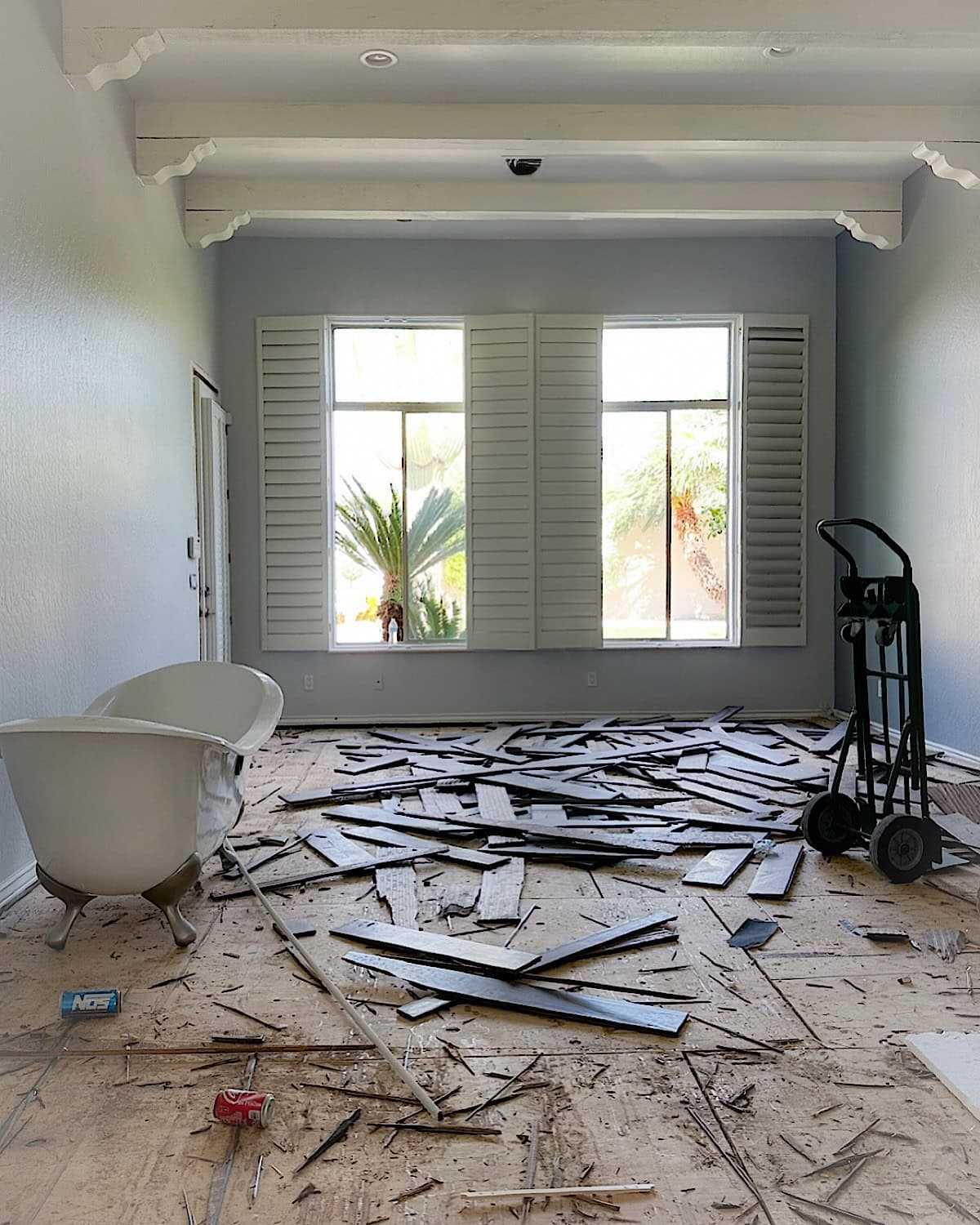
When people research home renovation costs, they usually want a simple number, often broken down per square foot or shown in a renovation costs calculator. While that can be a helpful starting point, real-life renovation costs per square foot vary a lot depending on the home, the scope of work, and where you’re located.
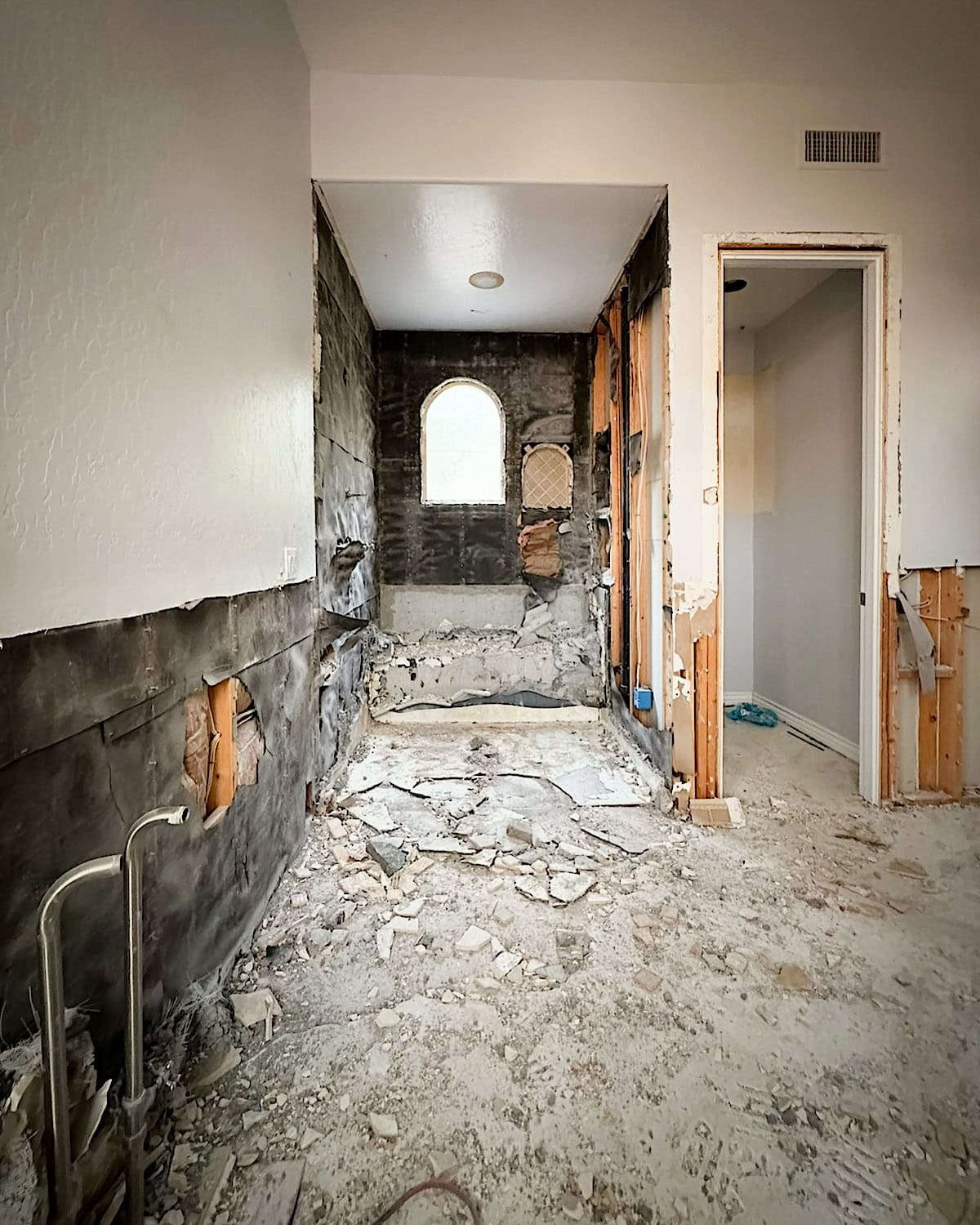
For example, NYC renovation costs and New York City projects tend to look very different from renovations in New Jersey or other areas. A full renovation or full gut renovation cost isn’t just about square footage; it’s affected by contractors, materials, design choices, and what’s uncovered once work begins.

I’m often asked questions like how much it costs to remodel, for example, a 2,000 sq ft house or a 1,500 sq ft house, and the honest answer is that the average cost depends on far more than size alone. Kitchen, bathroom, and basement renovation costs can change quickly based on finishes, layout changes, and unexpected upgrades.
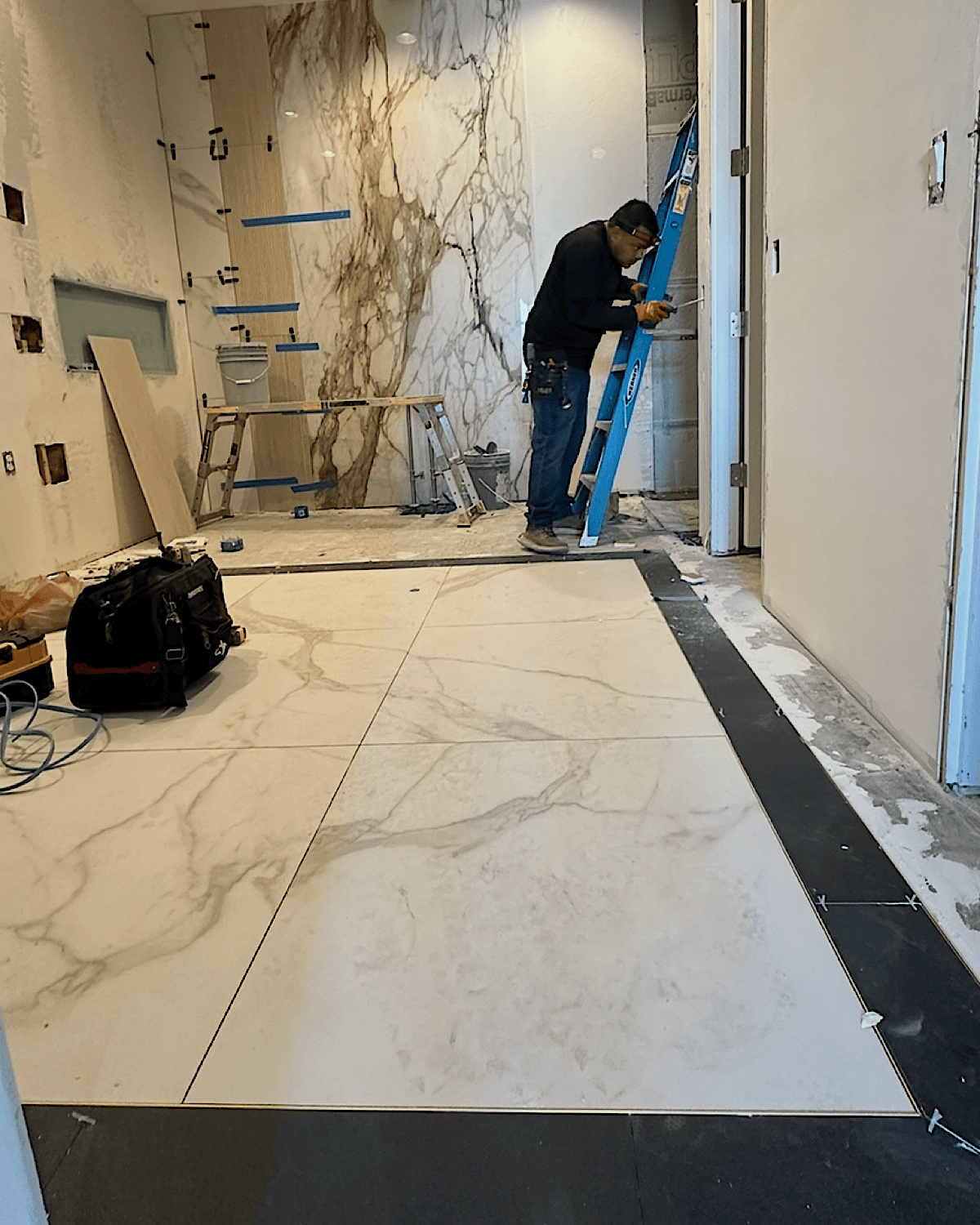
Online tools for a renovation cost calculator can give ballpark numbers, but they rarely account for the real-world costs that arise during renovation projects. Understanding the true cost of home renovation means looking beyond the initial estimate and planning for the details most people don’t think about until they’re already in the middle of it.
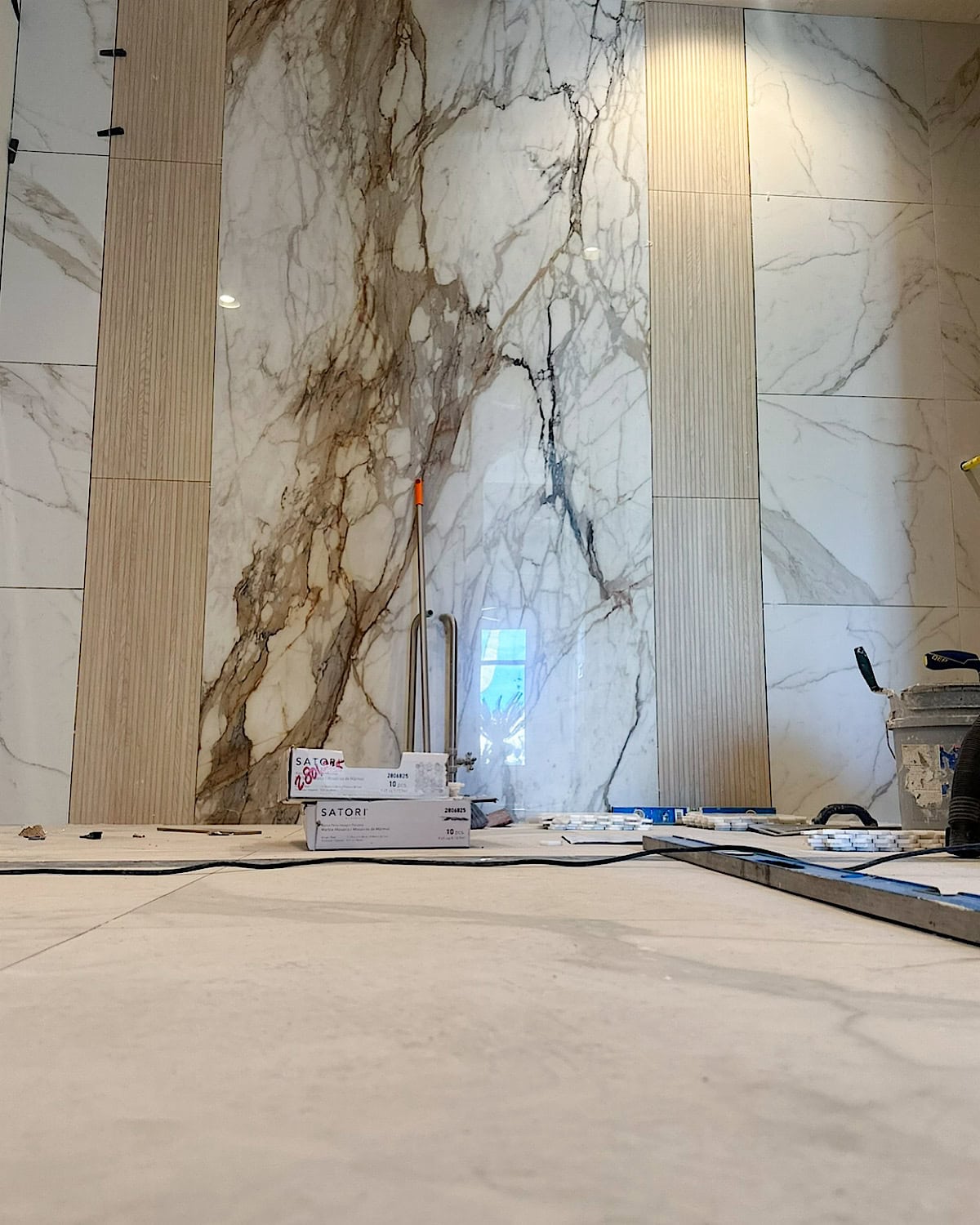
At the end of the day, renovation costs will almost always shift once a project is underway, and that’s completely normal. As long as you go in with realistic expectations and room in your budget, renovations are absolutely worth it. The process can feel overwhelming at times, but seeing everything come together makes it all worthwhile. Happy renovating.
Love,
Sherry XOXO